#israel-attack-on-doha
#israel-attack-on-doha
[ follow ]
#iran #israel #gaza #hezbollah #lebanon #civilian-casualties #us-military #military-conflict #middle-east-conflict









#us-iran-conflict




World news
fromwww.theguardian.com
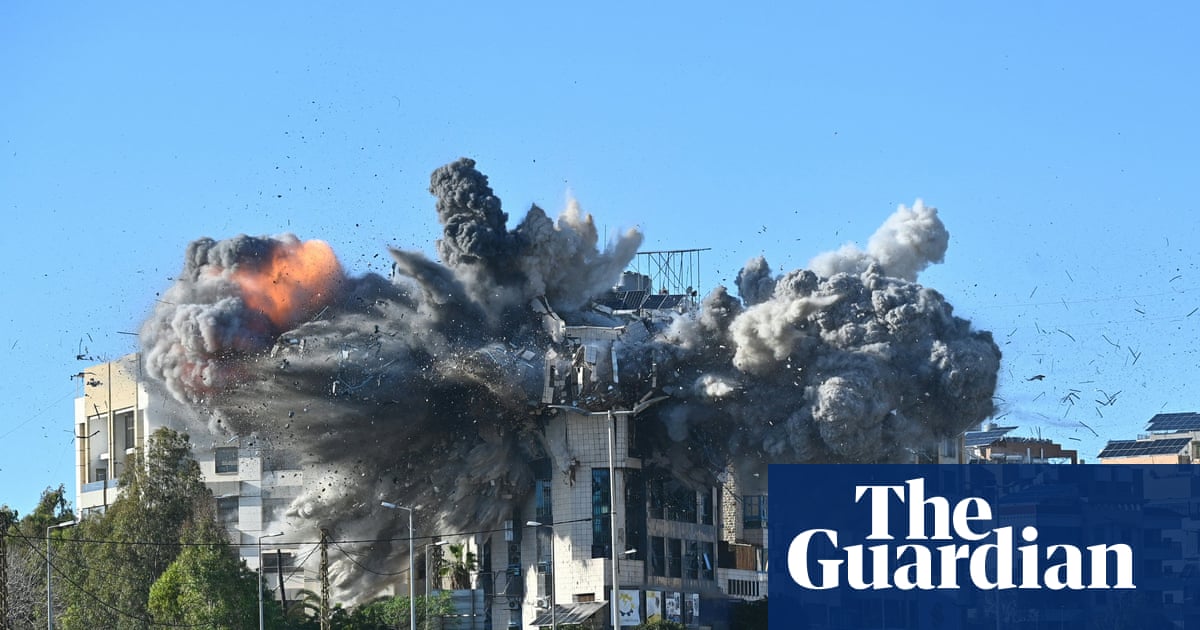
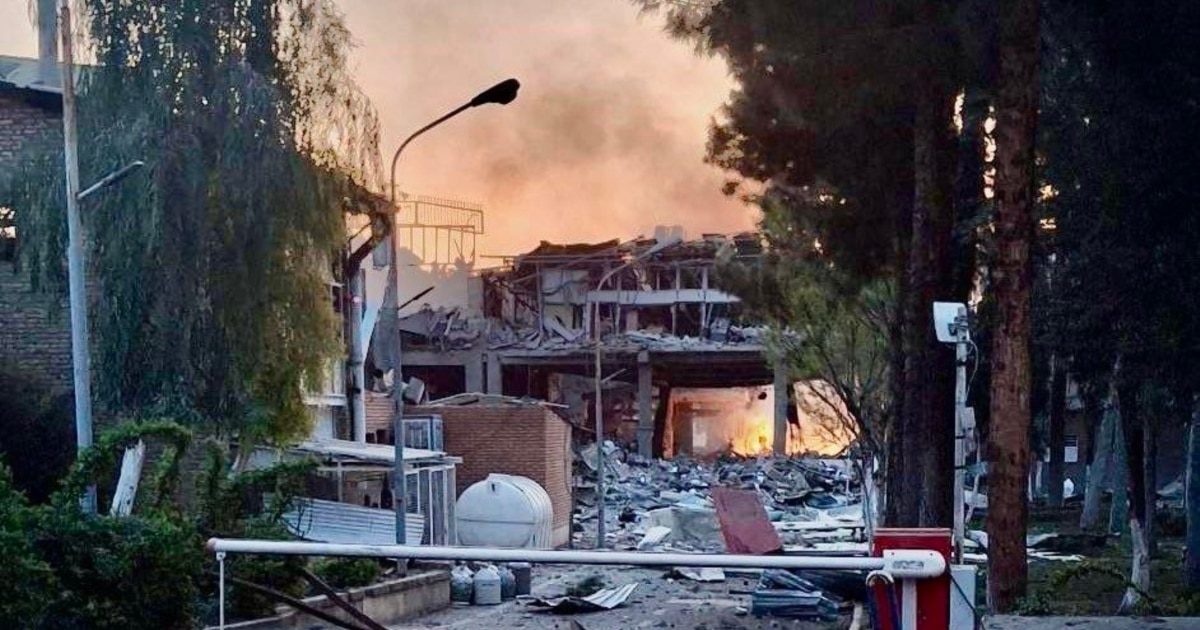
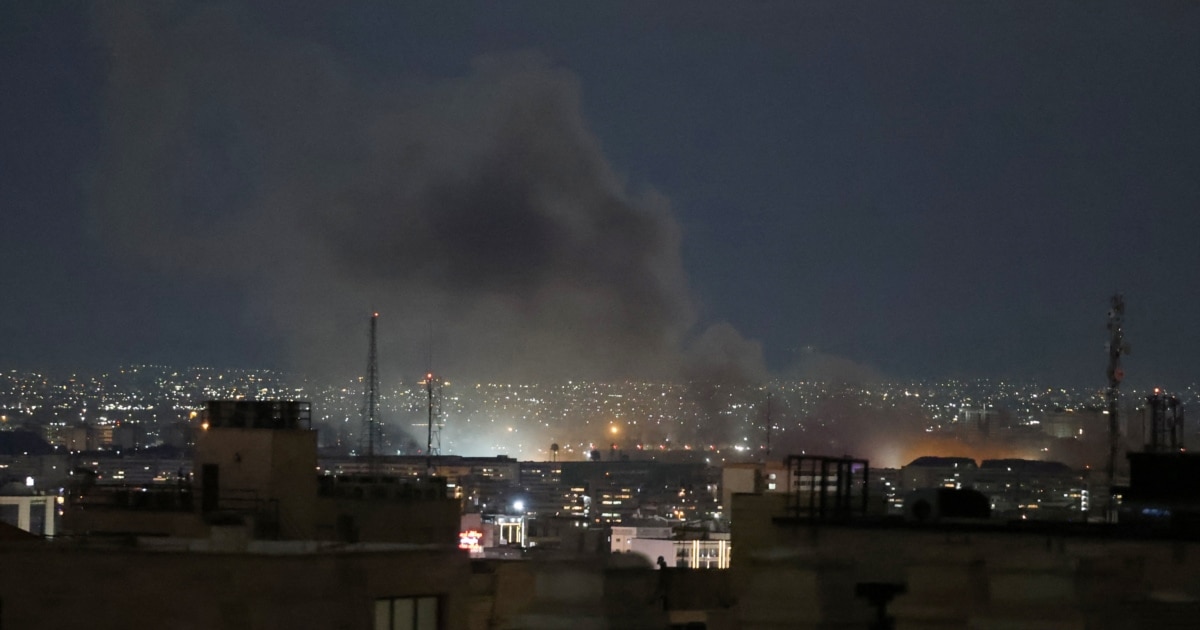
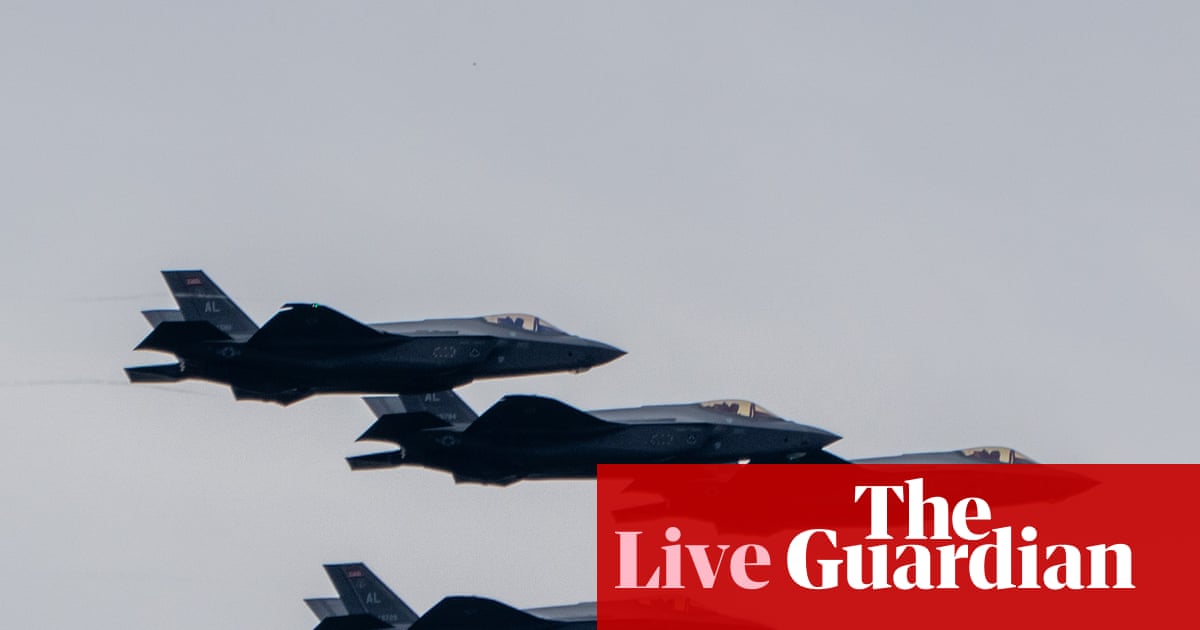
1 day agoMiddle East crisis live: US and Iranian forces race to recover missing pilot from downed jet; Israel bombards Beirut
The US-Iran conflict escalates with military actions, including downed aircraft and strikes on economic sites, impacting global energy supplies.
#gaza-humanitarian-crisis
Berlin food
fromwww.aljazeera.com
1 month agoUnder the shadow of the Iran war, Israel finds another way to punish Gaza
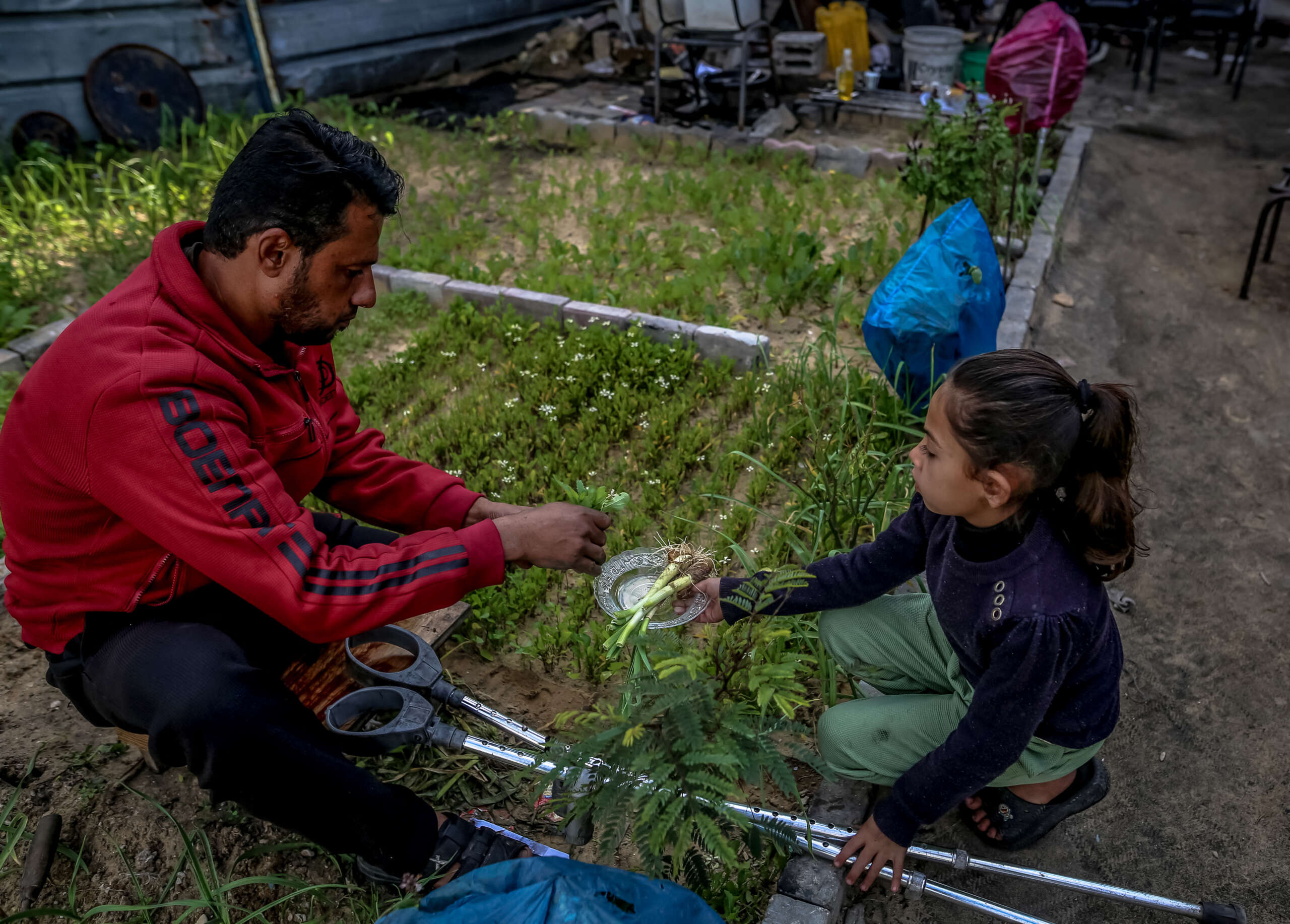
NGO restrictions and border closures in Gaza constitute collective punishment against Palestinians, preventing humanitarian aid distribution and causing food shortages and price inflation.

Berlin food
fromwww.aljazeera.com
1 month agoUnder the shadow of the Iran war, Israel finds another way to punish Gaza
NGO restrictions and border closures in Gaza constitute collective punishment against Palestinians, preventing humanitarian aid distribution and causing food shortages and price inflation.
World news
fromLondon Business News | Londonlovesbusiness.com
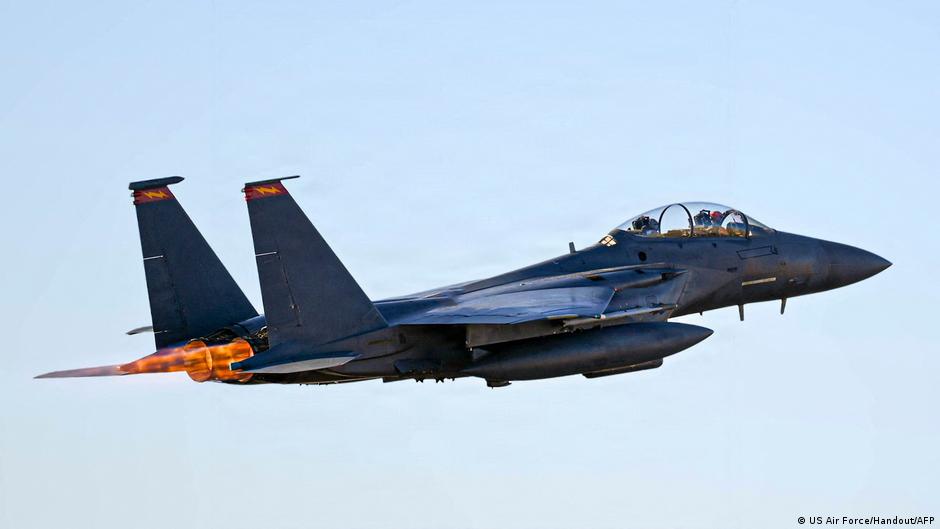
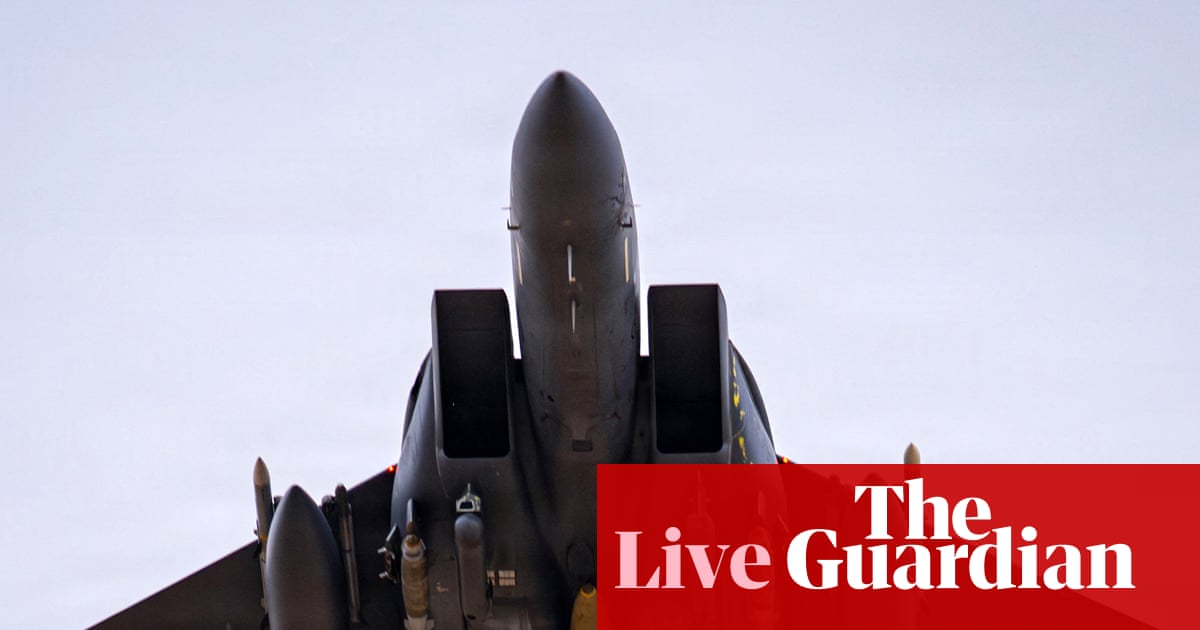
1 day agoFootage shows US fighter jet being shot down as Iran 'put bounty on pilots' - London Business News | Londonlovesbusiness.com
The search for a downed F-15E Strike Eagle intensifies in Iran amid escalating tensions between American and Iranian forces.
France politics
fromwww.aljazeera.com
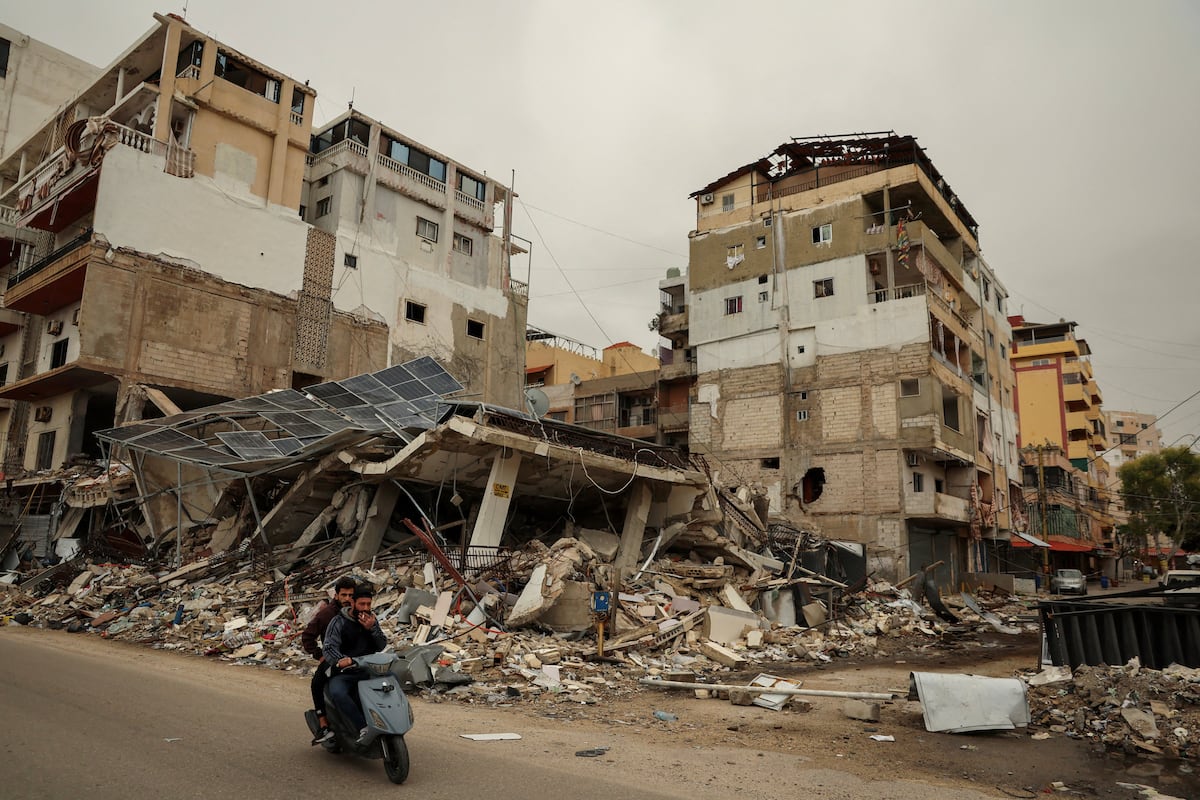
3 weeks agoIsrael destroys bridge in Lebanon and threatens Gaza-scale devastation
Israeli military strikes in Lebanon have killed 773 people since March, expanding attacks to Beirut neighborhoods and destroying civilian infrastructure including the Zrarieh Bridge, with warnings of Gaza-scale destruction.
France politics
fromLondon Business News | Londonlovesbusiness.com
1 month agoIsrael launches ground operation as the Middle East war widens - London Business News | Londonlovesbusiness.com
Israel launched simultaneous ground operations in southern Lebanon and airstrikes on Iranian military targets, marking a significant regional escalation focused on countering Hezbollah and Iranian threats.
World politics
fromwww.theguardian.com
1 month agoDisputes over Hamas disarmament threaten Gaza peace plan progress
Gaza peace negotiations stalled over Hamas disarmament sequencing, with Israel demanding immediate demilitarization and threatening renewed military action if conditions aren't met within 60 days.
#gaza-conflict
World news
fromwww.theguardian.com
3 weeks agoIsraeli-backed Palestinian militias step up operations against Hamas in Gaza
Pro-Israel Palestinian militias based in Israeli-controlled Gaza conduct raids and assassinations in Hamas territory, receiving Israeli logistic support and increasing their military operations despite regional conflicts.
fromwww.aljazeera.com
1 month agoHamas leader rejects disarmament while Israeli occupation of Gaza continues
Hamas's political leader abroad, Khaled Meshaal, has rejected calls to disarm Palestinian factions in Gaza, arguing that stripping weapons from an occupied people would turn them into an easy victim to be eliminated. Speaking on the second day of the Al Jazeera Forum in Doha on Sunday, Meshaal described the discussion around Hamas handing over its weapons as a continuation of a century-long effort to neutralise Palestinian armed resistance.
World politics
fromThe Nation
2 months agoA Ceasefire in Name Only
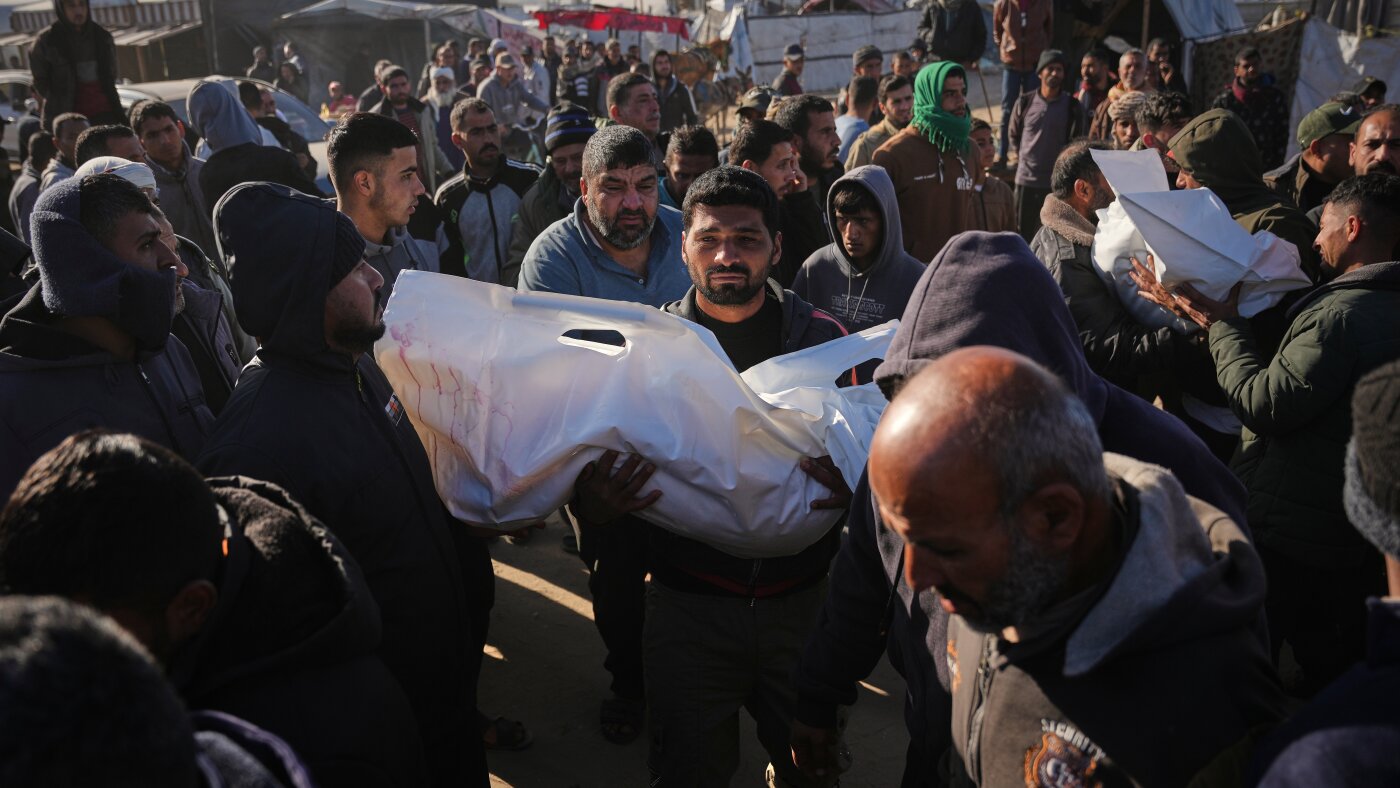
In October, Hamas and Israel signed a peace deal supposedly intended to stop two years of slaughter in Gaza. Since then, more than 420 Palestinians have been killed by Israeli fire-an average of about four people a day-in what international mediators continue to describe as a successful de-escalation. The distance between that official narrative and the facts on the ground reveals how the language of ceasefire has been repurposed: It no longer describes a pause in violence but rather a mechanism for managing it, sanitizing ongoing military force under the guise of restraint.
World politics
fromwww.dw.com
2 months agoUS says second phase of Gaza peace plan underway
Since then, both sides have accused the other of breaking the deal. Israel has continued to restrict aid into the strip and conduct attacks. The Gazan health ministry says more than 400 Palestinians have been killed since the ceasefire, and UNICEF announced this week that at least 100 of the victims were children. Israel says Hamas militants continue to be a threat and that its airstrikes in Gaza are targeting the group.
World news
[ Load more ]