#italian-sandwiches
#italian-sandwiches
[ follow ]
#italian-cuisine #comfort-food #cooking-tips #pasta #italian-american-cuisine #food-culture #flavor-enhancement


:max_bytes(150000):strip_icc()/TAL-florence-BUDGETITALY0524-831780e9cdfe40cb8eff46a25aab8c61.jpg)
#italian-deli
LA food
fromTasting Table
3 weeks ago100 Years Ago, This Italian Deli Began Its Rise As A Southern California Landmark - Tasting Table
Bay Cities Italian Deli & Bakery, founded in 1925 and located in Santa Monica since the 1970s, remains Los Angeles's oldest Italian deli with unchanged recipes and a legendary Godmother sandwich.


NYC food
fromTravel + Leisure
2 weeks agoI'm a New Yorker and I Travel to This U.S. State for the Best Pizza in the Country
New Haven's coal-fired pizza tradition transformed a lifelong pizza skeptic into an enthusiast through superior crust quality, charred texture, and authentic Italian tomato flavor.
Washington Nationals
fromDefector
2 weeks agoNobody's Having More Fun Than The Italians | Defector
The World Baseball Classic uses flexible nationality rules allowing players to represent countries through lineage and citizenship, creating amusing rosters like Team Italy's Italian-Americans defeating Team USA.
fromTasting Table
1 week agoThis Cocktail Staple Is The Secret To 'Amazing' Seafood Pasta, According To A Chef - Tasting Table
I use a lot of vermouth actually. Obviously it's a fortified wine and so therefore it has a lot of flavor. When I'm doing pastas, for example, I'm using white vermouth sometimes. If I'm doing a seafood pasta with clams, it's amazing. People are like, 'What's that flavor in there?'
Wine

Travel
fromTravel + Leisure
4 weeks agoThis Italian City Is the Birthplace of Lasagna-and It's Home to the World's Longest Covered Walkway
Bologna, a northern Italian city near Florence, is renowned for its medieval food heritage, oldest Western university, UNESCO-designated music scene, and vibrant culture centered on conviviality and shared meals.
fromTravel + Leisure
4 weeks ago10 Best Italian Cities for Food Lovers-and the Iconic Eats They're Known For
Italian food products and cuisine have infiltrated just about every corner of the globe, but nothing compares to trying classic Italian dishes at their source-and there's so much more than pizza, pasta, and gelato. Don't expect to find the same dishes on menus all over the country. From carbonara in Rome to the best street food in Palermo, each Italian region has its own recipes.
Berlin food
Silicon Valley food
fromAol
3 weeks agoThe Origin Story Of New York City's Notorious Italian Sub, The Bomb
The Bomb, a signature hero sandwich from Sal, Kris & Charlie's Deli in Queens, remains the most popular item decades after its creation from a customer's spontaneous request for a heavily-stacked sub.
fromTravel + Leisure
1 month agoThese Are the 10 Types of Restaurants You'll Find in Italy-and Why You Need to Know the Difference
Historically speaking, an osteria was a spartan, no-frills establishment where people would go to have a drink. The original osterias date all the way back to the Roman Empire. If you go to Ostia Antica or Pompeii, you find the osterias of the era. They were like bed-and-breakfasts, with rooms for rent above the dining room where people could listen to music.
Dining
fromApartment Therapy
1 month agoWhile Traveling in Italy, I Learned the Easiest Coffee Upgrade I Now Do Every Morning
On my last trip, in Bologna, I found yet another way to enjoy Italian coffee (beyond ordering a doppio). One memorable café topped its coffees with fruit powder-infused whipped cream. They were listed under a section on the menu appropriately named "caffe della gioia" (yes, "joy coffee"). These joyful mugs are topped with a generous mountain of whipped cream that can be folded with fruit- or nut powders, like pomegranate, pistachio, orange, wild berries, and aniseed.
Coffee
fromSilicon Canals
1 month agoGoodbye to tourist traps: the small towns locals say capture the real spirit of Italy - Silicon Canals
Last summer, I found myself in Venice during peak tourist season. The crowds were suffocating. Every piazza felt like a theme park, every restaurant seemed designed for Instagram rather than actual dining. Standing on the Rialto Bridge, packed shoulder to shoulder with thousands of other visitors, I couldn't help but wonder: is this really Italy? That question stayed with me long after I returned to London.
Travel


fromTasting Table
1 month agoThis Cheesy Italian Fried Dough Is One Of Florence's Favorite Street Foods - Tasting Table
This coccoli, which can be a street food or restaurant appetizer, is truly an icon in Florentine - a term that simply means "from Florence" - fare. The word "coccoli" translates literally to "cuddles," and these fried dough balls do indeed feel like warm little hugs. They're about the size of dumplings; served hot, they've got a crispy exterior to crack into - with just the right amount of grease - where you'll find both fluffiness and chewy doughy-ness all at once.
Food & drink
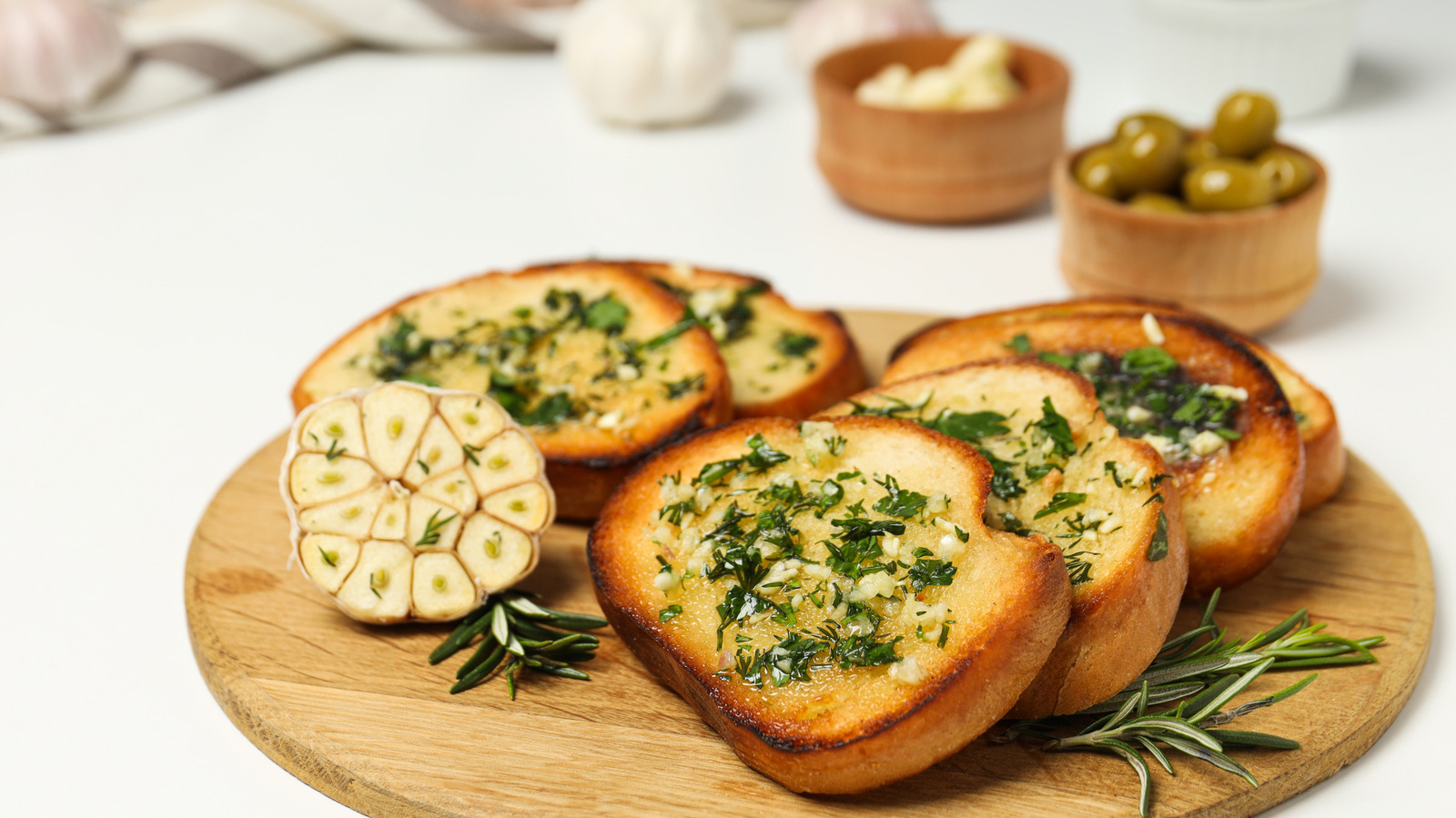
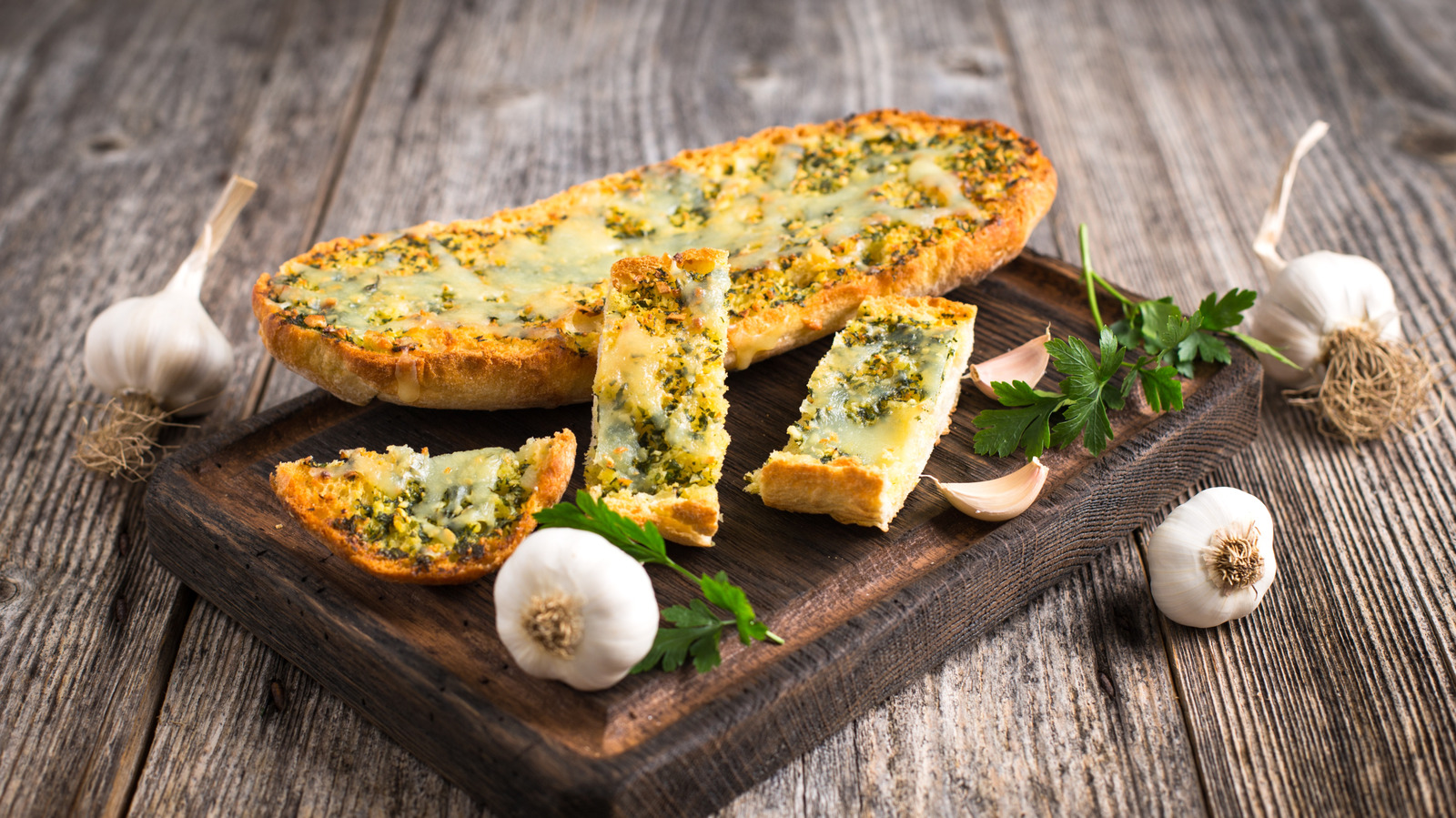
fromTasting Table
2 months agoWhere To Find The 14 Best Italian Subs In The US, According To Reviews - Tasting Table
A truly great Italian sub is something of an art form. Done wrong, and they can be overly oily and way too soggy, and without proper layering, proportions, and prepared ingredients, they can be so hard to eat. But done right, they're amazing. A truly great Italian sub is one that prioritizes an acidic flavor profile, and there's also an unbreakable meat rule that makes Italian subs the real deal: Thinly sliced meats are key.
Food & drink


Cooking
fromApartment Therapy
1 month agoFor the Most Flavorful Italian Spaghetti Sauce, I Always Add 2 Tablespoons of This to the Pot
Pickled hot cherry peppers provide spicy, slightly sweet, and tart flavor that elevates spaghetti sauce, making them a jarred pantry staple for arrabbiata-style dishes.
[ Load more ]