#jama-pediatrics
#jama-pediatrics
[ follow ]
#vaccine-policy #childhood-vaccination #public-health #child-development #childhood-immunization #vaccination
fromTODAY.com
3 days agoThese Are the 2 Most Dangerous Home Cleaning Products to Have Around Kids, New Research Shows
"What surprised me is we are still seeing so many visits to emergency departments associated with very common household cleaning products," Lara McKenzie, Ph.D., stated, emphasizing the ongoing issue despite safety advancements.
Public health
#gender-affirming-care


LGBT
fromLGBTQ Nation
2 weeks agoDr. Oz pressured medical orgs to abandon support for youth gender-affirming care - LGBTQ Nation
Dr. Mehmet Oz, head of CMS, met with major medical organizations during winter to discourage endorsement of gender-affirming care for transgender youth, influencing the AMA and ASPS to reverse their previous support.

fromThe Atlantic
2 weeks agoI Remember a World Without Vaccines
I am open-minded; I believe in integrative practices, and I agree that the medical establishment can be arrogant and unduly influenced by the pharmaceutical industry, which now funds so much of medical research. But I fully understand Scherer's frustration with his interminable discussions with Kennedy about scientific articles.
Coronavirus
Public health
fromFortune
2 weeks agoIt's not just vaccines. Parents are refusing other routine preventive care for newborns-even protection from severe bleeding and blindness | Fortune
Rising skepticism and anti-science sentiment are leading to increased refusals of vitamin K shots and other preventive care for newborns.
fromScary Mommy
3 weeks agoWhen Kids Get Sick, Working Moms Do The Impossible Math
A Genexa survey of 1,000 U.S. moms found that 70% use their own sick days to stay home when their child is ill, and 58% work from home while caregiving. In other words, many of us are doing the same impossible math: caring for sick kids while trying to keep our work lives moving.
Parenting
Public health
fromwww.theguardian.com
2 weeks agoOfficials missed 99% of data' on Covid vaccines before making recommendation, memos reveal
Internal memos used to end Covid vaccine recommendations for pregnant people and children overlooked hundreds of studies, prioritizing ideology over evidence-based decision-making.
Medicine
fromSlate Magazine
3 weeks agoAt 42, With Three Young Kids, I Got a Diagnosis That Would Have Me Dead in a Year. That Was Somehow Just the Beginning.
A 42-year-old man was diagnosed with cholangiocarcinoma, a rare and aggressive bile duct cancer with a 10% five-year survival rate, after initially presenting with jaundice symptoms.
#measles-outbreak
Public health
fromwww.npr.org
3 weeks agoAs the risk of measles grows, why are parents so divided on vaccines?
Measles outbreak in Spartanburg County, South Carolina has reached nearly 1,000 cases due to vaccination rates falling below the 95% threshold needed for community protection, threatening the U.S. elimination status achieved in 2000.
fromwww.scientificamerican.com
3 weeks agoFirst-of-its-kind vaccine protects children from deadly intestinal infections
In children below the age of five, whose immune systems are still developing, the infections can lead to malnourishment; they cause up to 42,000 deaths annually. Soon there may be a vaccine to protect against these infections. In the Lancet Infectious Diseases last month, scientists shared the results of the first study to evaluate the safety and efficacy of an ETEC-controlling vaccine in a large pediatric population in Gambia.
Public health




fromPsychology Today
2 months agoTo Medicate or Not To Medicate Your Child or Teenager
Every day, many thousands of parents across the U.S. face the difficult question of whether to place their child or teenager on a psychotropic medication. Receiving a diagnosis of a mental disorder can be scary and confusing, for the youth as well as their parents/caretakers. What is ADHD? Depression? Anxiety? OCD? Bipolar? What are the available treatments? Do we have to use medications to treat the symptoms?
Mental health
fromwww.independent.co.uk
2 months agoHere's what to know about the UK's new childhood vaccination schedule
Whether it's investigating the financials of Elon Musk's pro-Trump PAC or producing our latest documentary, 'The A Word', which shines a light on the American women fighting for reproductive rights, we know how important it is to parse out the facts from the messaging. At such a critical moment in US history, we need reporters on the ground. Your donation allows us to keep sending journalists to speak to both sides of the story.
US politics
fromScary Mommy
1 month agoStudy Finds Parents Are Right 90% Of The Time When They Suspect Serious Illness
You know that parental instinct when something just isn't quite right with your child? You text your mom friends and gut check with your partner, but you don't think you're being anxious - something might really be wrong. Well, odds are your instinct could be spot-on: A new study published in the JAMA Network found that parents were right 9 times out of 10 when they suspected their child was seriously ill or injured.
Medicine
fromwww.bbc.com
1 month agoParents of gravely ill child refused respite care
It is really, really hard. He said the family had 'cried and begged for help' in meetings at home. 'Does our family unit have to break down? Does it have to get to a point where we no longer sustain this and then they'll step in and give you support? Because right now that's where we're at. We don't have any alternatives. If grandparents were an option, we'd already be doing it.'
Public health
fromPsychology Today
1 month agoAre We Overmedicating Our Children?
Are we overmedicating our children? My answer is yes. But not for the reason most people assume. The overmedication of children is not a story about reckless doctors or careless parents. It is not an argument against psychiatric medication. I prescribe medications to children and adolescents regularly, and I have seen them reduce suffering and save lives. The real problem lies elsewhere:
Mental health
LGBT
fromLGBTQ Nation
1 month agoA second major medical org has walked back support for gender-affirming care for youth - LGBTQ Nation
The American Medical Association now recommends generally deferring surgical gender-affirming interventions for minors while continuing support for puberty blockers and hormone therapy.
fromPsychology Today
2 months agoChildren's Mental Health in the US: An Outsider's View
The Missing Social Unit From middle school onward, American children don't belong to a "class" in any stable sense. They move continuously - subject to subject, room to room, teacher to teacher. There's extensive discourse around respect, equity, and inclusion. But there's remarkably little structured attention to the actual social life of any group. Because there isn't really a group.
Education
Parenting
fromSlate Magazine
2 months agoMy Friend Has Been Sucked Into One of the Darkest Groups in the Parenting Community. I Can't Stand By Her.
A four-month postpartum mother exhibiting isolation, sleep deprivation, and anti-vaccine behavior may be experiencing postpartum depression that affects parenting and decision-making.







fromTruthout
2 months agoCDC Slashes Vaccine Recommendations for Children, Alarming Health Experts
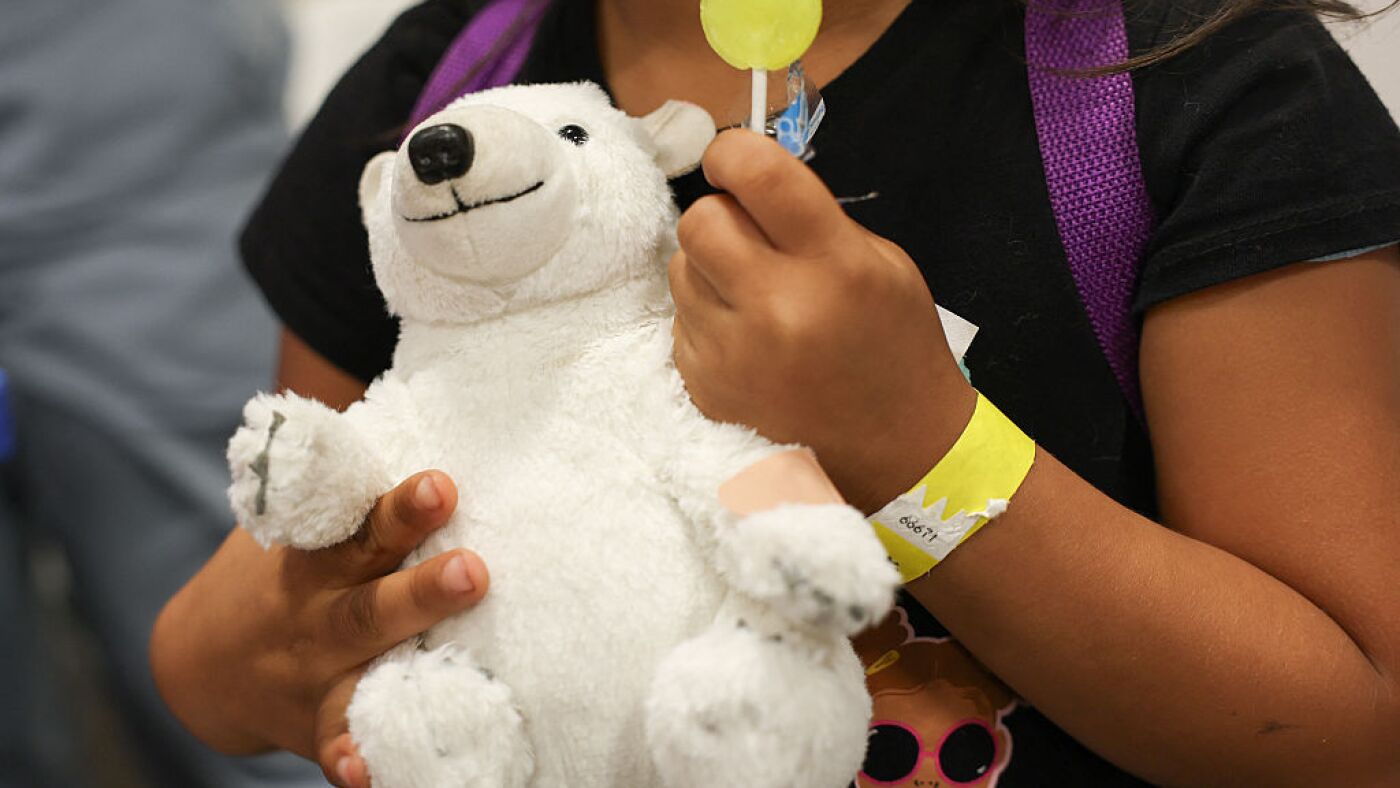
The Centers for Disease Control and Prevention (CDC) announced on Monday that it is reducing the number of vaccinations it is recommending for young children, immediately dropping the number of diseases and ailments covered by the vaccine regimen from 17 to 11. States are technically the authority on what vaccines children should or are required to get when they are born and in the years beyond. But the CDC recommendation is very influential in what vaccines officials end up choosing.
Public health

fromwww.aljazeera.com
2 months agoAlarms raised as Trump's CDC cuts number of suggested vaccines for children
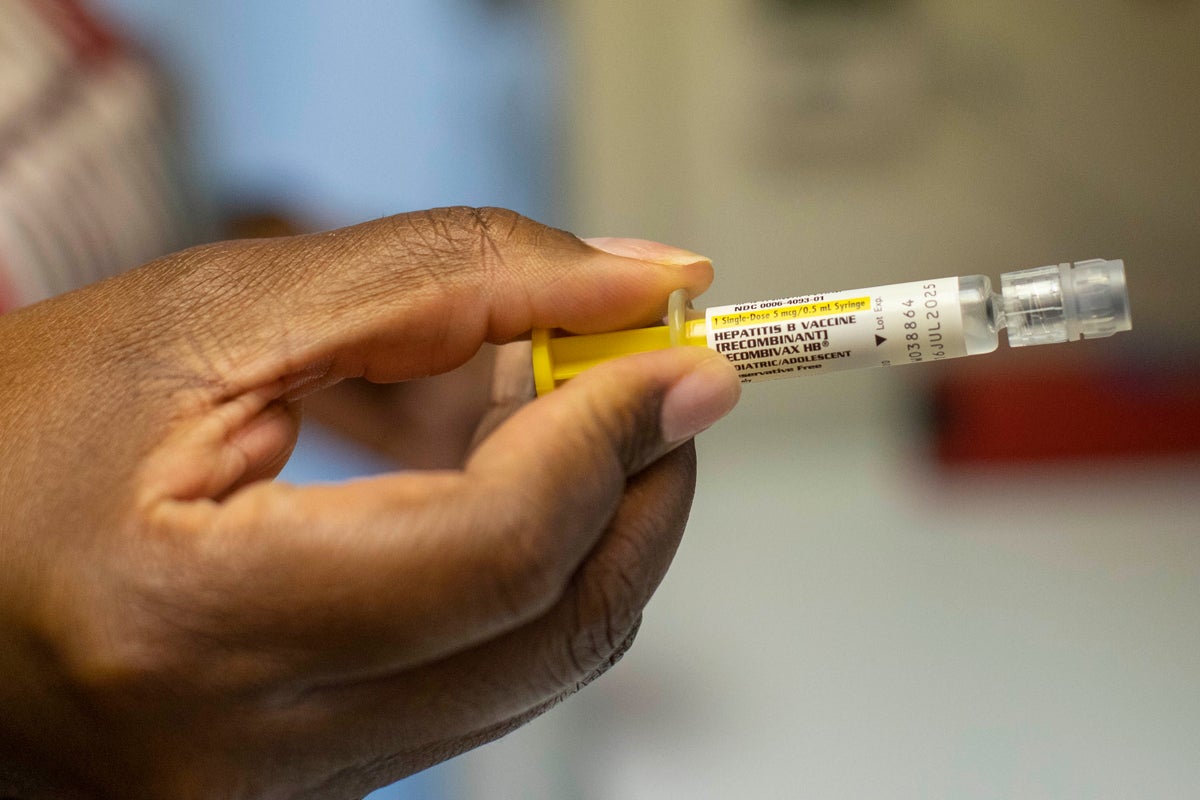
Monday's sweeping decision, which advances the agenda of Trump-appointed Secretary of Health Robert F Kennedy Jr, removes the recommendation for rotavirus, influenza, meningococcal disease and hepatitis A vaccines for children. list of 3 itemsend of list It comes as US vaccination rates have been slipping, and the rates of diseases that can be protected against with vaccines, such as measles and whooping cough, are rising across the country, according to government data.
Public health

fromwww.amny.com
2 months agoCDC Updates Childhood Vaccine Schedule: Here's What NYC Parents Should Know amNewYork
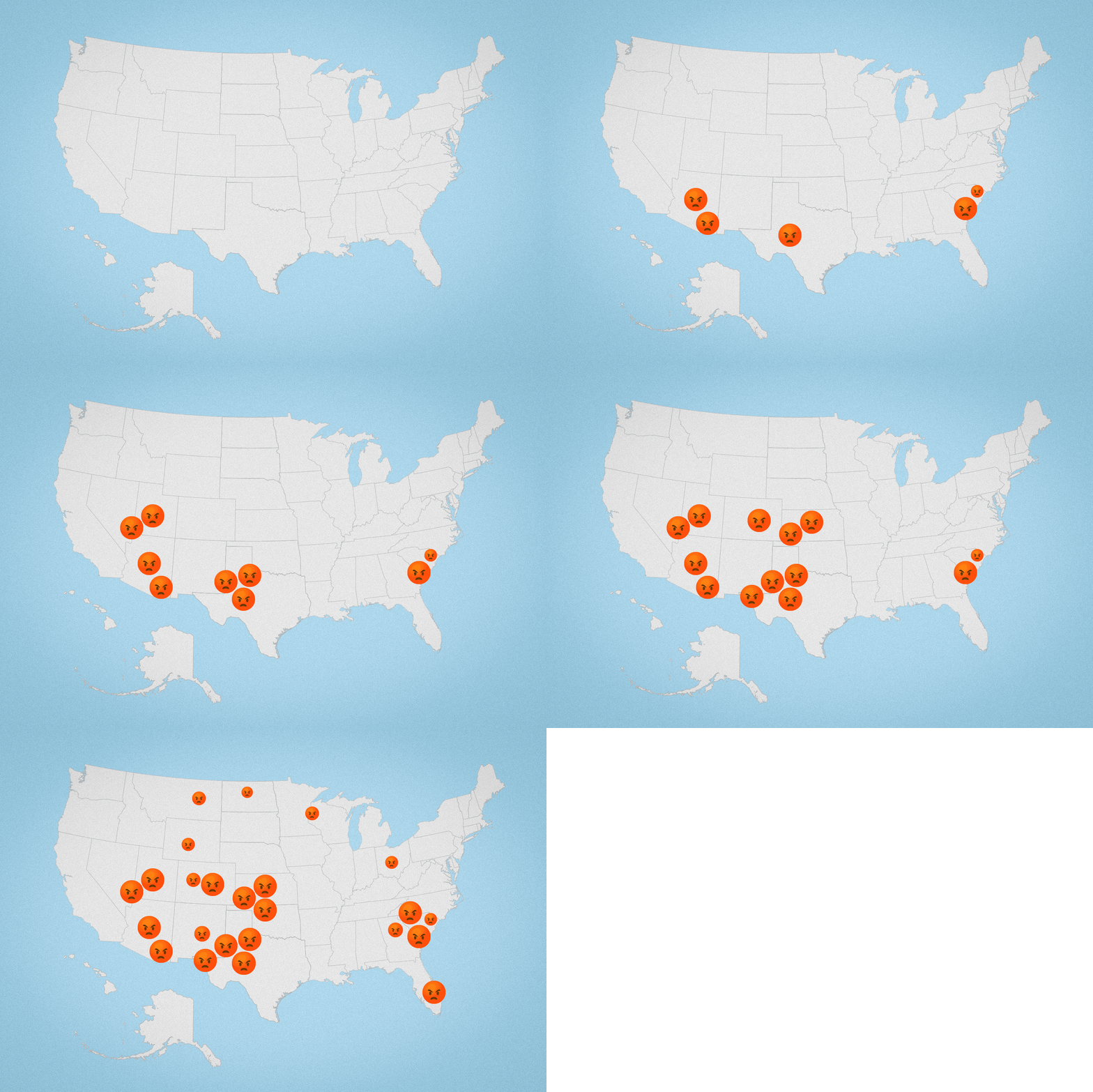
The Centers for Disease Control (CDC) has updated its vaccine recommendations, and it's quite different from the existing vaccination schedule. The biggest change is that fewer vaccines are now recommended for all children. The routine list went from 17 down to 11. Psst Check Out 3 New Health Care Laws: Here's What's Covered for New Yorkers The other vaccines aren't completely gone. Some will be recommended for kids who are at higher risk, and some will also be available to all kids
Public health
fromLos Angeles Times
2 months agoHealth department slashes number of diseases U.S. children will be regularly vaccinated against
Under the new guidelines, the U.S. still recommends that all children be vaccinated against measles, mumps, rubella, polio, pertussis, tetanus, diphtheria, Haemophilus influenzae type B (Hib), pneumococcal disease, human papillomavirus (HPV) and varicella, better known as chickenpox. Vaccines for all other diseases will now fall into one of two categories: recommended only for specific high-risk groups, or available through "shared clinical decision-making" - the administration's preferred term for "optional."
Public health
fromNature
1 month agoWhat drugs are safe during pregnancy? There's a shocking lack of data
In 2021, amid the COVID‑19 pandemic, Kristin Wall became pregnant with her second child. Her physician told her that little was known about the COVID-19 vaccine's safety and effectiveness in pregnant people. Observational data - collected from those vaccinated before they knew that they were pregnant - suggested that the vaccine was safe, so she could have it. Still, she'd have to weigh up the risks and benefits herself.
Public health
Public health
fromHuffPost
2 months agoNew Study Says Kids Who Get Phones Before This 1 Particular Age Are More Likely To Develop Concerning Health Risks
Smartphone ownership by age 12 is linked to higher risks of depression, obesity, and poor sleep, with earlier phone introduction worsening obesity and sleep problems.
[ Load more ]