#japan-energy-security
#japan-energy-security
[ follow ]
#iran #energy-crisis #oil-prices #strait-of-hormuz #middle-east-conflict #energy-security #renewable-energy
fromwww.theguardian.com
12 hours agoThe Guardian view on Japan's hidden century: cheap money, global risk | Editorial
The Bank of Japan's loose monetary policy has turned the yen into the world's cheapest and most reliable funding currency, creating a publicly subsidised funding pipeline for bankers.
World politics
fromSilicon Canals
9 hours agoJapan is deploying robots not to replace workers but because there's no one left to hire - Silicon Canals
Japan's push into AI-powered robotics is driven less by competitive ambition than by demographic arithmetic. The country's population declined for a 14th consecutive year in 2024, with working-age citizens comprising just 59.6% of the total population.
Artificial intelligence


from24/7 Wall St.
10 hours agoIran Wars Fuels RTX Growth Story as Defense Demand Rockets Higher
CEO Chris Calio emphasized the urgency of delivering critical products for national security, stating, 'We understand that our products are critical to national security. And I can tell you across the organization, we absolutely feel the responsibility and urgency to deliver more and to deliver it faster.'
Business
#us-foreign-policy
SF politics
fromFortune
19 hours ago'It's shocking how poorly prepared the administration is': DOGE gutted major energy personnel who warn the U.S. has lost key insights amid Iran war | Fortune
The Trump administration's cuts to the Bureau of Energy Resources hindered U.S. energy diplomacy during escalating tensions with Iran.
fromSilicon Canals
21 hours agoThis isn't 2022: Why the Iran oil shock hits a US economy with no SPR buffer and no Fed room - Silicon Canals
The CPI data due this month will be the first hard measure of American consumer prices since the Strait of Hormuz became a conflict zone, and every early signal points to a number that will shock people who stopped paying attention to energy transmission mechanisms after 2022.
US politics
fromFortune
3 days agoCountries are turning to 'structurally more resilient' energy sources as oil and gas crisis deepens, UN renewables chief says | Fortune
"A more decentralized energy system, with a growing share of renewables and more market players, is structurally more resilient. Countries that invested in the energy transition are weathering this crisis with less economic damage, as they boost energy security, resilience and competitiveness."
Environment



#strait-of-hormuz

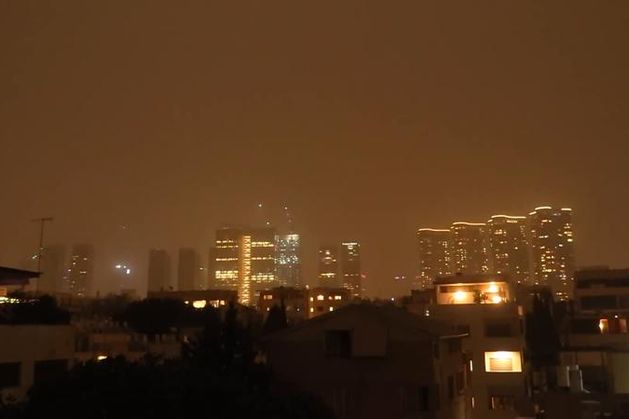
World news
fromIrish Independent
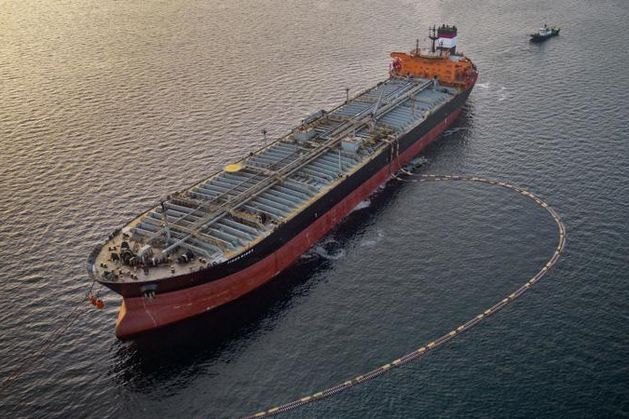
2 days agoEU warns it's 'preparing for worst scenarios' and assessing 'all possibilities' including fuel rationing as energy crisis deepens
Tehran plans to charge for passage through the Strait of Hormuz, aiming to ensure safe navigation amid rising tensions with the US.

Europe news
fromFortune
1 day agoEuropean ministers urge EU to impose windfall taxes on energy companies as prices spike 'to ensure that this burden is distributed fairly' | Fortune
European finance ministers are urging a bloc-wide windfall tax on energy companies to address rising oil and gas prices and inflation concerns.
#coal
Environment
fromwww.theguardian.com
4 days agoAsia ramps up use of dirty fuels to cover energy shortfall triggered by Iran war
Asian governments are increasing coal use to address energy shortages caused by geopolitical conflicts, raising environmental concerns and calls for renewable energy investment.

Environment
fromwww.theguardian.com
4 days agoAsia ramps up use of dirty fuels to cover energy shortfall triggered by Iran war
Asian governments are increasing coal use to address energy shortages caused by geopolitical conflicts, raising environmental concerns and calls for renewable energy investment.
World news
fromFortune
4 hours agoOil climbs and stock futures drop as fuel shortages spread while Trump makes series of apocalyptic threats against Iran ahead of moving deadline | Fortune
Wall Street reacts to ongoing U.S.-Iran conflict with fluctuating stock futures and rising oil prices amid threats from President Trump.

World news
fromIrish Independent
22 hours ago'Tuesday will be power plant day and bridge day' - Donald Trump says US will target Iran's infrastructure this week
A US service member missing after an Iranian attack has been rescued, according to Donald Trump, who confirmed the individual is injured but recovering.
fromwww.aljazeera.com
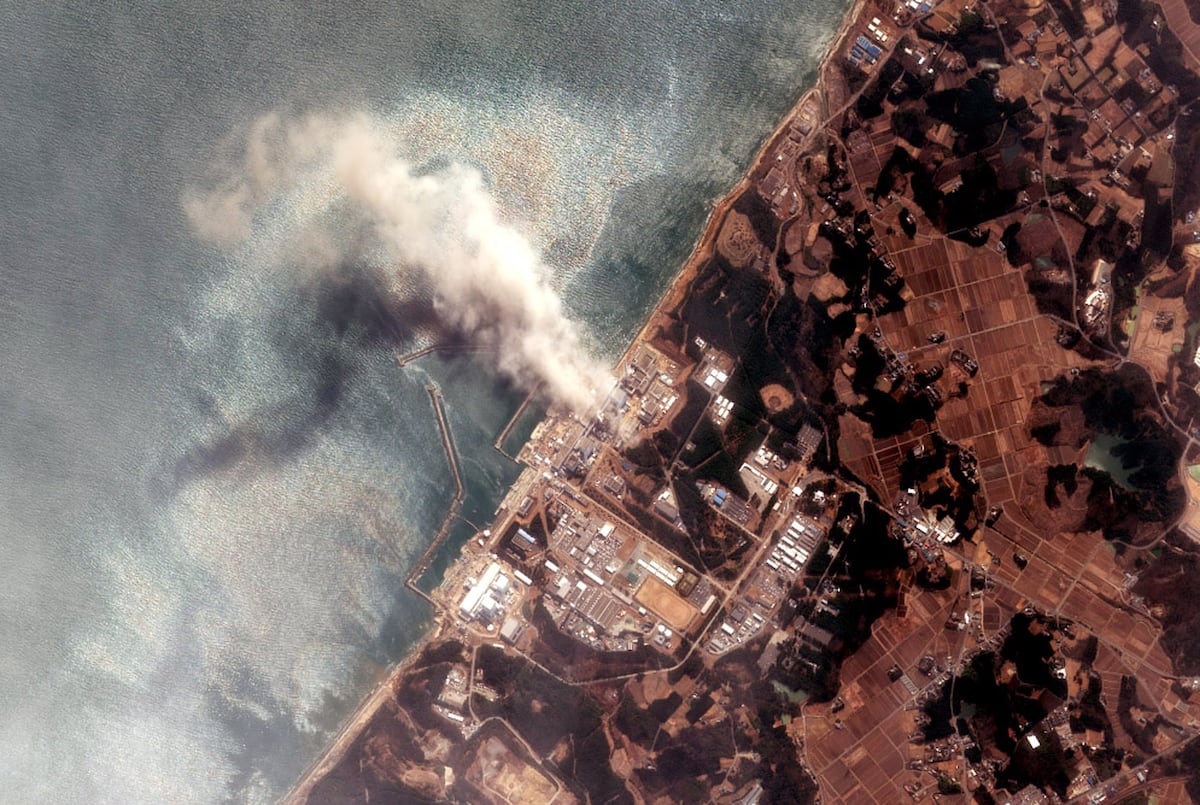
2 days agoHow war on Iran turned Pakistan's LNG surplus into a looming shortage
At the start of this year, Pakistan had more imported liquefied natural gas (LNG) than it could use, with demand falling from a peak of 8.2 million tonnes in 2021 to 6.1 million tonnes by late 2025. The government sold excess gas shipments to other countries and shut down domestic gas wells to prevent pipelines from bursting under oversupply.
World news
fromwww.theguardian.com
1 week agoPhilippines declares national energy emergency' and boosts coal power as Iran war grinds on
The state of national energy emergency is declared in light of the ongoing conflict in the Middle East, posing an imminent danger to the availability and stability of the country's energy supply.
World politics
fromwww.aljazeera.com
6 days agoG7 ready to take necessary measures' to ensure energy market stability
We stand ready to take all necessary measures in close coordination with our partners, including to preserve the stability and security of the energy market, said the G7 in a statement after a teleconference.
World news
fromAxios
6 days agoTrump threatens to "obliterate" Iran's energy and water infrastructure
"But if for any reason a deal is not shortly reached, which it probably will be, and if the Hormuz Strait is not immediately 'Open for Business' we will conclude our lovely 'stay' in Iran by blowing up and completely obliterating all of their Electric Generating Plants, Oil Wells and Kharg Island..."
World news
fromThe Nation
1 month agoJapan's New Climate Bomb-in the US
Four years ago, The Guardian published a landmark expose in climate journalism that detailed a coming "carbon bomb" of oil and gas projects. Damian Carrington and Matthew Taylor reported that the projects included plans to explore for, drill, frack, refine, and transport enough additional oil and gas to equal 10 years of China's planet-warming emissions.
Environment
fromwww.aljazeera.com
2 weeks agoJapan begins release of oil reserves as Iran war sparks energy crisis
Japan has begun releasing oil from its emergency reserves amid the global energy crisis sparked by the effective closure of the Strait of Hormuz by Iran in response to US-Israeli attacks. The release was announced on Monday in a notice published in the Japanese government's official gazette.
World news


World news
fromwww.theguardian.com
3 weeks agoAsia scrambles to confront energy crisis unleashed by Iran war with no end in sight
The closure of the Strait of Hormuz threatens global oil supplies, with Asia facing severe crude import disruptions as Middle Eastern producers reduce output and emergency reserves deplete.
fromwww.theguardian.com
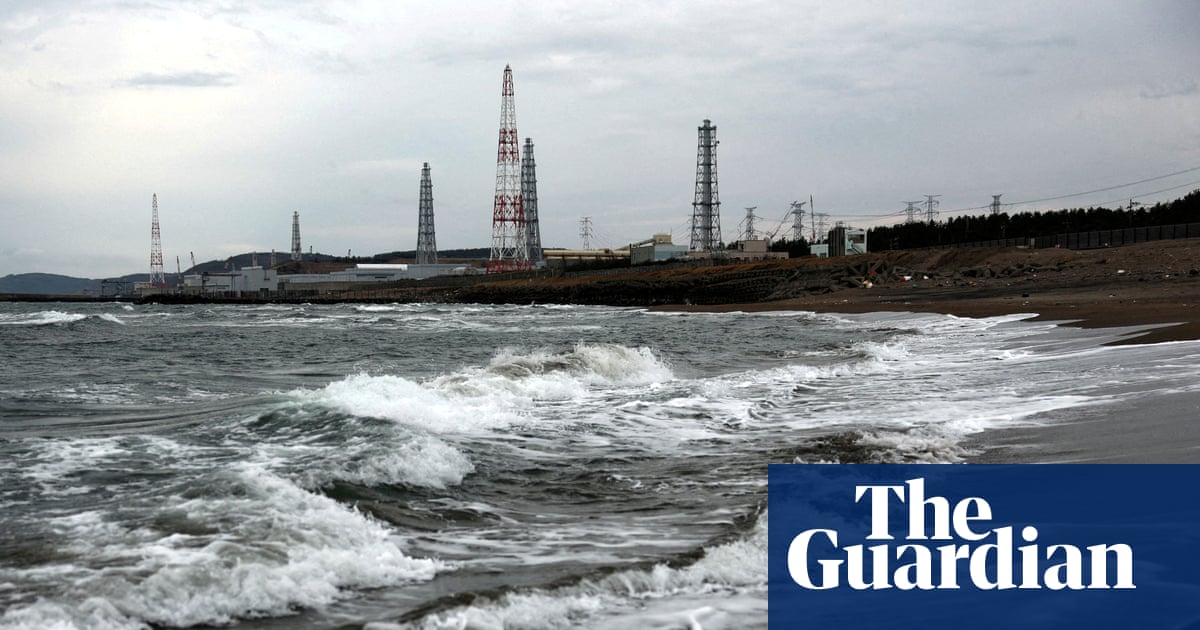
2 months ago15 years after Fukushima, Japan prepares to restart the world's biggest nuclear plant
The activity around the Kashiwazaki-Kariwa nuclear power plant is reaching its peak: workers remove earth to expand the width of a main road, while lorries arrive at its heavily guarded entrance. A long perimeter fence is lined with countless coils of razor wire, and in a layby, a police patrol car monitors visitors to the beach one of the few locations with a clear view of the reactors, framed by a snowy Mount Yoneyama.
World news
[ Load more ]