#japanese-metabolism
#japanese-metabolism
[ follow ]
#japan #japanese-cuisine #matcha #travel #flavor-enhancement #umami #sushi #sustainability #instant-ramen
fromwww.businessinsider.com
1 day agoA doctor shares 3 simple healthy aging habits from Norway, an underrated longevity hotspot
Norwegians are a great lens to teach us about some healthy longevity practices. The Norwegian diet is a significant factor. It's been described as the cold-weather cousin to the Mediterranean diet.
Wellness
fromwww.theguardian.com
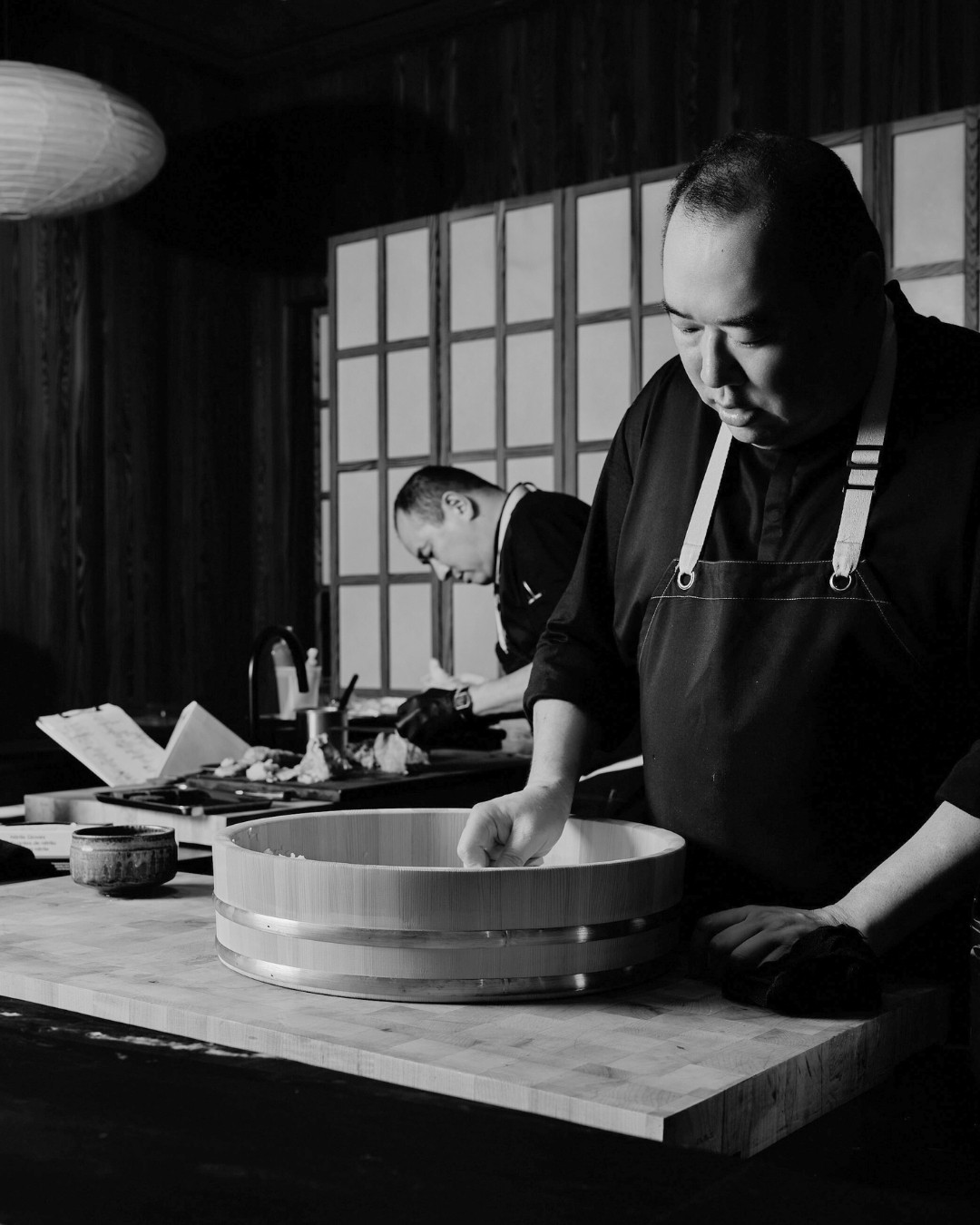
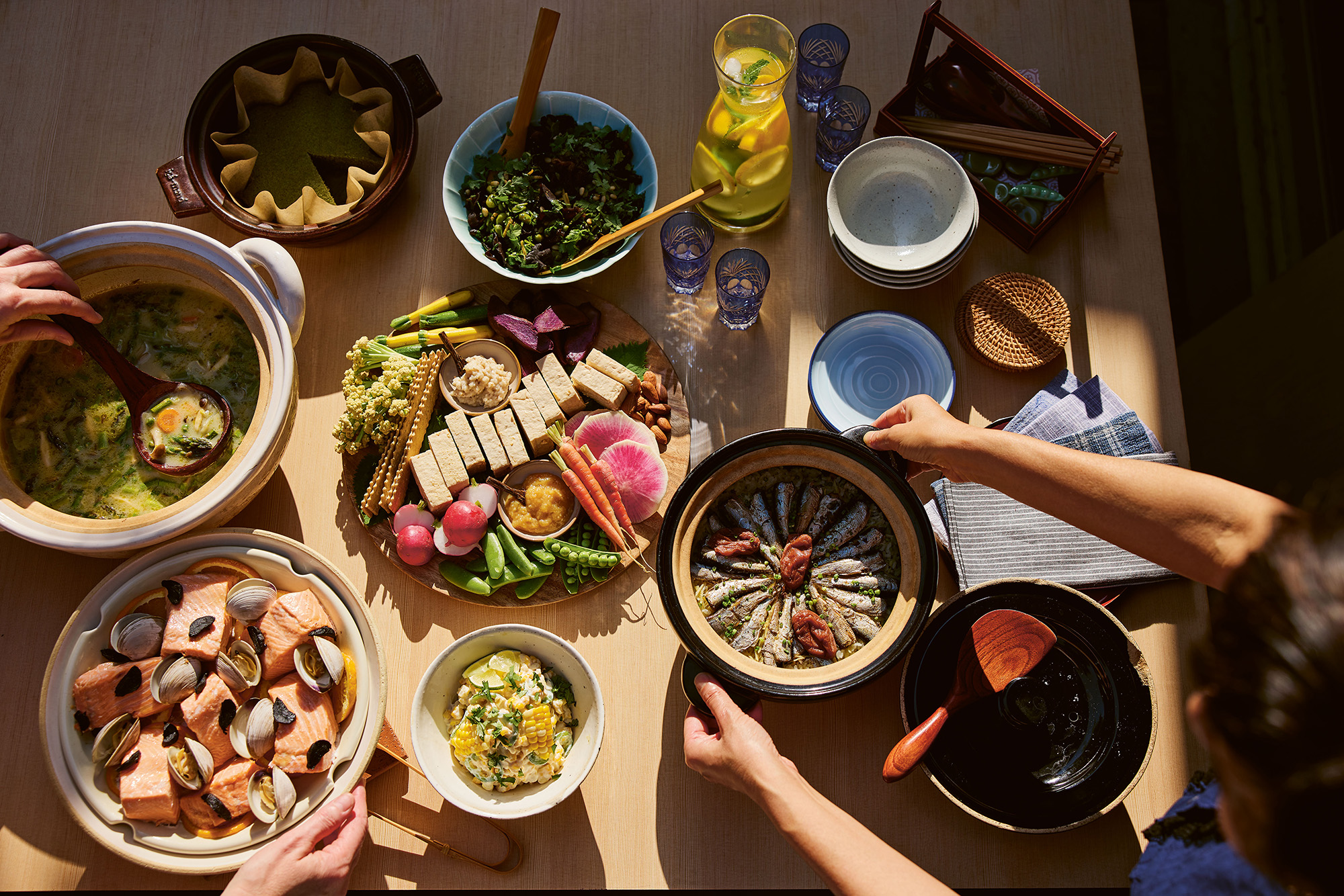
4 days agoEndo dreams of sushi: a trip around Japan with one of the world's greatest chefs
Endo Kazutoshi was on the train to Paris when he heard about the fire that had destroyed his restaurant, Endo at the Rotunda, located on the eighth floor of the Helios building. The fire had started on a terrace and quickly spread, affecting the dining room and kitchen, built mostly from 200-year-old hinoki wood.
London food
:max_bytes(150000):strip_icc()/TAL-kyoto-japan-SAFESTTRAVASIA1225-c29c2a08507841ceb998b9b582b18223.jpg)
East Bay food
fromTravel + Leisure
1 week agoThis Japanese City Invites You to Savor Its Food, Neon Lights, and Lively Spirit-Here's What Makes It the 'Kitchen of Japan'
Osaka offers a vibrant atmosphere with delicious food, friendly locals, and easy access to nearby cities, making it ideal for first-time visitors.



fromIndependent
1 week agoEveryone's talking about: The ?'Chinese baddie' diet - what is it and does it improve digestion and banish bloating?
The 'Chinese baddie' diet trend on TikTok humorously highlights various traditional Chinese wellness practices, sparking interest in alternative health approaches among users.
Wellness
NYC food
fromTime Out New York
3 weeks agoThis amazing Japanese street food festival is coming back to NYC with over 30+ culinary events
JAPAN Fes, NYC's beloved street food festival, celebrates its 10th anniversary with 34+ events across the city starting March 28, 2026, featuring Japanese vendors and cuisine.
fromTasting Table
3 weeks agoHere's How Long Instant Ramen Is Actually Good For - Tasting Table
While some instant ramen can last up to two years, as a general rule of thumb, ramen products are dated six to 12 months out for best quality. Expiration dates are often generated through shelf-life studies conducted by food companies to determine how long dry goods retain their quality. This means sensory attributes, such as texture, taste, and smell.
SF food
Dining
fromFood & Beverage Magazine
3 weeks agoExperience Kaiseki and Art at Hanasanshou, Tokyo
Hanasanshou on the 25th floor of Park Hotel Tokyo combines kaiseki cuisine with contemporary art, using seasonal ingredients, premium dashi from Hokkaido kelp, and meticulous hospitality to create an authentic umami-rich dining experience.
fromEater
1 month agoThis Is What You Get When Japanese and Italian Food Collide
Living in Japan in the early 2000s, Fralick fell in love with an Italian restaurant in the city of Shizuoka, where he ate Italian food, but with Japanese influences, like pastas made with uni and the fermented soybeans known as natto. "It really reminded me of home," says Fralick, who grew up in upstate New York and started his cooking career in Italian fine dining.
Food & drink
Travel
fromElite Traveler
1 month agoThe Japanese Island You're Not Visiting (But Should Be)
Hokkaido, Japan's northernmost prefecture, offers pristine nature, luxury accommodations, and cultural experiences with fewer tourists than popular destinations, undergoing rapid transformation with new luxury hotel openings.
fromBusiness Insider
1 month agoI didn't learn 'Chinamaxxing' on TikTok - my Chinese mom taught me. Here are 4 habits I still swear by.
The viral trend - where people share Chinese lifestyle hacks, from wearing red for luck during Lunar New Year to banning outdoor shoes indoors - felt like watching the world embrace the culture I grew up with. Around the same time, another phrase was everywhere: "You met me at a very Chinese time in my life." The line went viral after Hong Kong-born stand-up comedian Jimmy O Yang posted a video of himself singing the well-known Chinese song "Yi Jian Mei" on Instagram in November, with those words splashed across the screen.
Digital life
Social media marketing
fromBusiness Insider
1 month agoHot water, boiled apples, and Qigong: Why some Americans are going all in on 'Chinamaxxing'
American TikTok users are adopting Chinese lifestyle habits and traditions in a trend called 'Chinamaxxing,' reflecting China's growing soft power influence among Western youth.
Cooking
fromYanko Design - Modern Industrial Design News
1 month ago7 Best Japanese Kitchen Gadgets & Tools So Clever They Make Every Meal Feel Like a Ceremony - Yanko Design
Japanese kitchenware prioritizes single-purpose precision and minimalist design over multifunctionality, with tools refined through centuries of regional manufacturing expertise that create superior cooking performance.
Coffee
fromYanko Design - Modern Industrial Design News
1 month ago6 Camping Mugs From Japan That Make Coffee Taste Better (Science Says So) - Yanko Design
Japanese ceramic mugs enhance coffee experience through superior heat retention, neutral flavor profiles, and handcrafted design that influences taste perception and creates intentional ritual.
fromConde Nast Traveler
1 month agoIn Snow-Covered Sapporo, Eating Prized Seafood and High-End Tempura
Fall's scarlet and gold was fading from the mountains around Sapporo as I sat with a small group around a heavy wood table with a charcoal grill in the center. We watched a chef cook channel rockfish over the coals. This northern Japanese delicacy is cherished for its meltingly sweet flesh, which takes on a light pink color because of the species' shrimp-heavy diet.
Food & drink


Gadgets
fromYanko Design - Modern Industrial Design News
2 months ago8 Best Japanese Kitchen Gadgets & Tools That Make Cooking Feel Zen - Yanko Design
Japanese kitchen design prioritizes minimalist, intentional tools that transform cooking into a deliberate, satisfying ritual through refined form, material, and function.
Psychology
fromSilicon Canals
1 month agoThe Japanese concept that explains why chasing happiness makes you miserable - Silicon Canals
Ikigai emphasizes purpose-driven living over pursuing fleeting happiness, reducing anxiety by focusing on meaningful daily activity rather than constant pleasure-seeking.
Remodel
fromdesignboom | architecture & design magazine
2 months agodesigned for a retired couple, nani house embraces ageing rituals with slow living warmth
Nani House prioritizes slow living, accessibility, and emotional continuity, creating light-filled, fluid spaces that blend interior and exterior for graceful ageing.
fromTasting Table
2 months ago10 Foods And Drinks Where Country Of Origin Actually Matters - Tasting Table
Country of origin labeling became mandatory on all international products entering the United States in 2009. The goal was to ensure American consumers knew where the products they were buying came from, enabling shoppers to make informed buying decisions. These products include everything from Mexican avocados to French wine to pasta from Italy, with the latter thankfully safe from recent U.S. tariffs. However, does the location a product comes from actually matter?
Wine
Design
fromYanko Design - Modern Industrial Design News
1 month ago5 Sushi-Inspired Designs For Japanese Product Fans That Look So Realistic You'll Want to Eat Them - Yanko Design
Sushi exemplifies minimalist design—clarity, precision, and restraint guide creators to prioritize essential elements and function for lasting, purposeful aesthetics.
fromFuncheap
2 months agoAtomic vs Satori
Come join us for the clash (more like a love-fest) of two beloved San Jose staple nights! Satori and Atomic have been putting on memorable dance parties in San Jose full of new and classic Goth, Darkwave, New Wave, Electro, Indie and Industrial for decades. For one night only, we unite to play all the bangers until you just can't dance anymore!
Music
fromBusiness Insider
1 month agoI didn't want my family's old house in Japan to sit empty - so I turned it into a cafe
I grew up visiting this house. It originally belonged to my grandfather's older sister, and whenever I traveled down from Iwate, the northern prefecture in Japan where I grew up, this was where the family gathered. Later, I worked as a rehabilitation consultant at hospitals in Osaka and Yokohama. I moved, but this place was always in the back of my mind.
Renovation
fromNature
2 months agoHow 'forest bathing' keeps lungs healthy
During the COVID-19 pandemic, Italian scientists documented something interesting: in areas with more trees per capita, the number and severity of COVID-19 cases were lower than in places with fewer trees, even when accounting for differences in human population density. This work is part of a growing body of research around the world investigating whether time spent in forests and nature can provide protection from infections, such as COVID-19 and pneumonia; inflammatory conditions, such as asthma, emphysema and bronchitis; and even cancer.
Public health
fromOpen Culture
2 months agoDiscover Ichi-go Ichie, the Japanese Art of Savoring Every Moment
The Bud­dhis­ti­cal­ly inflect­ed " ichi-go ichi‑e" is just one in the vast library of yoji­juku­go, high­ly con­densed apho­ris­tic expres­sions writ­ten with just four char­ac­ters. (Oth­er coun­tries with Chi­nese-influ­enced lan­guages have their ver­sions, includ­ing sajaseon­geo in Korea and chéngyǔ in Chi­na itself.) It descends, as the sto­ry goes, from a slight­ly longer say­ing favored by the six­teenth-cen­tu­ry tea mas­ter Sen no Rikyū, " ichi-go ni ichi-do " (一期に一度).
Mindfulness
from101 Cookbooks
1 month agoRed Gomashio
Keep this red gomashio on your kitchen counter and sprinkle it with abandon on eggs, rice, potatoes, soups, and noodles. Made with toasted sesame seeds, crushed cardamom, chile powder and dried onion it's a fast way to season all your favorite staples. Gomashio is a simple Japanese seasoning made from toasted sesame seeds and salt. It adds crunch, nuttiness, and added nutrients from the sesame seeds.
Food & drink
Travel
fromTravel + Leisure
1 month agoHow to Travel to Japan on a Budget-Delicious Food and Iconic Sights Included
Visiting Japan can be affordable with advance planning, flexible travel dates, smart flight comparisons, favorable exchange rates, and strategic choices for transportation, accommodations, and activities.
fromScienceDaily
2 months agoTea can improve your health and longevity, but how you drink it matters
Drinking tea, particularly green tea, is linked to better heart health, improved metabolism, and lower risks of chronic diseases like diabetes and cancer. It may also help protect the brain and preserve muscle strength as people age. However, processed teas-such as bottled and bubble varieties-often contain sugars and additives that may cancel out these benefits. Moderation and choosing freshly brewed tea appear key.
Food & drink
Travel
fromFortune
1 month agoHow Japan replaced France as the country young Americans obsessively romanticize-they're longing for civility | Fortune
Gen Z travelers increasingly choose Japan for perceived everyday civility, punctuality, cleanliness, and cultural appeal driven by anime and long-standing soft power.
fromTasting Table
2 months ago16 Japanese 7-Eleven Snacks We Wish Were Available In The US - Tasting Table
Japan's 7-Elevens are well-known for having all sorts of delicious and unique snacks that you just can't find in the United States. While the convenience store chain got its start in the U.S., it first opened locations in Tokyo in 1974. As of 2025, there were over 22,000 locations across Japan, which vastly outnumber the approximately 12,300 in the U.S.
Food & drink
fromBon Appetit
1 month agoThis Nutty, Low-Caffeine Tea Is Taking Over Cafe Menus
If you were a frequent coffee shop-goer and Instagram scroller in the mid-2010s, chances are you remember when a certain grassy green beverage started to pop up on café menus, grid posts, and Tumblr feeds. (Of course, we're talking about matcha.) Now, some ten years later, another type of Japanese green tea has made the jump over to the U.S. market: hojicha.
Food & drink
fromwww.nytimes.com
2 months agoVideo: Yuzu-Miso Soba Noodle Soup
Sour like lemon, bitter like grapefruit, sweet like mandarins and tangy like oranges, yuzu might be the consummate citrus and it brings all of that complex magic to this light, clean noodle broth. Yuzu-miso soba noodle soup. Yuzu is a citrus, but it's not very common to find it outside of Japan. So mostly we can use yuzu juice. Add five cups of vegetable stock or vegetarian dashi.
Cooking
fromwww.theguardian.com
2 months agoYamagata is ramen': Japan's city of noodle fiends revels in capital' status
The road to ramen paradise ends in the unlikeliest of places. At Men Endo, located in a suburban street, next to a school and a low-rise apartment block, bowls of noodles disappear in a flurry of slurps, gulps and hurried but heartfelt exchanges of appreciation between customer and chef. On a cold afternoon in Yamagata, a city in Japan's northeast, the wait for a seat at Men Endo's counter is mercifully short.
Food & drink
fromLos Angeles Times
1 month agoTokyo-Style Pizza Toast
Pizza toast is a throwback snack popularized in Japan's classic kissaten coffee shops. The first kissaten to serve pizza toast - milk bread topped with tomato sauce, mozzarella and pizza toppings, toasted until the cheese is melted and bubbling - is reportedly Cafe Benisica in Tokyo, in 1964, which is still operating. The key to this version is to first make toasty garlic bread, and I use marinara instead of the yoshoku ("Western-style food") tradition of making a ketchup-based tomato sauce.
Cooking
[ Load more ]