#japanese-painting
#japanese-painting
[ follow ]
#illustration #contemporary-art #architecture #photography #japanese-architecture #artist-studio-practice




Graphic design
fromItsnicethat
2 weeks agoThese emotionally charged illustrations are here to make your imagination wander
Xiao Hua Yang creates illustrations that blend digital and analogue techniques to suggest emotions through subtle imagery rather than explicit statements, prioritizing implication over explanation.
Skiing
fromBusiness Insider
2 weeks agoI visited popular spots like Tokyo and Kyoto during my trip to Japan, but my favorite stop was a town I'd never heard of
Hakone, a mountain town near Tokyo, offers natural hot springs and cultural experiences that provide memorable alternatives to Japan's major tourist destinations.
Typography
fromYanko Design - Modern Industrial Design News
3 weeks ago8 Best Japanese Stationery Finds So Clever You'll Question Why the Rest of the World Even Bothers - Yanko Design
Japanese stationery applies precision engineering to everyday writing tools, solving friction points others accept as normal through thoughtful design details.
Berlin
fromTravel + Leisure
3 weeks agoThe 9 Best Museums in Tokyo-With Ancient History, Stunning Architecture, and Dazzling Immersive Exhibits
Tokyo contains nine exceptional museums ranging from prestigious national institutions to specialized collections, with the National Art Center standing out for its architectural design and diverse rotating exhibitions.
Design
fromYanko Design - Modern Industrial Design News
2 weeks ago8 Best Japanese Spring Home Upgrades That Make Tiny Rooms Feel Like a Wabi-Sabi Sanctuary - Yanko Design
Japanese design philosophy emphasizes deliberate minimalism where less means intentional rather than empty, achieved through functional objects rooted in craft traditions and spatial intelligence.
Travel
fromMail Online
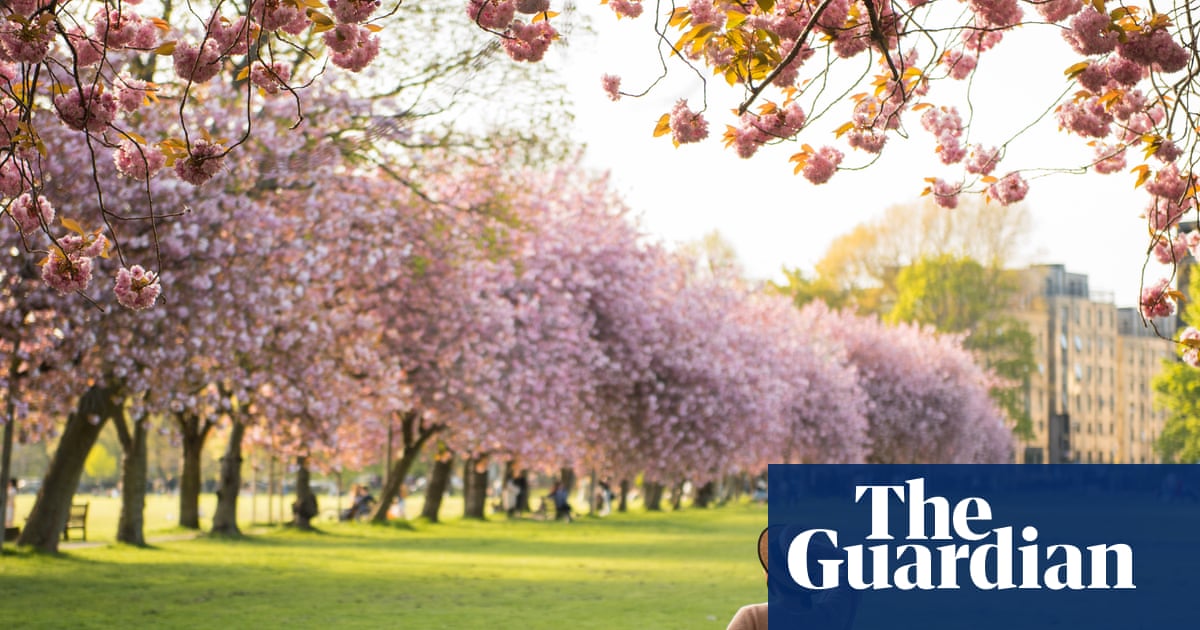
2 weeks agoJapan resident reveals how to beat the cherry blossom crowds
Japan's cherry blossom season attracts millions of visitors annually, but expert strategies can help travelers avoid crowds and experience the blooms more authentically by embracing flexibility and exploring local areas.
Renovation
fromArchDaily
2 weeks agoRenovation and Continuity in Japanese Architecture: The Work of 1110 Office for Architecture
1110 Office for Architecture addresses societal and environmental transformation through careful residential renovations and precise spatial interventions that balance change with enduring elements.
SF music
fromFuncheap
4 weeks agoShakuhachi Concert inside Japanese Tea Garden (Golden Gate Park)
Shakuhachi master Masayuki Koga performs traditional Japanese music at Golden Gate Park's Japanese Tea Garden Pagoda on March 7th, emphasizing spiritual connection and authentic listening beyond analytical control.
Renovation
fromYanko Design - Modern Industrial Design News
2 weeks agoThis Crumbling Kyoto Home Was Rebuilt as a Wabi-Sabi Sanctuary - and Every Detail Is Intentional - Yanko Design
A Kyoto renovation restores a traditional Sukiya residence by removing decades of alterations, creating livable spaces that honor historical principles while serving contemporary needs.
fromColossal
2 weeks agoRestrained Emotions Simmer in Shinsuke Inoue's Tender Wood Sculptures
I have virtually no idea what the finished piece will look like until I actually begin working with the wood. As a result, the form often emerges as I carve, and I frequently change my plans midway through the process. Naturally, I keep the many failures a secret.
Arts
fromYanko Design - Modern Industrial Design News
1 month agoThese Sculptural Japanese Lamps Come in 100 Colors for $150 - Yanko Design
Designed by Michael Kritzer, an industrial designer with Red Dot, iF, and Cannes Lions awards to his name, Dollights are inspired by creative Kokeshi dolls, those beautifully varied Japanese wooden figures that range from traditional to wildly expressive. The connection isn't literal. You won't mistake these for dolls on a shelf. But the DNA is there in the proportions, that satisfying relationship between a rounded head and a tapered body, the way each silhouette feels like it has its own quiet personality.
Design

Travel
fromTravel + Leisure
1 month agoA Beautiful Historic Theater in Kyoto Just Reopened As One of Japan's Most Exciting New Hotels-and We Were the First to Stay
Imperial Hotel Kyoto transforms the historic 1936 Yasaka Kaikan theater in Gion into a luxury hotel, preserving its cultural heritage while offering exceptional hospitality and unobstructed views.
Design
fromYanko Design - Modern Industrial Design News
1 month agoA 400-Year-Old Japanese Candleholder, Upgraded Again - Yanko Design
Dai Furuwatari's Pendulum Candleholder thoughtfully updates the traditional Japanese teshoku by adding a hanging hook and adjustable pendulum mechanism, making it both portable and versatile for modern use.
Gadgets
fromYanko Design - Modern Industrial Design News
2 months agoPilot Just Turned a 400-Year-Old Japanese Craft Into Living Art - Yanko Design
Arita porcelain vases coated with Pilot's thermochromic ink reveal a celadon glaze when heated, creating unique, time-based color transformations that return as they cool.
fromdesignyoutrust.com
1 month agoThis Artist Creates Superhero and Comic Watercolors With Traditional Japanese Motifs
Justin Bieber for Calvin Klein Spring 2015 Ad Campaign In A Parallel Universe: Artist Exposes Sexism By Switching Up Gender Roles In Old-School Ads Russian Blogger Makes Parodies Out Of Celebrity Photos, And More Than 20,000 Followers On Instagram Approve 10 Famous Movie Titles Written Using Negative Space The World of Modern Graphic Design & Typography by Kyle Kemink Chinese Tech Companies Hiring 'Pretty' Girls to Motivate Male Employees by Chatting, Playing Ping Pong and Buying them Breakfast
Typography
fromOpen Culture
2 months agoDiscover Ichi-go Ichie, the Japanese Art of Savoring Every Moment
The Bud­dhis­ti­cal­ly inflect­ed " ichi-go ichi‑e" is just one in the vast library of yoji­juku­go, high­ly con­densed apho­ris­tic expres­sions writ­ten with just four char­ac­ters. (Oth­er coun­tries with Chi­nese-influ­enced lan­guages have their ver­sions, includ­ing sajaseon­geo in Korea and chéngyǔ in Chi­na itself.) It descends, as the sto­ry goes, from a slight­ly longer say­ing favored by the six­teenth-cen­tu­ry tea mas­ter Sen no Rikyū, " ichi-go ni ichi-do " (一期に一度).
Mindfulness
Design
fromYanko Design - Modern Industrial Design News
1 month agoJapan Just Solved Spring Home Refresh With 8 Minimalist Accessories That Make Your Space Feel New - Yanko Design
Small, restrained Japanese craft objects subtly reset and enrich interior spaces through texture, scent, sound, light, and purposeful minimalism.


fromPsychology Today
2 months agoKintsugi: The Japanese Art of Being Remade
Kintsugi 金継ぎ is known as the Japanese art of putting broken things back together, like broken pottery, using materials mixed with powdered gold and other elements. Instead of hiding damage, this technique celebrates the restoration of an object once viewed as broken, flawed, or imperfect. This same process can be seen as a metaphor for addiction recovery. Even for people with addiction who willingly choose recovery, there's an element of being remade that can't be ignored. Addicts often go through a period of denial.
Mental health
fromThe Conversation
2 months agoHow tourism, a booming wellness culture and social media are transforming the age-old Japanese tea ceremony
One of Japan's most recognizable cultural practices - the Japanese tea ceremony, known as chanoyu, or chadō - is being reshaped by tourism, wellness culture and social media. Matcha, the Japanese powdered green tea that is used during the ceremony, has entered the global marketplace. Influencers post highly curated tearoom photos, wellness brands market matcha as a "superfood," and cafés worldwide present whisked green tea as a symbol of mindful living.
Philosophy


fromwww.archdaily.com
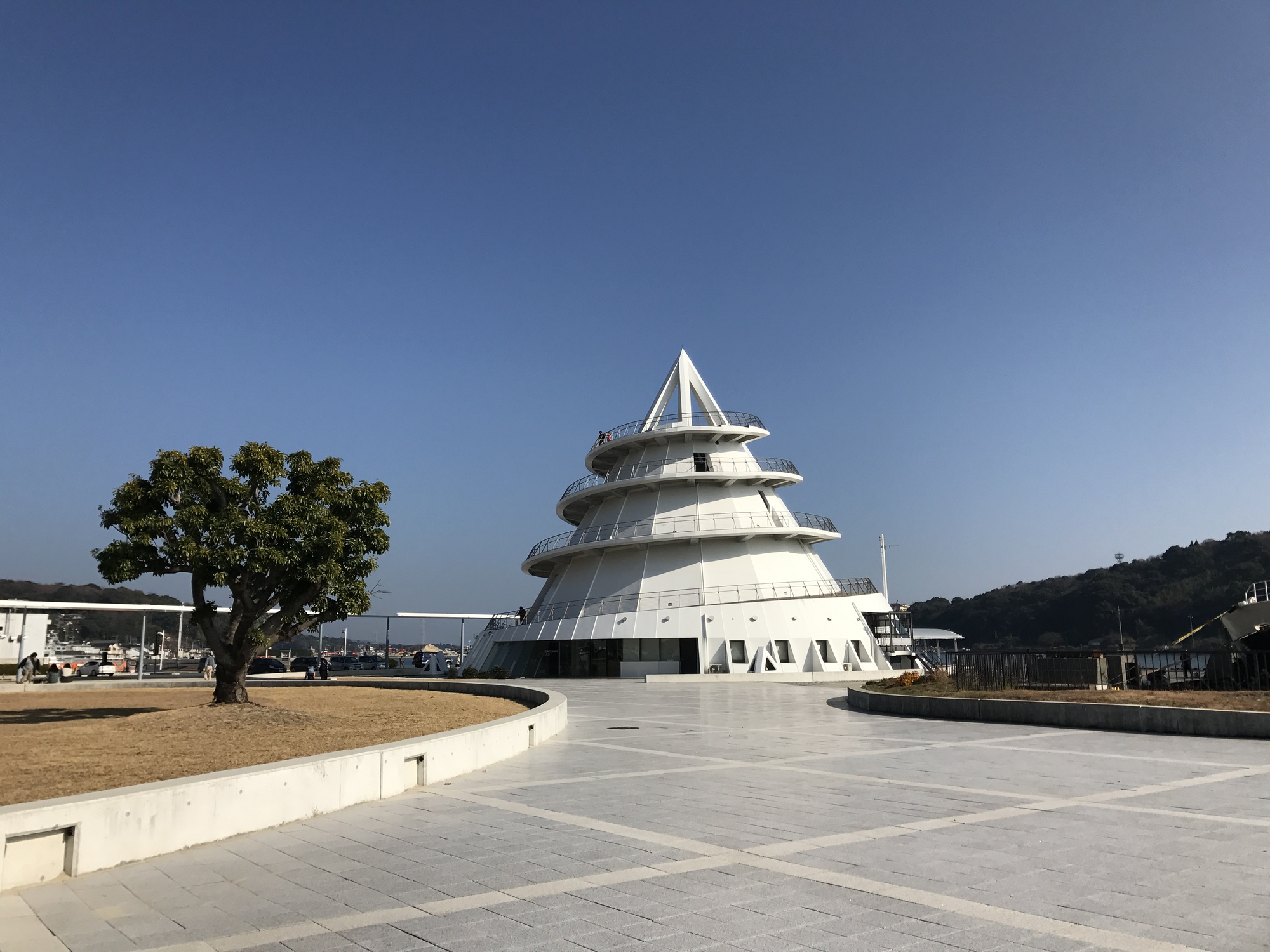
1 month agoKItoNOKO NIKKO HOME Group Hiroshima Office / ure LLC
KITONOKO is a community-oriented complex located in a suburban commercial district, conceived as a place where architecture quietly connects people, work, and everyday life. Surrounded by large-scale retail and roadside developments, the project seeks to introduce a more human-scaled, open, and approachable environment within a typically car-oriented context. Rather than operating as a closed commercial facility, the building encourages local residents, visitors, and staff to naturally intersect through spatial openness and continuity.
Design
fromwww.independent.co.uk
1 month agoHalf of Japan's samurai were women, groundbreaking exhibition at British Museum says
From reproductive rights to climate change to Big Tech, The Independent is on the ground when the story is developing. Whether it's investigating the financials of Elon Musk's pro-Trump PAC or producing our latest documentary, 'The A Word', which shines a light on the American women fighting for reproductive rights, we know how important it is to parse out the facts from the messaging.
History
Travel
fromTravel + Leisure
2 months agoThis Is Where You'll Find One of Japan's Most Iconic Landmarks-Plus, Cherry Blossom Cruises and the Country's Best Sake
Fushimi is Kyoto’s concentrated sake-brewing district, defined by historic canals, abundant soft spring water, and a high density of traditional breweries.
fromYanko Design - Modern Industrial Design News
2 months ago7 Best Japanese-Designed Valentine's Gifts That Look $1000+, But Cost Half That - Yanko Design
Japanese design has spent centuries perfecting the balance between restraint and richness. These seven gifts embody that philosophy, where every material choice and geometric decision carries intention. From transparent polycarbonate that frames music like sculpture to hand-planted bristles that honor century-old brush-making techniques, each piece reflects the considered craftsmanship that typically commands luxury prices. The precision is palpable, the materials exceptional, yet the cost remains accessible.
Design
Design
fromYanko Design - Modern Industrial Design News
1 month ago5 Sushi-Inspired Designs For Japanese Product Fans That Look So Realistic You'll Want to Eat Them - Yanko Design
Sushi exemplifies minimalist design—clarity, precision, and restraint guide creators to prioritize essential elements and function for lasting, purposeful aesthetics.
fromApartment Therapy
2 months ago"Instantly Calming": 8 Colors Designers Love in Trendy Japandi Interiors
If there was only one interior design style setting the tone in 2026, it would be Japandi. Apartment Therapy's State of Home Design survey identified Japandi style as one of the year's top design aesthetics, according to insights from 140 designers - and it's easy to see why. As more people strive to create spaces that feel calming, intentional, and grounded in nature, Japandi's blend of Japanese restraint and Scandinavian warmth feels especially timely.
Design
Design
fromYanko Design - Modern Industrial Design News
2 months agoThis Japanese Cabinet Uses Real Forest Branches as Doors - Yanko Design
Adjustable cabinet uses sliding Japanese cypress branches to customize openness and privacy, combining reclaimed wood’s natural asymmetry with functional, responsive storage.
Design
fromdesignboom | architecture & design magazine
2 months agoluminous layers of colored wire mesh weave tea ceremony house by moriyuki ochiai
Layered wire mesh creates permeable tea house enclosures that modulate light, sightlines, airflow, and spatial perception through material, layering, and moiré effects.
fromArtnet News
1 month agoBritish Museum's 'Samurai' Show Reveals the Untold Story of Women Warriors
The show, simply titled " Samurai," dives into the myth of the samurai and how it came to be, to teach viewers how this fierce warrior class emerged during the early medieval period in the 1100s and evolved over the next few centuries to become an elite class of bureaucrats. The exhibition also examines portrayals of samurai in modern-day popular culture, and how that compares to reality. Yes, the samurai started out as fierce fighters, but their identity is much more complex than that.
Arts
fromThe Art Newspaper - International art news and events
2 months agoVermeer's 'Girl with a Pearl Earring' will head to Japan this summer in rare loan
The painting took a short sojourn in 2023 for the major Johannes Vermeer survey exhibition at the Rijksmuseum, but has not travelled internationally since its world tour in 2012-14, the last time the Mauritshuis was closed for building work. " Girl with a Pearl Earring is one of the most famous paintings in the world, and is a key reason for many people to visit the Mauritshuis," says a statement from the museum. "It is therefore loaned to other institutions only in highly exceptional circumstances."
Arts
fromHyperallergic
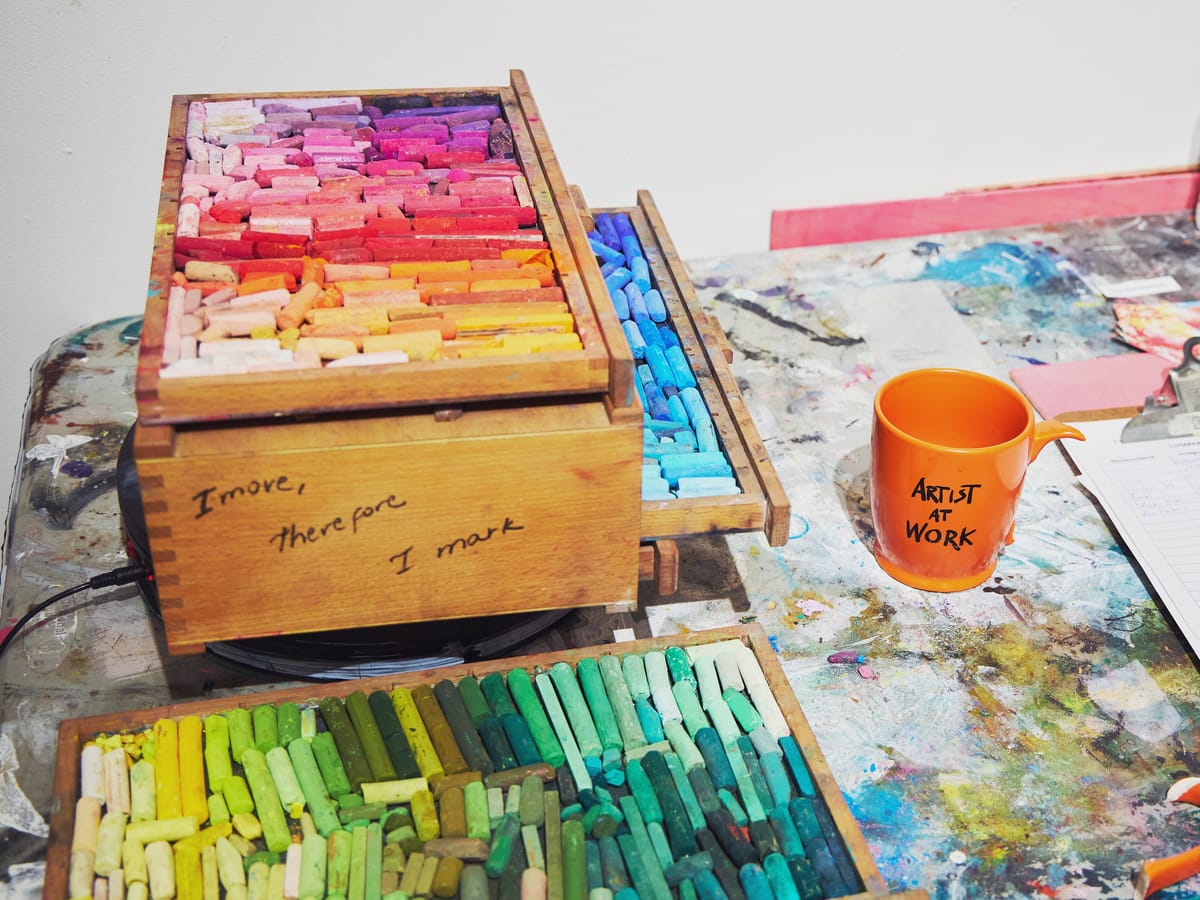
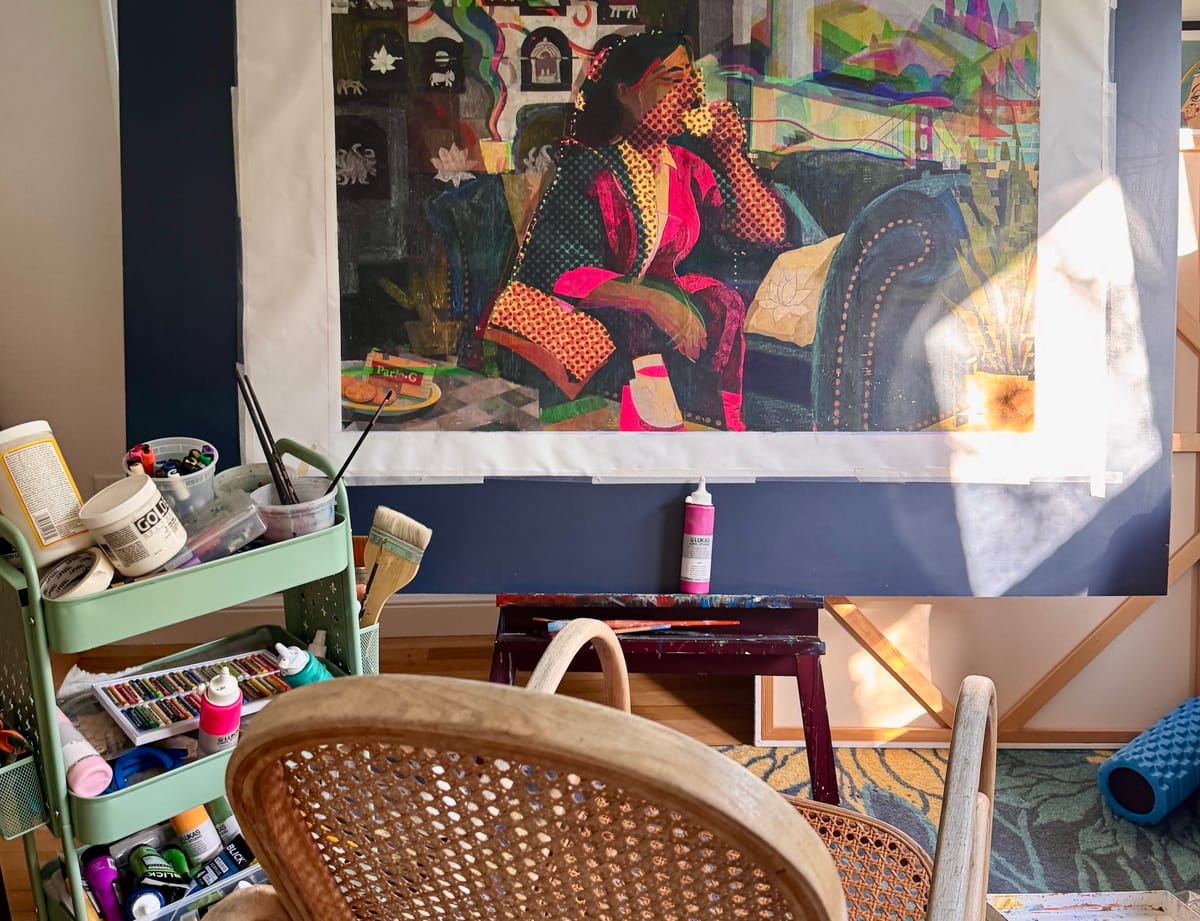
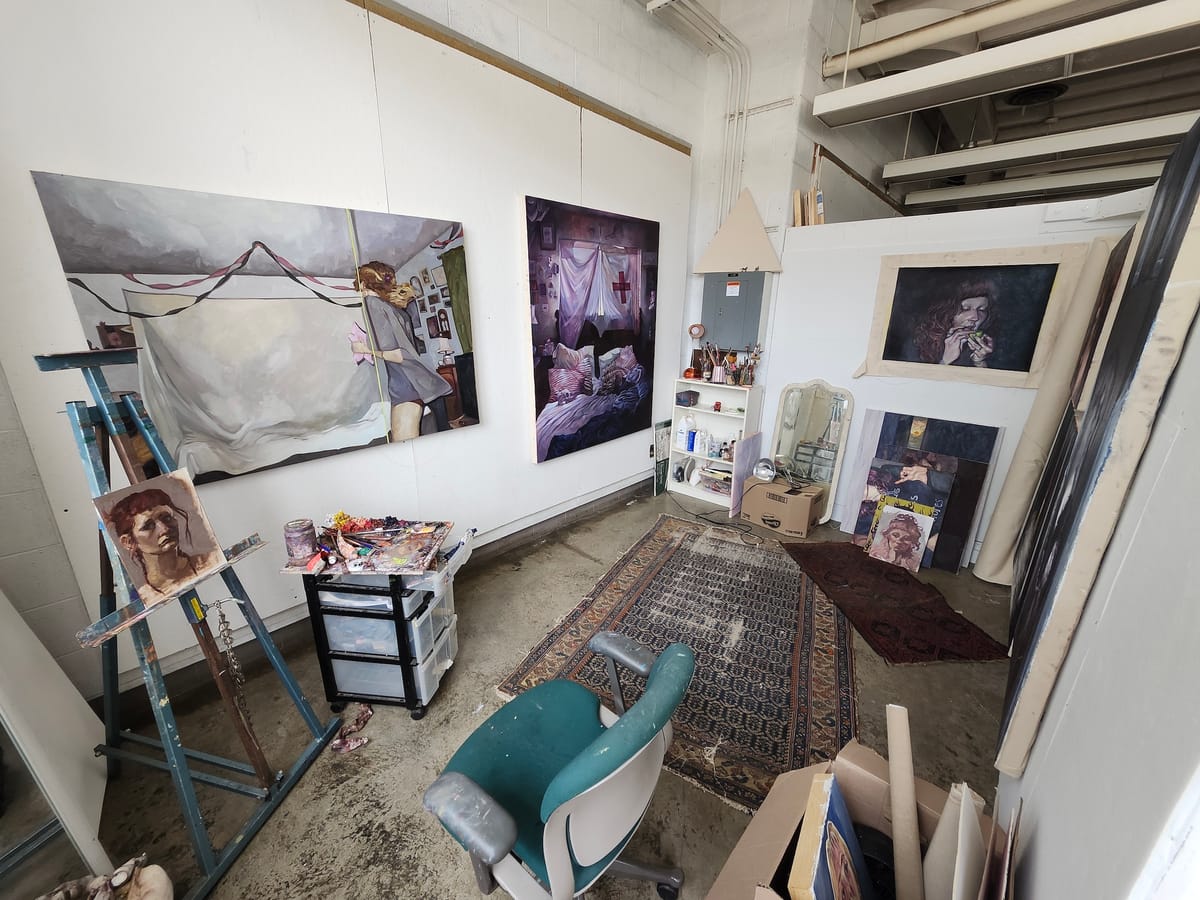
1 month agoA View From the Easel
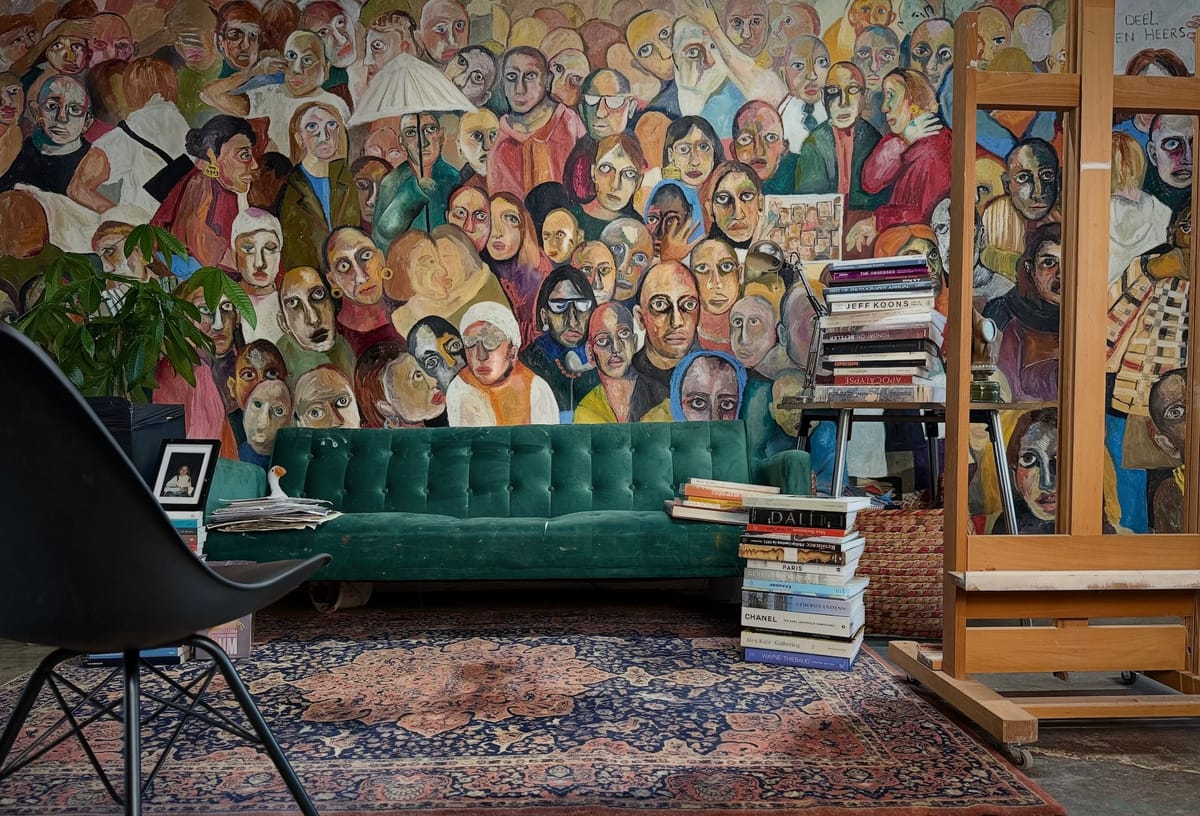
The studio is at my house within a ranch, surrounded by nature. It's on the second floor of the house, where there's better light. My routine all day shifts between studio work and housework, including outdoor garden work. I get up a bit before 7am, drink coffee in the yard, and get morning sunshine. Then my husband and I eat breakfast and do a bit of cleaning or some chores in the garden.
Arts
[ Load more ]