#japanese-vehicles
#japanese-vehicles
[ follow ]
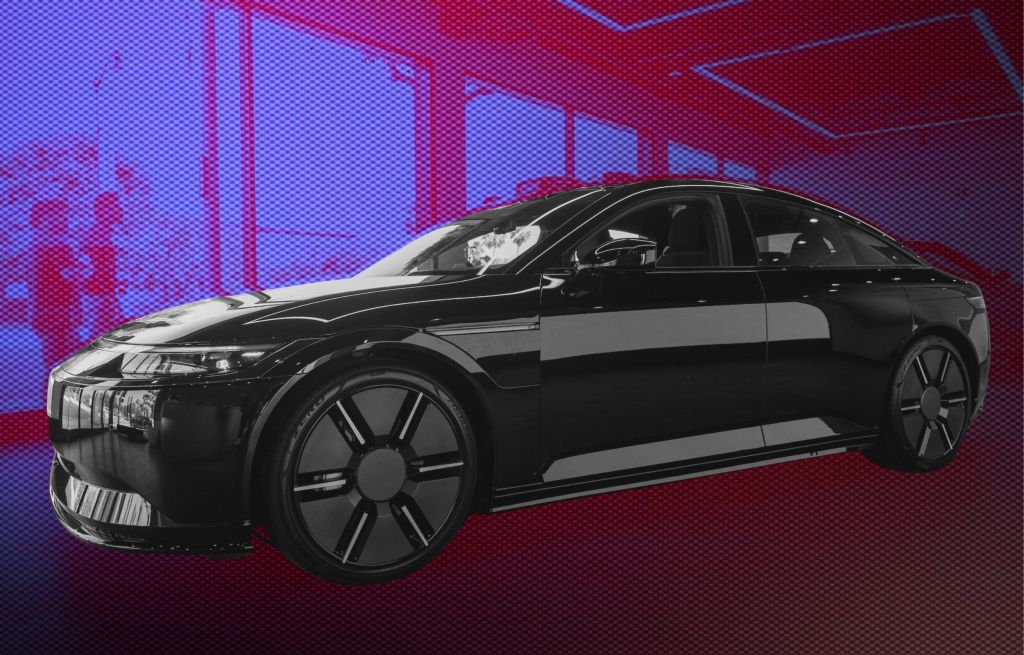
#electric-vehicles #tesla #automotive-industry #honda #toyota #afeela #byd #sony #sony-honda-mobility #model-s #model-x
#nissan
Graphic design
fromdesignboom | architecture & design magazine
6 days agowinner announced for All-New Nissan MICRA global design competition
Marc-André Fauteux wins the Elevate the All-New Nissan MICRA competition with a design emphasizing organized simplicity and a striking asymmetric visual language.
fromSilicon Canals
3 hours agoJapan is deploying robots not to replace workers but because there's no one left to hire - Silicon Canals
Japan's push into AI-powered robotics is driven less by competitive ambition than by demographic arithmetic. The country's population declined for a 14th consecutive year in 2024, with working-age citizens comprising just 59.6% of the total population.
Artificial intelligence
#tesla
Toronto startup
fromTechCrunch
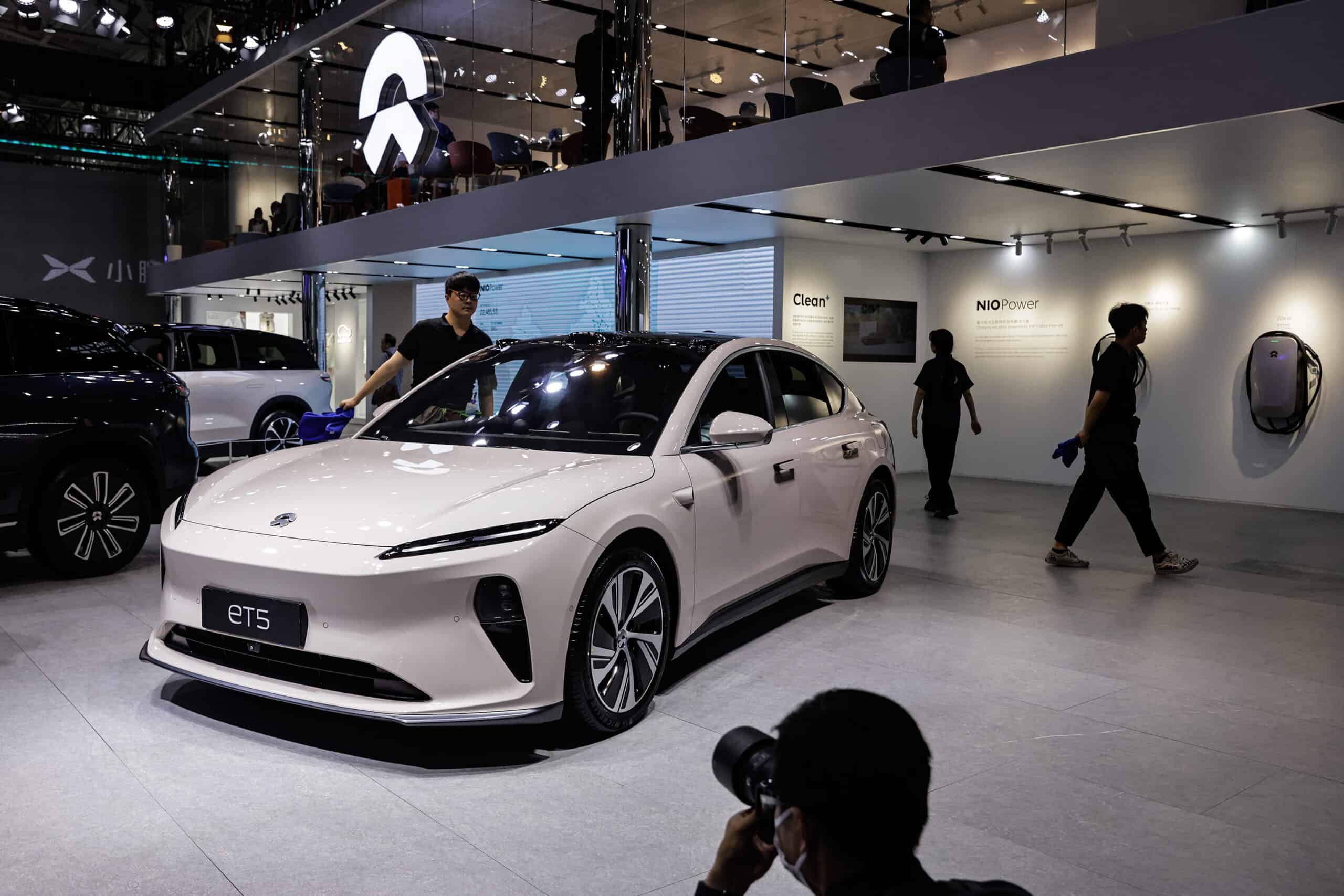
2 days agoThe final days of the Tesla Model X and S are here. All bets are on the Cybercab. | TechCrunch
Tesla ends production of Model S and Model X due to declining sales, focusing on new projects like the Optimus robot and Cybercab.




fromTheregister
6 days agoHumanoid tests humanoid robot for automotive logistics
This proof of concept in the manufacturing industry allows us to demonstrate how humanoid robots can act as extensions of an organization's operations by providing business context awareness and integration with existing workflows.
London startup
#electric-vehicles

Alternative transportation
fromEngadget
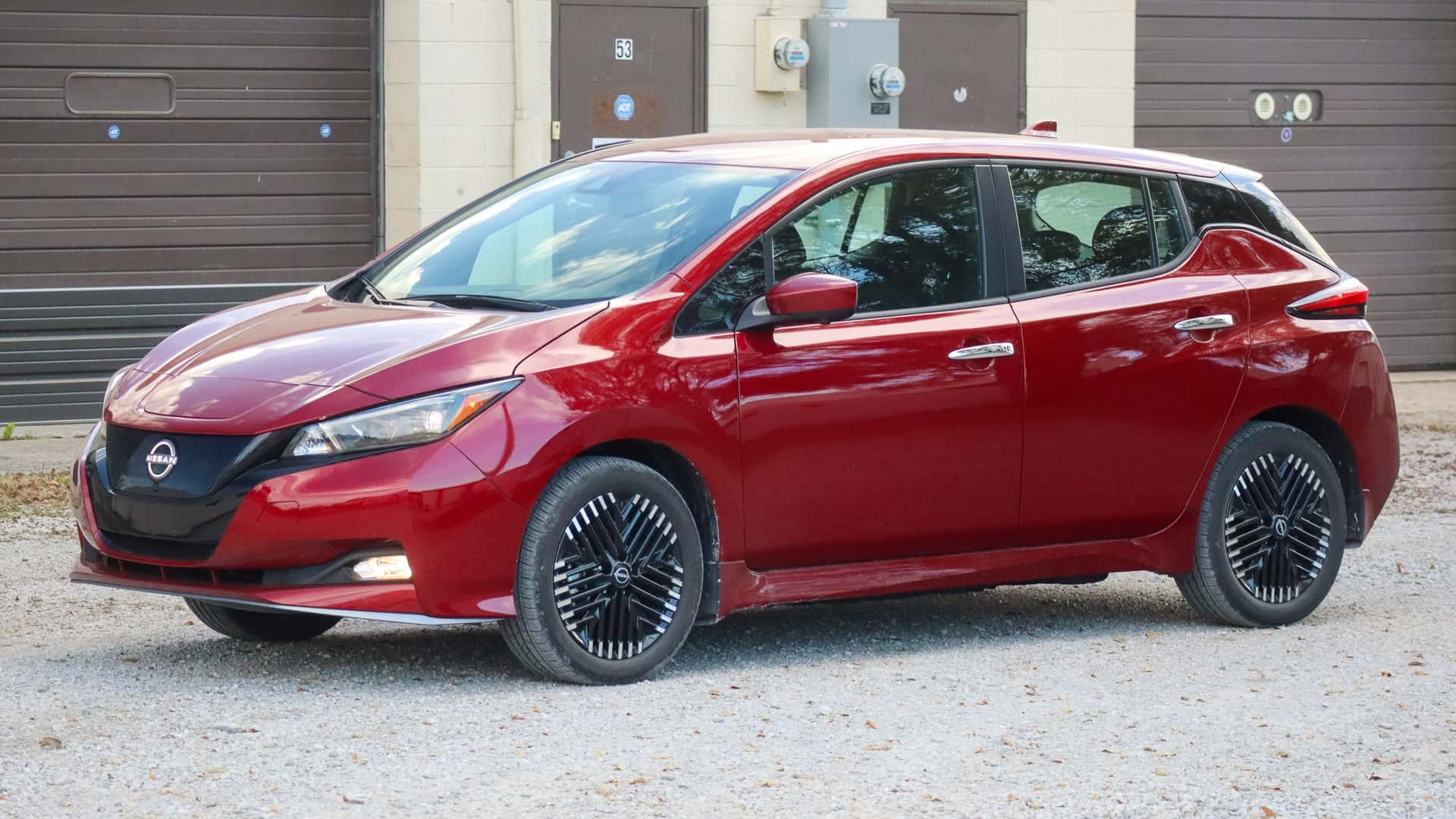
3 days agoThe hottest EVs from the 2026 New York Auto Show (plus one brawny concept)
Consumers are increasingly turning to electric vehicles due to rising gas prices, with notable debuts at the 2026 New York International Auto Show.
Alternative transportation
fromLondon Business News | Londonlovesbusiness.com
6 days agoElectric car drivers hit with eye-watering energy costs - London Business News | Londonlovesbusiness.com
Rising energy costs amid the Middle East oil crisis are significantly increasing electric vehicle charging expenses, potentially deterring drivers from switching from fossil fuels.
Alternative transportation
fromLondon Business News | Londonlovesbusiness.com
6 days agoElectric car drivers hit with eye-watering energy costs - London Business News | Londonlovesbusiness.com
Rising energy costs amid the Middle East oil crisis are significantly increasing electric vehicle charging expenses, potentially deterring drivers from switching from fossil fuels.
Graphic design
fromdesignboom | architecture & design magazine
2 weeks agoelevate the all-new nissan MICRA global design competition reveals the finalists
Nissan and designboom announced 11 finalists for the Elevate All-New Nissan MICRA design competition, where creatives reinterpreted the car's exterior identity through color, graphics, patterns, and materials while preserving its original structure.
#ford
Alternative transportation
frominsideevs.com
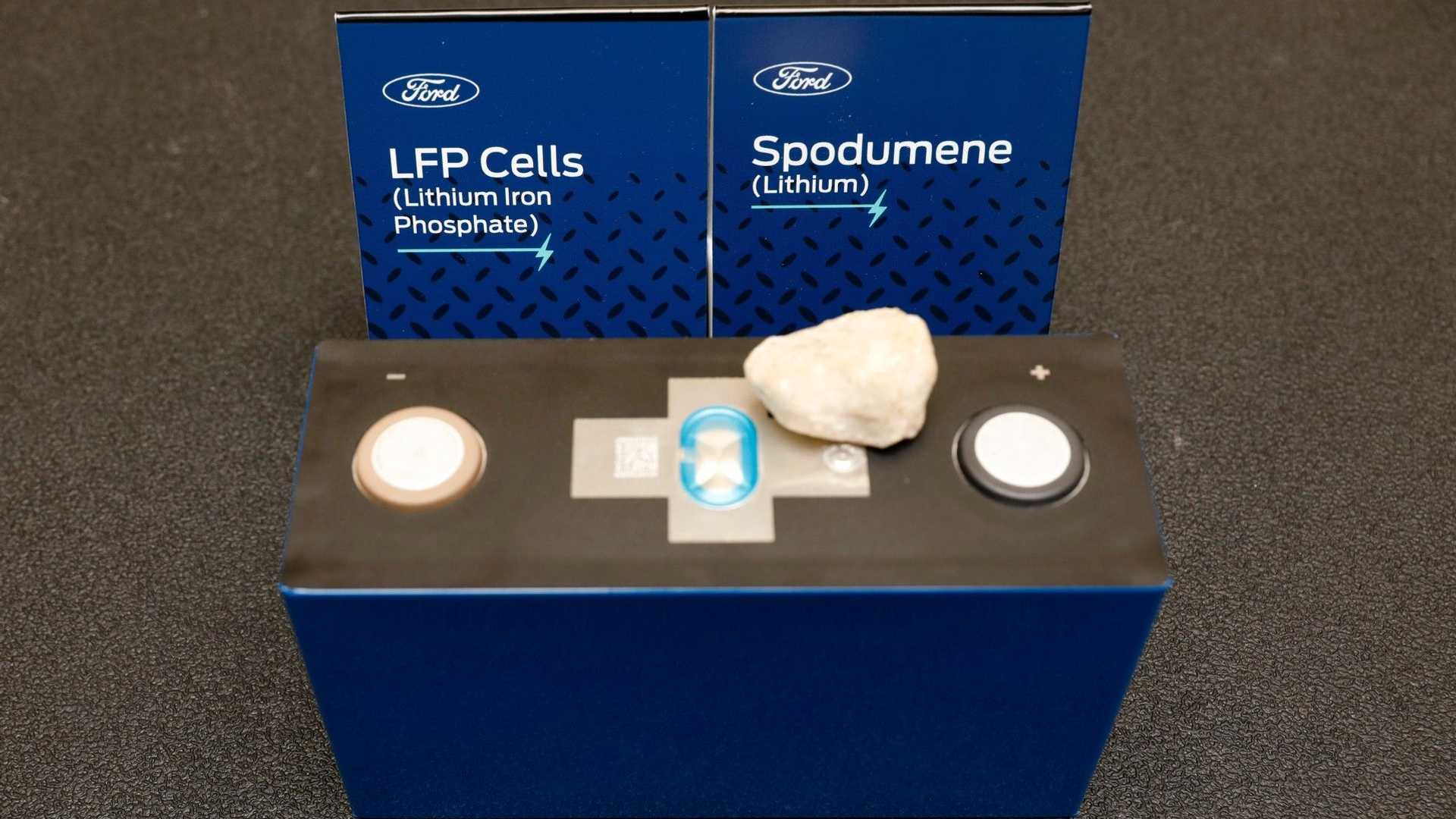
1 week agoThe New Ford Transit City Is A High-Tech Electric Van With Chinese Roots
Ford's new electric van, Transit City, is designed for urban use and will be produced in China with a lithium-iron phosphate battery.
fromSustainable Bus
2 months agoDaimler Truck's Fuso and Foxconn plan zero-emission bus OEM in Japan from 2026 - Sustainable Bus
Mitsubishi Fuso Truck and Bus Corporation (MFTBC), the Daimler Truck subsidiary responsible for the FUSO brand, has announced on January 22nd 2026 plans to create a standalone bus company in Japan together with Hon Hai Technology Group (Foxconn), marking a further step in the convergence of traditional commercial vehicle manufacturing and electronics-led electric vehicle development. Katsuto Kora, currently Director and Head of FUSO Bus at MFTBC, has been designated CEO of the future company. The new bus company will be headquartered in Kawasaki, Japan, while vehicle development and manufacturing will be carried out at the existing FUSO bus plant in Toyama. Products will be marketed under the FUSO brand.
Business


Cars
fromArs Technica
3 weeks agoAn engineering thesis disguised as a coupe: A history of the Honda Prelude
The Honda Prelude emerged as an engineering-focused coupe during 1970s economic turbulence, prioritizing precision and innovation over excess, establishing a legacy of mechanical elegance that defines its 2026 return.
Cars
from24/7 Wall St.
3 weeks ago2 Vehicle Manufacturer Stocks to Watch: Honda and REV Group
Honda faces severe EV challenges with $1.76 billion in charges and a strategic retreat from 30% to 20% EV sales targets, while its motorcycle business remains highly profitable and increasingly important to overall performance.
fromThe Verge
3 weeks agoHonda cancels Zero Series EVs, citing 'extremely challenging' situation
Honda, which is grappling with President Trump's tariffs, had been one of the most aggressive automakers in pursuing EVs. The company said it was aiming for 30 new EVs by 2030 with 2 million units sold, 100 percent zero-emission auto sales by 2040, and carbon neutrality "for all products and corporate activities" by 2050.
Cars
fromThe Verge
4 weeks agoThe uncomfortable truth about hybrid vehicles
Plug-in hybrids can offer 20-60 miles of electric-only driving for daily use, plus a gas engine for longer trips or when they can't recharge. And as EV growth slows down, many automakers clearly see hybrids - and more specifically, plug-in hybrids (PHEV) - as a better fit for America's fluctuating tastes.
Cars
frominsideevs.com
2 months agoThe Mazda CX-6e Is A Bold Electric SUV Aimed At The Tesla Model Y
Mazda will begin selling a new electric mid-size SUV in Europe this year. It's not coming to the U.S. The CX-6e will compete with models such as the Tesla Model Y, BMW iX3 and Audi Q4 e-tron. It looks sharp and gets a high-tech interior. Mazda has been late to the electric vehicle party, but it's finally picking up the pace in a market that doesn't reward laggards.
Cars
frominsideevs.com
2 months agoToyota And Daihatsu's Tiny New EV Vans Solve A Modern Problem The Old-School Way
That's because the e-Hijet's electric architecture has vehicle-to-load (V2L) and vehicle-to-home (V2H) functionality baked in. On the V2H front, the tiny EV's front-mounted CHAdeMO fast charging port can be used to keep the lights on, but additional hardware is needed. On the V2L front, however, things are much simpler. There's a 100-volt household outlet right on the center console, which can output a maximum of 1,500 watts, according to Daihatsu and Toyota.
Cars
from24/7 Wall St.
2 months agoThe Most Affordable Car Brands You Can Actually Rely On
When shopping for a vehicle, most buyers are looking for more than just a good deal. A vehicle purchase isn't worth it to them without peace of mind. While style, technology, and performance all play a role, affordability and reliability consistently rise to the top of the priority list. A car that's reasonably priced but frequently in the shop quickly becomes an expensive headache. Drivers know that long-term dependability is just as important as the sticker price.
Cars
[ Load more ]