#jarratt-plant
#jarratt-plant
[ follow ]
#gardening #plant-care #sustainability #indoor-gardening #seed-starting #soil-health #sustainable-gardening
fromLos Angeles Times
2 weeks agoGet ideas for your home garden at these 19 spring garden tours around L.A.
Southern California, especially Los Angeles, has many breathtaking botanical gardens and wildflower-lined hiking trails. But it's also exciting to visit private home gardens that are rarely open to the public and find inspiration even if you don't have space for a garden at home.
Los Angeles
fromwww.theguardian.com
2 weeks agoSmall changes in how we garden can make a big difference to birds | Letter
Around a third of UK gardeners use pesticides, and our studies found that house sparrow numbers, for example, were nearly 40% lower in gardens where the pesticide metaldehyde was used. By reducing pesticide use, you can actively encourage birds back into your outdoor spaces, as they rely on invertebrates such as slugs and snails as natural prey.
Pets
Online marketing
fromSocial Media Explorer
3 weeks agoScrolling for Shade: What Homeowners are Actually Searching for Regarding Tree Care - Social Media Explorer
Social media tree-trimming trends prioritize aesthetics over proper arboriculture; professional pruning serves biological functions like wind resistance, not just visual appeal.

Miscellaneous
fromwww.theguardian.com
3 weeks agoThe best places to buy plants online, according to top gardeners and landscape designers
Online plant nurseries offer wider plant selections and specialized varieties, making them ideal alternatives to local garden centers, especially for those without nearby options or preferring car-free shopping.
Everyday cooking
fromTasting Table
2 weeks agoFireplace Ashes Can Boost Your Vegetable Garden - If You Use Them The Right Way - Tasting Table
Wood ash serves as a nutrient-rich, budget-friendly fertilizer that enhances plant growth, modifies soil pH, and deters garden pests when applied sparingly in small doses.
Environment
fromEarth911
1 month agoClassic Sustainability In Your Ear: The Ocean River Institute's Natural Lawn Challenge for Climate Action
Natural lawn practices reduce water consumption, eliminate harmful chemicals, support pollinators, and store significantly more carbon than chemically-treated lawns, making healthy lawns powerful climate change solutions.
fromTasting Table
3 weeks agoUsing Rice Water To Fertilize Houseplants? Avoid This Mistake That Could Cost You Your Plant - Tasting Table
Rice water doesn't have any additional nutrients that plants need to grow - for example, the nitrogen, potassium, and phosphorus found in conventional fertilizers - and the starchy residue doesn't necessarily "fertilize" your plant. However, it is still water that would otherwise just be dumped down the sink, so if you're not saving your rice water for cooking, you might as well use it to hydrate your plants.
Everyday cooking
fromEast Bay Express | Oakland, Berkeley & Alameda
2 months agoEdible ecosystems grow wildly from shoreline to forest
For Staller, foraging is a "precious" and "simple" activity that one can do to connect with nature. They can experience a sense of mindfulness from gathering together, looking for food and then cooking the bounty, she said. "We are returning to the most basic part of being a human, which is eating food and celebrating it," Staller said. "It's a lost artform."
Food & drink
fromRealagriculture
1 month agoAg Policy Connection: Rethinking funding for plant breeding, with Jason Reinheimer
"If Canada wants generational change in agricultural innovation, we need to transform our policy around how we fund plant breeding," he says. The current system, heavily reliant on public funding and check-off dollars, is increasingly under pressure. Reinheimer points to signs that Agriculture and Agri-Food Canada (AAFC) is shrinking its breeding footprint-especially in wheat, where AAFC varieties still account for about 80 per cent of acres. The problem? There's no updated funding model to match that shift.
Canada news
Agriculture
fromArchitectural Digest
3 years agoWe Asked Experts About the Gardening Mistakes to Avoid This Spring-These Are Their 12 Top Tips
Gardening mistakes are common and costly, but beginners can avoid major pitfalls by starting small, choosing correct locations with adequate sunlight, and understanding plant-specific requirements.
fromDesign Milk
2 months agoLeafyPod Is a Self-Watering Smart Planter That Saves Your Sanity
Enter the LeafyPod, a self-watering smart planter that utilizes AI to understand your leafy companions, and keep them well cared for. The system is simple: a connected app monitors hydration and nutrient levels, noting what's best for that specific type of plant. Recently named one of TIME's Best Inventions of 2025, the hydroponic system allows users to grow herbs, greens, or flowers all year long. LeafyPod is adaptive, responding to plant health and to changes in environment.
Gadgets
Agriculture
fromYanko Design - Modern Industrial Design News
2 weeks agoThis Wood Greenhouse Solves the Biggest Problem Backyard Gardeners Face - Yanko Design
The Miracle-Gro Wood Greenhouse by ShelterLogic extends growing seasons and protects plants from frost and weather using double-wall polycarbonate insulation and strategic ventilation systems.
Agriculture
fromTasting Table
2 weeks agoCan You Grow A Garden From Grocery Store Produce Seeds? - Tasting Table
Growing vegetables from store-bought seeds is possible but results vary based on produce type, growing method, and post-harvest treatment, with hybrid plants producing different crops than their parent plants.
Agriculture
fromModern Farmer
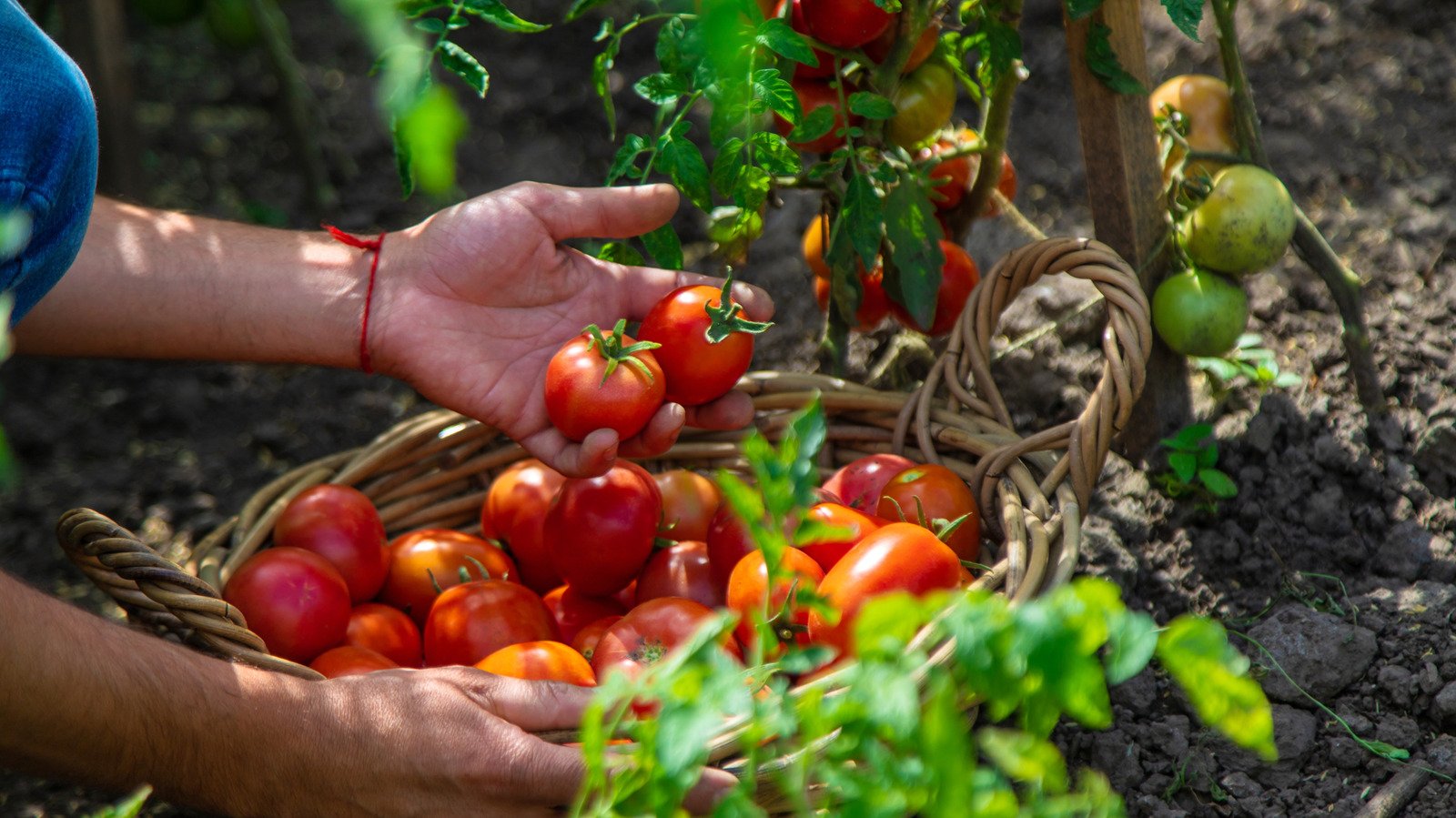
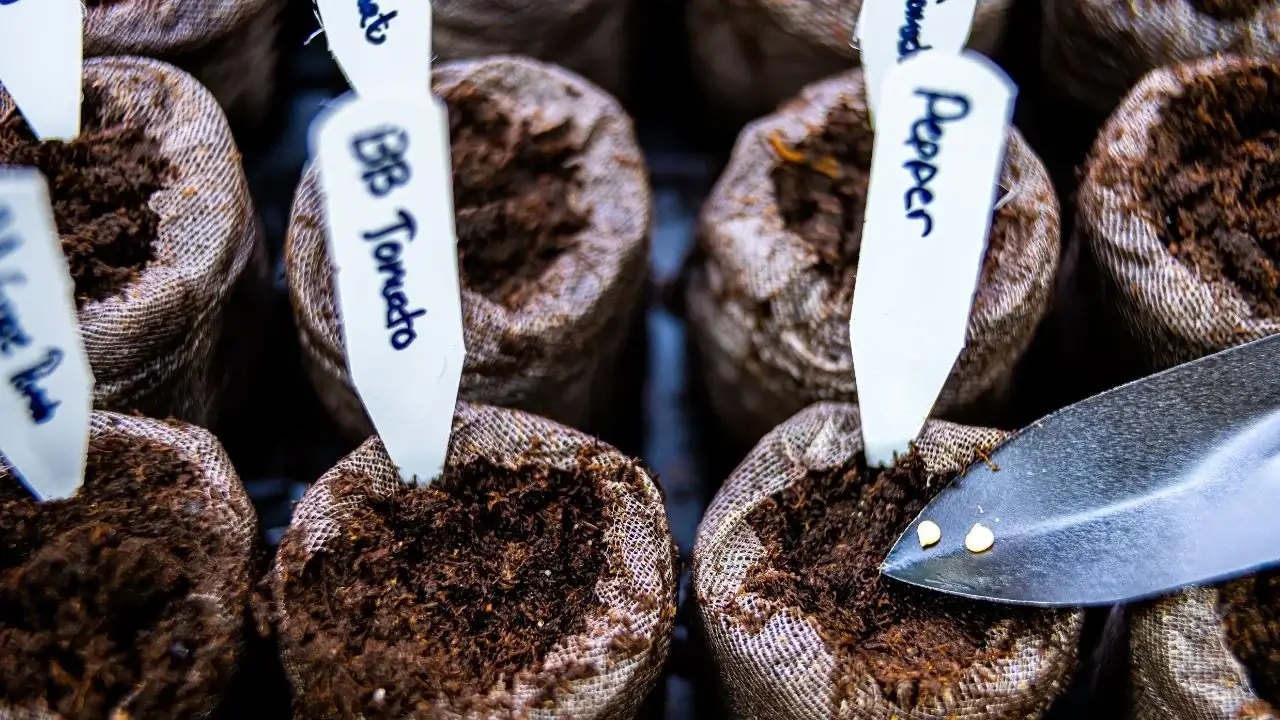
2 weeks agoHow to Start Tomato Seeds: 5 Expert Growing Tips
Tomato success depends on choosing between indeterminate varieties for long seasons and determinate varieties for short growing periods, then starting seeds indoors four to six weeks before the last frost in most North American regions.
fromwww.theguardian.com
2 months agoNow is the perfect time to sort out your garden seeds, the Monty Don way
Lots of pressure at this time of year, isn't there? All those pink cheeks and sweaty brows puffing their way around the park in dusted-down trainers; all those Botivo mocktails (delicious, for what it's worth) as we strive to self-improve during one of the most grisly months of the year. I've never really been one for resolutions, nor time-measured sobriety (amazing how having small children deflates one's desire to drink enough to conjure a hangover).
Environment
Agriculture
fromArchitectural Digest
1 year ago13 Raised Garden Bed Ideas to Elevate Your Backyard This Spring
Raised beds allow gardeners to engineer ideal soil conditions, improve ergonomics, protect crops from pests, and enable faster soil warming and easier watering compared to ground-level gardening.
fromwww.theguardian.com
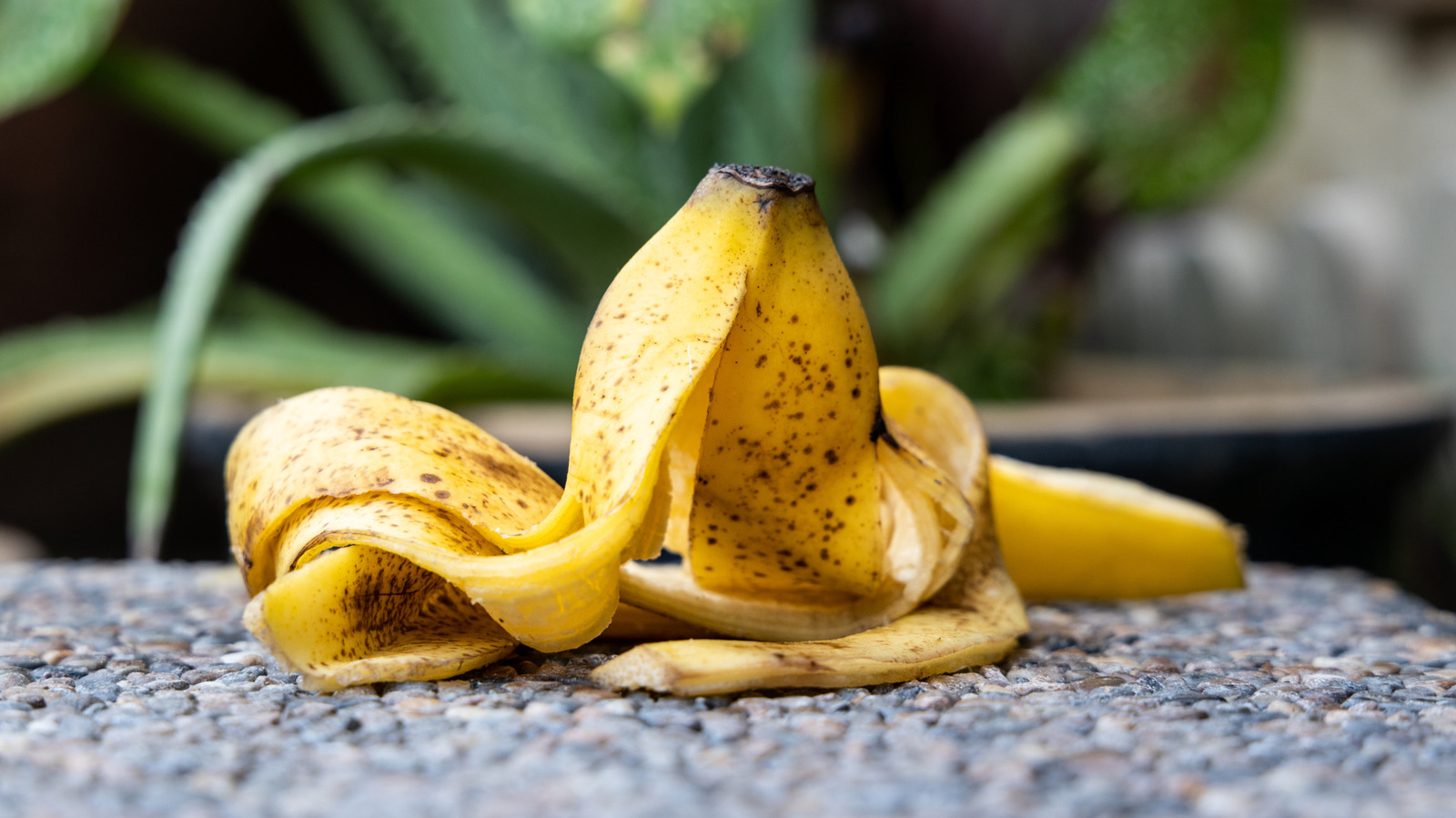
2 months agoHouseplant hacks: can you really use banana water as a fertiliser?
You are not alone: social media is full of claims that soaking banana skins in water makes a fertiliser that will give you bigger leaves and better blooms. The hack Put banana peels in a jar of water, leave them to sit, then pour the liquid on your plants. Bananas do contain potassium and small amounts of other nutrients. The snag is you have no idea how strong it is or what's missing.
Environment
Agriculture
fromTasting Table
4 weeks agoGrowing Strawberries? This Brilliant Backyard Method Is So Easy - Tasting Table
Growing strawberries in gutters is an accessible beginner-friendly method requiring minimal space, drainage holes, soil, and eight hours of daily sunlight for successful vertical gardening.
fromRealagriculture
1 month agoThe Agronomists, Ep 231: How weeds adapt with Tammy Jones and Jenny Rae Seward
Herbicide layering strategies involve combining multiple herbicide modes of action to target weeds effectively and prevent resistance development. This approach requires careful planning to apply different chemical classes at appropriate growth stages, ensuring comprehensive weed control while reducing selection pressure for resistant populations.
Agriculture
fromwww.theguardian.com
1 month agoHouseplant hacks: can oats and Epsom salts pep up a plant?
The idea is that oats break down and enrich the soil, while Epsom salts (magnesium sulphate) top up magnesium to keep leaves green and glossy. Social media says a spoonful of each will pep up tired plants without the need for proper feed. The method The hack says unpot your plant and mix the old soil with 12 tablespoons of dry oats, a sprinkle of Epsom salts and a bit of fresh compost. Then pop the plant back in the pot, firm it around the roots and water it in.
Environment
fromTasting Table
2 months agoDon't Throw Out Those Plastic Fruit Containers - Use Them To Start An Herb Garden Instead - Tasting Table
Instead of running to the store every time you need a handful of fresh basil (and inevitably letting the rest go to waste in your fridge), having an herb garden of your own allows you to only take what you need. While this in itself is a great sustainable practice, try taking it a step further by starting an herb garden in old plastic fruit containers.
Environment
fromModern Farmer
1 month agoYour February Soil Checklist: What to Do Now for Healthy Soil
The term "soil fatigue" or exhaustion refers to the condition that soil profiles take on when they've been heavily monocropped and untended. This soil is devoid of the microbial content that offers plants bioavailable food. It lacks the fungal and bacterial organisms that interact with plant nutrients.
Agriculture
fromwww.theguardian.com
1 month agoWhen it comes to preparing seeds for your garden, you'll reap what you sow
To an unimaginable eye, a seed looks inert. Yet they are packed with genetic information and biological processes poised to unfold. All it takes is the right configuration of signals and stimuli from the environment to let them know it's time to dare to grow.
Agriculture
fromwww.theguardian.com
1 month agoWe're not hippies': why these Iowa farmers swapped pigs for mushrooms
My older brother has worked with pigs his entire adult life, managing about 70,000 of them across five counties, Faaborg says. But we got to a point where he went from laughing at me to saying: well, I guess maybe I'll quit my job and help you out. Now he's the most dedicated, says Katherine Jernigan, director of the Transfarmation Project at Mercy for Animals, a non-profit that helped the Faaborgs make the switch and set up their new business, 1100 Farm.
Agriculture
fromDaily Coffee News by Roast Magazine
1 month agoIn Wake of India's "Green Revolution," Scientists Find Organic Soils Healthier
As concepts such as "regenerative" and "biodynamic" continue to enter the mainstream coffee lexicon, scientists continue to literally dig into the soil to give them meaning. A recent peer-reviewed study from India's Western Ghats argues that one of the clearest signals of healthy, sustainable coffee farms lies in the ground itself, with organic coffee soils performing better than soils from conventional farms treated with synthetic inputs.
Agriculture
fromTasting Table
2 months ago15 Fruits And Vegetables You Can Start Growing In Late Winter - Tasting Table
Late winter is when keen gardeners can get a little restless. The weather is still cold, and spring still feels far away. Thankfully, you don't need to wait until the weather warms to start your growing season. There are plenty of fruits and vegetables that can be started in the late winter, ready for a bountiful harvest in the coming months. Each of these plants needs unique care in order to thrive, but thankfully, I can guide you through exactly the right steps.
fromTasting Table
2 months agoThe Slow-Growing Crop That Pays Off Big When You Start It From Seed - Tasting Table
People grow asparagus from crowns because it shortens the long wait times for harvesting. From seed, you'll need to wait three years before harvesting asparagus. Some people consider that a waste of time. The tradeoff is that you can keep harvesting every spring for up to 15 years or more. If you plant crowns, you get a one-year jump on things. However, those crowns may have soil-borne diseases you don't know about, so there is a risk involved. Seeds remove that problem.
Agriculture
fromdesignboom | architecture & design magazine
2 months agofuture farm: a vertical farming system frames architecture as hydro-ecological infrastructure
Future Farm is a modular vertical farming system designed by Qing Duan for integration within urban architecture, proposing a model where buildings function as hydro-ecological systems. Rainwater is collected, filtered, and redistributed to support plant growth and domestic needs, establishing a closed-loop water cycle that combines sustainable agriculture with everyday city life. The project incorporates public greenhouse spaces, shared kitchens, rooftop farms, and educational zones to enable collective care, learning, and interaction with urban farming processes.
Agriculture
fromInsideHook
2 months agoAn Essential Part of Farming Has Two Wings and a Beak
When you think of farming, what ingredients do you generally associate with a successful harvest? The basics certainly come to mind: fertile soil, plenty of sunlight and lots of water. But there are other variables that can also mean the difference between a crop of healthy fruits and vegetables and a large heap of organic waste. And it turns out that one of those variables is a very small hawk.
Agriculture
Agriculture
fromBusiness Insider
1 month agoMy rare plants sell for five figures. The business helps me support my extended family, but I work about 100 hours a week.
A mathematician turned rare-plant hobbyist launched a full-time plant business, leaving academia to support an extended family through plant sales.
[ Load more ]