Music production
fromLos Angeles Times
4 days agoHow to have the best Sunday in L.A, according to Thundercat
Thundercat's new album 'Distracted' reflects on processing grief and the impact of bad news while maintaining creativity.
Celebrated by the BBC as one of the city's top 8 literary destinations, The Urbane Arts Club is more than just a venue-it's a vibrant hub for culture and creativity. Through an eclectic mix of literary launches, musical showcases, and theatrical performances, it fosters an environment rich in conversation and artistic expression.
It's a standard trope in portrayals of assimilated Jews to open with a scene built around a Christmas tree. That's how Tom Stoppard's " Leopoldstadt" and Alfred Uhry's " Last Night of Ballyhoo" begin, and also Ian Buruma's memoir about his grandparents, " Their Promised Land." The idea is, as soon as you show that, you've got the audience's full attention, especially if it's a Jewish audience, because it's so peculiar.
When Norman Sylvester was 12, long before he garnered the nickname "The Boogie Cat" or shared a stage with B.B. King, he boarded a train in Louisiana and headed west, toward the distant city of Portland, Oregon. He'd lived all his life in the rural South, eating wild muscadine grapes from his family's farm, fishing in the bayou and churning butter at the kitchen table to the tune of his grandmother's gospel singing.
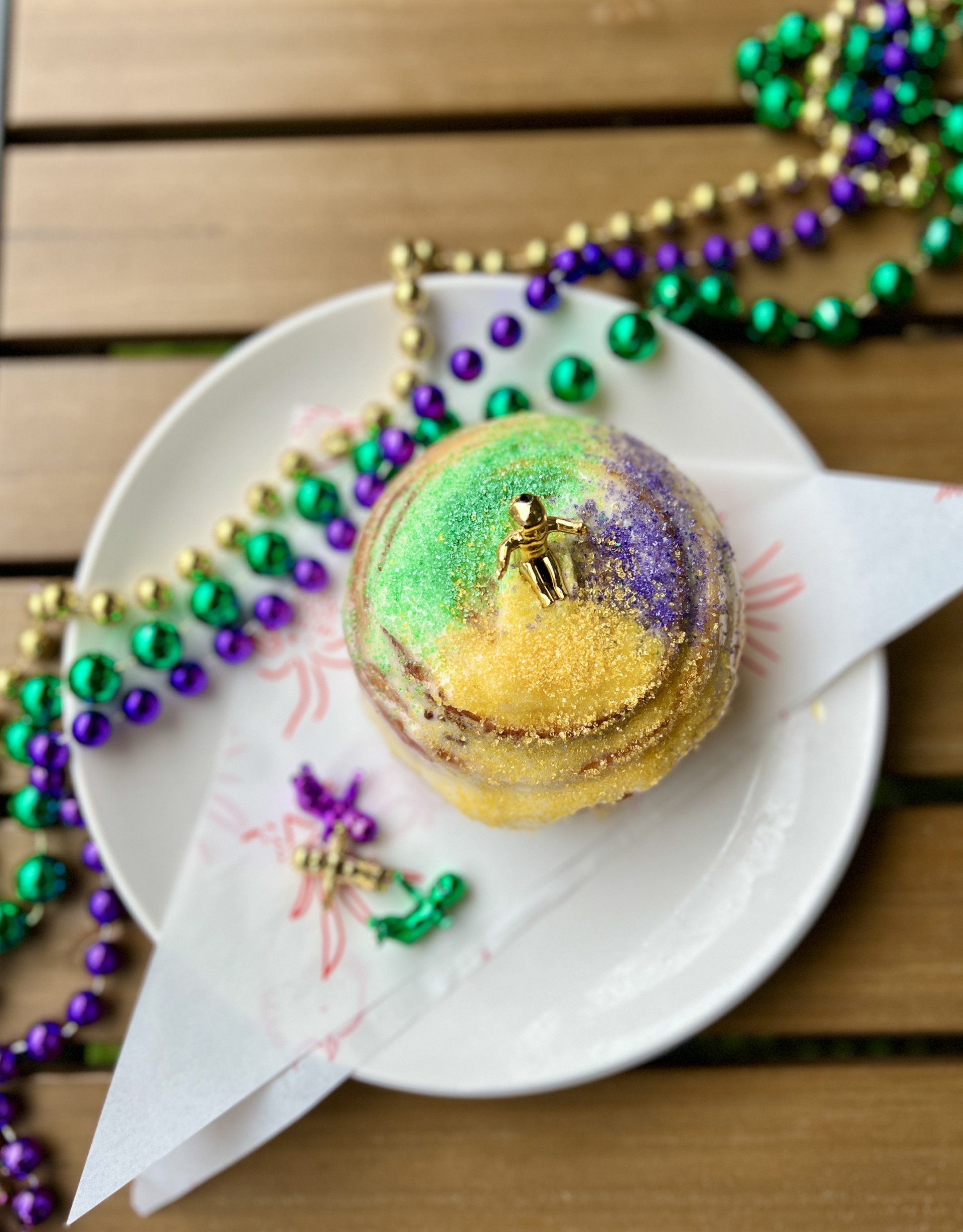
I'm chowing down on a mini King Cake, my breakfast. It's a braided cinnamon Danish sprinkled with purple, green, and gold edible glitter, with a cream cheese filling and a little plastic baby perched astride. The baby represents the infant Jesus and is said to bring luck (and an obligation to host the next fête, if he shows up in your slice.)
The last swing music revival of the late 1990s heralded in by groups like the Brian Setzer Orchestra may have seemed like the end of the line for the big band-fueled dance craziness - just don't tell that to Rebecca Roudman.
I noticed the swelling of the double bass first, quickly followed by the fluttering of brushed cymbals. A saxophone pushing against the edges of a melody swiftly married the notes together, chords drifting haphazardly before reaching a slow, pulsing groove. The jazz quartet performed in front of a liquor cabinet lined with whisky bottles; low-hanging lights teetered overhead, throwing shapes on the monochromatic marble-tiled floor. Outside, a leafy veranda was filled with diners, the music drifting through flung-open doors and windows.
"Many found the music offensive, the dancing objectionable, and the popularity of both with young people verging on a mental health crisis." So writes music historian Susan C. Cook about ragtime, the heavily syncopated ancestor of jazz that arose in the late 1800s. Like all things, ragtime's subversiveness faded over time, and, a century later, the works of Scott Joplin and other practitioners had been relegated to carnivals and fairs, their jaunty piano melodies now evoking quaint notions of old-timey fun.
Even if you're just a casual jazz fan, you probably recognize "Take the A Train," Duke Ellington's swinging theme song. Or you've heard the melancholy ballad "Lush Life" sung by Nat King Cole, by Linda Ronstadt during her Great American Songbook era, or by Lady Gaga on the album she recorded with Tony Bennett. Both of those - and many other tunes - were written by a gay man, musician, composer, and arranger Billy Strayhorn.
They should have known right off the bat that they had something special, as the opening night had Dr. John, Stevie Wonder and Johnny Winter performing to the likes of Mick Jagger and Carly Simon in the audience. Over the years, the 400-person capacity club became the place to be to see one's favorite artist up close or catch an up-and-coming unknown.