#jesus-portrait
#jesus-portrait
[ follow ]
Europe news
fromdesignboom | architecture & design magazine
3 days agoconfess your sins to maurizio cattelan and you might win his fallen pope miniature
Maurizio Cattelan's La Nona Ora returns as a limited edition sculpture, featuring Pope John Paul II struck by a meteorite, alongside a confessional hotline initiative.


Higher education
fromHarvard Gazette
3 weeks agoLike seeing art of Roman chapels in technicolor for first time - Harvard Gazette
Students learned centuries-old stucco sculpting techniques through hands-on practice, gaining deeper understanding of Renaissance and Baroque artists' material choices and creative processes.
fromMail Online
1 month agoKey Bible detail about Jesus' crucifixion confirmed after 2,000 years
According to the Gospel of John, Roman soldiers broke the legs of the two men executed alongside Jesus to hasten their deaths. But when they came to Jesus, they did not break his legs because they saw he was already dead. This detail has long intrigued historians and doctors because crucifixion victims often survived for many hours, and sometimes days.
Medicine
History
fromMedievalists.net
2 weeks agoEarly Medieval Mosaic with Playful Inscription Discovered in Turkey - Medievalists.net
A 5th-6th century mosaic discovered in southern Turkey features Greek inscriptions welcoming visitors while humorously warning against jealousy, revealing personal attitudes of late Roman-Byzantine residents.


fromwww.thehistoryblog.com
3 weeks agoMosaics from early Christian churches found in Albania
Berat is a UNESCO World Heritage Site because of its unique historic downtown characterized by 18th and 19th century Ottoman structures and urban design, but human presence in the area goes back to the 4th/3rd millennium B.C. and there is evidence of an urban settlement in Berat defined by defensive walls dating to the 7th-6th century B.C.
History
Books
fromwww.theguardian.com
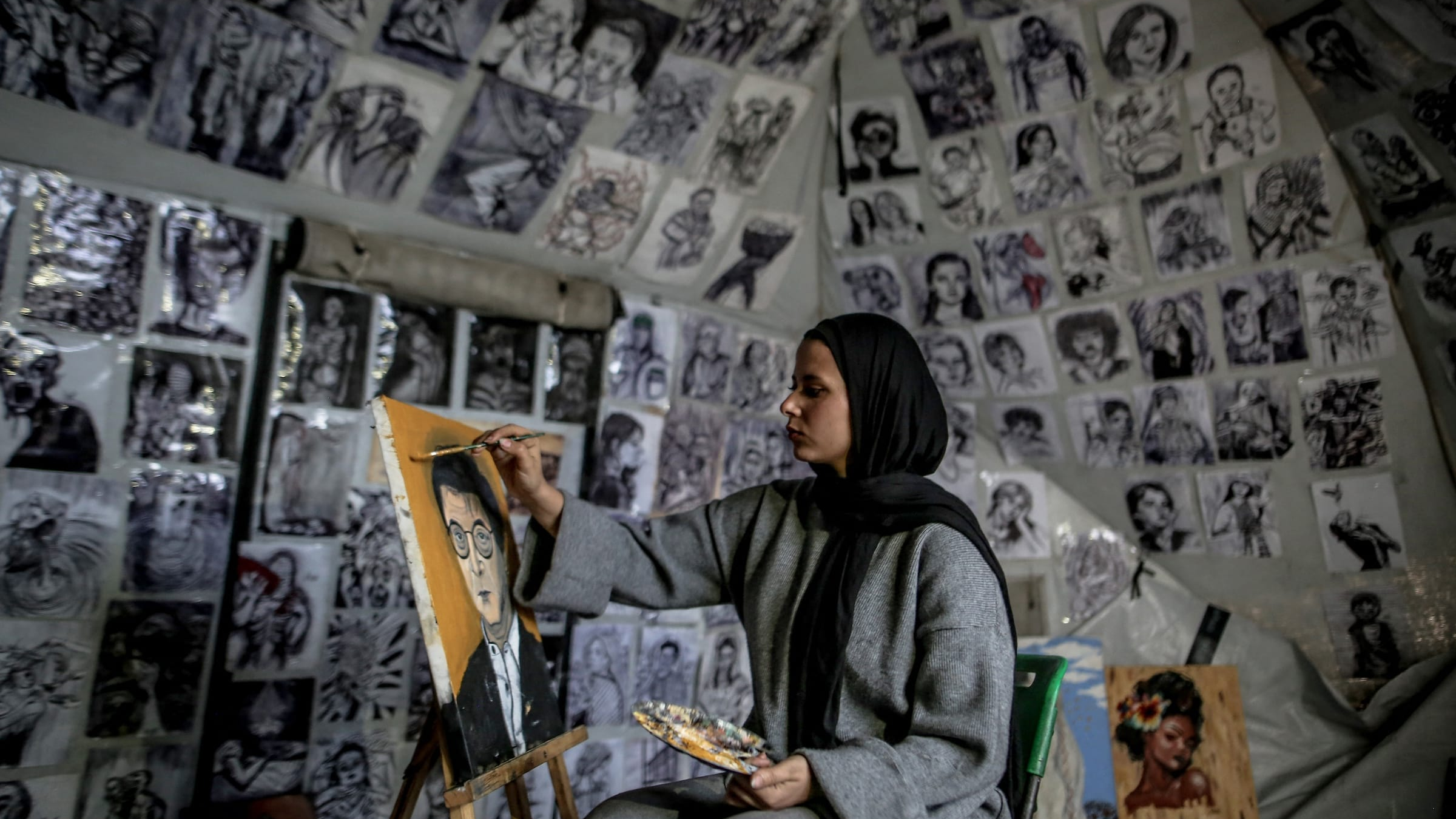
1 month agoMy rookie era: I wasn't immediately good at oil painting, but it taught me to find pleasure in struggle
Returning to painting through oil classes helped overcome fear of judgment, teaching fundamentals, practice, and acceptance of possible failure to enjoy the creative process.



Arts
fromThe Art Newspaper - International art news and events
3 weeks ago'It has nothing to do with Michelangelo': expert wades in on painting newly attributed to Renaissance master
Belgian art historian Michel Draguet claims to have discovered a Michelangelo painting from the 1540s, but leading Renaissance experts dispute the attribution based on artistic style analysis.
fromOpen Culture
4 weeks agoRoman Statues Weren't White; They Were Once Painted in Vivid, Bright Colors
One tenet of classical idealism is the idea that Roman and Greek statuary embodied an ideal of pure whiteness-a misconception modern sculptors perpetuated for hundreds of years by making busts and statues in polished white marble. But the truth is that both Greek statues and their Roman counterparts were originally brightly painted in riotous color.
History
fromArtnet News
3 weeks agoPreviously Unseen Dante Gabriel Rossetti Portrait Goes on View for the First Time
Unlike Rossetti's Pre-Raphaelite paintings of winsome maidens surrounded by flowers, the 1877 chalk portrait of his sister offers a flat, realistic impression. She wears an impenetrable expression and dull-colored clothing that blends into an unadorned background. The somber tone is the product of family tragedy: Christina remains in mourning following the death of her older sister Maria, a writer and Anglican nun, in 1876.
Arts
fromArtnet News
3 weeks agoTrinity Fine Art Traces the Shift from Mannerism to Baroque at TEFAF
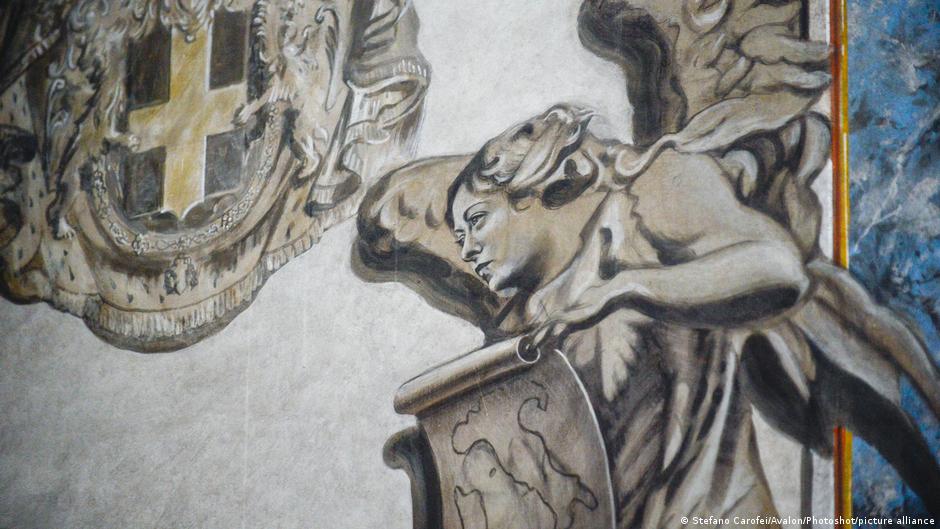
Fontana is a rare example of a woman Old Master, one of only a few who managed to attain career success on her own and was the first woman elected to the Academy of Saint Luke in Rome. This painting is one of the most ambitious from her early career. Reflecting visual references to Michelangelo-a departure from her usual reference to Correggio and Raphael-the vibrant hues and dramatic composition reflect prevailing Florentine trends of the late 16th century.
Arts
Arts
fromThe Art Newspaper - International art news and events
1 month agoA short guide to the hidden meanings in great paintings
Historic paintings contain symbolic meanings and motifs that convey spiritual, moral, and philosophical messages through objects like apples, angels, books, butterflies, and candles.
Arts
fromArtnet News
1 month agoThe Art Boom in the Middle East, Are Old Masters Cool Now?, and a Fresco Fracas in Italy | Artnet News
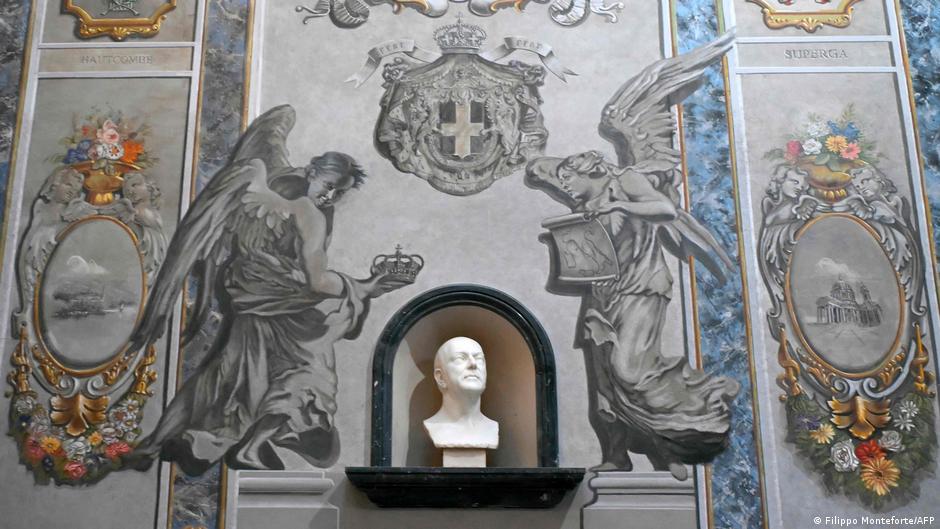
Art Basel Qatar raises questions about cultural power redistribution, while contemporary art's focus on Old Masters reflects market pressures, and a removed church fresco in Rome highlights tensions between restoration, iconography, and political imagery.
fromMedievalists.net
2 months agoThe End of the World in Images: The Picture Book of the Life of St John and the Apocalypse - Medievalists.net
Picture Book of the Life of St John and the Apocalypse is a unique and visually striking example of the picture-book Apocalypse - a distinctive group of medieval manuscripts that present the apocalyptic visions of the Book of Revelation primarily through images. Centred on the visions of St John and often framed by episodes from his legendary life, these manuscripts transform the biblical text into a continuous pictorial narrative.
History
fromMedievalists.net
1 month agoWhy were pseudo-Arabic inscriptions placed on churches in Greece?, with Alicia Walker - Medievalists.net
A conversation with Alicia Walker on the pseudo-Arabic inscriptions (or pseudo-kufic) that appear on a number of tenth- and eleventh-century churches in Greece, most notably at the monastery of Hosios Loukas. What did the Arabic script signify in Orthodox culture at the time if not tension with Islam? Alicia Walker is Professor of History of Art at Bryn Mawr College.
History
fromwww.theguardian.com
2 months agoMonkey Christ' is as good as a Picasso | Brief letters
I was intrigued by the similarity between two paintings recently featured in the Guardian: the Ecce Homo as restored by Cecilia Gimenez (Cecilia Gimenez, famed for Monkey Christ' mural mishap, dies at 94, 30 December) and Tete de Femme by Pablo Picasso (1m Picasso portrait up for grabs for 100 in charity raffle, 31 December). Perhaps Cecilia's work is in need of a reappraisal. Steve Shearsmith Beverley, East Yorkshire
Arts
Arts
fromThe Art Newspaper - International art news and events
2 months agoAcquisitions round-up: a rare early Italian portrait of a Black man, a record-breaking Kiddush cup, and a limewood sculpture of the Madonna
Major museums and auctions highlighted historic works: Ceruti’s rare portrait of a Moor, a Khorasan Kiddush cup record sale, and a newly acquired 16th-century limewood Madonna.
fromOpen Culture
1 month agoCats in Medieval Manuscripts & Paintings
Renais­sance artist Albrecht Dür­er (1471-1528) nev­er saw a rhi­no him­self, but by rely­ing on eye­wit­ness descrip­tions of the one King Manuel I of Por­tu­gal intend­ed as a gift to the Pope, he man­aged to ren­der a fair­ly real­is­tic one, all things con­sid­ered.
Arts
[ Load more ]