#jetta-gli
#jetta-gli
[ follow ]
#electric-vehicles #volkswagen #automotive-industry #mercedes-benz #porsche #bmw #tesla #automotive-technology

fromThe Verge
3 days agoMercedes adds steer-by-wire - and a dang steering yoke - to the EQS
Steer-by-wire systems replace traditional mechanical steering mechanisms that include racks and pinions with electronically controlled servos. Commonly used in airplanes, the electronic system takes inputs from the driver and relays them to electronic actuators that then control the direction of the wheels on the car.
Cars
European startups
fromwww.dw.com
4 weeks agoVolkswagen Group profits take big hit on Porsche shift
Volkswagen's net profits fell 44% to 6.9 billion in 2025, marking its worst performance since 2016, driven by geopolitical tensions, tariffs, Chinese competition, and electric vehicle transition challenges.
fromTESLARATI
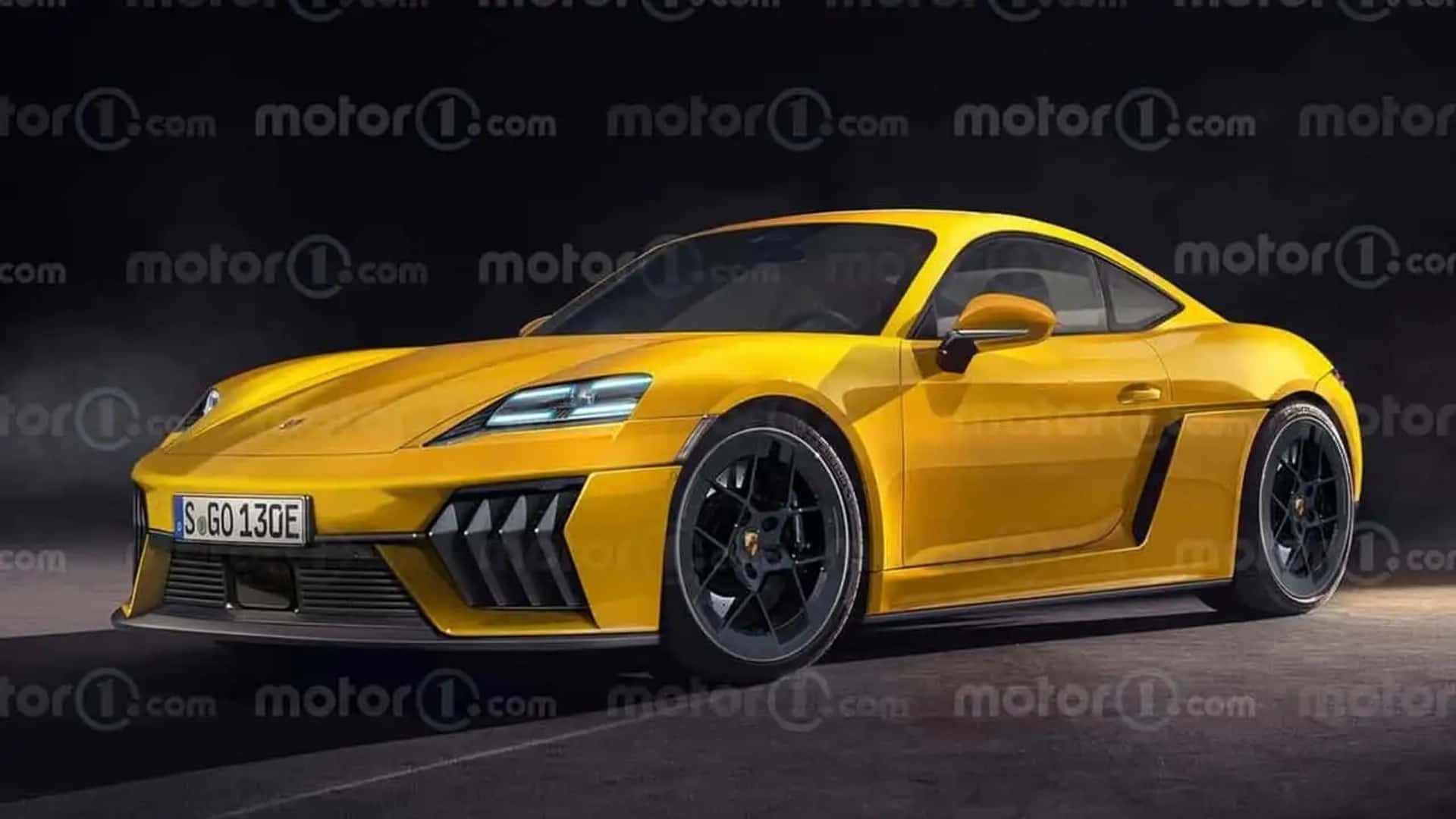
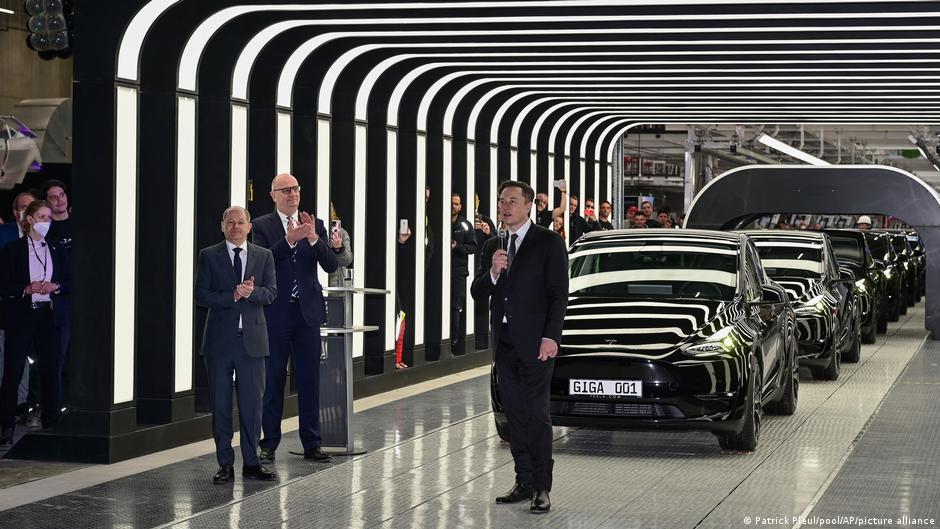
1 month agoTesla Giga Berlin head calls out Handelsblatt's alleged 2025 production figures
In the last article about Tesla in Grünheide, the Handelsblatt speaks e.g. of 149,000 Model Ys built in 2025. WRONG! In 2025, we again produced over 200,000 vehicles. And this despite the fact that we stopped production in Q1 for the changeover to the new Model Y and then ramped it up again to 5,000 units per week over several weeks.
Tech industry
#polestar-3
Cars
frominsideevs.com
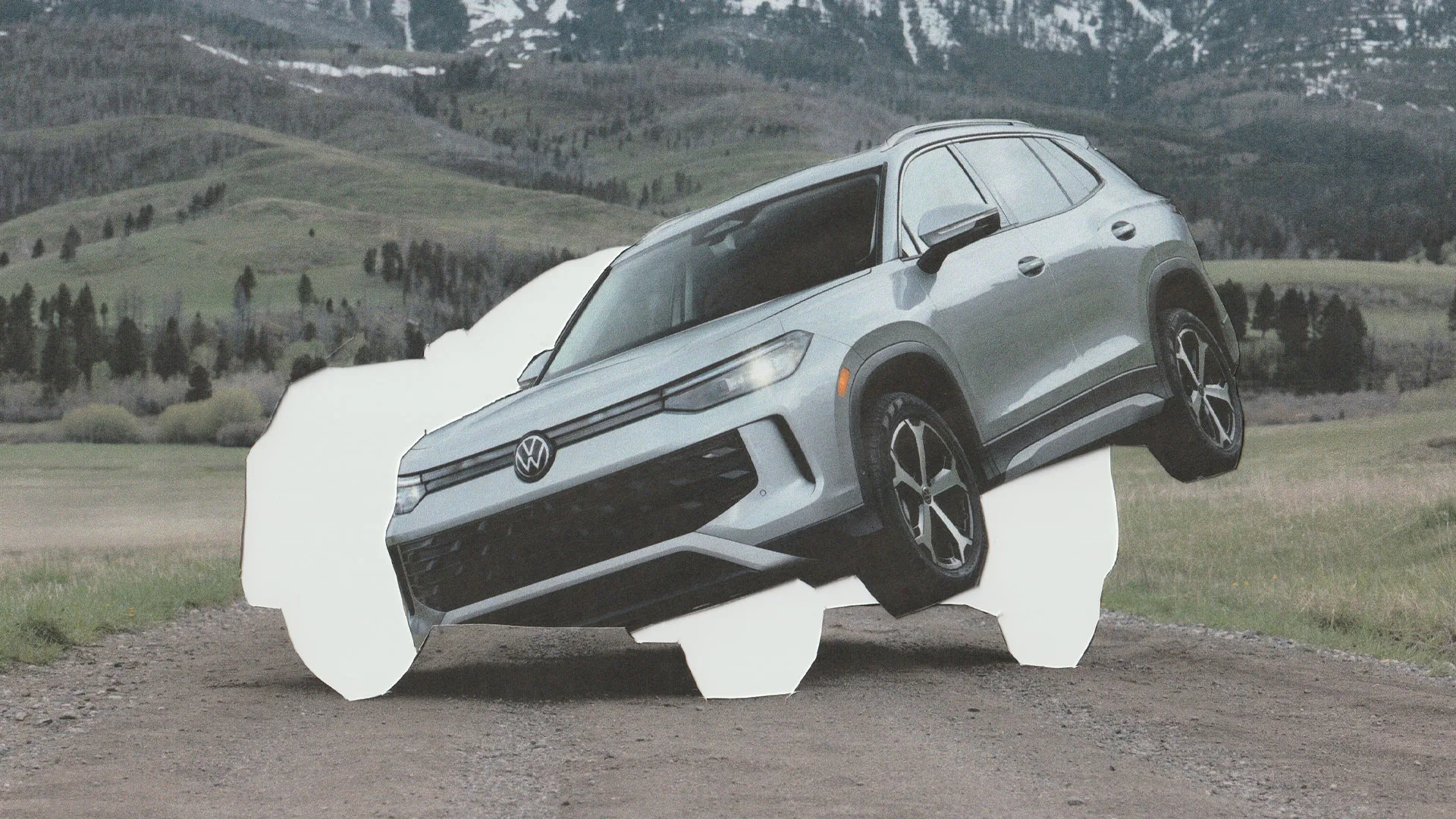
2 weeks agoI've Tried All Of The High Performance' SUVs. The Polestar 3 Drives Better Than Any Of Them
The Polestar 3 achieves superior performance and comfort as a super-SUV through advanced suspension technology and balanced engineering, outperforming competitors despite the inherent physics limitations of large vehicles.
#electric-vehicles
Cars
fromEngadget
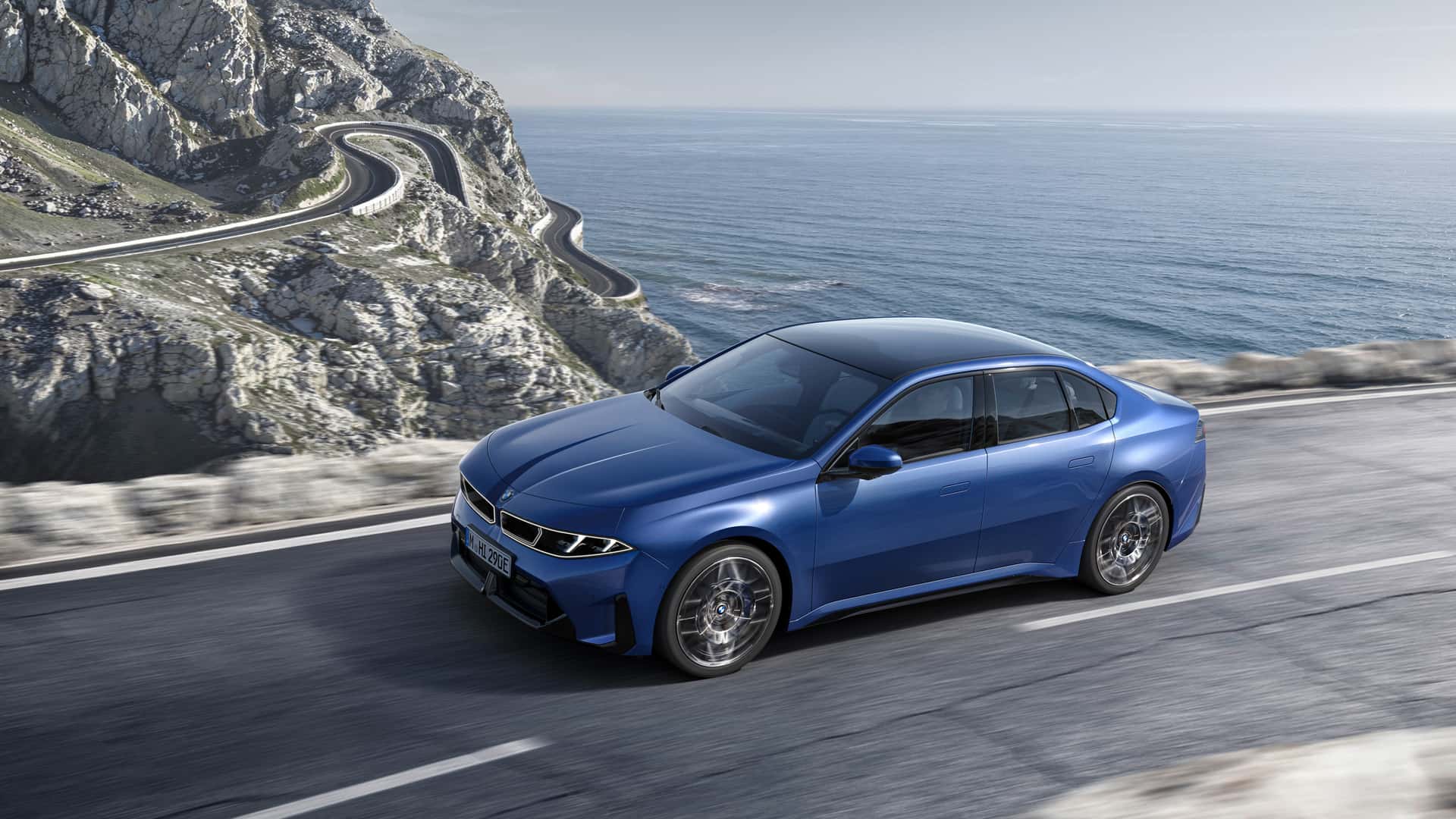
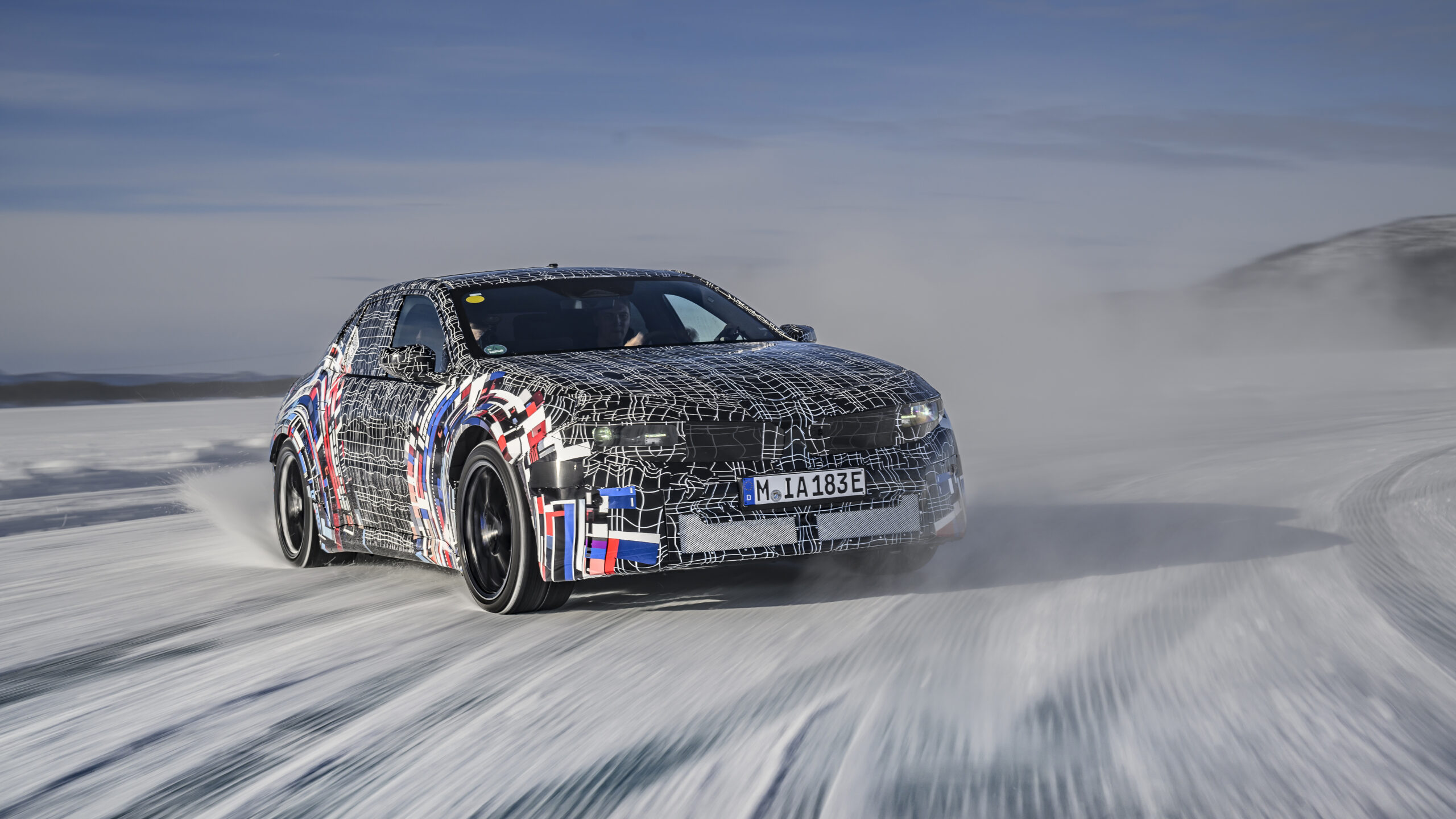
1 month agoBMW's i3 prototype conquers the ice with power and technology
BMW's new i3 sedan electric vehicle demonstrates strong driving performance and represents a significant advancement in EV technology through its Neue Klasse platform, new battery architecture, and improved charging capabilities.
Cars
fromEngadget
1 month agoBMW's i3 prototype conquers the ice with power and technology
BMW's new i3 sedan electric vehicle demonstrates strong driving performance and represents a significant advancement in EV technology through its Neue Klasse platform, new battery architecture, and improved charging capabilities.
Cars
fromYanko Design - Modern Industrial Design News
3 weeks agoThis Volkswagen Concept Gives Front and Rear Passengers Completely Different Cars to Ride In - Yanko Design
Level 5 autonomous vehicles eliminate crash safety constraints, enabling separate experiential zones with different postures and relationships to the environment rather than uniform lounge interiors.
fromArchitectural Digest
2 months agoThe 'Porsche Barn,' Explained for the Rest of Us
The project was originally intended to be much less, simply a garage for the owners' current beloved collection of five Porsches-two convertibles, a coupe, an SUV, and an electric sedan. But as they started talking, says lead architect Carl Baker, the mission crept to include "the ability to indulge all of their hobbies."
Renovation
fromInsideHook
3 weeks agoCan a Name Change Fix Volkswagen's EV Problems?
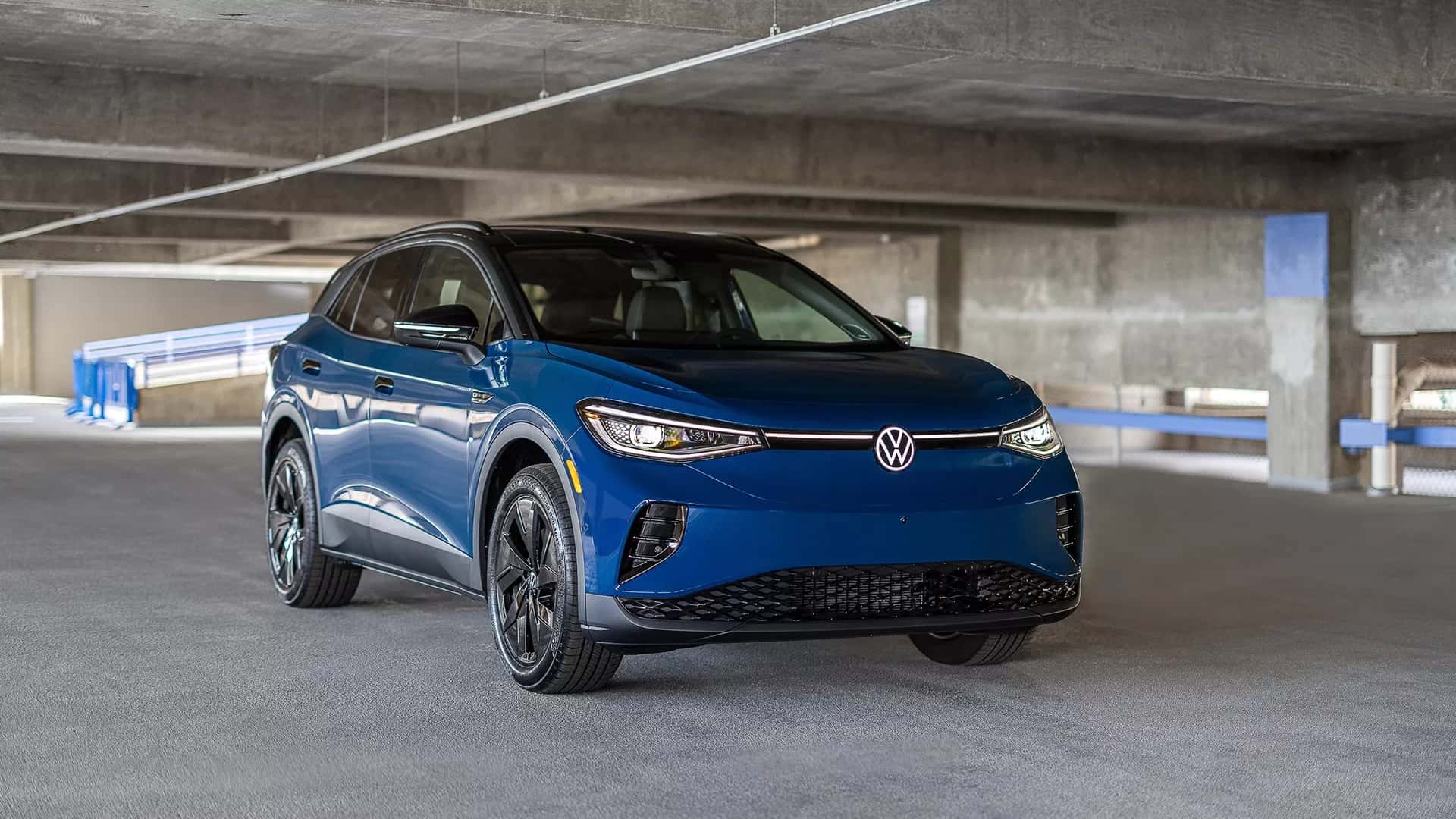
Volkswagen's answer has involved using the "ID." preface for its EVs. It's a relatively elegant solution to this issue but one that's also led to other problems. Namely, the numbers used for the series of EVs don't give a sense of what drivers can expect. The ID.4 is an SUV, while the ID.7 is a sedan.
Cars
Cars
frominsideevs.com
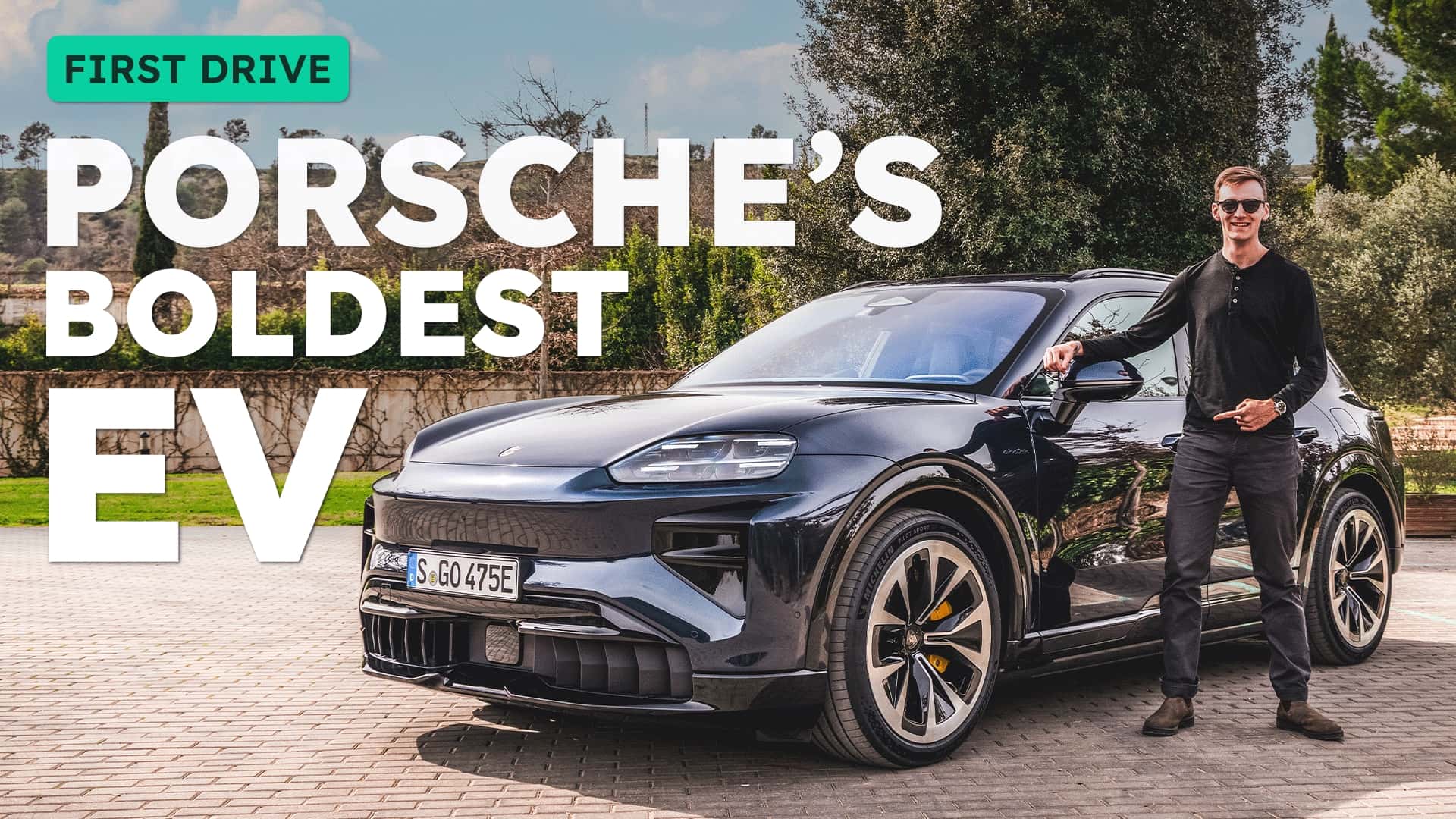
4 weeks agoThe New Porsche Cayenne S Electric Undercuts The Top-Spec Turbo By $36,000
Porsche introduced the Cayenne S Electric, a mid-range trim priced at $128,650 that offers 536 hp, 405-mile range, and 3.6-second 0-60 acceleration, positioning between the base model and premium Turbo variant.
Cars
fromEngadget
1 month ago2027 Audi RS5 first drive: Big thrills with a big battery
Audi's new RS5 plug-in hybrid combines a 2.9-liter twin-turbocharged V-6 engine with two electric motors, producing 630 horsepower and representing Audi's strategy of offering multiple propulsion options amid uncertain EV market conditions.
Cars
fromdesignboom | architecture & design magazine
1 month agowind-sculpted hypercar by xiaomi embeds cutouts to let air pass through the teardrop body
Xiaomi's Vision Gran Turismo hypercar integrates aerodynamic design through wind-sculpted surfaces and air ducts that eliminate the need for traditional wings while achieving both low drag and downforce.
fromYanko Design - Modern Industrial Design News
1 month agoThis Mercedes-AMG Uhlenhaut Shooting Brake Concept is the Most Beautiful Car You'll See This Week - Yanko Design
The original 300 SL Uhlenhaut Coupe, the racing variant that never made it to public roads, remains one of the most valuable cars ever auctioned, fetching $143 million at a 2022 Sotheby's sale. So when concept designer Gabriel Naretto decided to name his reimagined Mercedes-AMG shooting brake after the man himself, the pressure to deliver something worthy of that legacy was immense.
Cars
Cars
fromComputerWeekly.com
2 months agoVolkswagen looks to deliver advanced infotainment and connectivity capabilities | Computer Weekly
Volkswagen Group will use Qualcomm's Snapdragon Digital Chassis and Snapdragon Cockpit Platform to provide SoCs and AI-driven infotainment in its zonal SDV architecture from 2027.
frominsideevs.com
2 months agoThe Hyundai Staria EV Does What The Volkswagen ID. Buzz Can't
The Hyundai Staria Electric is powered by an 84-kilowatt-hour battery that enables a WLTP combined range of 248 miles. It's not based on the E-GMP platform, but it borrows its best feature. This is the Hyundai Staria Electric, a battery-powered minivan that will compete with models like the Volkswagen ID. Buzz and Kia PV5 when it goes on sale later this year in Europe and Korea.
Cars
frominsideevs.com
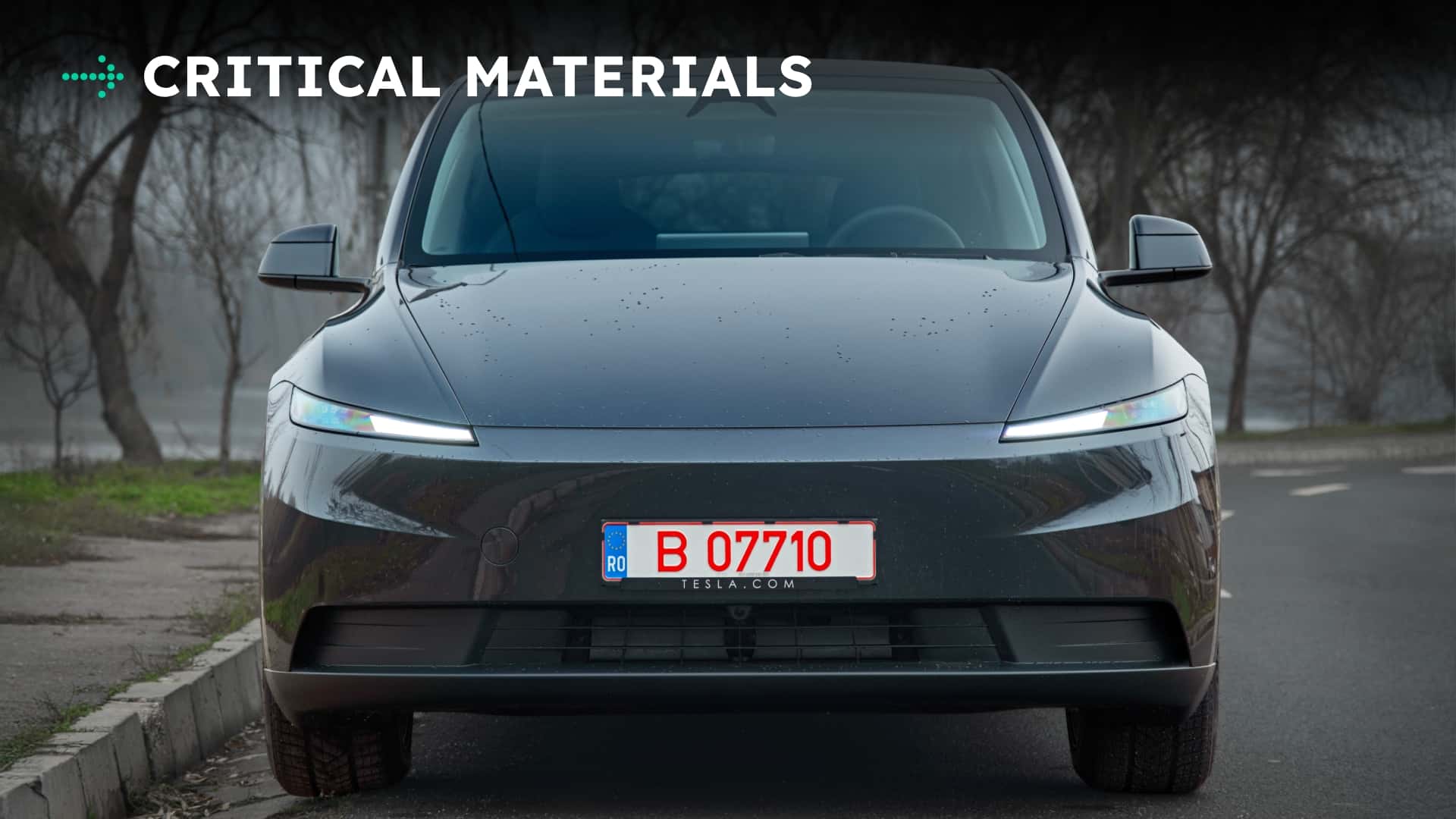
1 month agoTesla Deleted Lots Of Features In The Model Y Standard, But It Didn't Ruin It
They argue that all the equipment it loses in the quest for improved affordability is enough to make it not worth considering. But is that really true? Most of the criticism boils down to one idea: Tesla cut comfort and convenience features and that all adds up to make it feel cheap. So I treated the Standard like a normal car for almost two weeks, waiting for the moment it started to feel compromised and like a bad choice. It never came.
Cars


Cars
fromYanko Design - Modern Industrial Design News
2 months agoThis Stealth Fighter-Inspired Buggy Makes Modern Supercars Look Too Polite - Yanko Design
Wedge-inspired dune buggy fuses 1970s–80s angular supercar styling with exposed suspension, bronze wheels, and uncompromising track-focused, non-street-legal design.
from24/7 Wall St.
2 months agoI Always Dreamed of Purchasing a Mercedes-Benz, But These 10 Red Flags Changed My Mind
This is silly, but a particular lifestyle seemingly comes with it for anyone who drives a Mercedes. You might feel like you are taking on the responsibility of trying to show you are living a "rich" lifestyle, even if that isn't why you bought the car. Ultimately, this kind of pressure isn't for everyone and isn't guaranteed to happen, but many Mercedes owners complain about it after purchase.
Cars
Cars
fromYanko Design - Modern Industrial Design News
1 month agoRetro-modern Starke Gen 2 Speedster is a Porsche 356 dupe spiced-up with modern creature comforts - Yanko Design
Stärke Motor Company's Gen 2 Speedster blends 1950s Porsche 356 styling with modern Porsche 718 Boxster mechanicals, 3D-printed body components, and customizable luxury features.
fromYanko Design - Modern Industrial Design News
2 months agoDonkervoort P24 RS is a counterpunch build for drivers who crave raw speed - Yanko Design
The newly unveiled car is ultra-agile thanks to the weight reduction achieved by shaving off components like the skid-control, torque-vectoring, or automatic brake-assist. It doesn't even have power steering, and gives buyers the option to skip the air conditioning unit for weight reduction, making it the ideal fit for raw purists who want to feel every little change happening in the driving dynamics.
Cars

frominsideevs.com
2 months ago14 Family EVs Faced This Freezing Highway Simulation. One Was A Clear Winner
Germany's ADAC simulated a 361-mile winter highway run at ~0 C with identical conditions to evaluate real-world range and charging needs, showing all EVs fell short of their WLTP figures. The Audi A6 Avant E-tron Performance topped the group with strong efficiency and charging, regaining ~186 miles of range in a 20-minute fast charge. The Tesla Model Y showed the best consumption, but slower charging limited gains; other models varied widely in range and charging capability under winter stress. More than a dozen new electric
Cars
Cars
fromYanko Design - Modern Industrial Design News
2 months agoDarkSky One supercar lurks in the dark like a ninja with its sensible lighting - Yanko Design
DarkSky One is a matte-black supercar engineered for nighttime-first driving, minimizing light pollution with adaptive LiDAR-controlled lighting and subtle side illumination.
[ Load more ]