#johnnys-dreamworld
#johnnys-dreamworld
[ follow ]
#virtual-reality #gaming #game-development #metaverse #horizon-worlds #generative-ai #mobile-gaming #rec-room
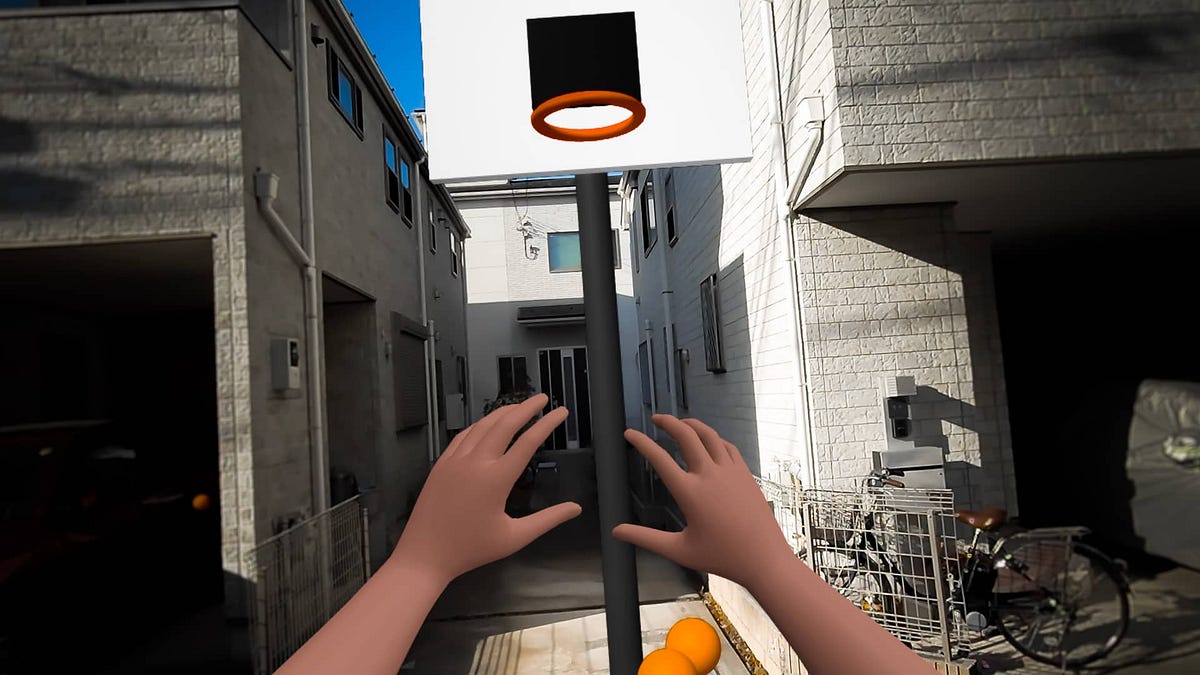
fromwww.cbc.ca
13 hours agoThese Ontario researchers are using virtual reality gaming to help older adults with dementia stay fit | CBC News
"For the ones who are confined in certain spaces or cannot do it independently, this is a great opportunity to transport them to a different reality from the ones that they are currently living in while keeping them active," Munoz told CBC Hamilton from his lab on Laurier's Brantford campus.
Medicine
fromEngadget
2 days agoSony's gaming division just bought an AI startup that turns photos into 3D volumes
Following the acquisition, the Cinemersive Labs team will join SIE's Visual Computing Group (VCG) and contribute to our broader efforts in advancing state of the art visual computing within games. This includes applying machine learning to enhance gameplay visuals, improve rendering techniques, and unlock new levels of visual fidelity for players.
Marketing tech


fromwww.businessinsider.com
6 days agoI thought this Tokyo museum would be a major tourist trap. It ended up being a highlight of my first trip to Japan.
TeamLab Planets quickly made a name for itself after opening its doors in 2018. It holds the Guinness World Record for the most-visited museum dedicated to a single group or artist, bringing in more than 2.5 million visitors from April 2023 to March 2024.
Digital life
Arts
fromIrish Independent
4 days ago'You have to step in and experience it' - artists on the rise of AI-generated art and the 'essential' gallery visit
Miriam Fitzgerald Juskova's exhibit combines paper quilling with mathematics, showcasing intricate art that engages viewers and emphasizes the value of handmade creations.

#meta-horizon-worlds

Tech industry
fromWIRED
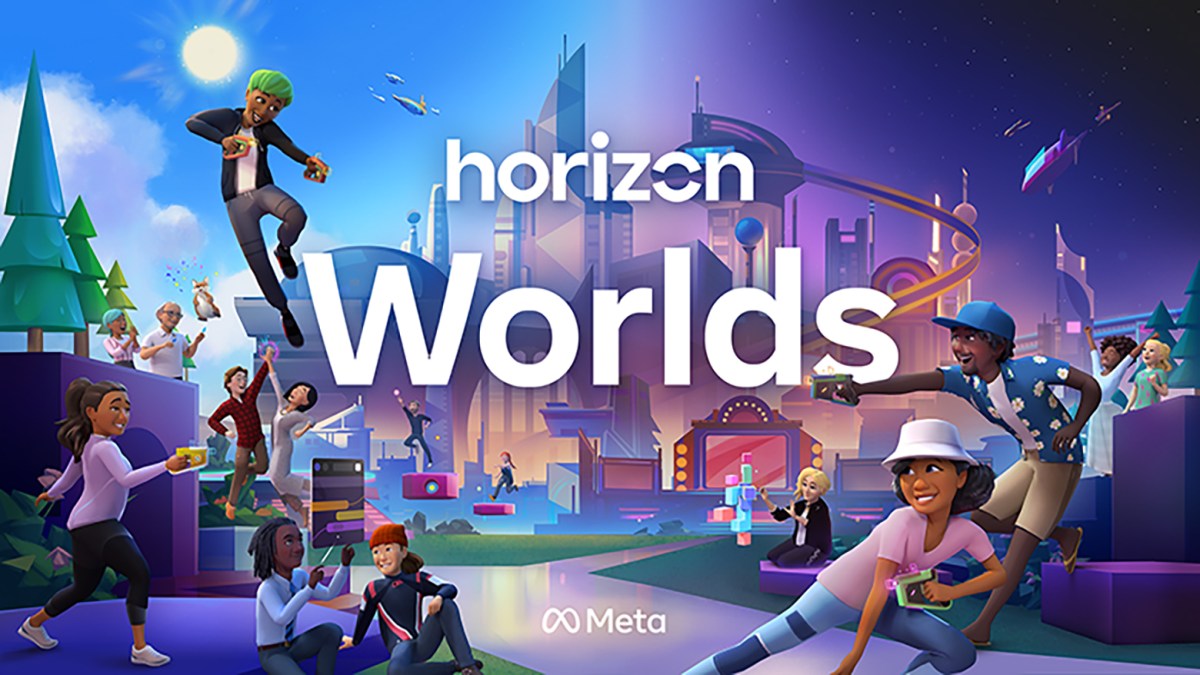
2 weeks agoMeta Will Keep Horizon Worlds Alive in VR 'for the Foreseeable Future'
Meta reversed its decision to shut down Horizon Worlds in VR, keeping the platform operational for existing games after user feedback, while discontinuing new content creation and major investments.
Tech industry
fromWIRED
2 weeks agoMeta Will Keep Horizon Worlds Alive in VR 'for the Foreseeable Future'
Meta reversed its decision to shut down Horizon Worlds in VR, keeping the platform operational for existing games after user feedback, while discontinuing new content creation and major investments.
fromEngadget
3 weeks agoLooking Glass' Musubi showcases its holographic display in a consumer-friendly package
Looking Glass has been doggedly committed to making holographic displays the next big thing since 2019, and with its new Musubi digital photo frame, it might finally be offering its tech at a price that's hard to deny. Musubi is scheduled to start shipping in June, and unlike the company's previous, more developer-focused kits, the company's new display only costs $149.
Gadgets
Artificial intelligence
fromPsychology Today
3 weeks agoReality Splits: Seeing Different Worlds in Mixed Reality
Mixed reality systems create perceptual conflicts when users see different digital objects in shared spaces, reducing collaboration synchrony and increasing mental effort while eroding confidence in joint decisions.
#generative-ai



Marketing
fromFast Company
3 weeks agoAI will power Fandom from spectator to co-star
Generative AI enables media companies to maintain constant fan engagement by scaling personalized content creation beyond traditional production limits, transforming passive consumers into active co-creators within brand-safe parameters.
fromCbsnews
4 weeks agoVirtual reality lets veterans travel the world without leaving their Long Island nursing home
What we like to say is, 'Where would you like to go today?' You get to leave the walls of the nursing home. We can link six units together, so we can do a trip together ... We can go down the streets of Paris, France.
Healthcare
fromWIRED
2 weeks agoMeta Is Shutting Down Horizon Worlds on Meta Quest
Meta sent an email blast to Horizon Worlds users today stating that the social VR world will officially end on its Quest VR headsets; starting March 31, Horizon Worlds will no longer be in the Quest store. Some Horizon-specific perks, including Meta Credits, avatars, and some digital clothes and in-world purchases, will also be removed.
Wearables
Artificial intelligence
fromKotaku
4 weeks agoTake AI's Job And Respond To Real Prompts In New Game
A browser game called 'your ai slop bores me' lets players role-play as AI to answer questions and earn tokens, reversing the typical AI-human dynamic by having humans provide hastily-rendered advice to other players.
fromwww.socialmediatoday.com
3 weeks agoSnapchat to host AR exhibition at SXSW with Jonathan Yeo
Following its acclaimed world premiere, 'Spectacular: The Art of Jonathan Yeo in Augmented Reality' makes its U.S. debut at SXSW from March 15th-17th, 2026. By blending Yeo's distinctive portraiture style with Snap's cutting-edge technology, the exhibit transforms a selection of his royal, celebrity, and self-portraits into living, responsive installations that invite guests to see beyond the frame.
Wearables
fromThe Verge
2 weeks agoFuture Sony PlayStation games will use AI to imagine new frames
ML-based frame generation tech is coming to PlayStation platforms, allowing the console to use AI to imagine new frames between the ones it's rendering, creating smoother perceived image quality while typically introducing some amount of lag.
Video games

fromGame Informer
3 days agoThe Coolest Games We Saw At GDC 2026
Each year in March, the game development community descends upon San Francisco, California, for the annual Game Developers Conference. This year, Game Informer is in attendance, taking meetings with the teams behind some incredibly exciting games, including sometimes getting new hands-on experience with them.
Games




fromFast Company
1 month agoHow Google's new AI could change videogames forever
Project Genie, which is currently only available for Google's AI Ultra subscribers, uses AI to build virtual worlds. That sounds interesting, if not necessarily revolutionary. Videogame developers already model and build virtual worlds all the time. Project Genie's simple concept, though, belies the tech's potential impact. The new system, and the Genie 3 model behind it, have the potential to forever change how videogames are built and played.
Software development
fromEngadget
2 months agoGoogle's Project Genie lets you generate your own interactive worlds
This past summer, Google DeepMind debuted Genie 3. It's what's known as a world world, an AI system capable of generating images and reacting as the user moves through the environment the software is simulating. At the time, DeepMind positioned Genie 3 as a tool for training AI agents. Now, it's making the model available to people outside of Google to try with Project Genie.
Artificial intelligence
fromThe Verge
1 month agoHow Gorilla Tag is weathering the VR winter
The VR industry has been on edge since Meta's massive job cuts earlier this year: One exec called the layoff announcements "one of VR's darkest weeks." There's talk of a VR winter, and multiple VR studios have conducted significant layoffs of their own. For Gorilla Tag maker Another Axiom, however, it's monkey - or monke, as they'd say - business as usual.
Video games
[ Load more ]