#jorge-glas
#jorge-glas
[ follow ]
#ecuador #venezuela #gustavo-petro #peru-politics #political-prisoners #corruption #human-rights #drug-trafficking
#ecuador

Photography
fromArchDaily
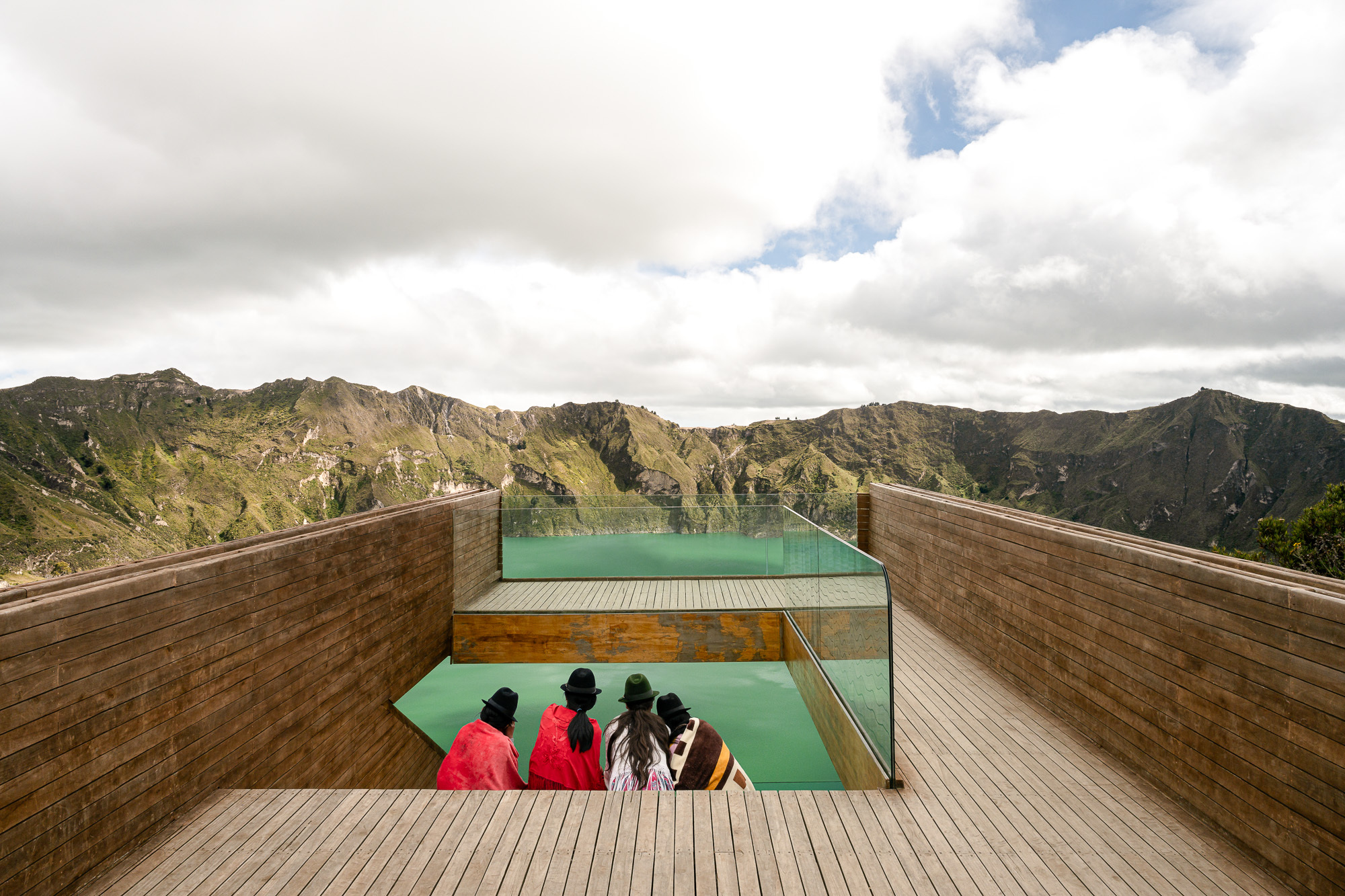
3 days ago40+ Contemporary Architectural Works Across Ecuador Captured by Francesco Russo and Luca Piffaretti
Photographers document Ecuador's architecture and landscapes, highlighting the country's evolving identity and the interplay between built environments and natural surroundings.

#venezuela
World news
fromenglish.elpais.com
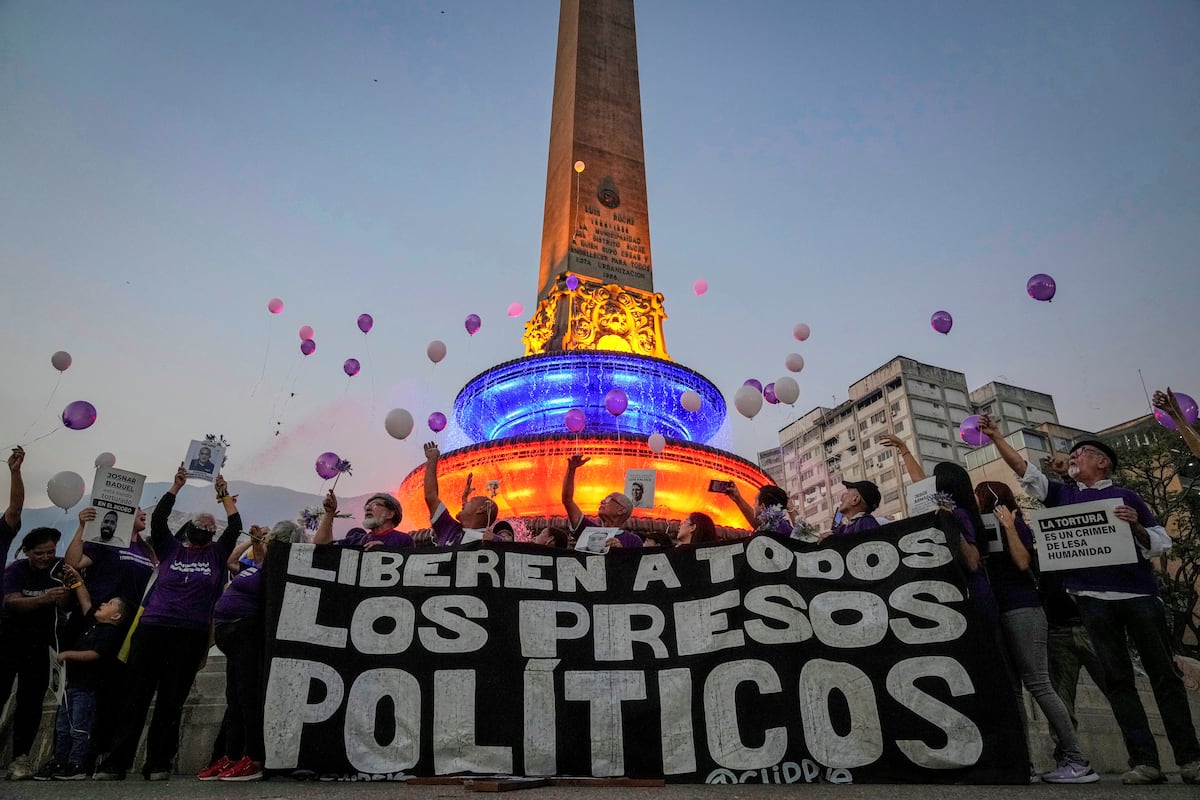
2 weeks agoSkepticism in Miami over Delcy Rodriguez's promises of legal security in Venezuela: We have to wait and see if they do what they say'
Venezuela's interim president promises legal security to attract foreign investment, but skepticism remains among investors about the country's economic opening.


World news
fromenglish.elpais.com
2 weeks agoSkepticism in Miami over Delcy Rodriguez's promises of legal security in Venezuela: We have to wait and see if they do what they say'
Venezuela's interim president promises legal security to attract foreign investment, but skepticism remains among investors about the country's economic opening.
fromTruthout
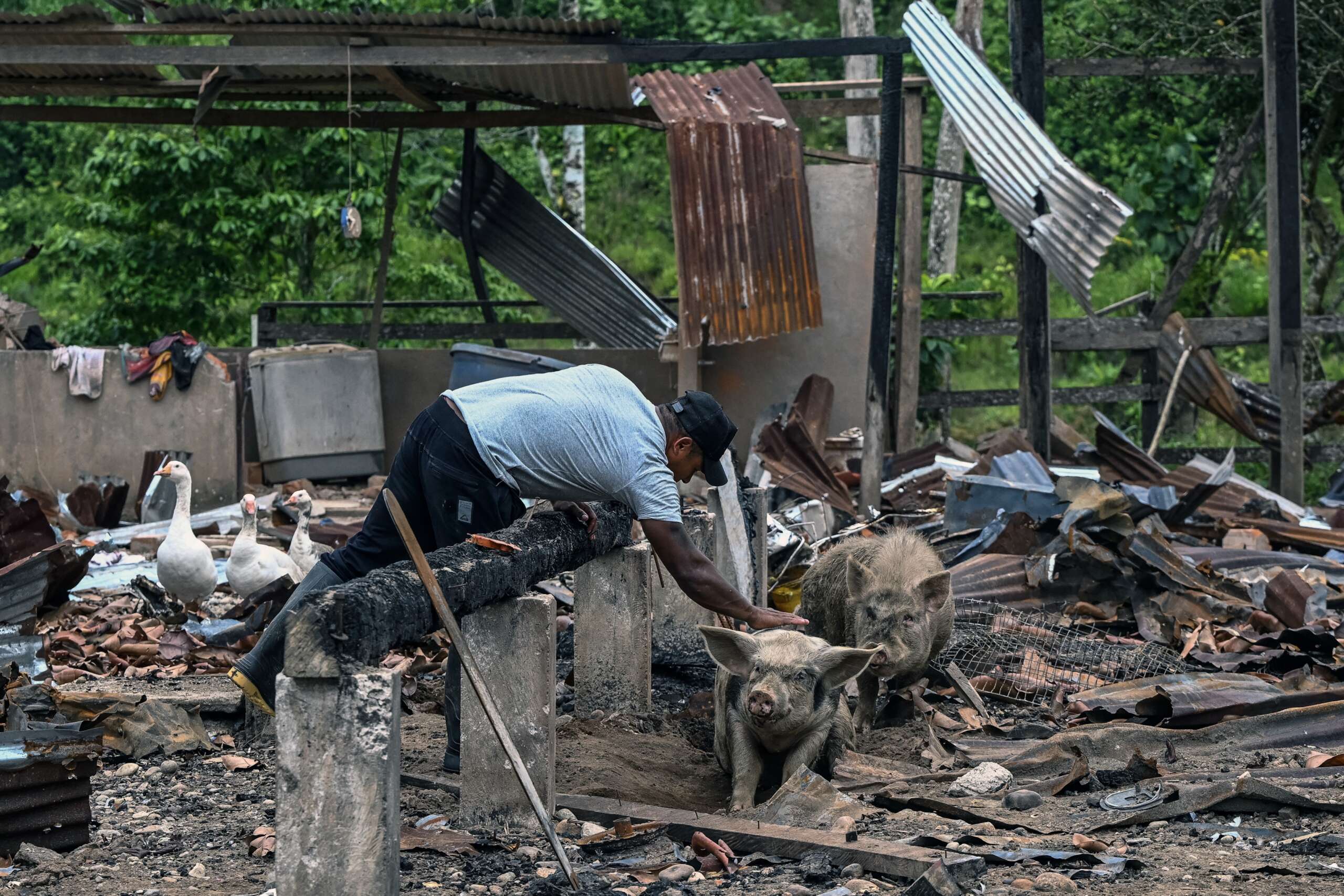
3 weeks agoEcuador Is Suspending the Bank Accounts of Environmental Activists
Financial strangulation, as he put it, is the latest weapon in the government's escalating effort to clear the way for expanded mining and oil development in one of the world's most biodiverse countries. Months earlier, officials had temporarily frozen the accounts of several of Ecuador's most prominent environmental defenders, including Tapia, citing investigations into unjust private enrichment and financing terrorism.
Social justice
Madrid food
fromenglish.elpais.com
2 weeks agoThe criminal underworlds of Mexico, Colombia, and Ecuador converge in the murder of Fernando Villavicencio
Mexico captured Angel Esteban Aguilar, a Los Lobos leader wanted for a 2023 presidential candidate murder, revealing criminal networks connecting Ecuador, Mexico, and Colombia in cocaine trafficking operations.
#colombia-ecuador-border-conflict

World politics
fromwww.aljazeera.com
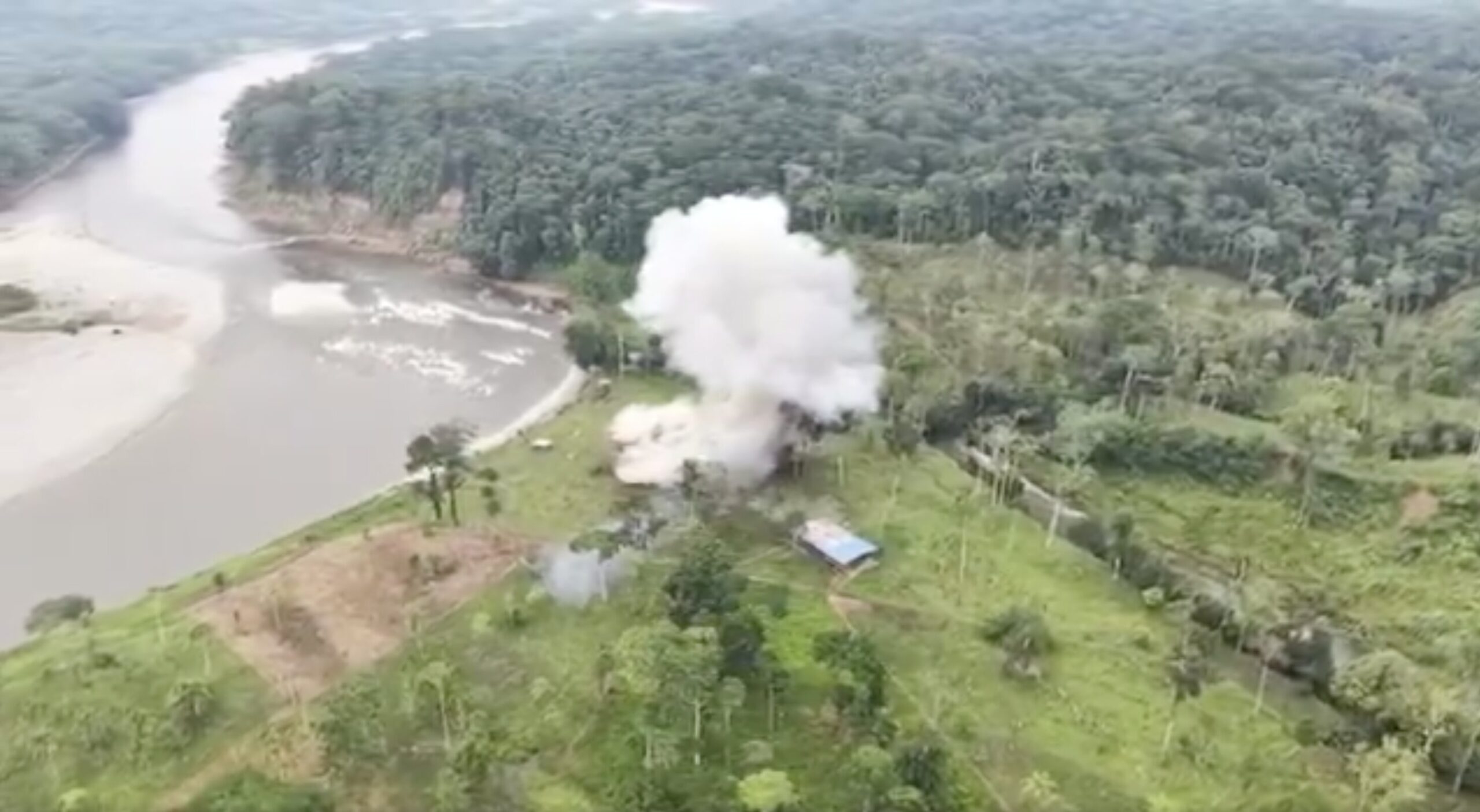
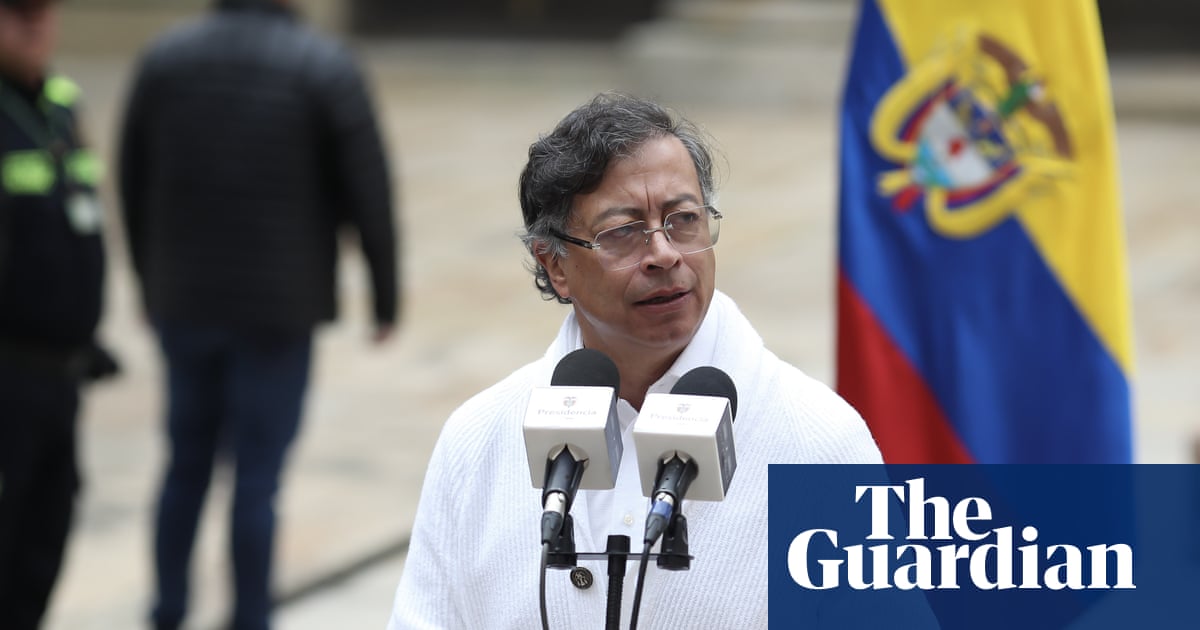
3 weeks agoColombia's Petro accuses Ecuador of bombing near border
Colombian President Petro accused Ecuador's military of bombing Colombian territory and reported 27 charred bodies found on the border, while Ecuador's President Noboa denied the allegations, claiming all military strikes occur within Ecuador's borders.
World news
fromwww.theguardian.com
3 weeks agoColombian president accuses Ecuador after 27 charred bodies' found near border
Colombian President Petro accuses Ecuador of bombing Colombian territory, killing 27 people, while Ecuadorian President Noboa denies the allegations and blames Colombia for allowing criminal groups to operate across their shared border.
Environment
fromwww.aljazeera.com
3 weeks agoChile's President Kast tosses out dozens of environmental protections
Chile's new President Jose Antonio Kast suspended 43 environmental regulations covering emissions, pollution, and national parks to prioritize economic growth and job creation over environmental protections.
World politics
fromenglish.elpais.com
3 weeks agoPetro accuses Ecuador of bombing Colombia, sparking a new diplomatic crisis
Colombia and Ecuador face a severe diplomatic crisis with presidents exchanging accusations of cross-border bombing and harboring narco-terrorist groups, with diplomatic channels completely collapsed.
fromenglish.elpais.com
1 month agoRift between Javier Milei and his vice president deepens with accusations of coup-mongering and corruption
In his opening address of the parliamentary year, while insulting and mocking opposition legislators, Milei alluded to an alleged conspiracy involving members of his government to try to overthrow him and with a rather unsubtle gesture, he seemed to point to Villarruel, seated behind him.
SF politics
US Elections
fromwww.aljazeera.com
1 month agoColombia elects Congress, chooses presidential candidates amid US tensions
Colombians voted on Sunday to elect 102 senators and 182 representatives while selecting presidential candidates across three political blocs amid security concerns and U.S. pressure.
Miscellaneous
fromenglish.elpais.com
1 month agoIn Chile, Boric and Kast's relationship collapses just one week before the handover of power
Chile's incoming far-right president Jose Antonio Kast suspended the transition process with outgoing left-wing president Gabriel Boric over disputes regarding a Chinese submarine cable project and alleged lack of transparency about U.S. sanctions.
World politics
fromenglish.elpais.com
3 weeks agoJuan Gabriel Tokatlian: If Peru, Colombia, and Brazil shift to the right, the US will have the bulk of Latin America under its influence'
The Trump administration is reviving Cold War-era domination strategies toward Latin America, asserting U.S. power and demanding regional compliance through coordinated diplomatic pressure.
fromwww.aljazeera.com
1 month agoArgentina Senate approves contentious Milei-backed labour reforms
The Senate approved the so-called labour modernization law on Friday with 42 votes in favour, 28 against and two abstentions, handing the libertarian president one of his most significant legislative wins. Milei's administration argues the changes will spur investment and create formal jobs, while labour unions contend they weaken worker protections.
US politics
World news
fromwww.aljazeera.com
4 weeks agoEcuador prepares for attack on criminal economy' with Trump backing
Ecuador's government launches a military offensive against criminal networks starting this weekend, shifting focus from targeting cartel leaders to dismantling the criminal economy through illegal mining and drug trafficking operations.
fromwww.theguardian.com
1 month agoWomen behind the lens: The women watched the fuel tanker advance with uncertainty and fear'
The Siekopai Nation, which has historically occupied territories along the northern border between Ecuador and Peru, was separated and displaced during the 1941 border war between the two countries, a conflict with consequences that extended into the 1990s. According to Justino Piaguaje, leader of the Siekopai in Ecuador, the nation's original population was close to 20,000 but diseases brought by colonisers, Jesuit missions, conditions of slavery during the rubber boom, and the impacts of the oil industry led to a drastic decline.
Environment
fromenglish.elpais.com
1 month agoCrime is shifting from the coasts to the interior of Ecuador, turning quiet cities into hotbeds of violence
According to the annual ranking by the Mexican organization Citizen Council for Public Security and Criminal Justice, which compiles a list of the 50 most dangerous cities in the world, six Ecuadorian cities will appear among the top 10 in 2025. Babahoyo appears on the list for the first time as the second most violent, with 166 homicides per 100,000 inhabitants.
Madrid food
World news
fromwww.aljazeera.com
1 month agoTrump administration launches US military operation in Ecuador
The US and Ecuador launched joint military operations against designated terrorist organizations, marking an expansion of Trump administration's militarized approach to combating narco-terrorism in Latin America.


fromenglish.elpais.com
1 month agoJuan Pablo Guanipa: I have no doubt: Venezuela is heading towards elections'
I think we are in a transition process. It's happening in stages. Sometimes we don't see that certain preconditions must be met for this electoral process to take place. The United States, which has become a key player in domestic politics, has said so. Marco Rubio confirmed it in his meeting with the Caribbean countries: we are heading towards an electoral consultation.
World politics
fromenglish.elpais.com
2 months agoLucia Camacho: In the iris business, it's no coincidence that World Foundation has focused on Latin America'
Over the past three years, several Latin American countries have witnessed the arrival of the Orb, a futuristic-looking spherical device used to read irises and capture biometric data. This striking technology, developed by World Foundation and created by Sam Altman, a leading figure in artificial intelligence and CEO of OpenAI, along with its operational partner, Tools for Humanity, has been installed in shopping malls, gas stations, and other locations in Colombia, Chile, and Brazil.
Artificial intelligence


US politics
fromenglish.elpais.com
1 month agoLiam and the other Ecuadorian children trapped between Trump's immigration crusade and Noboa's silence
U.S. immigration enforcement detained Ecuadorian children, leaving families fearful and in hiding while Ecuador's president remained publicly silent, signaling political deference to U.S. power.
Miscellaneous
fromEsquire
2 months agoBy Trying to Enter the Ecuadorian Consulate, ICE Has Reached a New Level of Entitlement
Ecuadorean consulate staff in Minneapolis prevented a U.S. agent from entering, citing Vienna Convention protections; Ecuador lodged a complaint and the U.S. embassy later faced a separate flag-removal controversy in Copenhagen.
US politics
fromenglish.elpais.com
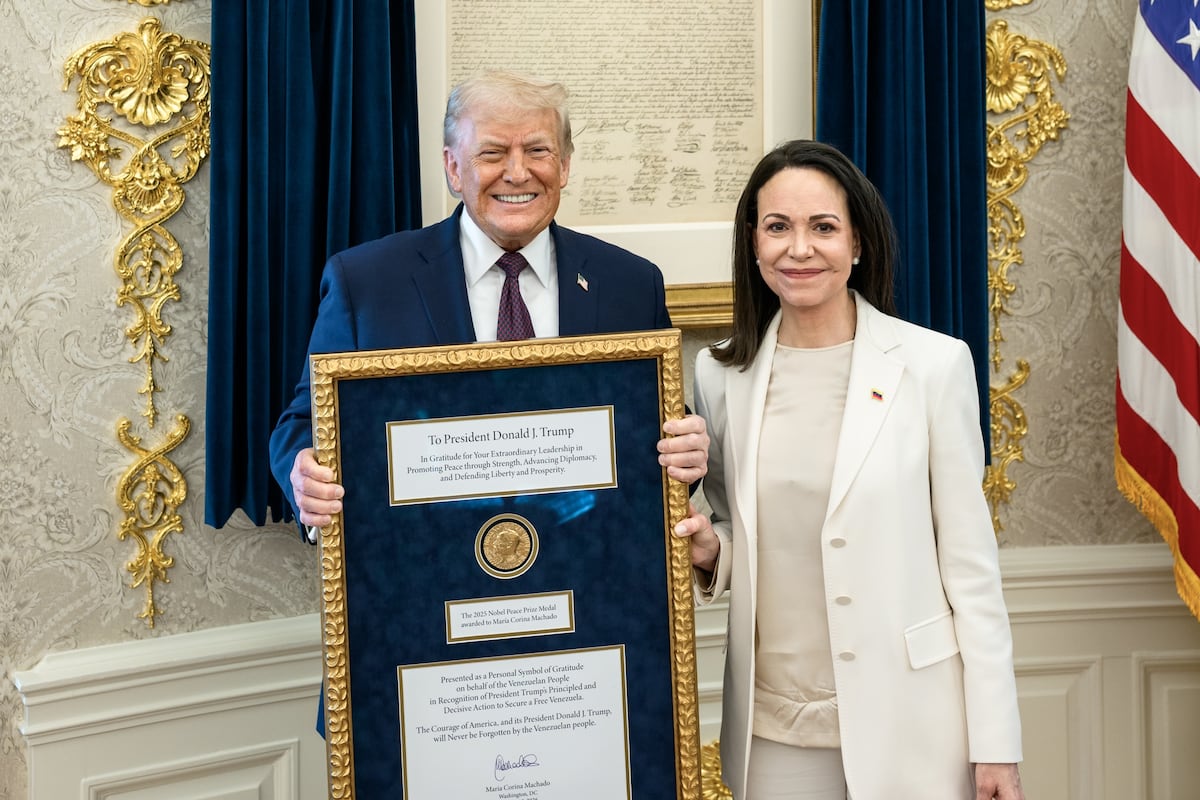
2 months agoMaria Corina Machado fights to avoid being left out of a hypothetical transition in Venezuela
Maria Corina Machado will meet President Trump despite being sidelined from his announced negotiated transition and lacking broad domestic support amid Venezuela's power shift.


World news
fromwww.theguardian.com
2 months agoTrump's other Latin American feud: why Colombia's Petro is not Maduro
Rising tensions between the US and Colombia involve Trump accusing President Gustavo Petro of drug trafficking, imposing sanctions, threatening military action, and Petro calling nationwide rallies.
fromTruthout
2 months agoEcuador Foreign Ministry Slams ICE for Trying to Enter Consulate in Minneapolis
Under international treaties, law enforcement officers of host nations are barred from entering foreign embassies and consulates without permission. One eyewitness to the incident in Minneapolis, a flashpoint in the Trump administration's violent mass deportation efforts, told Reuters that they saw ICE agents "going after two people in the street, and then those people went into the consulate and the officers tried to go in after them."
World news
fromwww.theguardian.com
2 months agoCosta Rica heads to polls amid fears of authoritarian turn
Costa Rica heads to the polls on Sunday in an election dominated by increasing insecurity and warnings of an authoritarian turn in a country long seen as a model of liberal democracy in the region. Crime is a big concern for many voters as criminal groups battle to control lucrative cocaine trafficking routes to Europe and the US, casting a shadow on the Central American country famous for its wildlife tourism.
World news
World news
fromenglish.elpais.com
2 months agoChile's president-elect Kast unveils Cabinet: Few party members, business allies and drug tests
Jose Antonio Kast announced a 24-member Cabinet, led by Claudio Alvarado, prioritizing crime-fighting and economic revival with many nonparty and business-affiliated ministers.
fromwww.aljazeera.com
2 months agoPetro says Colombia cooperating with US despite insults, threats'
Colombia's President Gustavo Petro has stressed the importance of having open lines of communication with the United States despite President Donald Trump's recent threats of military action against the South American country. In an interview with Al Jazeera's Teresa Bo in Colombia's capital, Bogota which aired on Friday Petro said his government is seeking to maintain cooperation on combating narcotics with Washington, striking a softer tone following days of escalating rhetoric.
World news
fromwww.theguardian.com
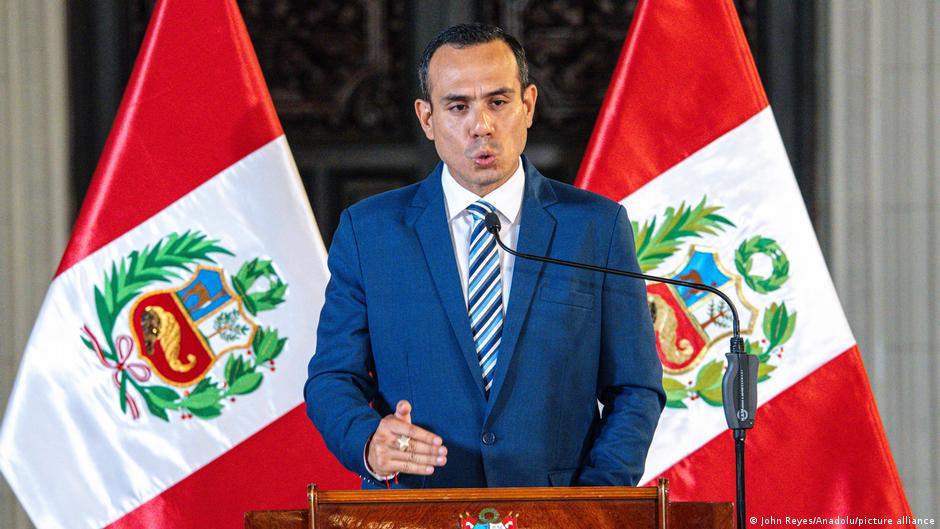
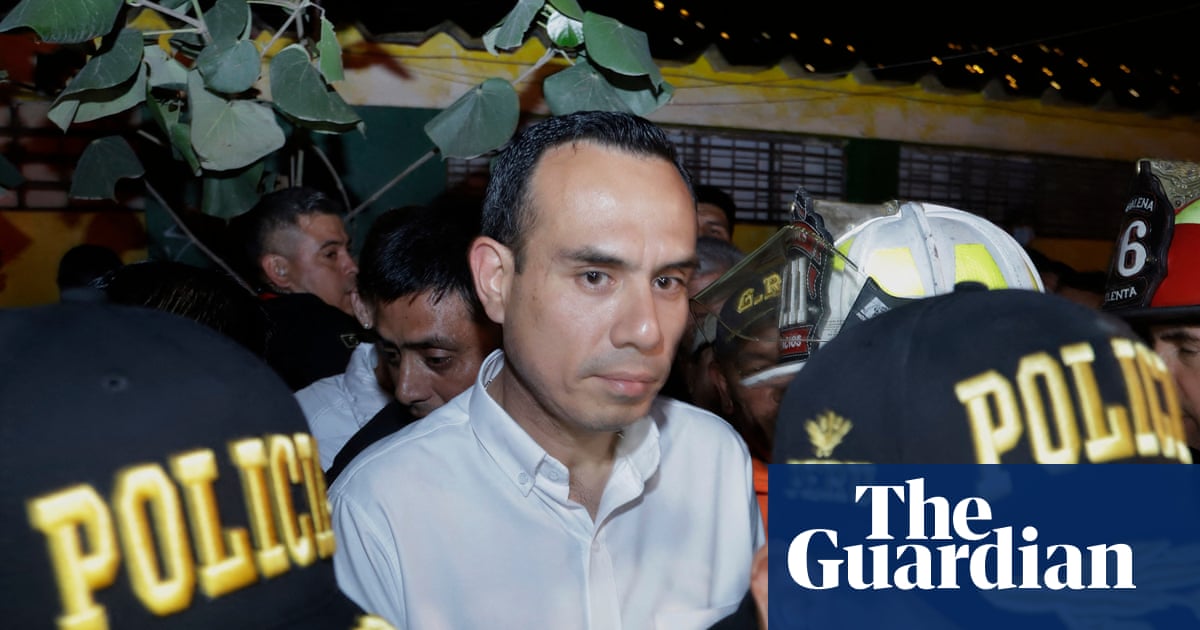
2 months agoPeru's interim president embroiled in scandal over secret meetings with Chinese businessmen
Peru's interim president, Jose Jeri, has denied lying to the country and claimed he was the victim of a plot to discredit him amid a growing political scandal over his secretive meetings with Chinese businessmen. Jeri, 39, who took office in October after his predecessor Dina Boluarte was forced out, told a congressional oversight committee on Wednesday that he had been the target of a smear campaign designed to destabilise the country ahead of elections in April.
World news
fromwww.aljazeera.com
2 months agoSon-in-law of opposition figure Edmundo Gonzalez released in Venezuela
Members of the opposition coalition expressed joy at the news of Tudares Bracho's release. After 380 days of unjust and arbitrary detention having endured more than a year of the inhumane reality of enforced disappearance my husband Rafael Tudares Bracho returned home this morning, Edmundo Gonzalez's daughter, Mariana Gonzalez, wrote on the social media platform X. It has been a stoic and profoundly difficult struggle.
World news
fromwww.theguardian.com
2 months agoFernandez wins Costa Rican presidency, steering Latin America further right
With 94% of polling stations counted, the political heir of outgoing president, Rodrigo Chaves, had captured 48.3% of the vote, compared with Ramos's 33.4%, according to the Supreme Electoral Tribunal (TSE). As soon as the first results were announced, members of Fernandez's Sovereign People's party erupted in celebrations around the country, waving blue, red and white-striped Costa Rican flags. Viva Rodrigo Chaves, some cheered, in a nod to Fernandez's mentor.
World news
fromTruthout
1 month agoPeter Thiel Is Unleashing a Neocolonial Billionaire Fantasy in Honduras
In April 2025, Peter Thiel's Palantir made headlines after documents were released detailing its partnership with Immigration and Customs Enforcement (ICE) to create ImmigrationOS, a massive database of information gathered from a variety of sources including the IRS, in order to surveil, detain, and deport immigrants. Thiel is not new to spearheading endeavors that aim to dehumanize and attack people of color. In fact, the tech mogul is one of the billionaires leading our modern-day version of tech neocolonialism,
World news
World news
fromenglish.elpais.com
1 month agoEl Salvador's attorney general freezes a moneylaundering investigation into Venezuelan oil funds that implicates Nayib Bukele
El Salvador's attorney general froze a money‑laundering probe into Alba Petroleos that documents tie to roughly $3.3 million received by President Nayib Bukele and family companies.
[ Load more ]