Books
fromThe New Yorker
4 days agoValeria Luiselli Reads Julio Cortazar
Valeria Luiselli discusses Julio Cortázar's story 'The Night Face Up' and her own literary works.
Stewart Brand thinks big and long. He thinks on a planetary scale as suggested by the title of his celebrated Whole Earth Catalog and on the longest of timeframes, as with his Long Now Foundation, which looks forward to the next 10,000 years of human civilisation. He has had a lifelong fascination with the future, and anything that could get us there faster, from space travel to psychedelic drugs to computing.
Otherworldly forms greet you at the entrance to the exhibition, transporting you into a kaleidoscopic, dream-like space. A voice speaks in the background as projected images dance across the forms, animating the space. "It's been really beautiful to see her work come alive, become a landscape ... where you can traverse and kind of get lost," curator Fabiola R. Delgado says of Lisu Vega's "The Uncertain Future of Absence (El Futuro Incierto de la Ausencia)" (2025).
The story presented the Federationa fictional alliance of South American countries whose capital was Caracasas a military superpower that becomes the main enemy of the United States. At the time, this narrative choice sparked considerable controversy in Venezuela, where the newly elected president, Nicolas Maduro, considered that the game was associating his country with a global military threat and symbolically positioning it as an antagonist.
When we figure out what causes aging, I think we'll find it's incredibly obvious. It's not a subtle thing. The reason I say it's not a subtle thing is because all the cells in your body, you know, pretty much age at the same rate. I've never seen someone with an old left arm and a young right arm ever in my life, so why is that? There must be a clock that is synchronizing across 35 trillion cells in your body,
Minutes after Donald Trump announced a large-scale strike against Venezuela early on Saturday morning, false and misleading AI-generated images began flooding social media. There were fake photos of Nicolas Maduro being escorted off a plane by US law enforcement agents, images of jubilant Venezuelans pouring into the streets of Caracas and videos of missiles raining down on the city all fake. The fabricated content intermixed with real videos and photos of US aircraft flying over the Venezuelan capital
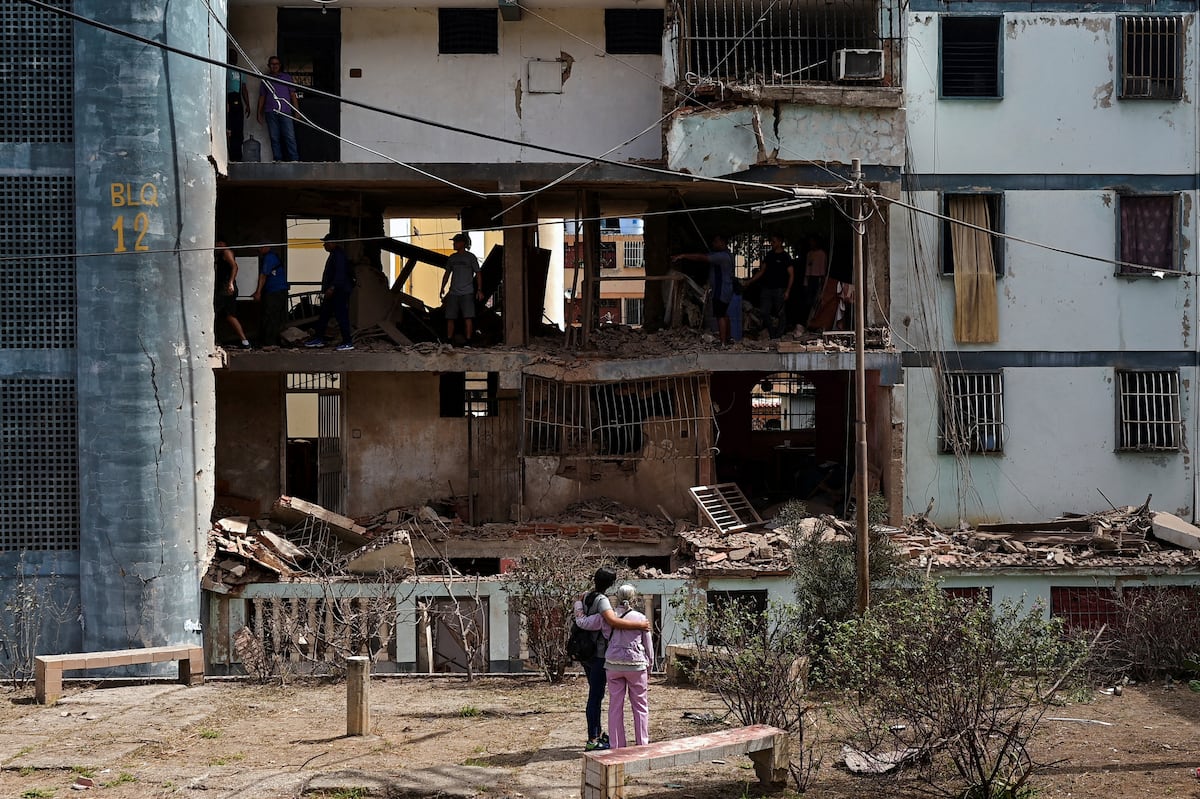
Coromoto Escalona, a 35-year-old woman, was preparing her baby's feeding bottle when she heard some strange noises in the house. It was two o'clock in the morning. She wondered whether the fridge had broken down, since it sometimes made strange noises when it was damaged. Her eldest daughter, who was scrolling on WhatsApp, shouted from her room: Mum, they're bombing us.
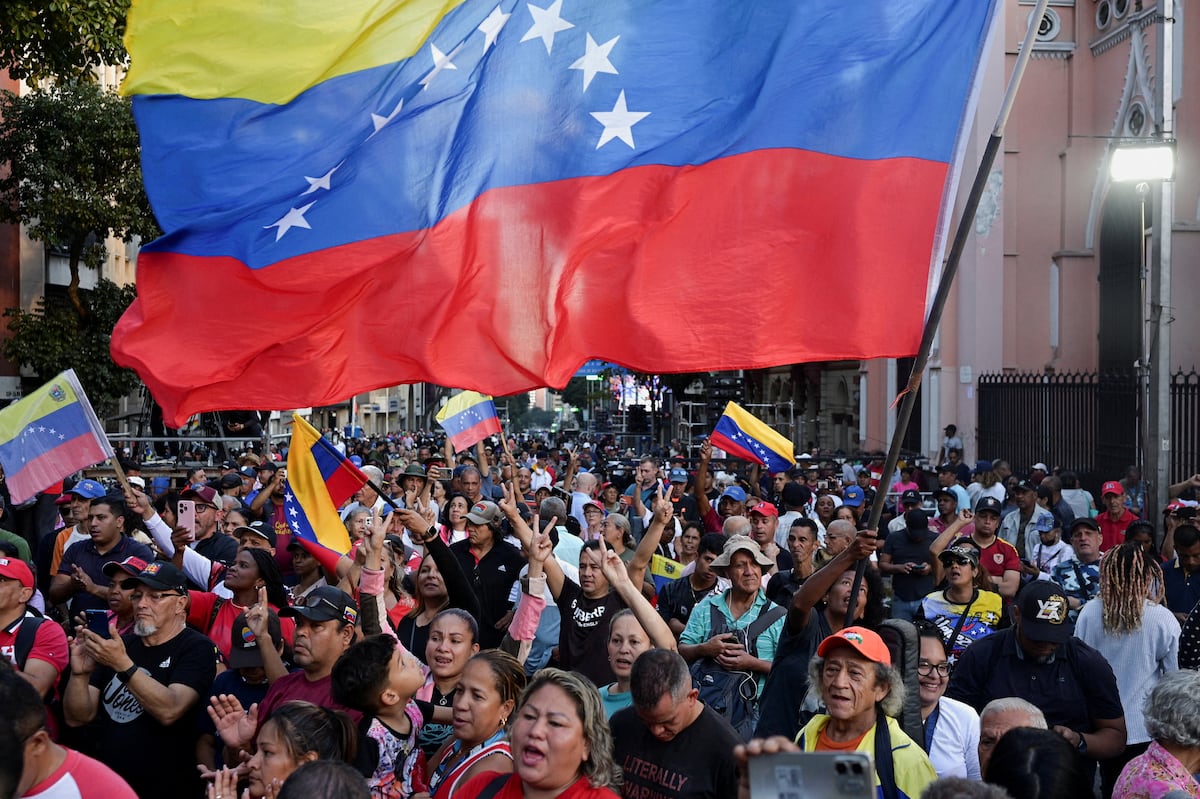
By many accounts, those most impacted by the attacks - Venezuelans living and working in Venezuela - are resolutely opposed to the strikes, with thousands mobilizing in numerous Venezuelan cities in protest. (The death toll from the US strikes currently stands at 80 soldiers and civilians, a figure whichwill likely go up as the dust settles.) Though the attacks are still too recent to get accurate polling data of the country's sentiments, a November survey found that 86 percent of Venezuelans preferred for Maduro to remain head of state to resolve the country's economic woes.
There was a time when American power at least felt obligated to explain itself. Even when U.S. military interventions were legally dubious or strategically incoherent, they arrived wrapped in language: humanitarian necessity, international norms, shared security. The explanations were often thin and sometimes cynical, but they served a purpose. They preserved the idea that power was supposed to answer to something beyond itself.
The U.S. mission to seize Venezuela's President Nicolás Maduro has pushed the concept of regime change back into everyday conversation. "Regime Change in America's Back Yard," declared The New Yorker in a piece that typified the response to the Jan. 3 operation that saw Maduro exchange a compound in Caracas for a jail in Brooklyn. Commentators and politicians have been using the term as shorthand for removing Maduro and ending Venezuela's crisis, as if the two were essentially the same thing.
At first glance, the image has all the trappings of a Serious Tactical Raid Photo, à la Pete Souza's famous Situation Room snapshot, which showed President Barack Obama and his national-security team tracking the raid on Osama bin Laden's compound. But then you see what's behind Hegseth: a large screen displaying an X feed. The photo is blurry, but it seems to show Hegseth and company using X's search function to monitor tweets about the raid.
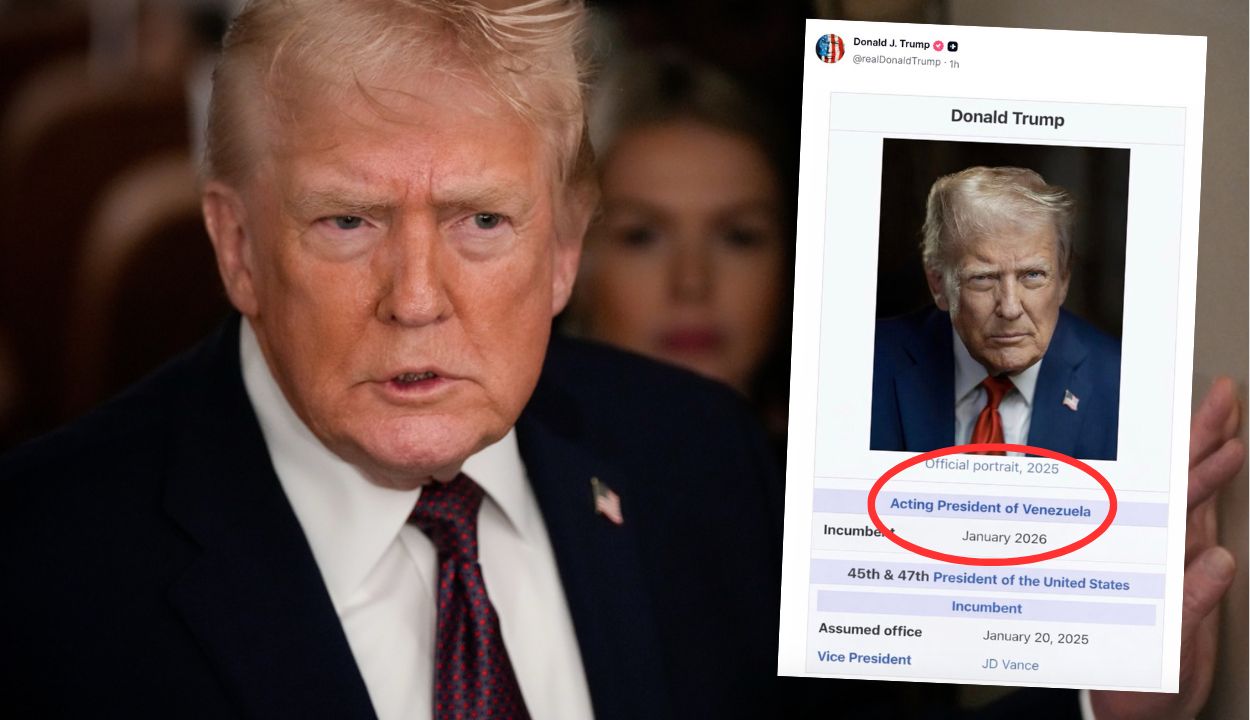
Donald Trump's allegedly ailing health has been the subject of media speculation for months, which analysts have said is interrupting the president's quest to be seen as an unflinching strongman. Salon writer Chauncey DeVega suggested in a recent column that Trump's invasion of Venezuela was a "prime opportunity" for the president to "get his swagger back." But the problem, he said, is that Trump can't hide his clear mental and physical decline.
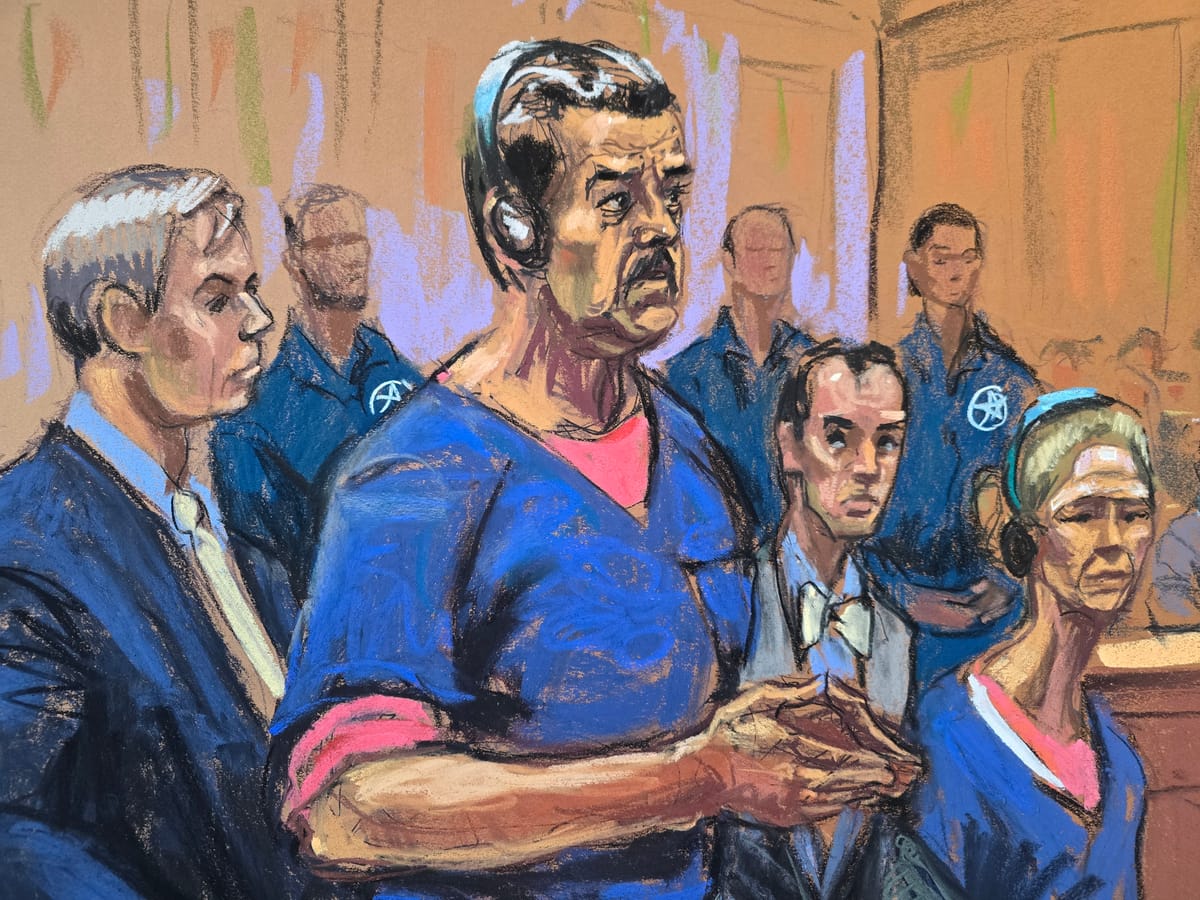
The unprecedented US military attack in Venezuela and the capture of Nicolas Maduro and his wife set alarm bells ringing for Iran's leadership. Tehran is one of the closest allies of Maduro, who remained in power in 2024 after massive election rigging and is not recognized by Germany or the European Union as the legitimate president of Venezuela. After his dramatic capture on Saturday, Maduro appeared in a New York courtroom on Monday on narco-terrorism charges.
US President Donald Trump is bypassing international law. He's bypassing Venezuelan law, and he doesn't seem to give a damn about what the people of Venezuela really think or want, Barakat said. Trump-era policies and rhetoric have mutated US politics as nationalism has intensified and Christianity has become more entwined with governance trends that will distort the existing international order, he added. The US bombed Venezuela on Saturday, abducting Maduro and his wife, Cilia Flores, and taking them to New York to face drug-trafficking charges.