Pets
fromwww.theguardian.com
2 days agoSwifts spark joy!' Why these beautiful birds need our help and 10 ways to give it
Swifts are declining in population due to habitat loss and reduced insect availability, necessitating conservation efforts.
Video showed officers Michael Russo and Patrick Memi along with Sargeant Michael Amello and Detective Nicholas Martin in their boat pulling up to the eagle on the river. The bird was screeching in distress as the officers used a pole to keep the ice chunk near their boat and worked to catch the animal. "His claw's bleeding, too," one of the officers said as they grabbed a catch pole and carefully put it over the bird's body.
A tiny critically endangered moth, named after the Avatar films because of the proposed mining activity threatening its primary habitat, has been crowned New Zealand's bug of the year. The Avatar moth won by a wide margin, earning 5,192 of the more than 11,000 total votes cast. It won 2,269 more votes than the runner-up, the mahoenui giant weta, one of the world's largest insects. Other contenders included the wonderfully spiky hellraiser mite, the country's heaviest spider the black tunnelweb and a giant earthworm
Kakapo breed only every two to four years when the native rimu trees mast and produce large numbers of berries, so repopulation is slow. This year a mega-mast is expected, resulting in a bountiful harvest of rimu berries, which could prompt the birds to produce more eggs. The rimu tree produces berries that provide enough nutrition for the birds to raise chicks. Photograph: Nature Picture Library/Alamy
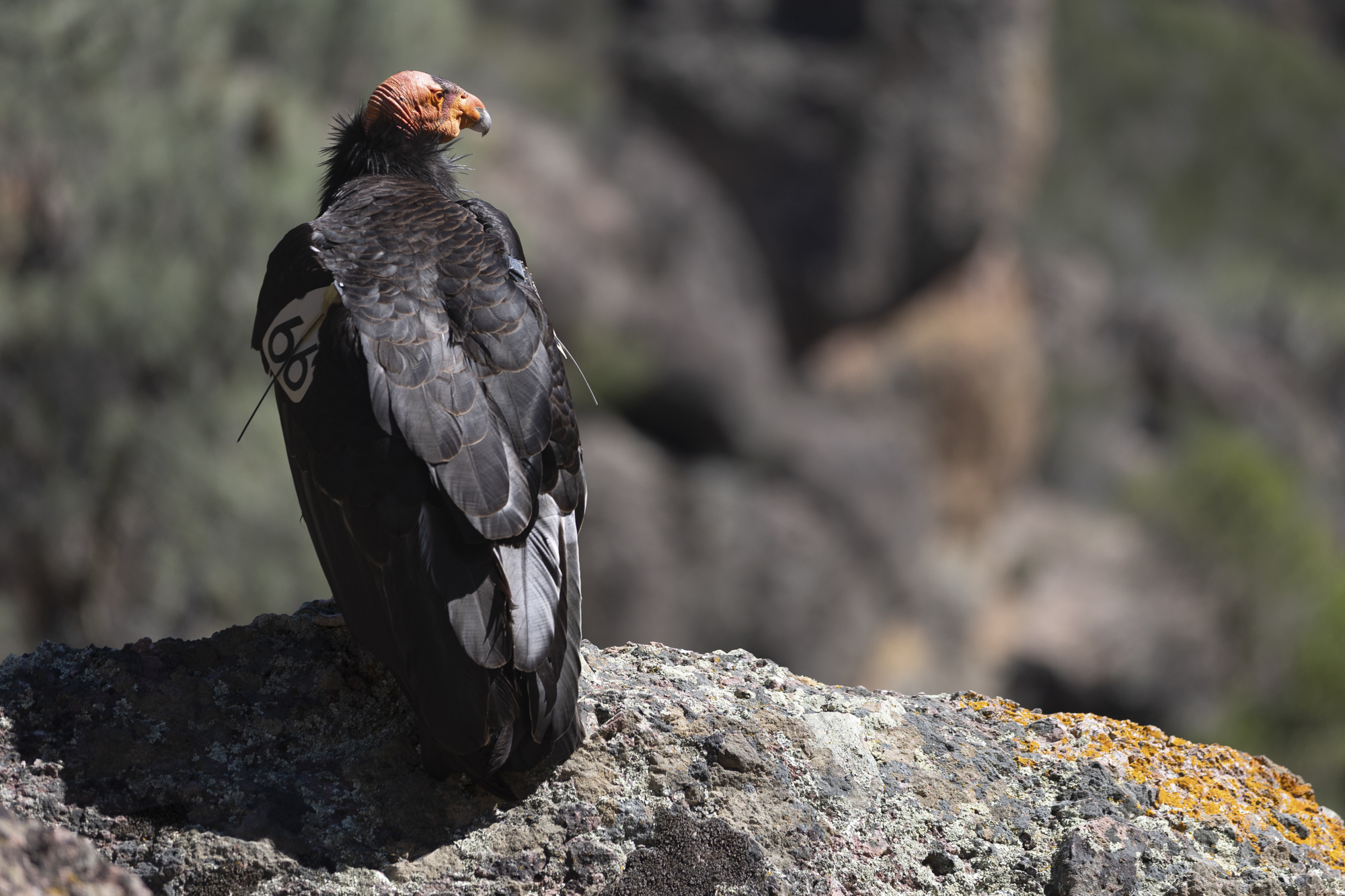
Many people look up to admire the silhouette of raptors, some of the planet's largest birds, soaring through seemingly empty skies. But increasingly, research shows us that this fascination runs both ways. From high above, these birds are watching us too. Thanks to the development of tiny GPS tracking devices attached to their bodies, researchers are getting millions of data points on the day-to-day lives of these apex predators of the skies, giving us greater insight into where they hunt and rest.