Film
fromKqed
1 day agoBAMPFA Spotlights Lucrecia Martel's Parables of Middle-Class Desperation
Martel's films challenge perceptions of reality, exploring themes of privilege, colonialism, and the disconnection between adults and children.
François Ozon's adaptation of The Stranger, while visually stunning, reveals the limitations of cinema in depicting the complex inner states of consciousness that Camus masterfully crafted in his text.
"Rosanne Pel's Donkey Days is a darkly comic exploration of family dynamics, ingeniously blending Dogme-inspired naturalism with flashes of surrealism to create a work that is at once caustic and unexpectedly tender."
Set on the blossom tree-lined fringes of Hyde Park in London, Herbert Wilcox's black-and-white rom-com blows in like a fresh spring breeze. The film charts the will-they-won't-they romance between Richard (Michael Wilding), a wealthy lord masquerading as a butler, and Judy (Anna Neagle), the niece of the family who employs him.
The invention of the Cinématographe was ready right away. The process of the invention was longer, and there were a lot of inventors before Lumière.
I remember seeing it in drama school. I remember being so profoundly moved by it. I remember being so frightened by the performances in terms of seeing both sides to the thing that I think for most of us is, the most alive thing in our life, which is these, like, romantic relationships and the kind of inception of those things and the death of those things.
Institutionally, we still don't understand what inclusion means. Just because you invite someone into a space, but you don't provide the necessary resources to keep them and everyone else in that room safe by them being there, that's not inclusivity. That's exploitation. That man's disability got exploited that night, and it led to multiple offenses.
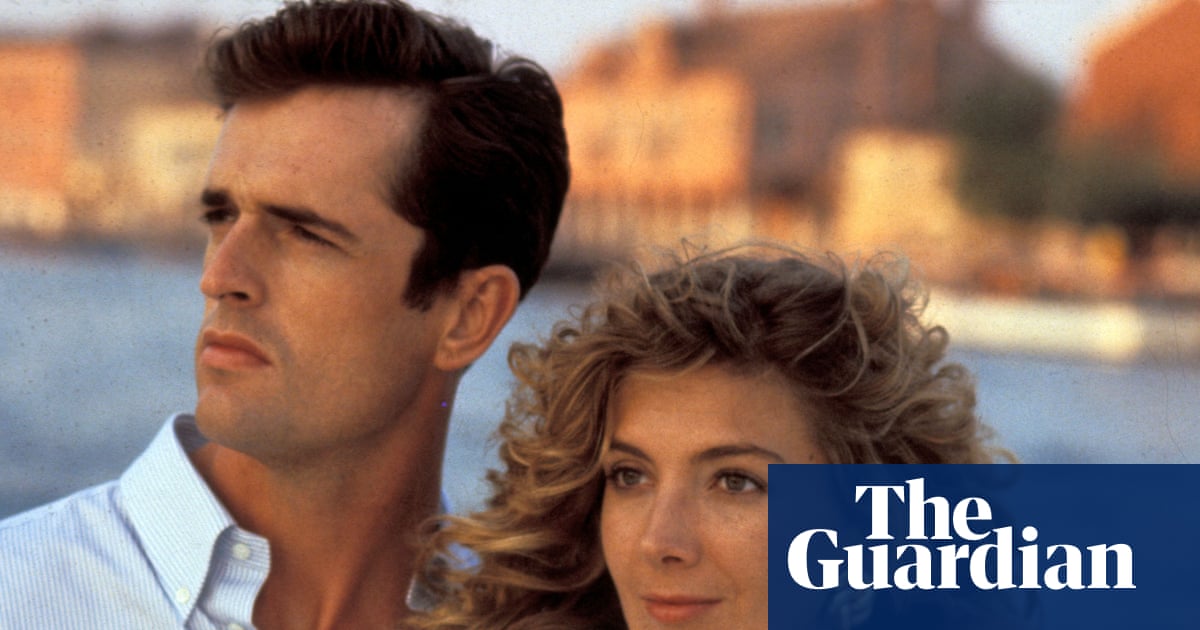
What begins as a fairy-tale romance set in the beautiful Mediterranean town of Agde gets more complicated when Stann's family ties prove more durable, and dangerous, than he expects. Stann, the hub of a sprawling, criminally inclined clan, finds himself torn between Gloria, a vibrant Black American woman who offers him a glimpse at a life beyond the one he knows, and his inescapable family obligations.
It Was Just an Accident centers on a group of former prisoners who kidnap a man they believe was their interrogator and grapple with whether to exact revenge, and Panahi says the film drew directly from his own experience with state violence and repression. Panahi has been repeatedly arrested in Iran, served prison sentences, and was recently sentenced in absentia to an additional year in prison and a two-year travel ban.
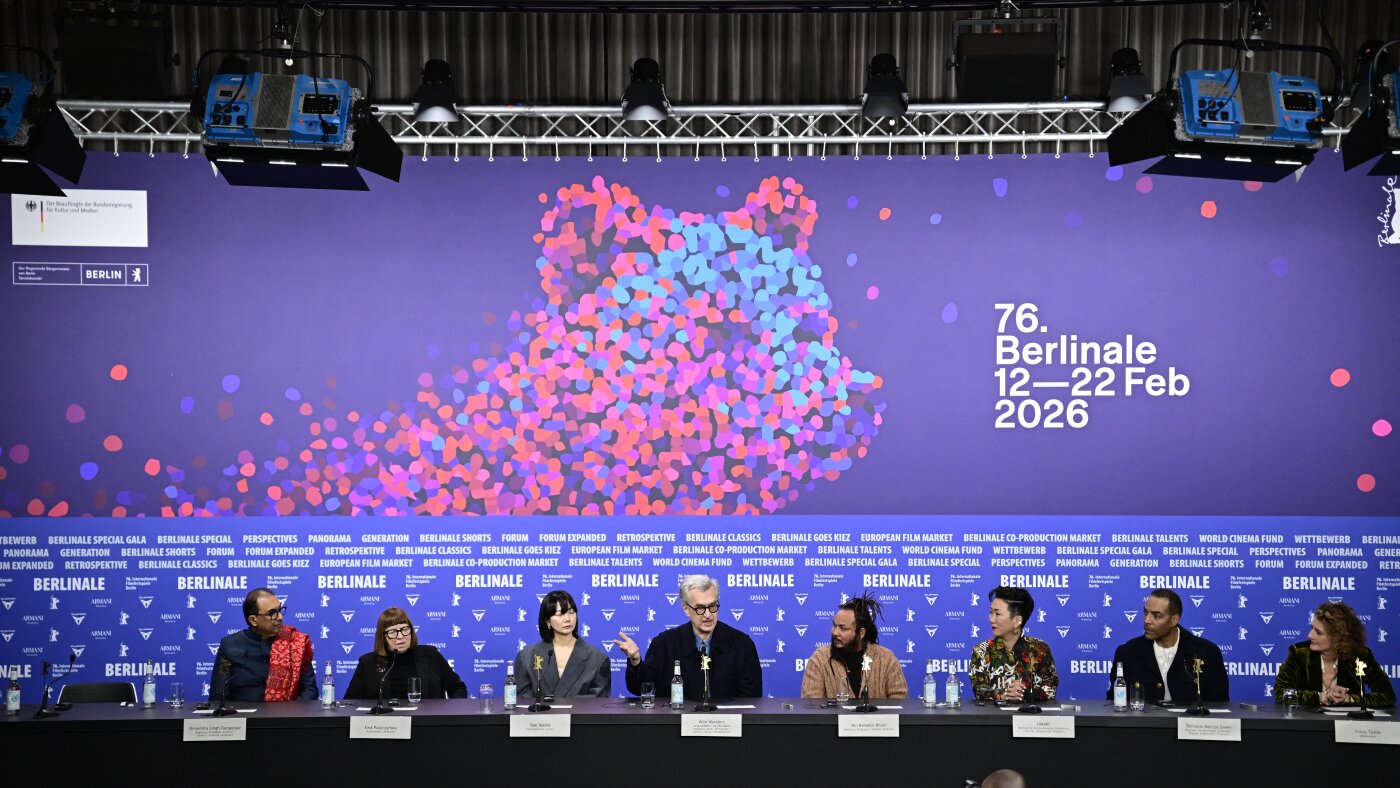
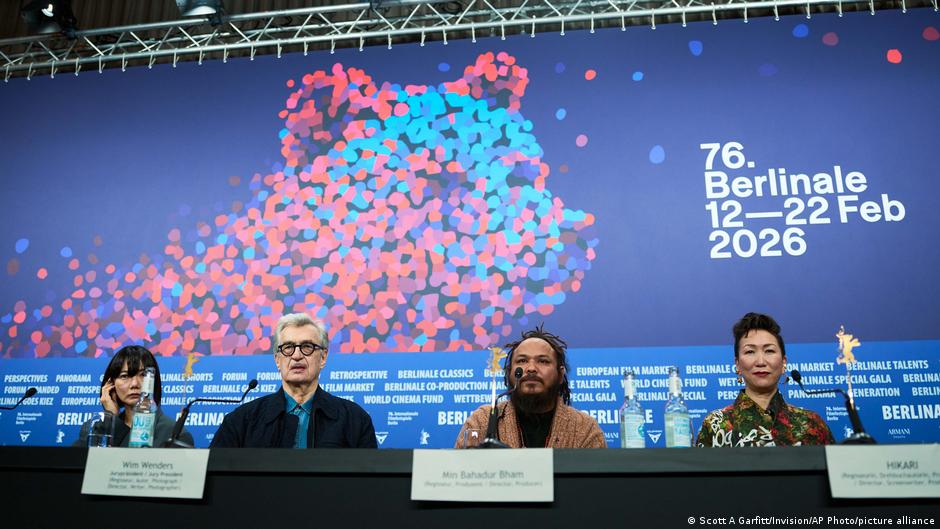
According to Bild, Weimer and Tuttle agree that she could not remain at the helm of the renowned film festival, following the political backlash generated by speeches at the awards ceremony on February 22. Bild also mentions a picture that allegedly compromises Tuttle's credibility in the eyes of the German government.
This turned out to be a very British night for the Baftas, a smidgen more British than usual in fact. It started out with the Hollywood A-listers in the audience being presented with hilarious British snacks, of whose existence they had no more idea than they had of life forms on the moons of Saturn. Emma Stone got some Hula Hoops, Timothee Chalamet had a bag of Scampi Fries and Leonardo DiCaprio got his laughing gear around a Hobnob flapjack.
10 Cloverfield Lane Mary Elizabeth Winstead, John Goodman and John Gallagher Jr are locked in an underground bunker for the majority of this left-field sequel to Cloverfield, with thrilling results. In the film's final throes, Winstead's character exits the bunker, and finds that her captor was telling the truth about an alien invasion above - a twist that completely and ruinously dissipates the hard-earned tension that came before.
Films seen long ago but unavailable for rewatching often loom large, like myths shadowed by fear: Will a second viewing confirm or dispel the initial impression? I first saw "Caught in the Acts" ("Délits flagrants"), a documentary by the French director Raymond Depardon, in Paris, a few months after it opened there, in 1994, and it struck me as one of the greatest documentaries I'd ever seen.
It would be hard to overstate the influence of Jean-Pierre and Luc Dardenne on traditions of realism in European cinema. The Belgian brothers, now in their seventies, have been making compassionate, uncompromising dramas about the social and economic conditions of modern life for nearly 40 years, approaching each with a direct, unvarnished style that's been imitated far and wide across the international arthouse circuit, if seldom rivaled in its emotional impact.
At the narrative midpoint, pathetic protagonist Yoo Man-su ( Lee Byung-hun) - also a hobbying horticulturist with a bonsai mag subscription - arrives at the home of a man he deems a rival for one of the only paper jobs on the market. He wields a pistol concealed inside several oven gloves, intending to kill vinyl enthusiast Goo Beom-mo (Lee Sung-min) as a means of levelling the playing field.
In all the dystopian visions of the future that the movies have trotted out over the last few decades, the one that sticks the most, surprisingly, is WALL-E. That's not just because of the chastening sight of an over-polluted Earth or those sedentary humans glued to their screens. It's because those quite plausible possibilities mean something different in a kids movie. It's their future, after all.
A quarter-century later, it's safe to say that those days have come to an end. Not only does the streaming-only Netflix of the twenty-twenties no longer transmit movies on DVD through the mail (a service its younger users have trouble even imagining), it ranks approximately nowhere as a preferred cinephile destination. That has to do with a selection much diminished since the DVD days
At the narrative midpoint, pathetic protagonist Yoo Man-su ( Lee Byung-hun) - also a hobbying horticulturist with a bonsai mag subscription - arrives at the home of a man he deems a rival for one of the only paper jobs on the market. He wields a pistol concealed inside several oven gloves, intending to kill vinyl enthusiast Goo Beom-mo (Lee Sung-min) as a means of levelling the playing field.