#khor-mor
#khor-mor
[ follow ]
#iraq
World news
fromenglish.elpais.com
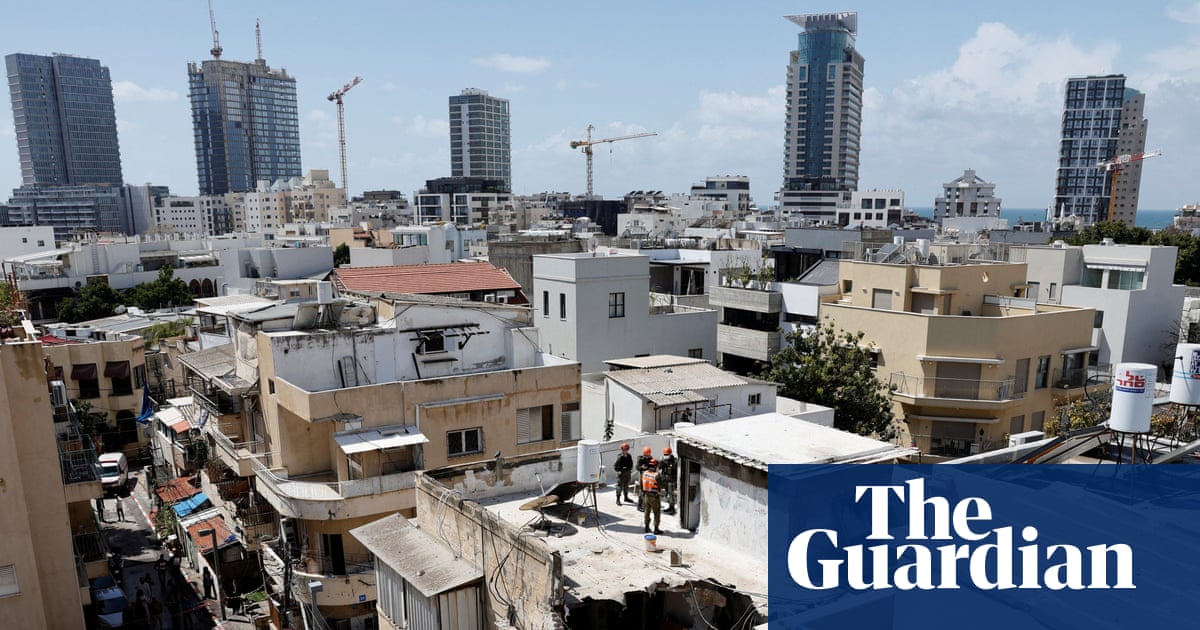
1 week agoIraq mourns its dead after worst strike against its army since the start of the war: Why did the Americans attack us?'
A U.S. airstrike on an Iraqi army base in Habbaniyah resulted in seven deaths and numerous injuries, raising tensions between Iraq and the U.S.


fromwww.aljazeera.com
2 days agoHow war on Iran turned Pakistan's LNG surplus into a looming shortage
At the start of this year, Pakistan had more imported liquefied natural gas (LNG) than it could use, with demand falling from a peak of 8.2 million tonnes in 2021 to 6.1 million tonnes by late 2025. The government sold excess gas shipments to other countries and shut down domestic gas wells to prevent pipelines from bursting under oversupply.
World news
fromThe Atlantic
6 days agoThe Kurdish Ground Force Preparing to Fight in Iran
We are on the trigger finger. After 22 years in the movement, we have never been this busy. The American-Israeli effort to bring down the Iranian regime is not likely to succeed without the help of PJAK and other Kurdish armed groups.
World news
fromNature
1 week agoHow the war in Iran is reshaping the energy landscape
The closure of the Strait of Hormuz, a critical corridor for global oil and gas trade, has led to a significant surge in oil prices across Asia, Europe, and the United States, affecting consumers at fuel pumps worldwide.
World politics
World news
fromLondon Business News | Londonlovesbusiness.com
5 days agoTrump signals he may seize Iran's Kharg Island in bid for oil - London Business News | Londonlovesbusiness.com
Donald Trump suggested the U.S. could seize Kharg Island, Iran's main oil export hub, raising tensions and fears of a regional confrontation.
World news
fromenglish.elpais.com
1 week agoThe dilemma of Iraqi Kurds in the face of their Western allies' offensive against Iran: It's not our war'
Iraqi Kurdistan faces danger from ongoing U.S.-Israeli operations against Iran, with increased missile attacks and a tense atmosphere during Nowruz celebrations.
fromwww.theguardian.com
1 month agoWho are the Kurds and why does Trump want them to join the war on Iran?
Numbering between 30 and 40 million worldwide, most live amid the peaks and valleys straddling the borders of Armenia, Iraq, Iran, Syria and Turkey. The Kurds link their history to that of the Medes, an ancient Middle Eastern people. They were left stateless a century ago when the borders of the modern Middle East emerged from the collapsing Ottoman empire.
World politics
World politics
fromwww.scientificamerican.com
4 weeks agoThe reason the Middle East has so much oil is the same reason it's all stuck there now
The Strait of Hormuz's narrow geography results from tectonic plate collision that simultaneously created the Persian Gulf and trapped massive hydrocarbon deposits beneath it.
World politics
fromwww.aljazeera.com
1 month agoWhile US encourages Kurds to attack Iran, history serves darker warning
The US is reportedly encouraging Iranian Kurdish militias to challenge Iran's government while repeating historical patterns of abandoning Kurdish allies after geopolitical objectives shift.
World news
fromenglish.elpais.com
2 weeks agoIran's Kurdish militias are waiting for the regime to weaken before making their move
Iranian Kurdish groups remain prepared to intervene against Iran's regime if it weakens, drawing inspiration from the failed 1946 Republic of Mahabad while facing uncertain U.S. military support under Trump's unpredictable leadership.
World news
fromwww.theguardian.com
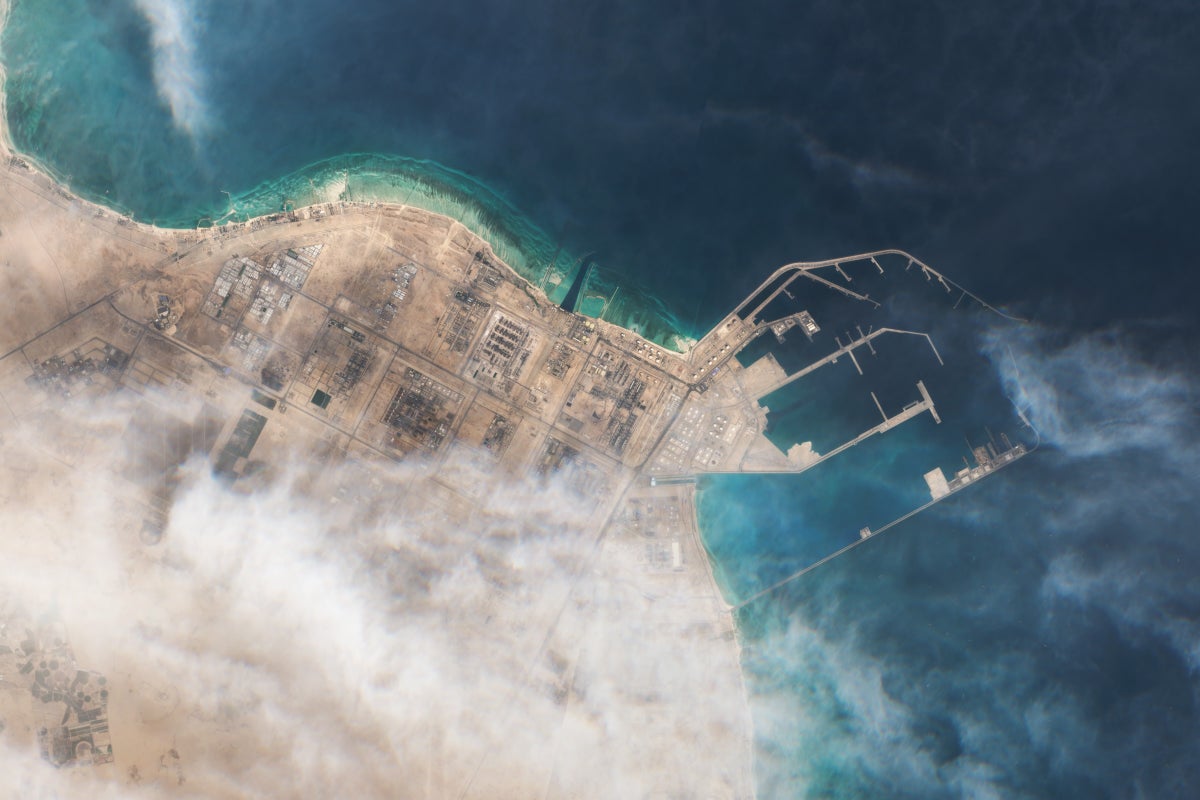
2 weeks agoDoomsday scenario': a visual guide to the oil and gas site attacks in the Middle East
Iranian attacks on Middle Eastern oil and gas infrastructure, including South Pars and Ras Laffan, threaten global energy supplies and economic stability with repairs requiring three to five years.
World news
fromwww.theguardian.com
2 weeks agoIran threatens Gulf energy facilities after Israeli attack on its largest gasfield
Iran threatens to attack Gulf energy infrastructure in retaliation for Israeli strikes on its South Pars gasfield, escalating regional conflict and threatening global oil supplies.
#us-israel-military-operations

World news
fromwww.theguardian.com
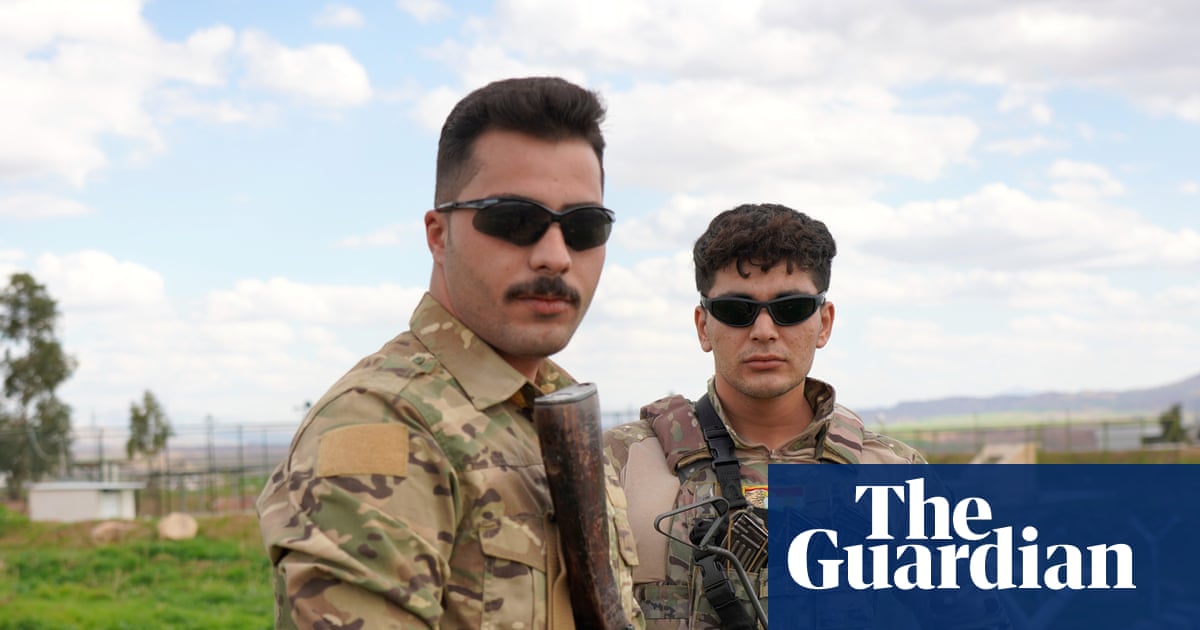
1 month agoAirstrikes hit Iran-Iraq border as US and Israeli plan to mobilise Kurds gathers pace
US and Israeli airstrikes target Iranian military positions along Iraq border while supporting Kurdish and Baloch militant groups for potential cross-border operations against Iran.
fromwww.aljazeera.com
3 weeks agoAttacks from all sides: Why Iraq was dragged into US-Israel war on Iran
Within hours of the United States-Israeli attacks on Iran, US assets in Iraq's Kurdistan region came under retaliatory attacks from Tehran-backed groups, dragging the country into the conflict that has since expanded across the Middle East and beyond. Since then, US assets located in Iraq have come under multiple attacks from pro-Iran groups and Iran's powerful Revolutionary Guard Corps (IGRC).
World news
World news
fromFast Company
3 weeks agoIran attacks oil facilities and Dubai airport as concerns mount over global energy supplies
Iran escalated military attacks on Persian Gulf shipping, airports, and financial institutions while facing Israeli and American airstrikes, disrupting global energy supplies and regional commerce.
World news
fromwww.theguardian.com
3 weeks agoWhy Iran's vital Kharg Island oil hub is still untouched by US-Israel bombers
Kharg Island, handling 90% of Iran's oil exports, remains unattacked despite US-Israel bombing campaigns, as striking it would cause catastrophic global oil price increases to potentially $150 per barrel.
World news
fromwww.aljazeera.com
4 weeks agoIranian Kurd leader in Iraq says ground operation into Iran highly likely'
Iranian Kurdish nationalist groups based in Iraq are considering cross-border ground operations into Iran, with US contact reported, while Iran's IRGC strikes separatist targets in Iraqi Kurdistan.
World news
fromFortune
4 weeks agoOil and gas production shutdowns in Iraq and Kuwait widen the Iran war's impact on energy prices | Fortune
Gulf energy producers are shutting down oil and gas production due to Strait of Hormuz closure from Iran conflict, risking permanent well damage and long-term supply reduction.
World news
fromwww.npr.org
4 weeks agoMiddle East conflicts largely avoided energy facilities in the past. Not in this war
Drone and missile strikes across the Middle East have damaged energy infrastructure in six countries, disrupting global oil and liquified natural gas supplies at an unprecedented regional scale.
#kurdish-militias

World news
fromwww.mediaite.com
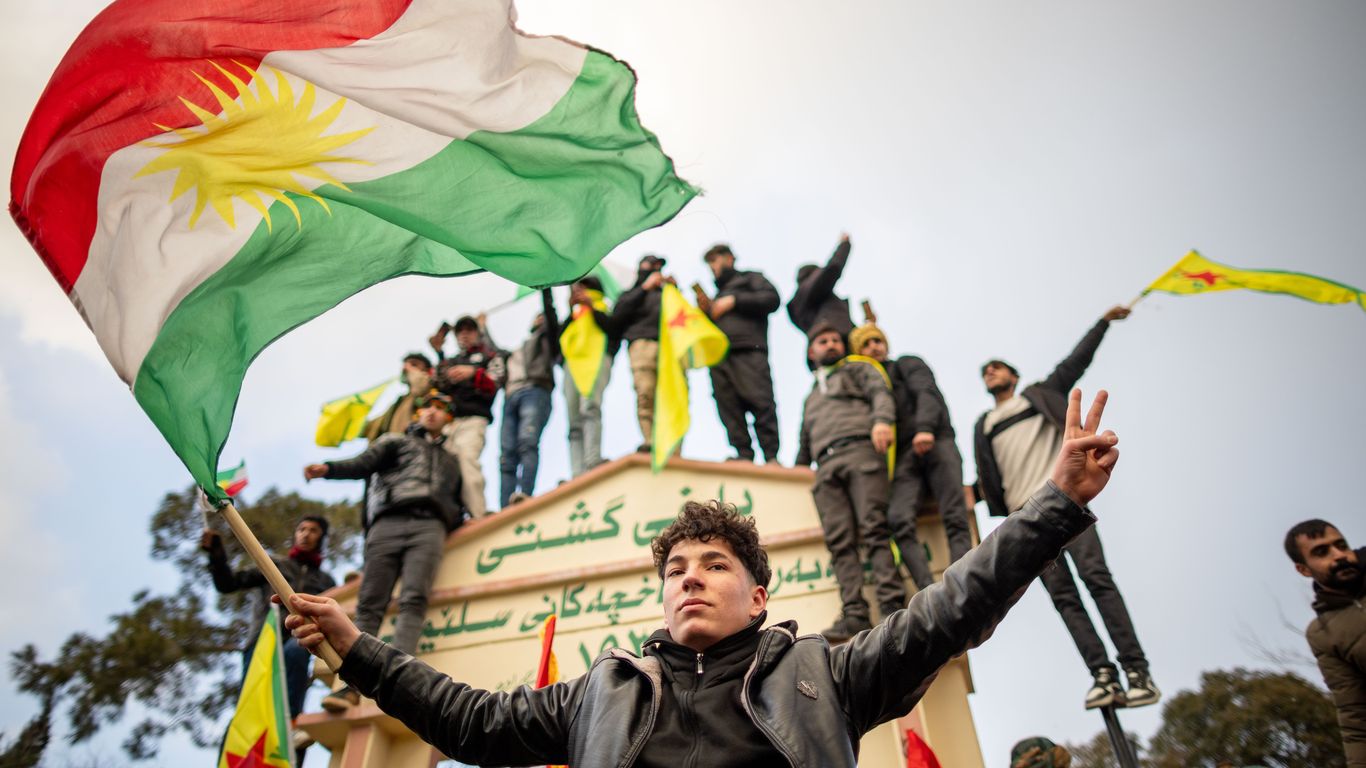
1 month agoFox News Reports Thousands of Iraqi Kurds Have Launched a Ground Offensive Into Iran'
Iraqi Kurds launched a ground offensive into Iran, reportedly coordinated by the Trump administration to destabilize the Iranian regime, though concerns exist about supporting designated terrorist organizations.
World news
fromAxios
1 month agoKurds backed by Mossad, CIA could lead next phase of war in Iran
Five Kurdish Iranian dissident groups formed a coalition backed by Mossad and CIA to conduct ground operations against Iran from Iraqi territory, with Israeli officials promising political support for Kurdish autonomy if the regime collapses.

#iran-kurdish-conflict
World news
fromSilicon Canals
1 month agoWashington wants Kurdish fighters to join the war on Iran. They say it would be suicidal without air support. - Silicon Canals
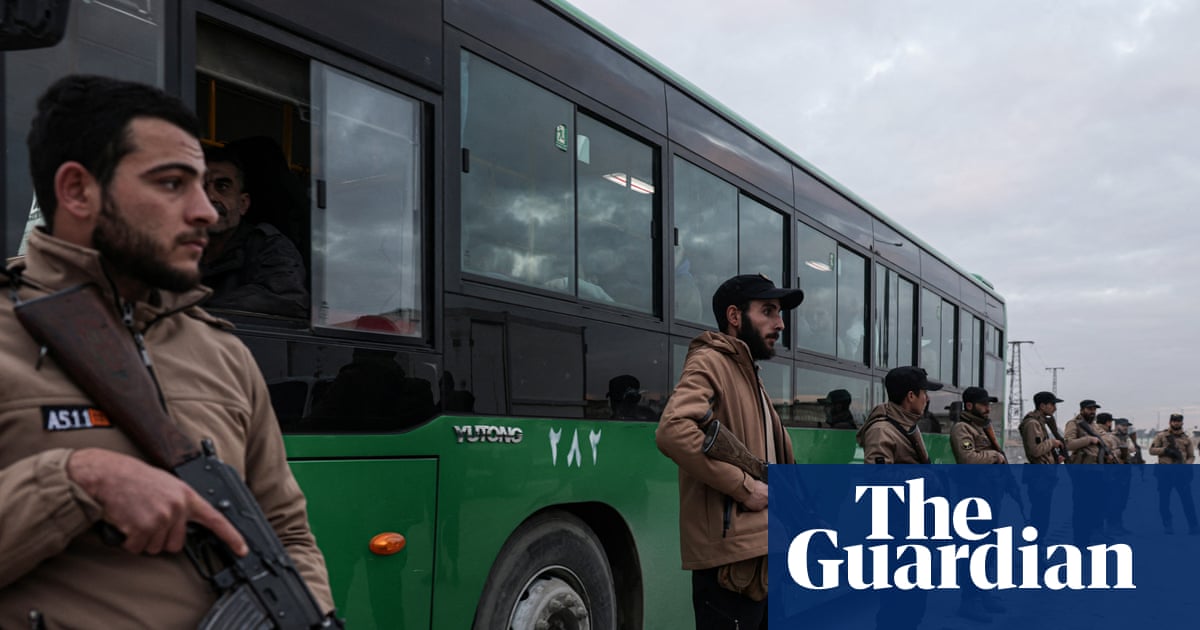
Iran attacked Iranian Kurdish opposition group headquarters in northern Iraq, killing at least one fighter, as these groups form a coalition and consider joining military action against Tehran, exposing gaps between U.S. strategic goals and available resources for proxy partners.
World news
fromwww.aljazeera.com
1 month agoIran targets Kurdish groups in Iraq, begins wave of attacks on Israel
Iran launched military operations against Kurdish armed groups in Iraq's semi-autonomous region while conducting its 19th wave of missile and drone attacks against Israel and US assets during an escalating regional conflict.



fromAxios
1 month agoScoop: Trump calls Kurdish leaders in Iran war effort
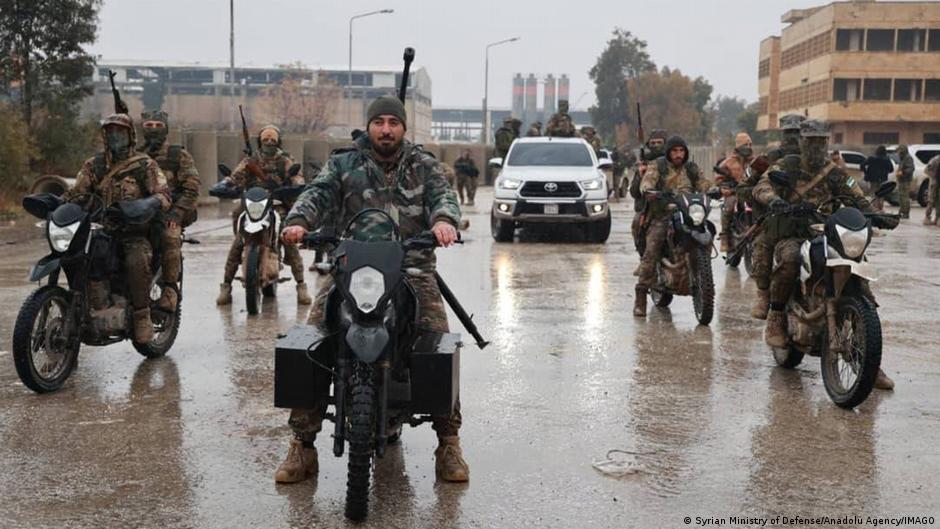
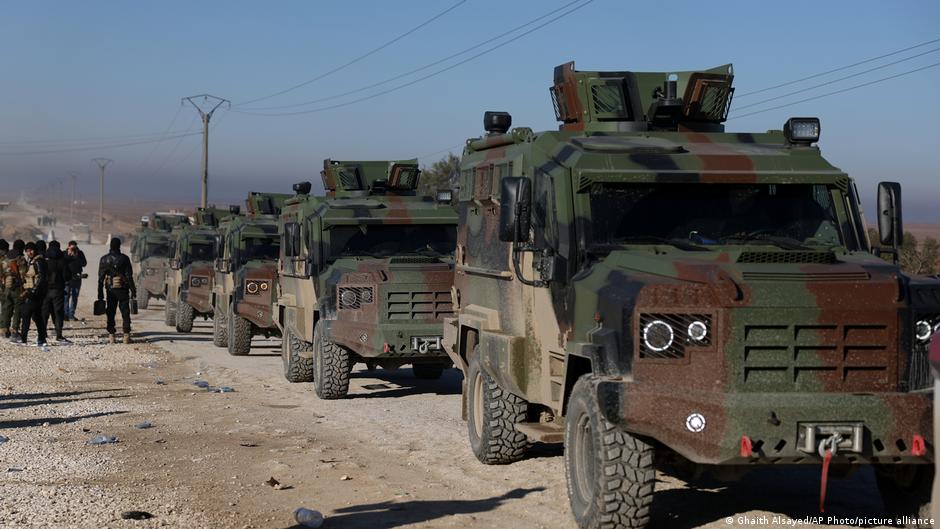
The calls were the culmination of months of behind-the-scenes lobbying by Israeli Prime Minister Benjamin Netanyahu, another source said. Israel has had close security, military and intelligence ties with the Kurds in Syria, Iraq and Iran for decades. "It is the general view, and certainly Netanyahu's view, that the Kurds are going to come out of the woodwork ... that they're going to rise up," one official said.
World news
World news
fromwww.aljazeera.com
1 month agoGas prices soar as QatarEnergy halts LNG production after Iran attacks
Iranian drone attacks on Saudi and Qatari energy facilities caused major oil refinery shutdowns and LNG production halts, triggering European natural gas prices to surge nearly 50 percent.
fromwww.dw.com
2 months agoKurds in the Middle East: Struggle for a homeland
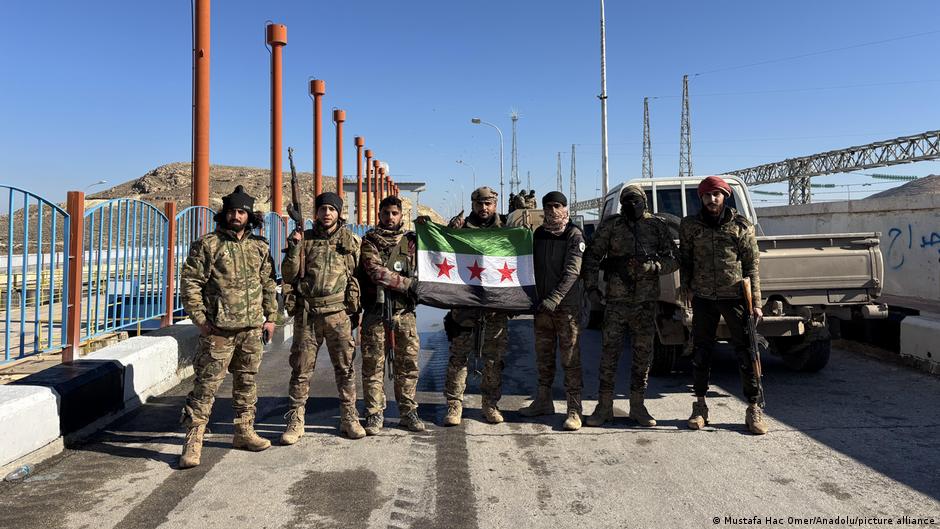
Syrian transitional government troops and Kurdish-led Syrian Democratic Forces (SDF) had been fighting for weeks in northern Syria. On Tuesday evening, the announcement of a four-day ceasefire restored a measure of calm. SDF fighters were close allies of the international coalition battling the extremist "Islamic State,", or IS, group in Syria and managed to take control of strategically important areas in Syria during 14 years of civil war. Recent clashes with Syrian government troops has pushed them out of these areas.
World news
World news
fromwww.independent.co.uk
2 months agoLebanon signs gas exploration deal with international consortium amid economic crisis
Lebanon signed an offshore Block 8 gas exploration deal with TotalEnergies, ENI and Qatar Energy; The Independent seeks donations to fund free, on-the-ground journalism.


fromThe Nation
2 months agoOne More Discarded Ally
President Trump's tactic of "flooding of the zone" has focused much of the public sphere on issues and events generated by the president's interests and whims, driving the suffering of millions of people into oblivion. Deserved attention is paid to Trump's threats to annex Greenland, his intervention into Venezuela, the imposition of arbitrary and punitive tariffs on European allies, and the assault of ICE on Minneapolis.
World news
fromLondon Business News | Londonlovesbusiness.com
2 months agoOil firms on Middle East geopolitical concerns - London Business News | Londonlovesbusiness.com
Crude oil extended its rally for a third consecutive session today, supported by rising geopolitical tensions, severe winter weather disrupting US output, and a surprise draw in US crude inventories. Together, these factors kept the market focused on immediate supply risks and sustained the rebound. Markets reacted to renewed geopolitical risk sin the Middle East. President Trump has renewed pressure on Iran, while a US naval group's arrival in the region has fuelled disruption fears.
World news
[ Load more ]