#korean-architecture
#korean-architecture
[ follow ]
#architecture #residential-architecture #sustainable-design #k-beauty #south-korea #landscape-integration

fromdesignboom | architecture & design magazine
1 day agoblooming graphics and floral installations take over shinsegae department store for spring
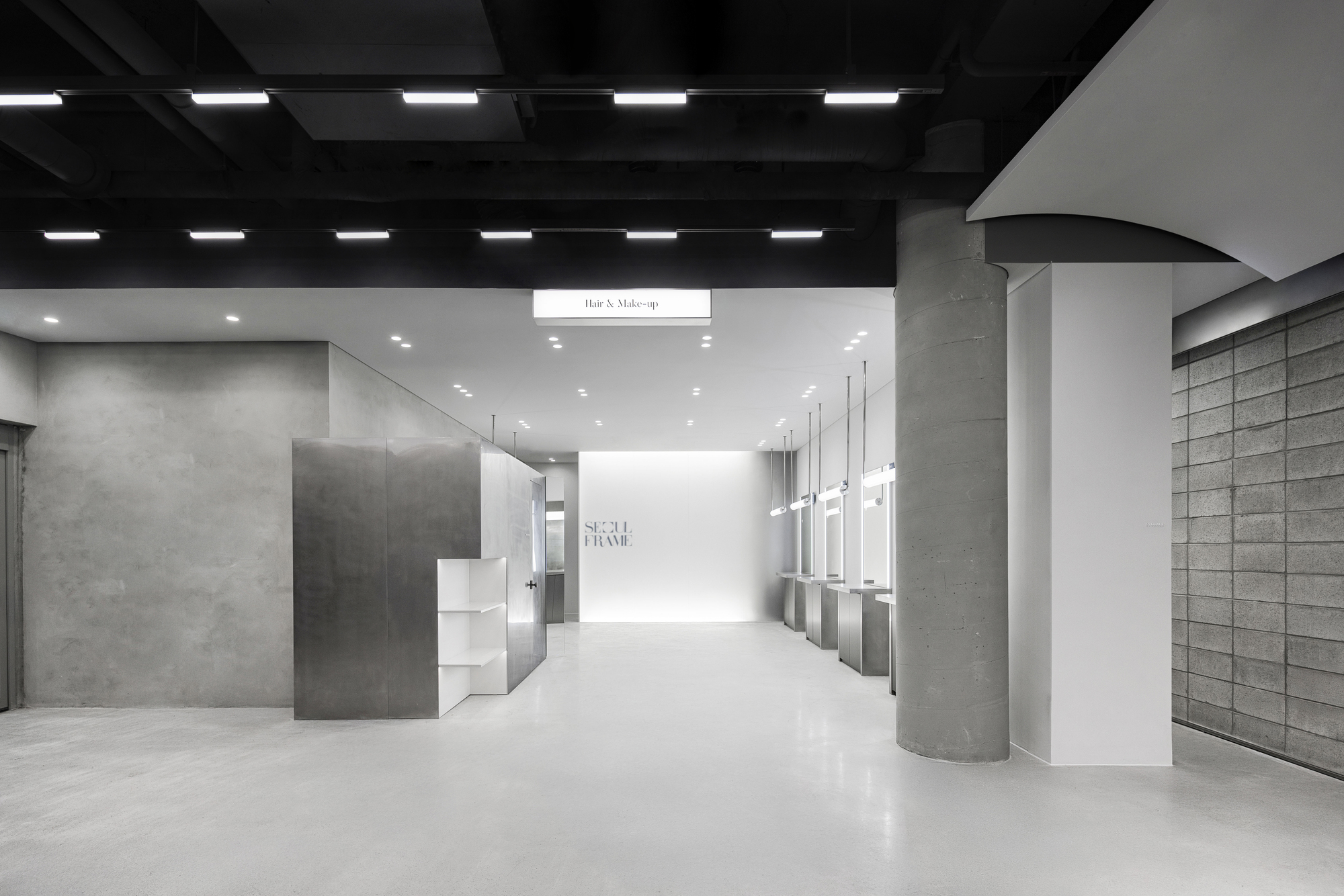
The campaign explores the relationship between graphic identity and natural motifs, with the S-check pattern reinterpreted through cherry blossom imagery, establishing a contrast between graphic order and natural variation.
Graphic design


fromArchitectural Digest
2 weeks agoHome Design for a Longer Life: Can a House Really Promote Longevity?
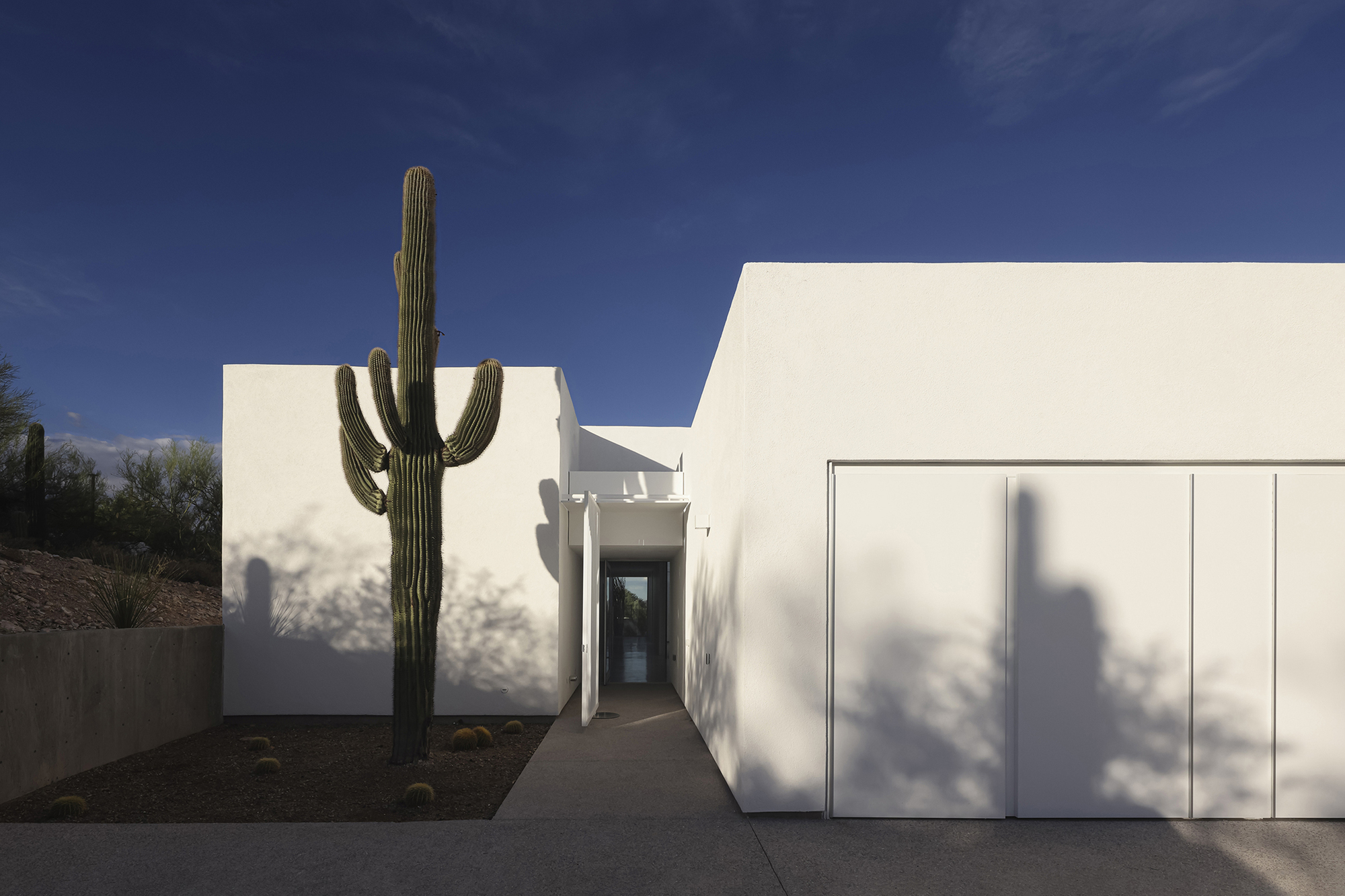
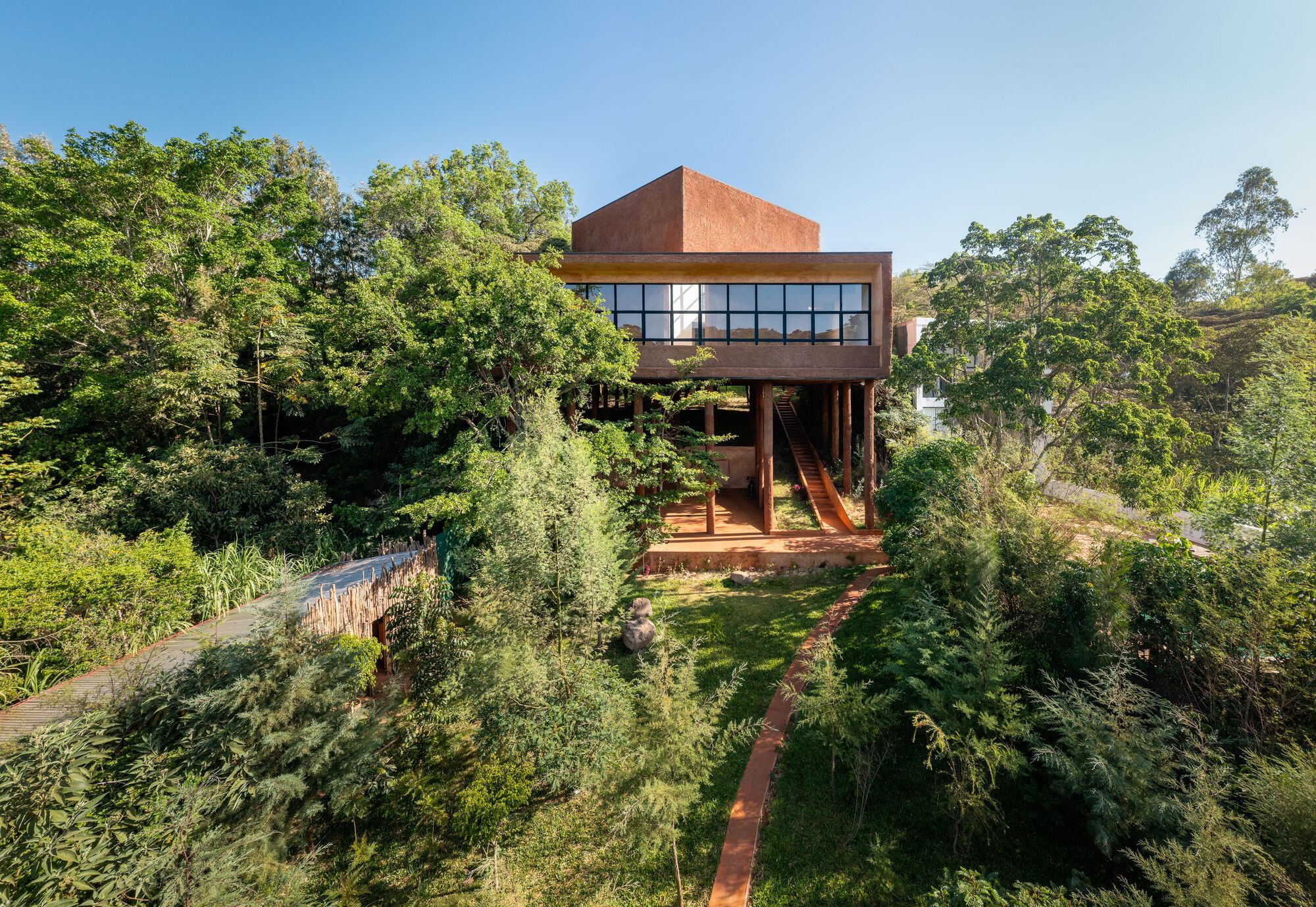
When you design your home with intentionality, you are essentially 'hard-coding' healthy behaviors into your daily rhythm. Health outcomes are the result of thousands of micro-decisions—so in his own home, he prioritized spaces like the kitchen, whose open layout makes cooking a pleasure, and the gym, centrally located.
Wellness
Arts
fromYanko Design - Modern Industrial Design News
2 weeks agoJanny Baek's Ceramics Look Like They're Still Evolving - Yanko Design
Janny Baek's ceramic sculptures deliberately maintain ambiguity and incompleteness, appearing caught mid-transformation as though unfinished by the kiln, creating visually arresting forms that suggest multiple organic possibilities simultaneously.
#residential-architecture
Renovation
fromArchDaily
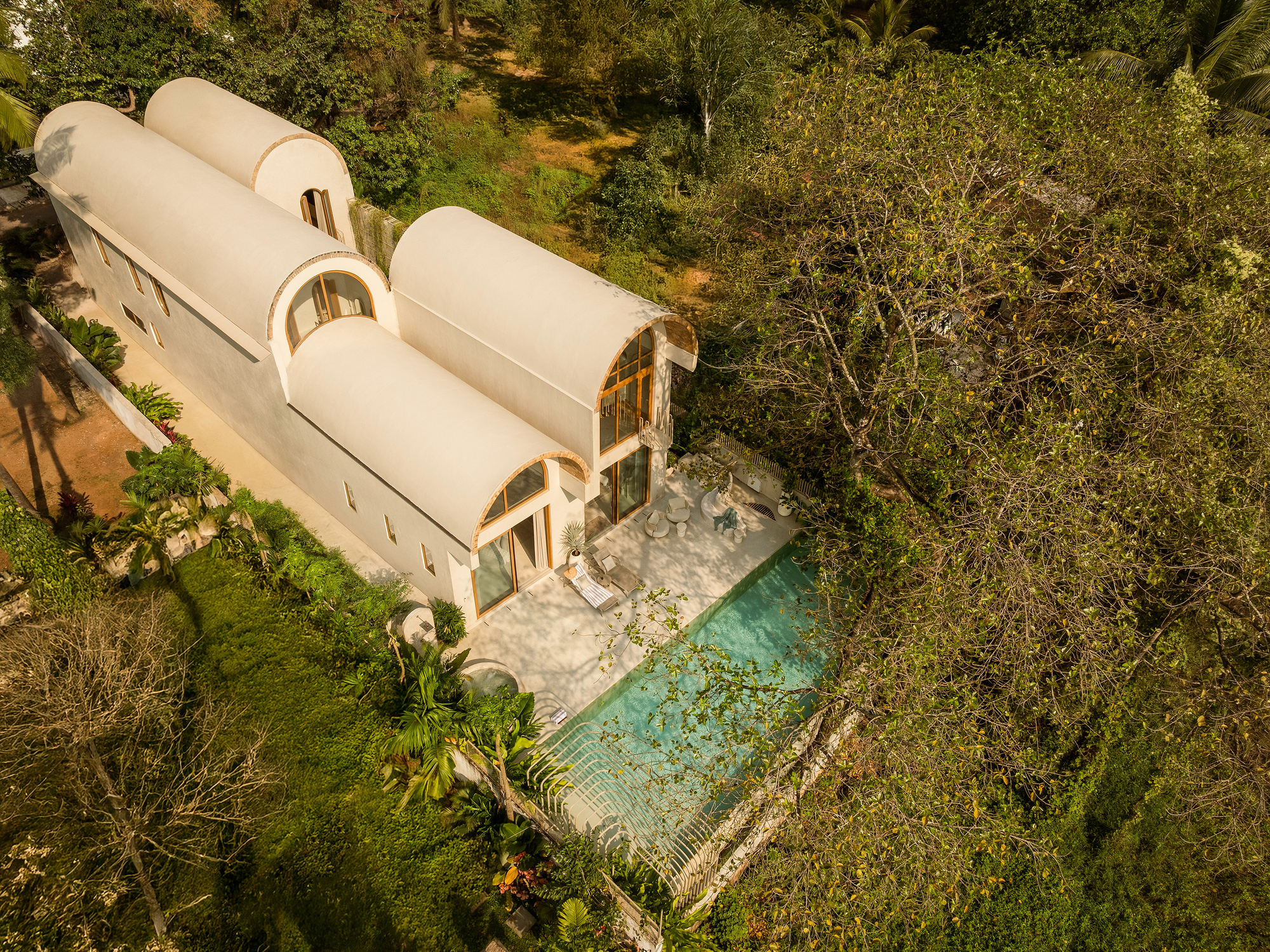
2 weeks agoRenovation and Continuity in Japanese Architecture: The Work of 1110 Office for Architecture
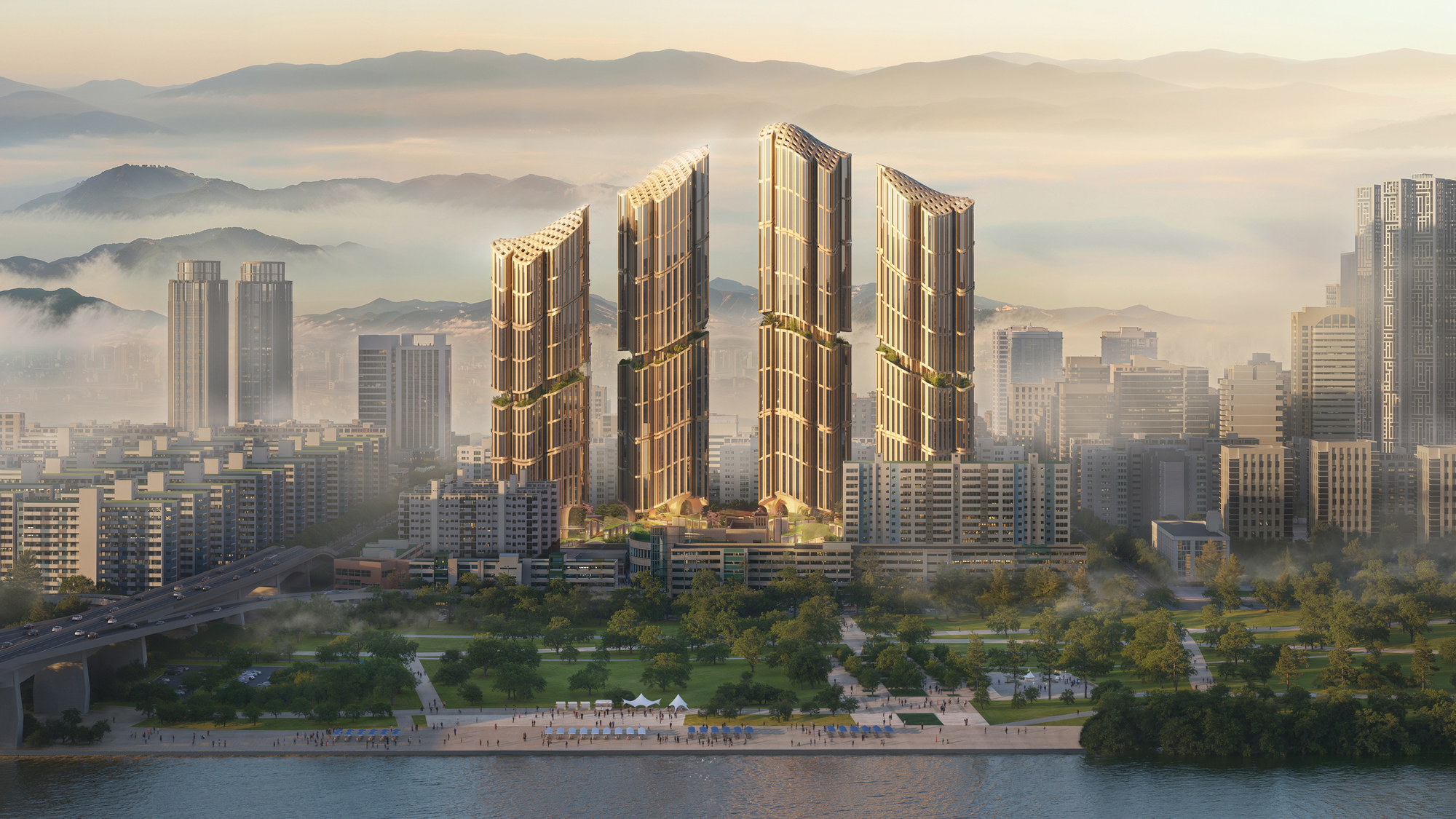
1110 Office for Architecture addresses societal and environmental transformation through careful residential renovations and precise spatial interventions that balance change with enduring elements.
Renovation
fromArchDaily
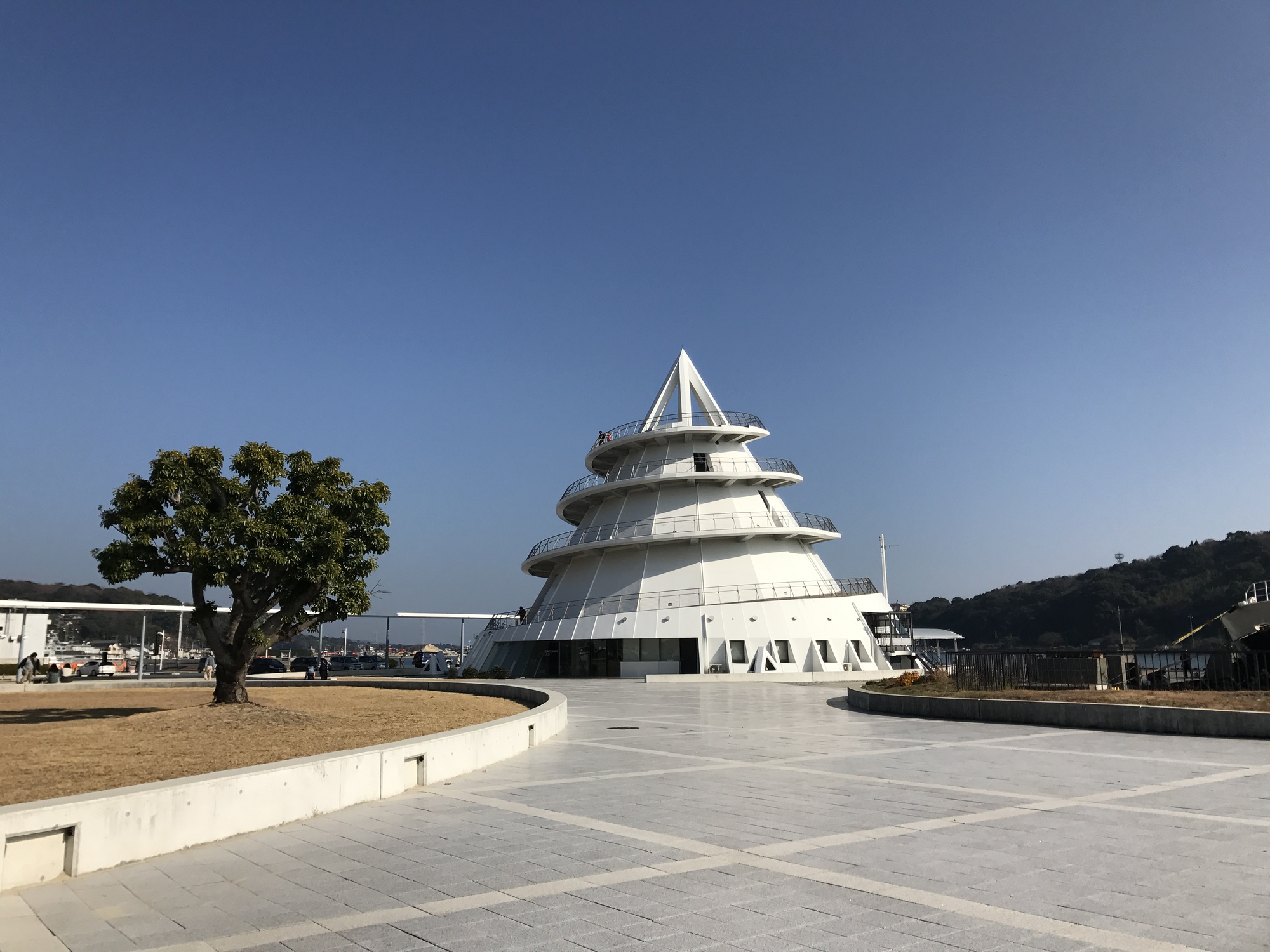
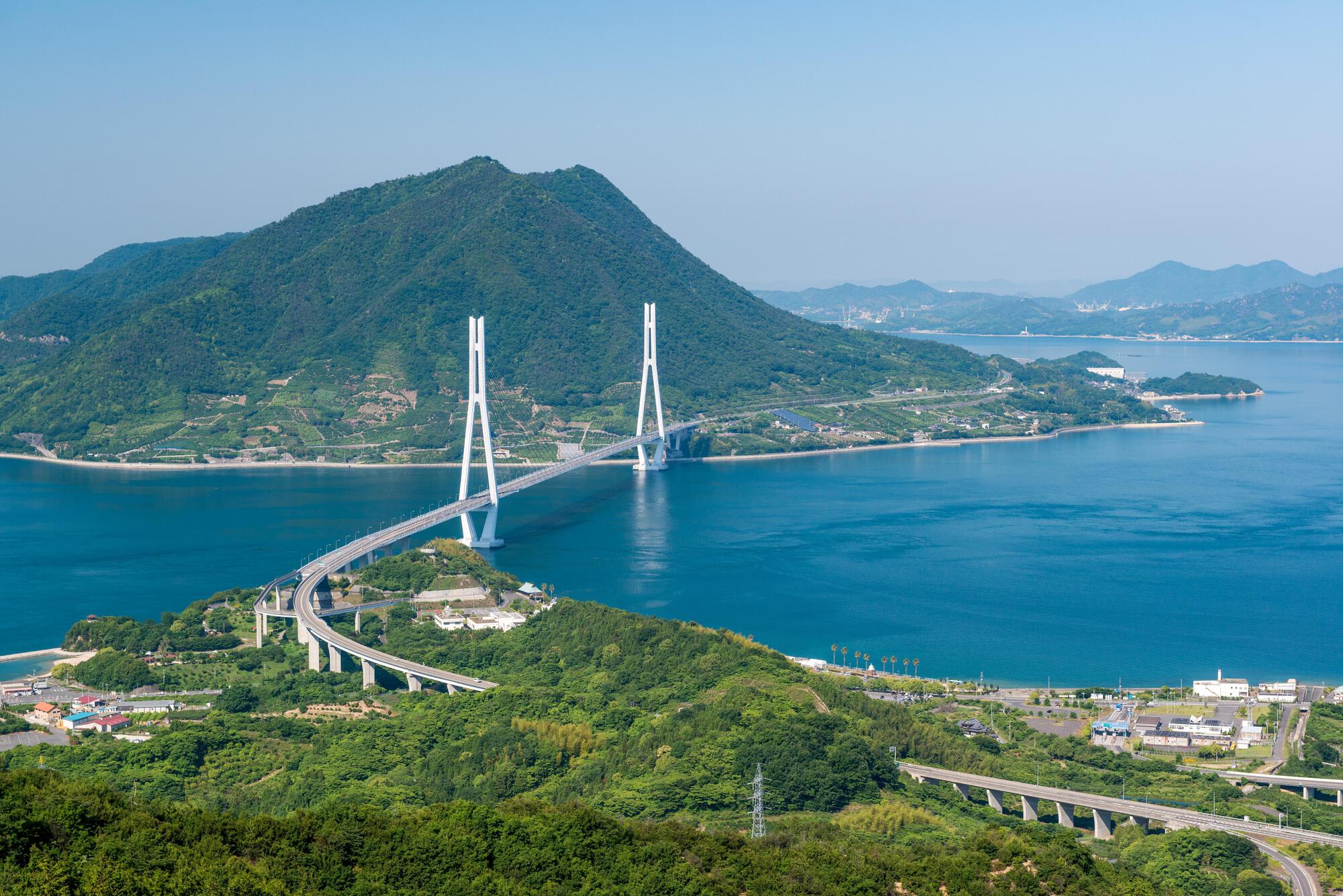
2 weeks agoRenovation and Continuity in Japanese Architecture: The Work of 1110 Office for Architecture
1110 Office for Architecture addresses societal and environmental transformation through careful residential renovations and precise spatial interventions that balance change with enduring elements.
Renovation
fromdesignboom | architecture & design magazine
2 weeks agobrick and concrete sculpt elevated riverfront residence in thailand by bodinchapa architects
BodinChapa Architects reinterprets traditional Lanna vernacular architecture through a contemporary twin-house design that integrates climate responsiveness, functional separation, and water management systems.
fromArchitectural Digest
3 weeks agoA Design Lover's Guide to Seoul: The Most Inspiring Places to See, Eat, and Shop
Seongsu-dong is Seoul's creative hub, where old warehouses and factories have been transformed into design studios, cafés, and showrooms. Often referred to as 'the Brooklyn of Seoul,' the industrial infrastructure, pop-up scene, and design-led façades make it a photo-friendly destination favored by many design-loving visitors.
Berlin
fromRemodelista
3 weeks ago12 Pojagi-Style Patchwork Curtains in a Range of Styles and Prices
Making pojagi was a way of "economizing resources," and also "an act of affection," explains artist-fashion designer Christina Kim of Remodelista longtime favorite Dosa. Shown here: Dosa's cotton and silk Pojagi Scarves are "both a reminder of Christina's childhood in Korea and a beautiful expression of traditional recycling"-and would work well on a wall or in a doorway.
Fashion & style
Renovation
fromYanko Design - Modern Industrial Design News
2 weeks agoThis Crumbling Kyoto Home Was Rebuilt as a Wabi-Sabi Sanctuary - and Every Detail Is Intentional - Yanko Design
A Kyoto renovation restores a traditional Sukiya residence by removing decades of alterations, creating livable spaces that honor historical principles while serving contemporary needs.
fromLos Angeles Times
15 years agoModern notes grace a historic pedigree
Designed by noted residential architect Roland E. Coate, the home was built in 1926 for Annie Wilson, daughter of pioneering Southern California businessman and politician Benjamin Wilson, for whom Mt. Wilson is named. The gently sloping 1-acre-plus property was once part of the vast holdings of George S. Patton, father of the famed U.S. general.
LA real estate

fromConde Nast Traveler
1 month agoArchitect Andre Fu Shows Us Around His Native Hong Kong
With a cornucopia of credits to his name-having designed some of Asia's hottest new hotels including the Waldorf Astoria Osaka, Capella Taipei, and Upper House Hong Kong; restaurants like Duddell's and Estro in Hong Kong; and even furniture for Louis Vuitton-Fu needs as much artistic inspiration as he can get to fuel his work. Fortunately, he doesn't have to go far in this dynamic city: "There's the ultramodern and chic, yes, but the city's spirit is rooted in places that are grounded and authentic," he says.
Travel
fromdesignboom | architecture & design magazine
2 weeks agovernacular bridge craftsmanship informs micro-museum set within bamboo grove in china
Baqiao bridges, including the nearby Shisanba Bridge, typically appear in areas where the difference between river level and embankment is relatively small. Their upstream piers are shaped like tapered spindles with slightly raised tips, creating a distinctive structural profile. Stone slabs span between the piers, forming a bridge deck assembled through interlocking construction methods.
Design
Renovation
fromFast Company
1 month agoThe quarry that built modern Beijing gets a surprising second life
A former Beijing quarry that supplied materials for the city's rapid growth has been transformed into a 265-acre ecological park that repurposes its massive excavation pits as functional and scenic landscape features.
Design
fromdesignboom | architecture & design magazine
3 weeks agogalerie philia presents 'human after all' within a converted bathhouse in seoul
Galerie Philia presents Human After All in Seoul, featuring contemporary Korean designers within a historic 1980s bathhouse with distinctive architectural character that shapes the exhibition experience.

fromArchDaily
2 months agoThe Douban Museum / CSWADI
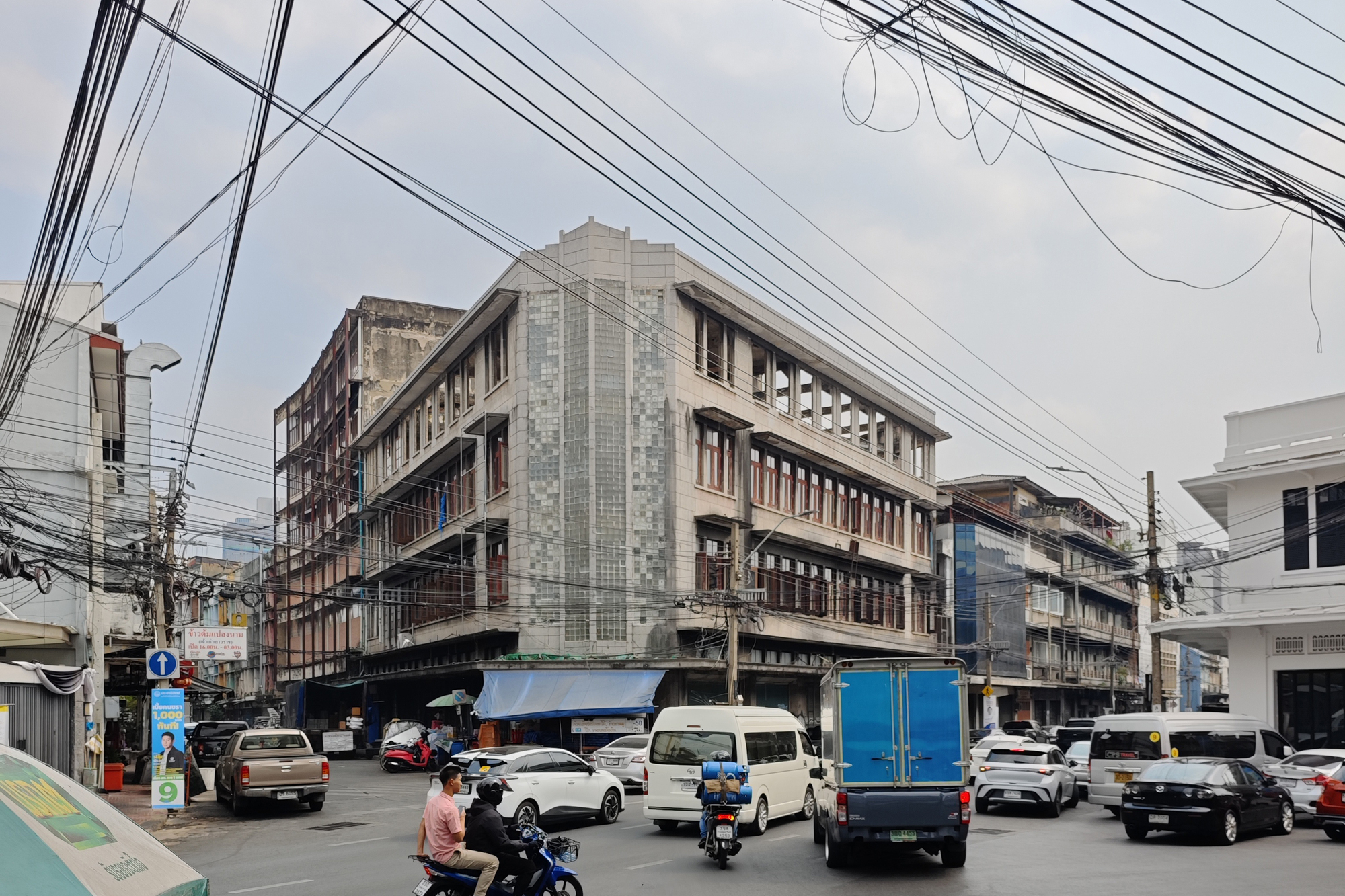
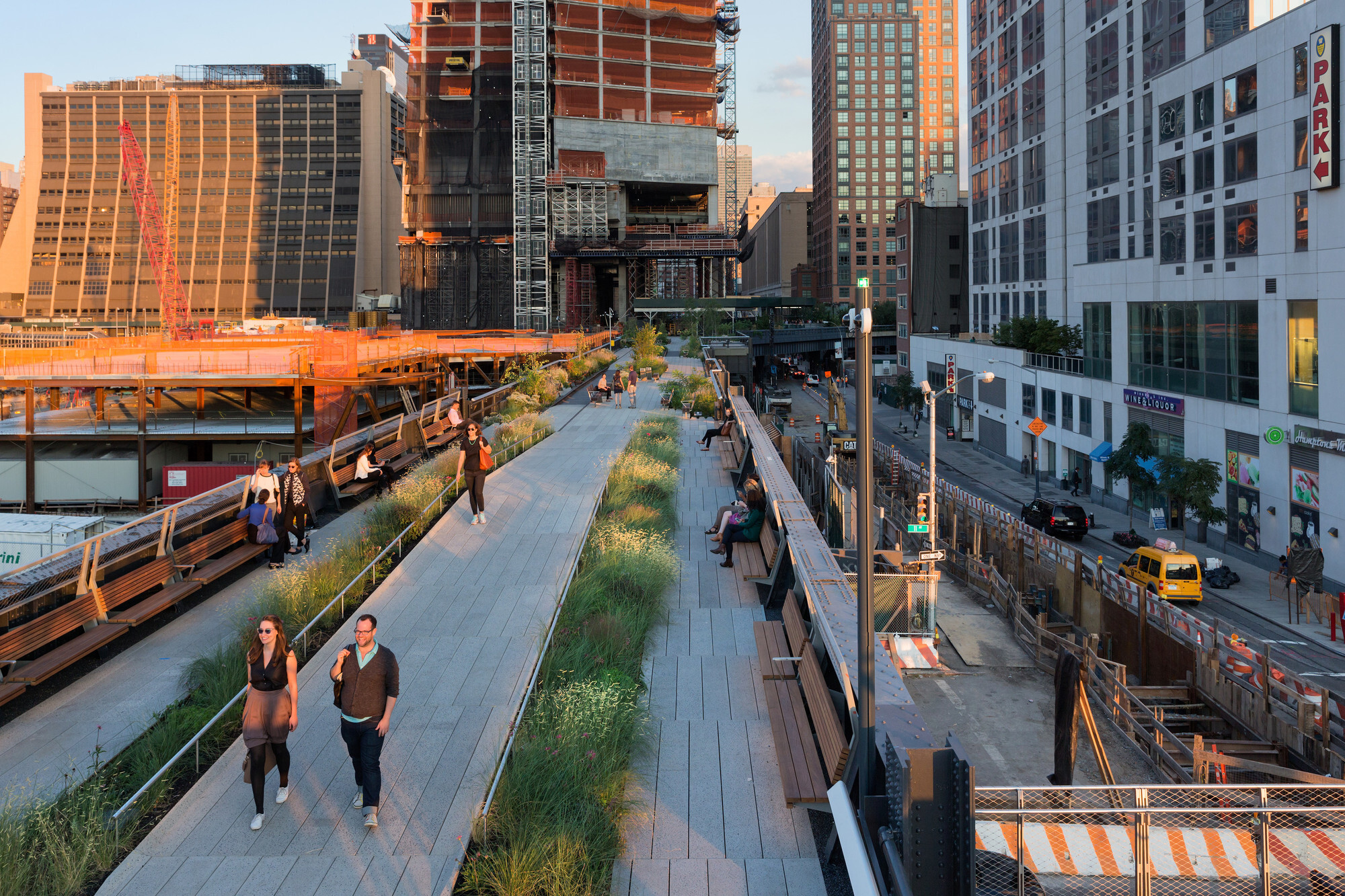
Text description provided by the architects. The Douban museum is located in Ande Town, within the prime irrigation area of Dujiangyan, where traditional farming culture intersects with modern sauce production, echoing the organic texture of the Western Sichuan Linpan. Surrounded by woodlands and bamboo with dotted farmhouses, it possesses a strong ecological foundation. Protecting this ecology became the project's guiding principle.
Environment
Renovation
fromwww.archdaily.com
1 month agoJinan Ping An Financial Center Interior Design / Nikken Sekkei
A 62-story, 360-meter skyscraper in Jinan's CBD features landmark interior design by Nikken Sekkei, embodying the 'river' theme within a five-building complex symbolizing natural and urban elements.
Travel
fromArchitectural Digest
1 month ago15 Architectural Destinations to Add to Your Must-Visit List in 2026
Malacca and Macau showcase diverse architectural and cultural fusion from Portuguese, Dutch, Chinese, Malay, and international influences, attracting culinary tourism and major casino-driven economies.
fromArchDaily
1 month agoHeritage Without Permanence: When Architecture Endures by Disappearing
A Gothic cathedral can take centuries to complete. A world exposition pavilion may stand for six months. A ritual structure in Kolkata rises and vanishes within five days. Yet each draws pilgrimage, shapes collective memory, and reorganizes urban life. If heritage has long been defined by what endures, architecture repeatedly shows that cultural authority can also belong to what gathers people.
Design
fromwww.archdaily.com
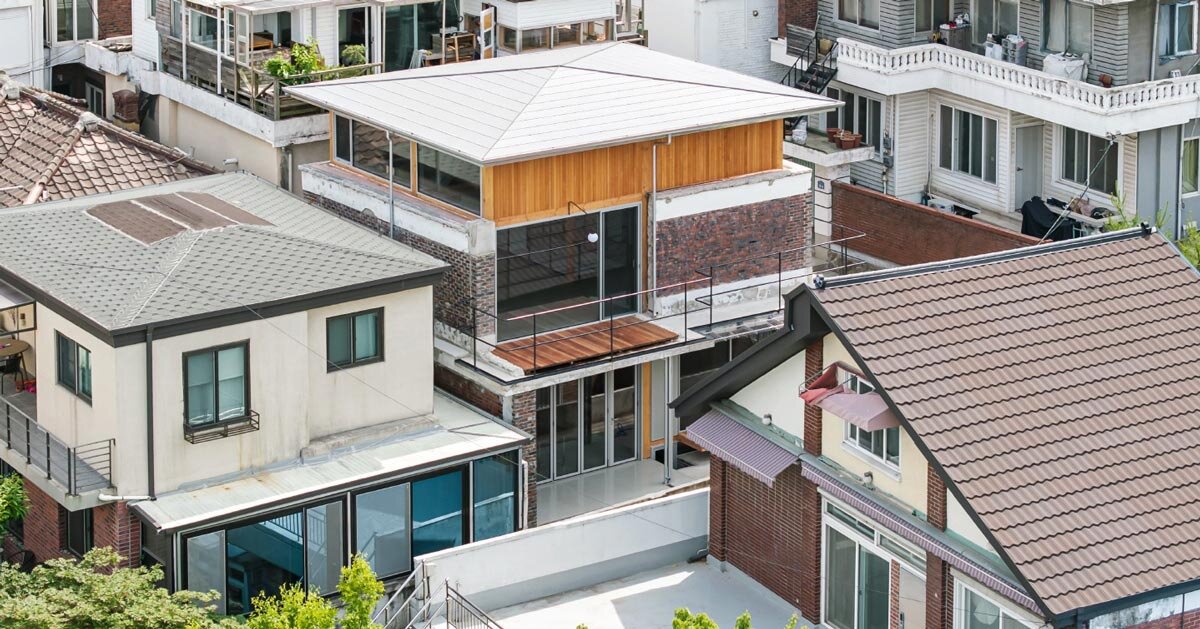
2 months agoTopology: Hanok / Yong Ju Lee Architecture
Topology: Hanok is an experiment that develops a topological design workflow using AI to reinterpret the sectional logic and spatial continuity of traditional Korean architecture beyond mere formal reconstruction or structural reproduction. Rather than directly restoring the structural joints or framing system of traditional Hanok, the project focuses on its nonlinear spatial organization, the fluidity of curves, and the continuous transitions between interior and exterior.
Design
fromArchDaily
2 months agoRiyadh Architecture City Guide: 16 Projects from Heritage to Urban Expansion
Once a Najdi settlement defined by mudbrick walls and courtyard houses, Riyadh has undergone one of the most radical urban transformations of the 20th and 21st centuries. The discovery of oil reserves, the consolidation of political power, and the rapid expansion of infrastructure reshaped the city from a regional capital into a sprawling metropolis almost within a single generation. As a result, Riyadh's urban fabric is marked by discontinuities, fragments of vernacular architecture coexist with mid-century institutional modernism, and a rapidly evolving contemporary skyline.
Renovation
Design
fromYanko Design - Modern Industrial Design News
2 months agoChina Just Built a Rest Stop That Belongs in a Sci-Fi Movie - Yanko Design
A modest concrete pavilion on Mount Luofu offers a contemplative looped path that frames views through crafted openings, blending functional rest with landscape choreography.
Design
fromdesignboom | architecture & design magazine
1 month agosunshades shaped like bird wings can withstand typhoons and harsh weather in seoul
Bird-wing-shaped polyurethane mesh sunshades provide lightweight, typhoon-resistant park shelters that reduce wind load, offer large shaded spans, and withstand humidity, rain, and UV exposure.
Design
fromdesignboom | architecture & design magazine
2 months agoa 1930s chair is the architectural inspiration for gad's nature experience center in china
A free-form roof floats like a cloud, allowing relaxed, locally adapted architecture that grows from alpine terrain and frames mountain, village, and water landscapes.
Design
fromdesignboom | architecture & design magazine
2 months agorippling metal roof drapes over interlocking stone volumes of vietnamese cafe
Asymmetrical interlocking volumes and a sloped, westward roof with layered metal cladding create a sun-shaded, material-rich café that encourages movement and slow rhythms.
Design
fromdesignboom | architecture & design magazine
1 month agocan discarded rice become building material? examining a value cycle for wasted grain
Discarded rice can be reframed as a moldable, durable composite material through combining grains and binders, creating design value beyond consumption.
Design
fromdesignboom | architecture & design magazine
2 months agobuilt99 reframes indian architectural value selected by designboom and archdaily editors
Built99 curates and archives 99 Indian and Global South architectural practices through permanence-led documentation, editorial collaboration, and rigorous criteria for long-term cultural relevance.
fromdesignboom | architecture & design magazine
2 months agovespa-inspired curved geometry shapes vietnam residence clad in wood
The project's design concept originates from the upper-level bedroom, conceived as a personal retreat oriented toward the sky and surrounding rooftops. Located on the third floor, the room is defined by a large glazed opening that frames views outward while allowing daylight to penetrate deep into the interior. The window opening is proportioned to resemble a simple hut-like frame, reinforcing a direct visual relationship with the sky and an existing mango tree preserved on the site.
Design
fromArchDaily
2 months agoCivic Architecture Opens to the City as Global Attention Turns to Africa: This Week's Review
Across this week's broader architecture news landscape, a central theme emerges around the advancement of civic architecture conceived as open, publicly engaged infrastructure, with cultural and institutional projects increasingly designed to strengthen their relationship with the city and everyday urban life. At the same time, renewed global attention turns toward Africa, where large-scale transport infrastructure and the conservation of modernist landmarks reflect interests in the region and the reassessment of the continent's architectural heritage.
Design
Design
fromArchDaily
1 month agoHeritage Transformations, New Capital Cities, and Residential Innovations: This Week's Review
Adaptive reuse, landscape integration, and conservation strategies extend the life and cultural relevance of built environments amid material, infrastructural, and geopolitical challenges.
[ Load more ]