#kurdish-integration
#kurdish-integration
[ follow ]
#syria #iran #ceasefire #sdf #syrian-democratic-forces-sdf #iraq #aleppo #us-foreign-policy #us-iran-tensions




fromThe Atlantic
1 week agoThe Kurdish Ground Force Preparing to Fight in Iran
We are on the trigger finger. After 22 years in the movement, we have never been this busy. The American-Israeli effort to bring down the Iranian regime is not likely to succeed without the help of PJAK and other Kurdish armed groups.
World news
World news
fromenglish.elpais.com
1 week agoThe dilemma of Iraqi Kurds in the face of their Western allies' offensive against Iran: It's not our war'
Iraqi Kurdistan faces danger from ongoing U.S.-Israeli operations against Iran, with increased missile attacks and a tense atmosphere during Nowruz celebrations.
fromwww.theguardian.com
1 month agoWho are the Kurds and why does Trump want them to join the war on Iran?
Numbering between 30 and 40 million worldwide, most live amid the peaks and valleys straddling the borders of Armenia, Iraq, Iran, Syria and Turkey. The Kurds link their history to that of the Medes, an ancient Middle Eastern people. They were left stateless a century ago when the borders of the modern Middle East emerged from the collapsing Ottoman empire.
World politics
World news
fromenglish.elpais.com
2 weeks agoIran's Kurdish militias are waiting for the regime to weaken before making their move
Iranian Kurdish groups remain prepared to intervene against Iran's regime if it weakens, drawing inspiration from the failed 1946 Republic of Mahabad while facing uncertain U.S. military support under Trump's unpredictable leadership.
World politics
fromwww.aljazeera.com
1 month agoWhile US encourages Kurds to attack Iran, history serves darker warning
The US is reportedly encouraging Iranian Kurdish militias to challenge Iran's government while repeating historical patterns of abandoning Kurdish allies after geopolitical objectives shift.
#us-israel-military-operations

World news
fromwww.theguardian.com
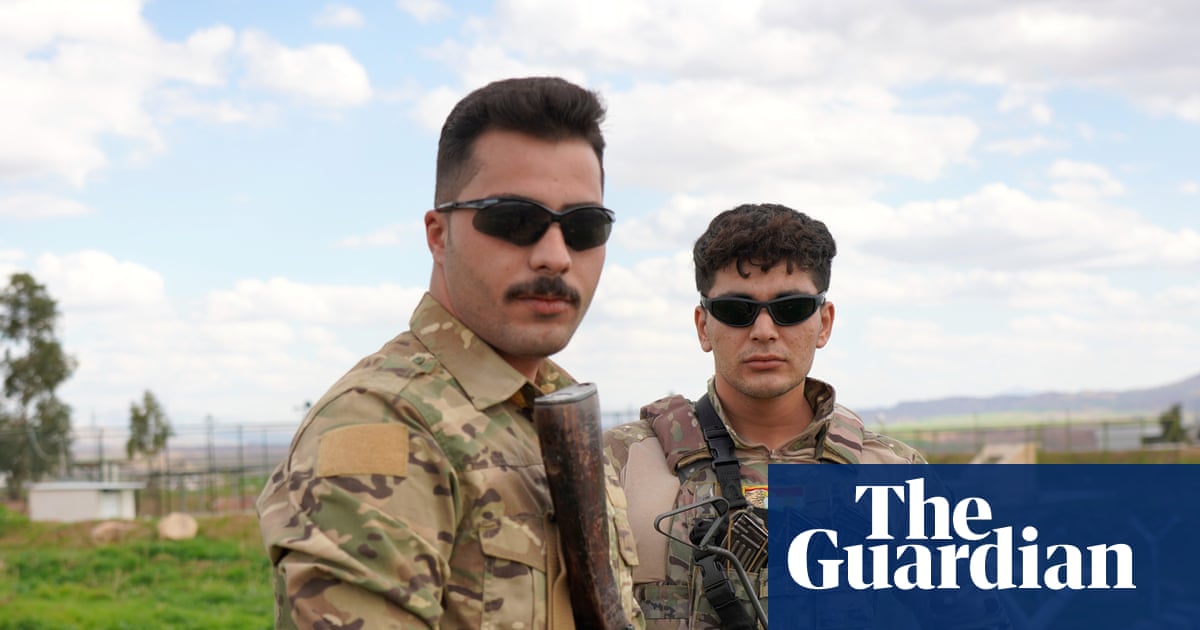
1 month agoAirstrikes hit Iran-Iraq border as US and Israeli plan to mobilise Kurds gathers pace
US and Israeli airstrikes target Iranian military positions along Iraq border while supporting Kurdish and Baloch militant groups for potential cross-border operations against Iran.
fromwww.dw.com
1 month agoGerman government pushes Syrians to return to their homeland
Of these, 3,678 of them have already gone back to their home country. For German Interior Minister Alexander Dobrindt, this is proof of the migration policy that he has been promoting: "Those who have no prospect of staying receive targeted support for their voluntary repatriation." This "targeted support" includes the cost of the flights and 1,000 (ca. $1200) per adult and 500 for minors.
Miscellaneous
fromwww.aljazeera.com
3 weeks agoAttacks from all sides: Why Iraq was dragged into US-Israel war on Iran
Within hours of the United States-Israeli attacks on Iran, US assets in Iraq's Kurdistan region came under retaliatory attacks from Tehran-backed groups, dragging the country into the conflict that has since expanded across the Middle East and beyond. Since then, US assets located in Iraq have come under multiple attacks from pro-Iran groups and Iran's powerful Revolutionary Guard Corps (IGRC).
World news
World news
fromwww.aljazeera.com
4 weeks agoIranian Kurd leader in Iraq says ground operation into Iran highly likely'
Iranian Kurdish nationalist groups based in Iraq are considering cross-border ground operations into Iran, with US contact reported, while Iran's IRGC strikes separatist targets in Iraqi Kurdistan.
fromwww.dw.com
2 months agoTurkish Cypriots: The EU's invisible Europeans
Hahn emphasized the EU's financial commitment to the community and pointed out that the bloc has provided it with 760 million ($888 million) in support over the past 20 years. He also said that the EU remains ready to cooperate with the Turkish Cypriot side for the implementation in the northern part of the island of the EU acquis, the body of legislation, rights and obligations in place in all EU member states.
Miscellaneous
#iran-kurdish-conflict

World news
fromwww.aljazeera.com
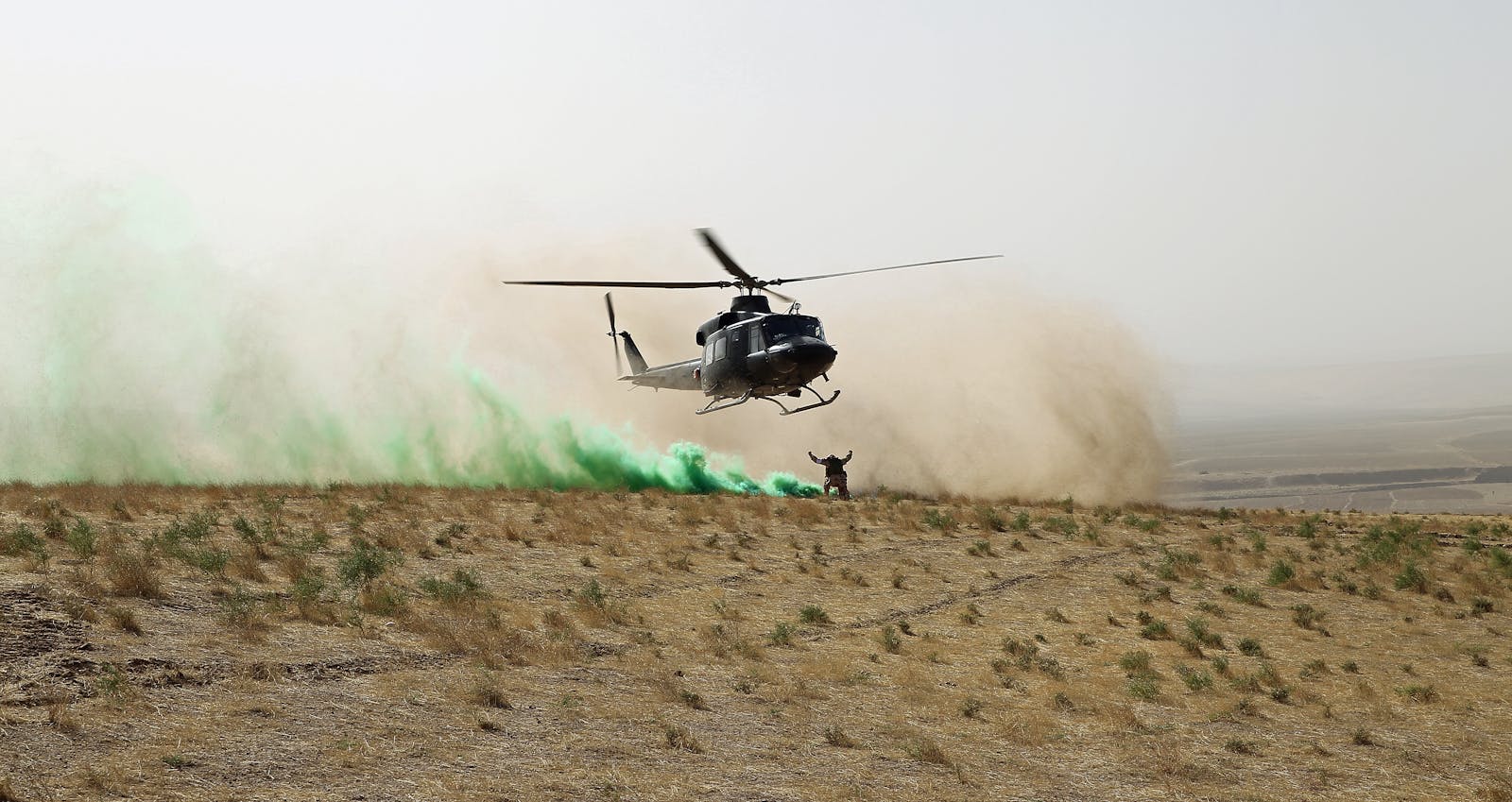
1 month agoIran targets Kurdish groups in Iraq, begins wave of attacks on Israel
Iran launched military operations against Kurdish armed groups in Iraq's semi-autonomous region while conducting its 19th wave of missile and drone attacks against Israel and US assets during an escalating regional conflict.
World news
fromSilicon Canals
1 month agoWashington wants Kurdish fighters to join the war on Iran. They say it would be suicidal without air support. - Silicon Canals
Iran attacked Iranian Kurdish opposition group headquarters in northern Iraq, killing at least one fighter, as these groups form a coalition and consider joining military action against Tehran, exposing gaps between U.S. strategic goals and available resources for proxy partners.
#kurdish-militias

World news
fromwww.mediaite.com
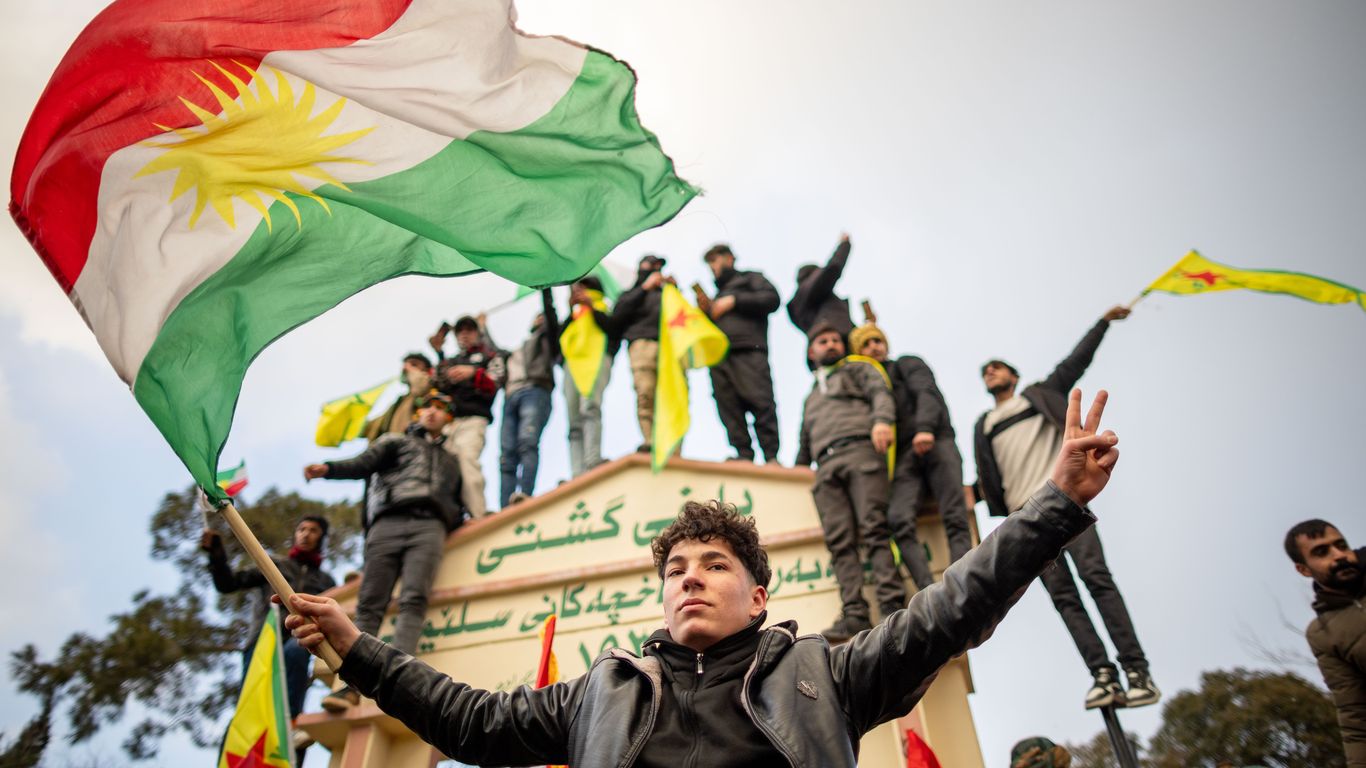
1 month agoFox News Reports Thousands of Iraqi Kurds Have Launched a Ground Offensive Into Iran'
Iraqi Kurds launched a ground offensive into Iran, reportedly coordinated by the Trump administration to destabilize the Iranian regime, though concerns exist about supporting designated terrorist organizations.
World news
fromAxios
1 month agoKurds backed by Mossad, CIA could lead next phase of war in Iran
Five Kurdish Iranian dissident groups formed a coalition backed by Mossad and CIA to conduct ground operations against Iran from Iraqi territory, with Israeli officials promising political support for Kurdish autonomy if the regime collapses.




fromAxios
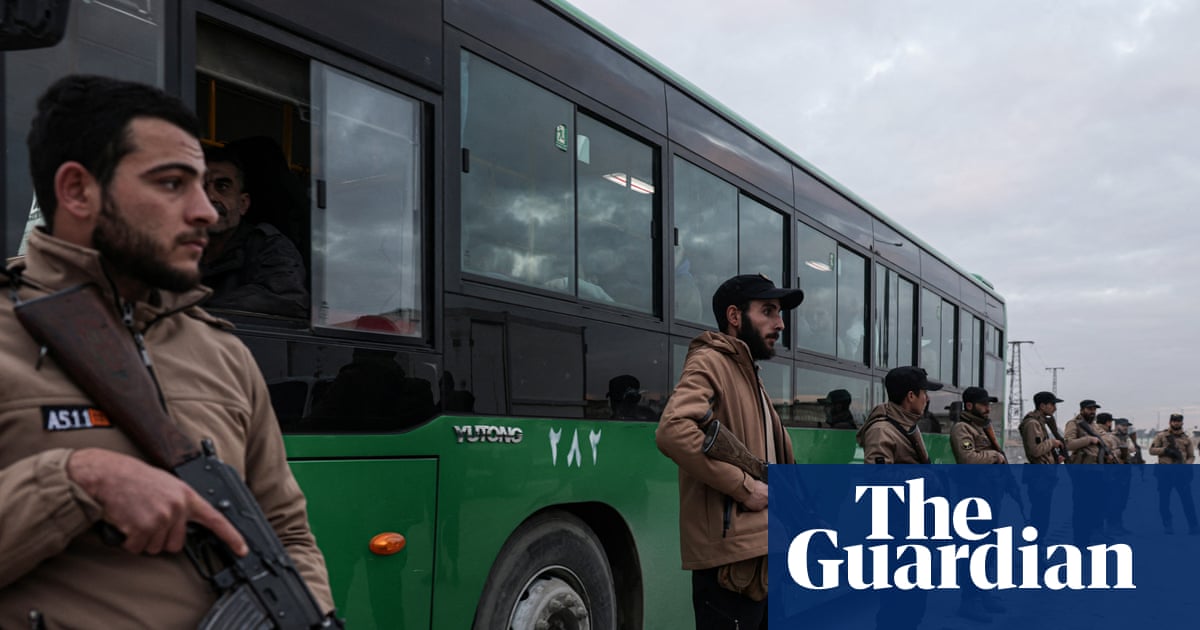
1 month agoScoop: Trump calls Kurdish leaders in Iran war effort
The calls were the culmination of months of behind-the-scenes lobbying by Israeli Prime Minister Benjamin Netanyahu, another source said. Israel has had close security, military and intelligence ties with the Kurds in Syria, Iraq and Iran for decades. "It is the general view, and certainly Netanyahu's view, that the Kurds are going to come out of the woodwork ... that they're going to rise up," one official said.
World news
fromwww.dw.com
2 months agoKurds in the Middle East: Struggle for a homeland
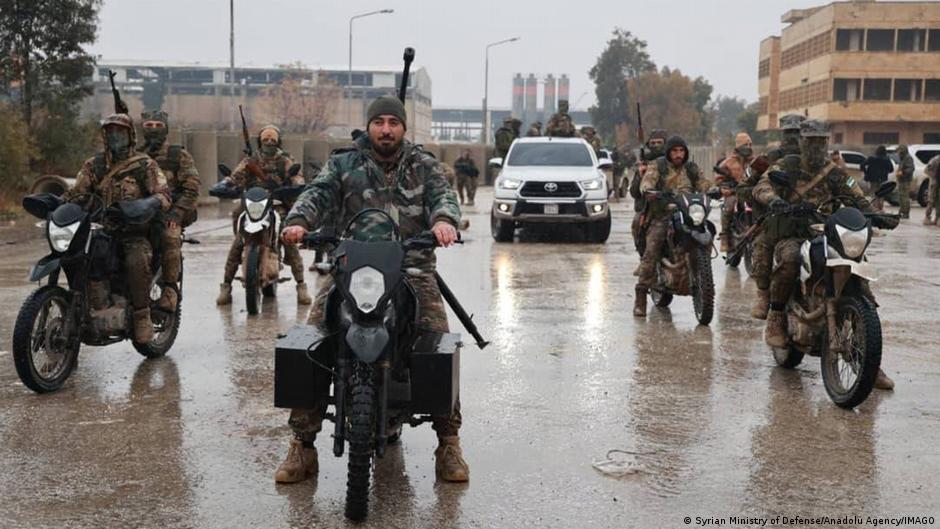
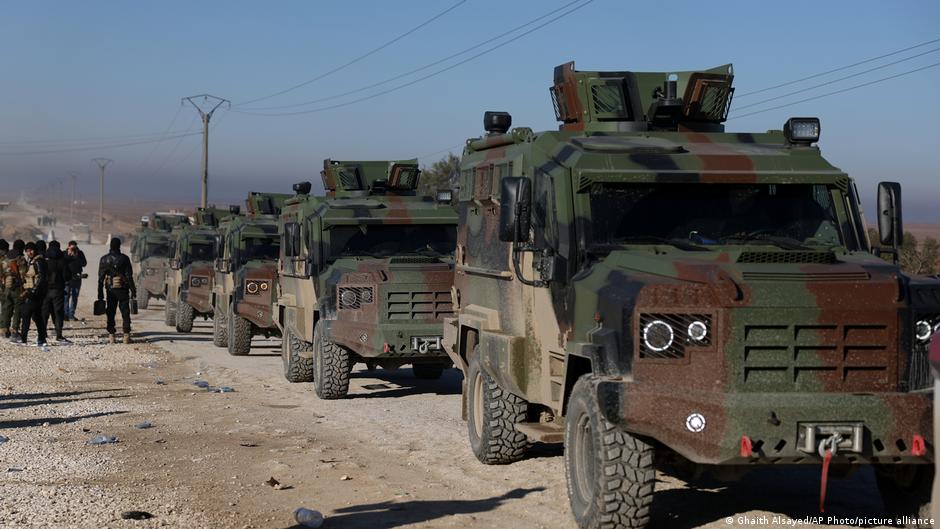
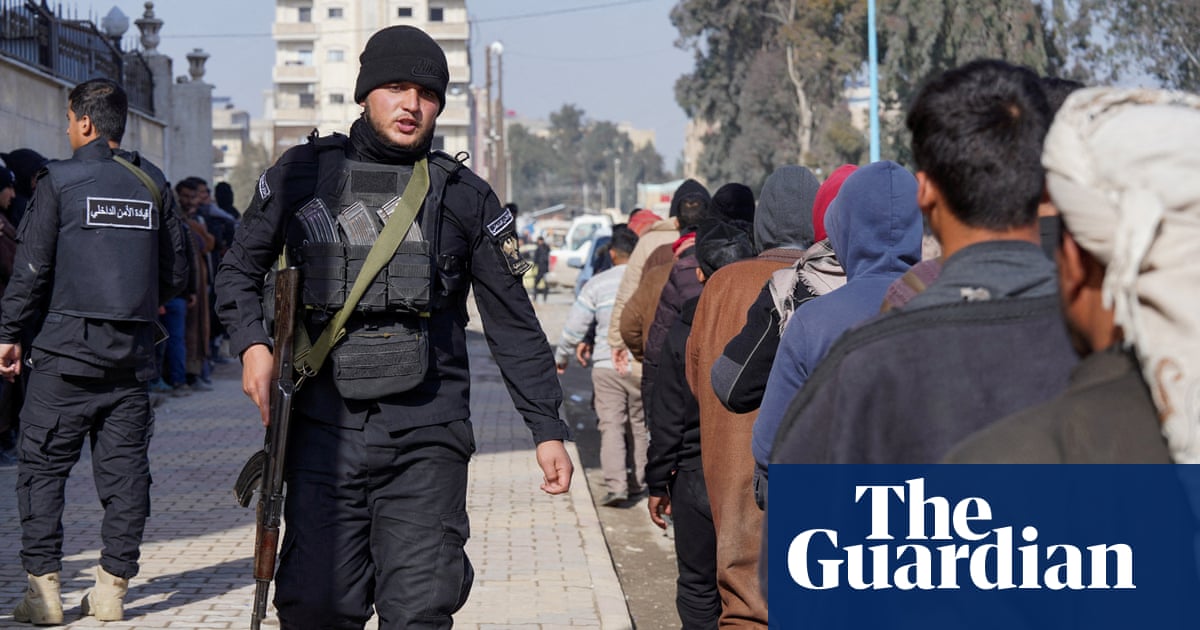
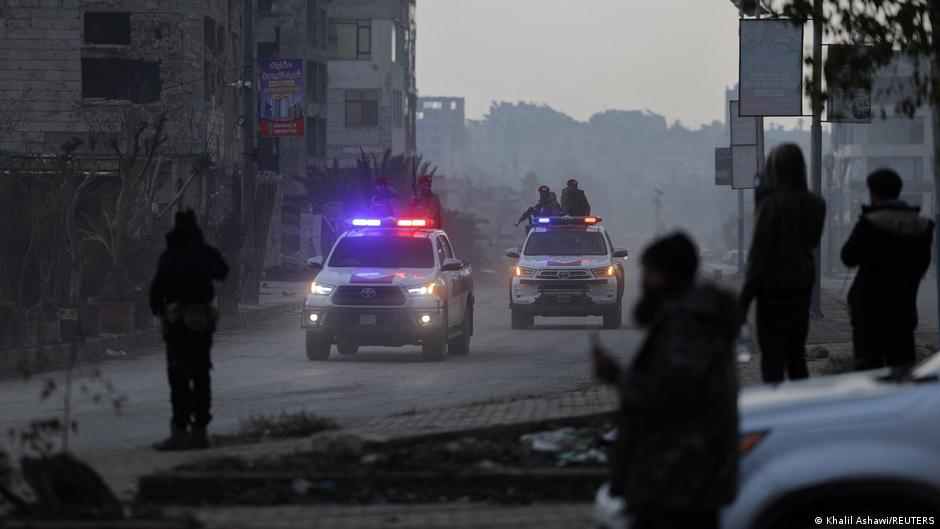
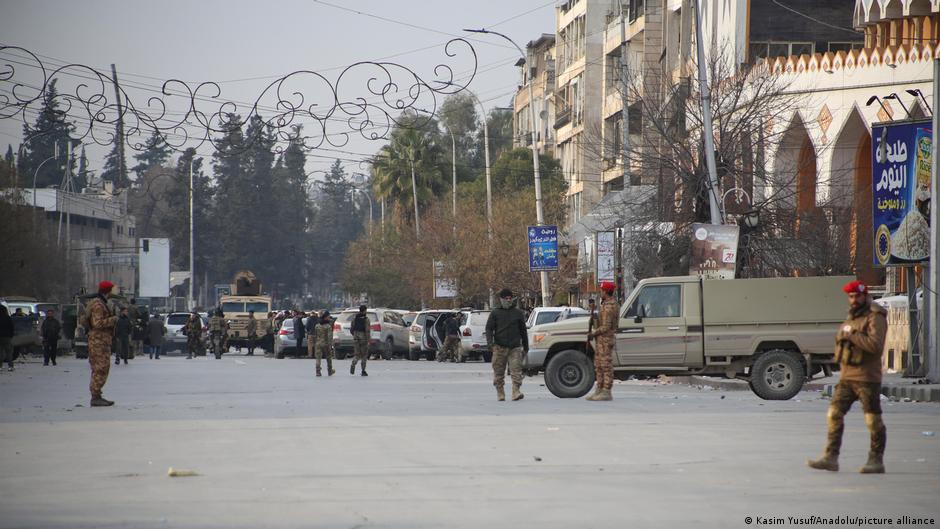
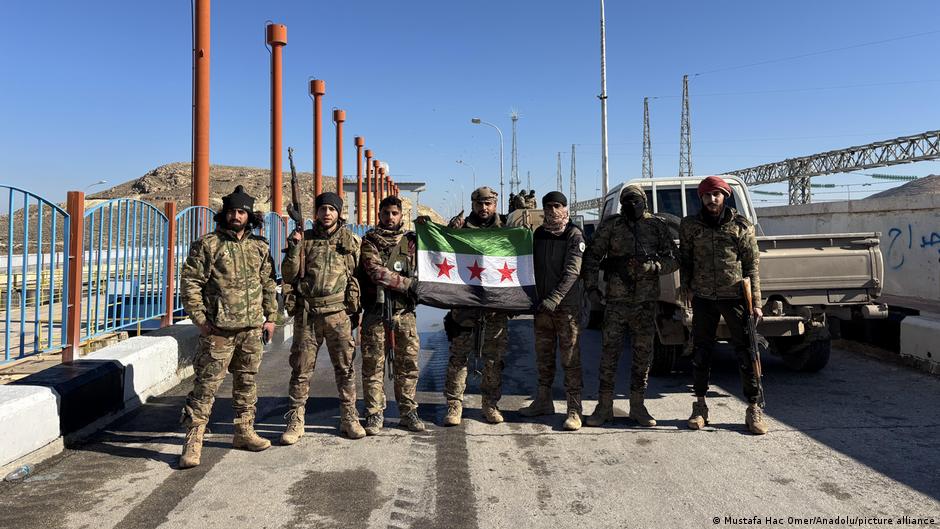
Syrian transitional government troops and Kurdish-led Syrian Democratic Forces (SDF) had been fighting for weeks in northern Syria. On Tuesday evening, the announcement of a four-day ceasefire restored a measure of calm. SDF fighters were close allies of the international coalition battling the extremist "Islamic State,", or IS, group in Syria and managed to take control of strategically important areas in Syria during 14 years of civil war. Recent clashes with Syrian government troops has pushed them out of these areas.
World news


fromThe Nation
2 months agoOne More Discarded Ally
President Trump's tactic of "flooding of the zone" has focused much of the public sphere on issues and events generated by the president's interests and whims, driving the suffering of millions of people into oblivion. Deserved attention is paid to Trump's threats to annex Greenland, his intervention into Venezuela, the imposition of arbitrary and punitive tariffs on European allies, and the assault of ICE on Minneapolis.
World news
fromwww.aljazeera.com
2 months agoAs ceasefire deadline looms, pressure on SDF to integrate with Syrian army
The Syrian army and the SDF agreed to a four-day ceasefire on Tuesday, after Kurdish fighters relinquished swaths of territory to government forces, which also sent reinforcements to a Kurdish stronghold in the northeast. Government troops have seized expanses of northern and eastern territory in the last two weeks from the SDF in a rapid turn of events that has consolidated President Ahmed al-Sharaa's rule.
World news


fromwww.aljazeera.com
2 months agoSyrians greet extended army-SDF ceasefire with guarded optimism
Government troops have seized large swaths of northern and eastern territory in recent weeks from the SDF in a rapid turn of events that has consolidated President Ahmed al-Sharaa's rule, as Syria seeks internal stability and secures the external lifeline of reintegration into the international fold and the economic revival that comes with it. The eruption of fighting has rocked a nation trying to recover from nearly 14 years of ruinous civil war.
World news
World news
fromwww.theguardian.com
2 months agoThey are killing us': authorities use force against protesters in Kurdish regions of Iran
Kurdish regions of Iran experienced escalating anti-government protests over economic collapse, met with violent crackdowns including teargas, pellet guns, and live fire.
fromwww.theguardian.com
2 months agoSyria president claims victory for all' as ceasefire with Kurdish-led force announced
The SDF appeared to have largely retreated after initial clashes on a tense frontline area in eastern Aleppo province. Hours after the government announced the deal, SDF leader Mazloum Abdi confirmed it in a video statement, saying the group had accepted the agreement, which stipulates their withdrawal from Raqqa and Deir el-Zour provinces to stop the bloodshed. We will explain the terms of the agreement to our people in the coming days, he said.
World news
[ Load more ]