#la-guajira
#la-guajira
[ follow ]
#indigenous-rights #colombia #biodiversity #venezuela #residential-architecture #ecuador #venezuelan-diaspora
#ecuador
Photography
fromArchDaily
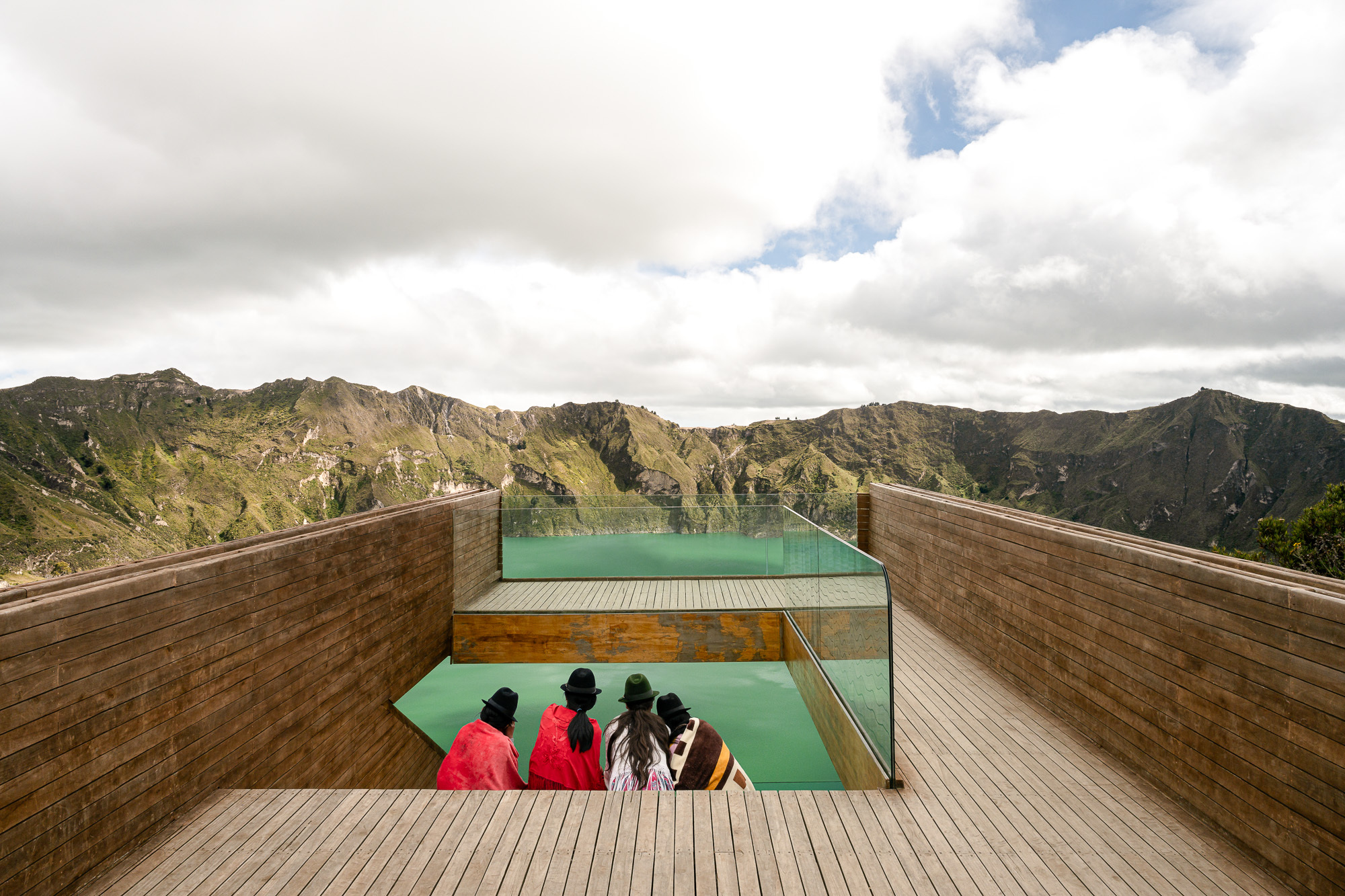
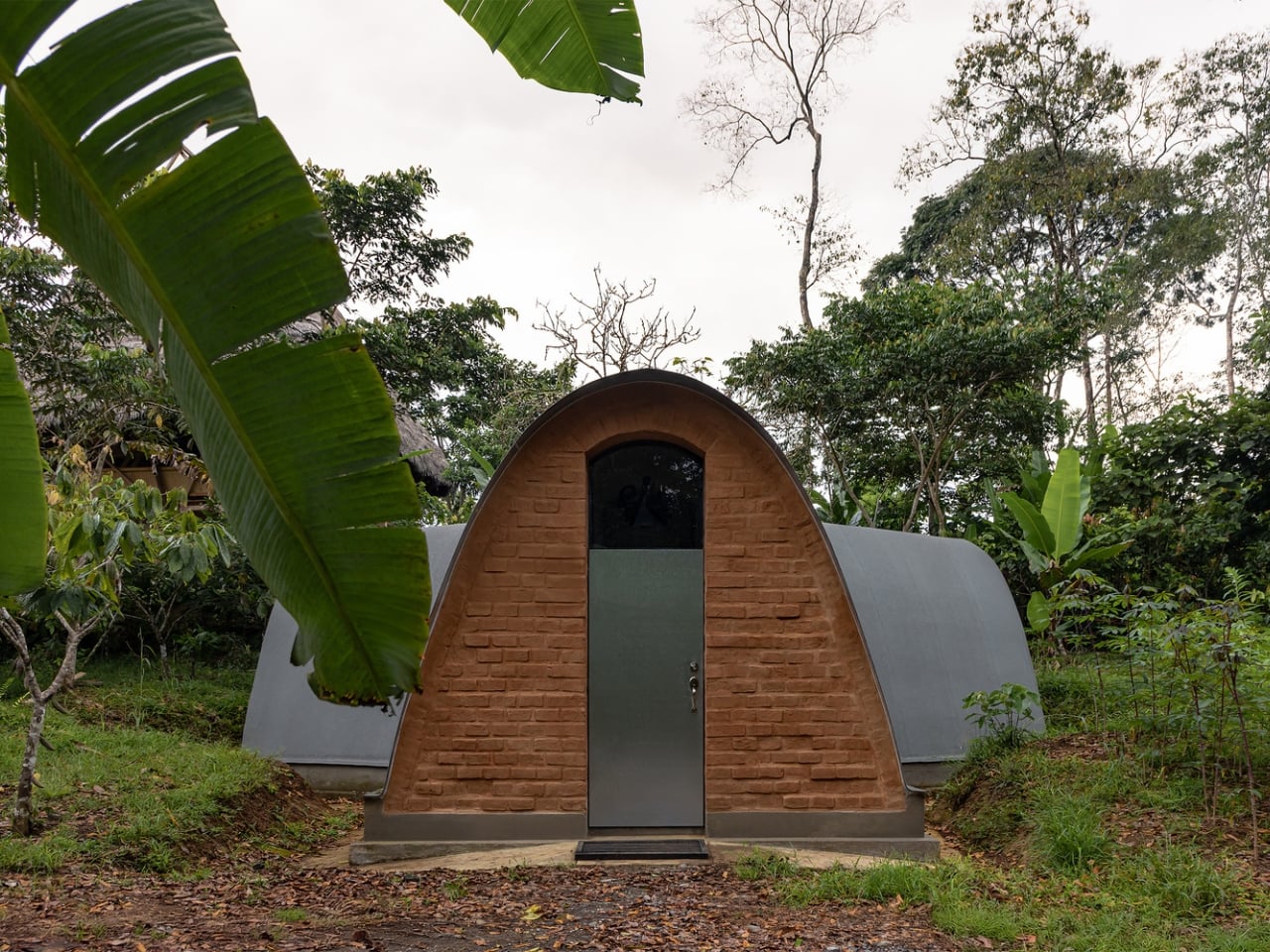
1 day ago40+ Contemporary Architectural Works Across Ecuador Captured by Francesco Russo and Luca Piffaretti
Photographers document Ecuador's architecture and landscapes, highlighting the country's evolving identity and the interplay between built environments and natural surroundings.
Environment
fromwww.theguardian.com
4 days agoIf they pollute our rivers, what will become of us?': the town divided between hope and fear in Brazil's Amazon oil rush
Oiapoque, Brazil, is poised for development through oil production, raising concerns about environmental impacts and Indigenous rights amid a global energy transition.

History
fromArs Technica
3 weeks agoCenturies before the Inca, Peru's wealthy imported parrots from afar
The Ychsma kingdom maintained a sophisticated long-distance trade network spanning hundreds of kilometers across the Andes to import live parrots from the Amazon rainforest centuries before the Inca Empire.
fromFast Company
3 weeks agoA city in Southern Spain holds an ancient secret to fighting extreme heat
We have deployed several types of cooling systems here, each one used depending on climatic conditions. The system, created millennia ago but updated for the 21st century, works by cooling water underground in the naturally low temperatures at night. To cool water more quickly, some is also sent to the roof via solar-powered pumps and sprayed out of nozzles in a thin layer through a method known as a falling film, before draining back down underground.
OMG science
fromTruthout
3 weeks agoEcuador Is Suspending the Bank Accounts of Environmental Activists
Financial strangulation, as he put it, is the latest weapon in the government's escalating effort to clear the way for expanded mining and oil development in one of the world's most biodiverse countries. Months earlier, officials had temporarily frozen the accounts of several of Ecuador's most prominent environmental defenders, including Tapia, citing investigations into unjust private enrichment and financing terrorism.
Social justice
Renovation
fromColossal
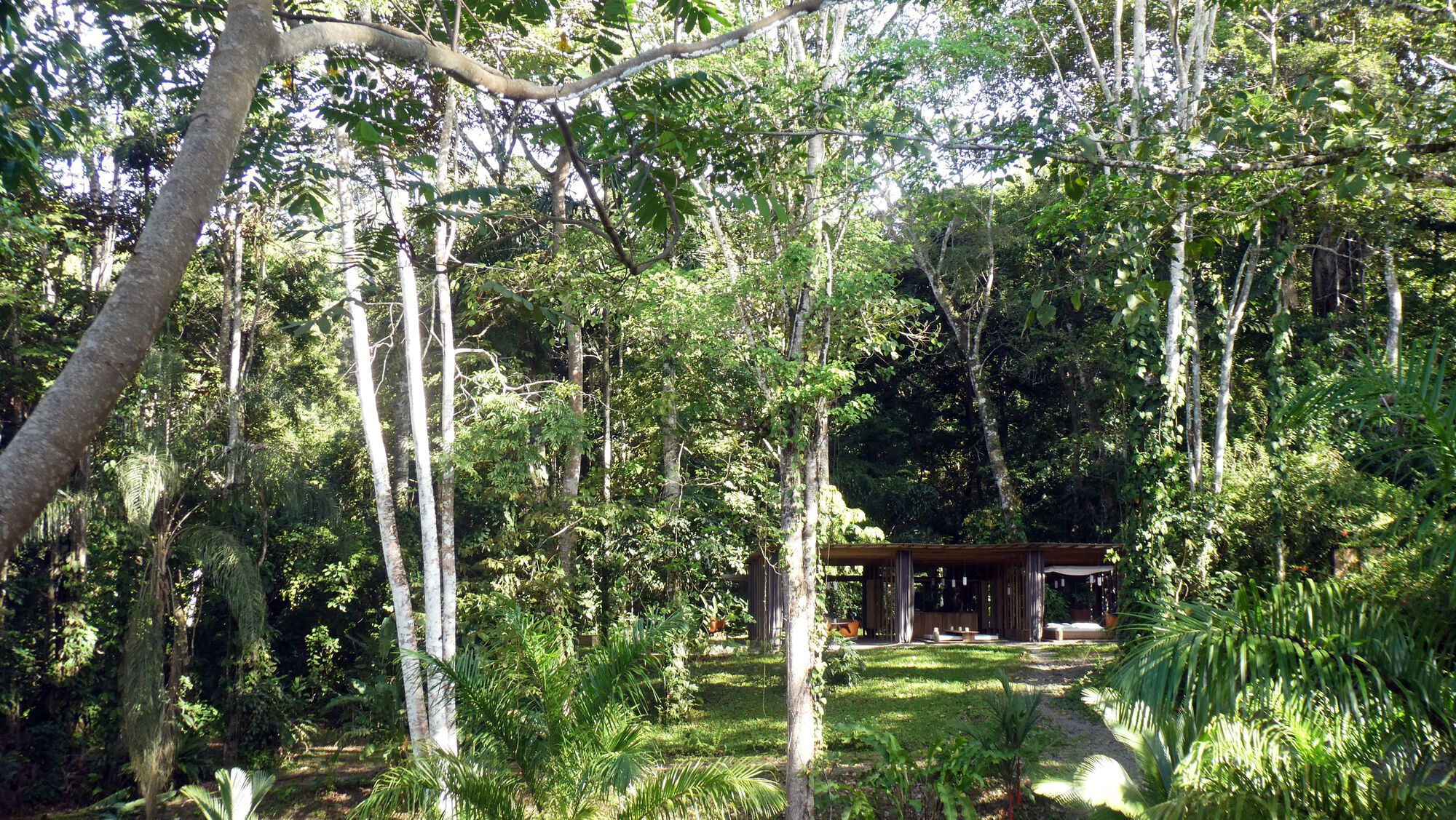
4 weeks agoIn Paraguay, Architecture Doesn't Come at the Expense of Nature at 'Un Bosque en La Casa'
A contemporary home in Paraguay integrates existing trees as design guides rather than obstacles, creating a harmonious blend of modern architecture and natural forest environment.
fromThe Art Newspaper - International art news and events
4 weeks agoTomas Saraceno and Indigenous communities build art complex in Argentine salt flats
We don't eat batteries. They take away the water; they take away life. This pronouncement, in Spanish, appears in a photograph that the artist Tomás Saraceno sent via WhatsApp last month from Salinas Grandes, a high-altitude salt flat in northern Argentina. There, in one of the world's largest lithium reserves, the artist is working alongside 11 Indigenous communities to build El Santuario del Agua (The Water Sanctuary), a monumental work about the global energy transition.
SOMA, SF
Madrid food
fromBOOOOOOOM!
2 weeks ago"When the Desert Breathes Again" by Photographer Gonzalo Palaveccino
Photographer Gonzalo Palavecino documents La Tirana, Chile's largest religious festival, focusing on behind-the-scenes elements like food stands, abandoned objects, and improvised structures that reveal the sacred blending with everyday chaos and commerce.
fromUPI
4 weeks agoPeru returns to remote classes, telework amid energy crisis - UPI.com
The measure follows a major failure in the Camisea gas transportation system, the backbone of Peru's energy supply. The disruption has forced authorities to ration natural gas and liquefied petroleum gas, or LPG, and adopt emergency steps to reduce electricity demand.
Miscellaneous
Women in technology
fromenglish.elpais.com
1 month ago3. Colombia: Mothers for Peace
Carmen Elena, a Colombian woman displaced by violence that killed her husband and brother, lost her project to create a safe village for mothers protecting children from armed group recruitment after USAID withdrew funding.
SF parents
fromwww.theguardian.com
1 month agoICE deports family, including deaf boy who wasn't given his assistive devices
A hearing-impaired six-year-old child with a cochlear implant was detained and deported to Colombia during an ICE check-in visit, separated from his assistive devices and communication support.
Environment
fromwww.aljazeera.com
2 weeks agoChile's President Kast tosses out dozens of environmental protections
Chile's new President Jose Antonio Kast suspended 43 environmental regulations covering emissions, pollution, and national parks to prioritize economic growth and job creation over environmental protections.
Renovation
fromYanko Design - Modern Industrial Design News
4 weeks agoA House In Ecuador That Climbs the Land Instead of Changing It - Yanko Design
La Miradora in Ecuador's highlands uses natural terrain to shape its design, with wooden ribs as the primary structural system that adapts to the slope while providing shelter and framing views.
World news
fromwww.aljazeera.com
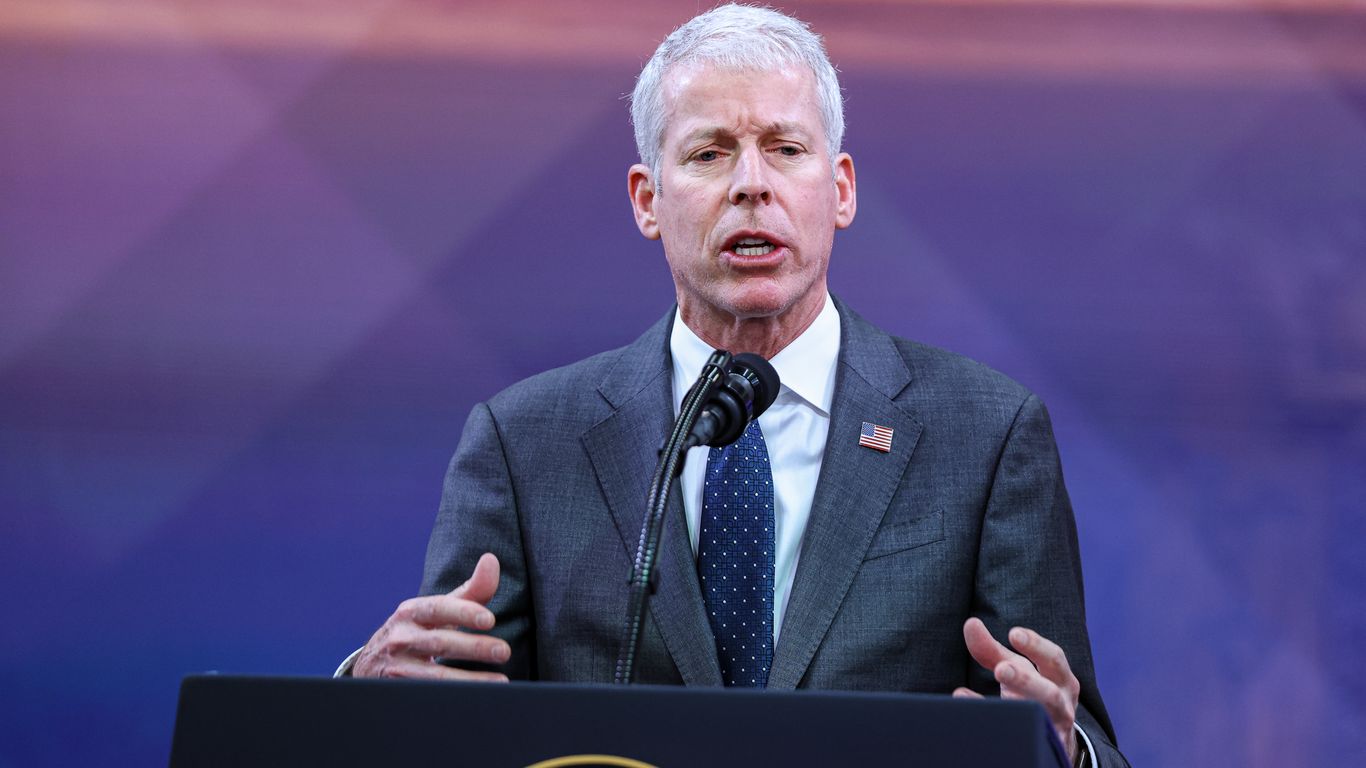
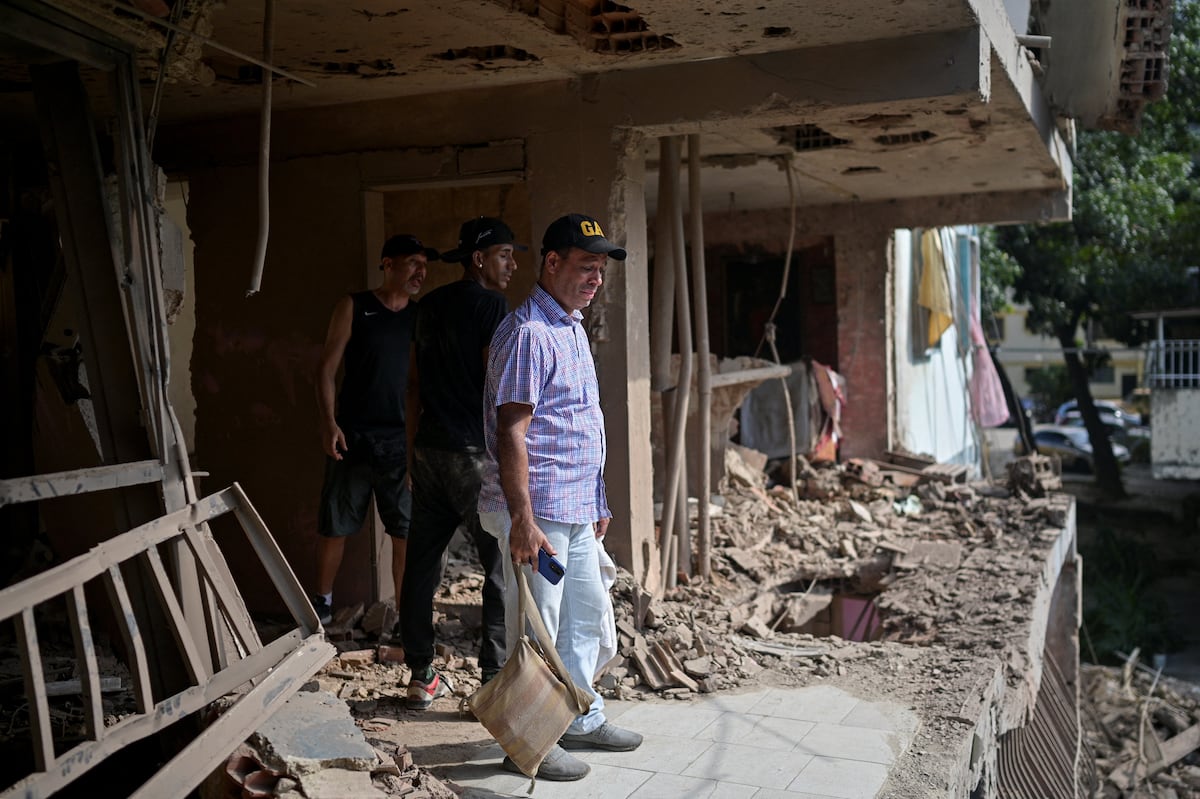
1 month agoVenezuela's president vows mining reform amid visit from US cabinet member
US Interior Secretary Burgum met with Venezuela's interim President Rodriguez to advance oil and mineral production, with plans to reform Venezuela's mining laws and expand US corporate access to natural resources.
fromBusiness Insider
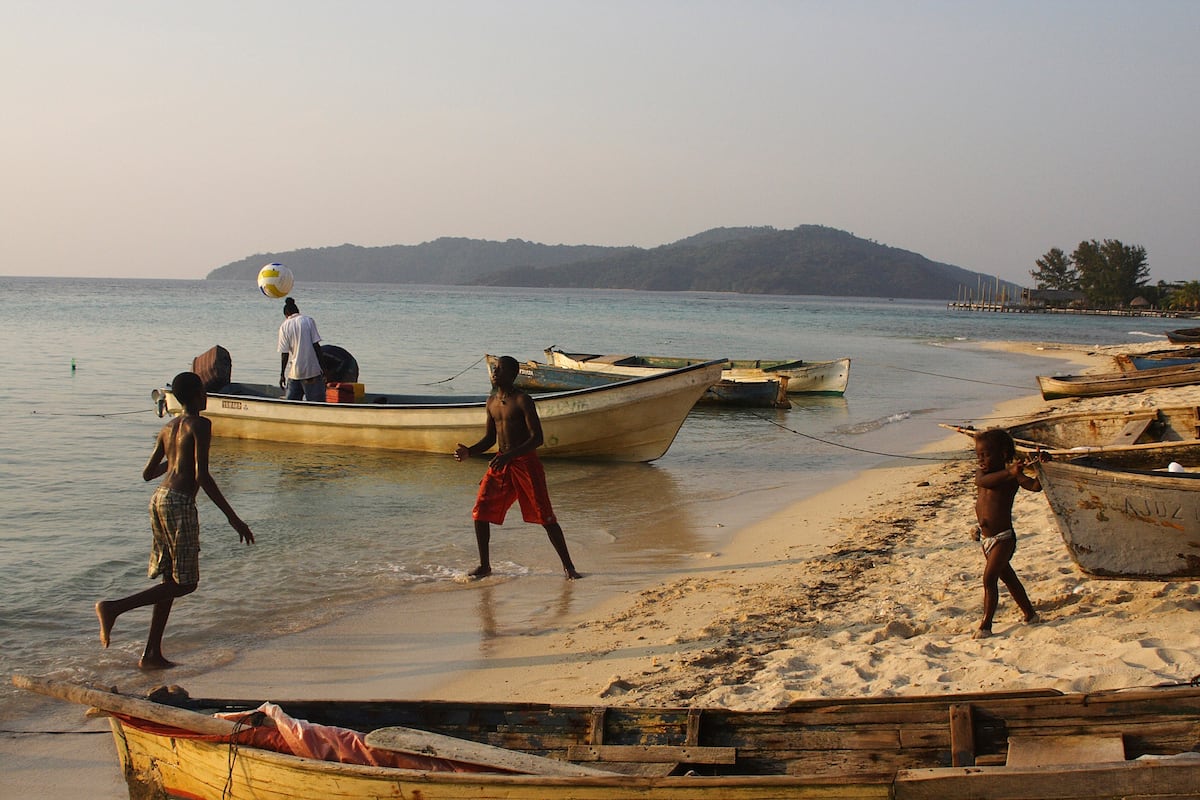
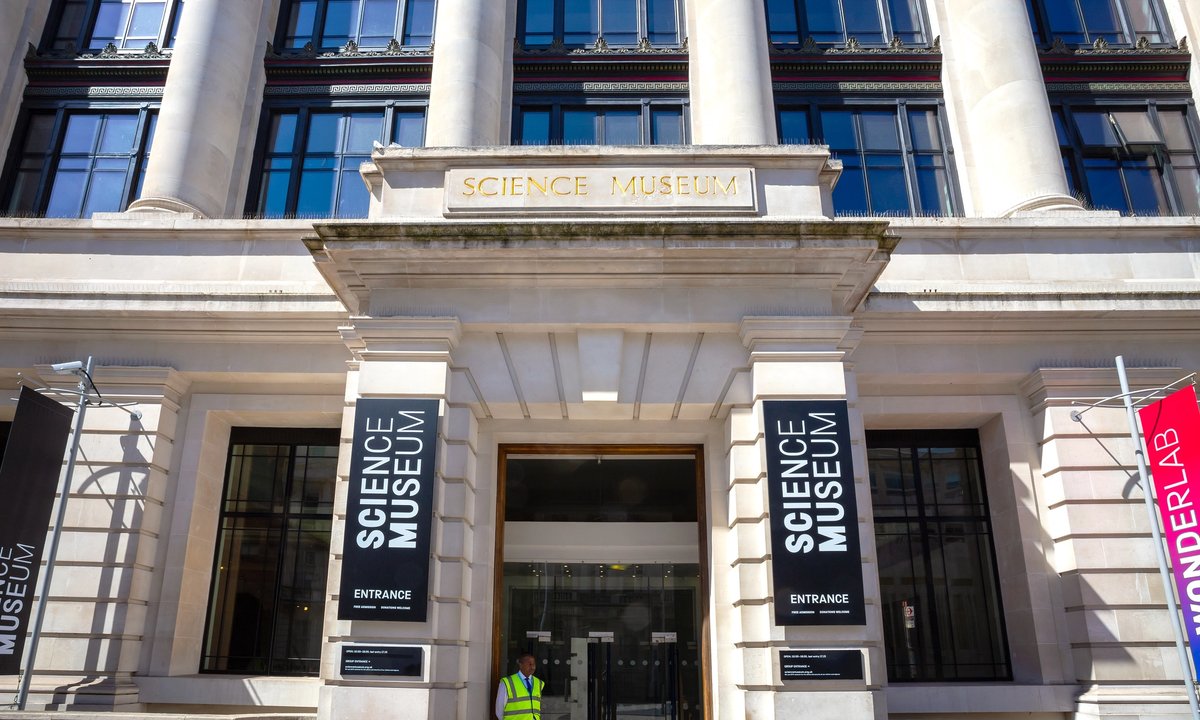
1 month agoAfter living in South America for 7 years, there's just one region I always recommend to first-time visitors
The Andes Cordillera is full of incredible sights, unique ecosystems, and unforgettable experiences. I believe there's something here for everyone, from vibrant cities to towering volcanic peaks.
Travel

Miscellaneous
fromdesignboom | architecture & design magazine
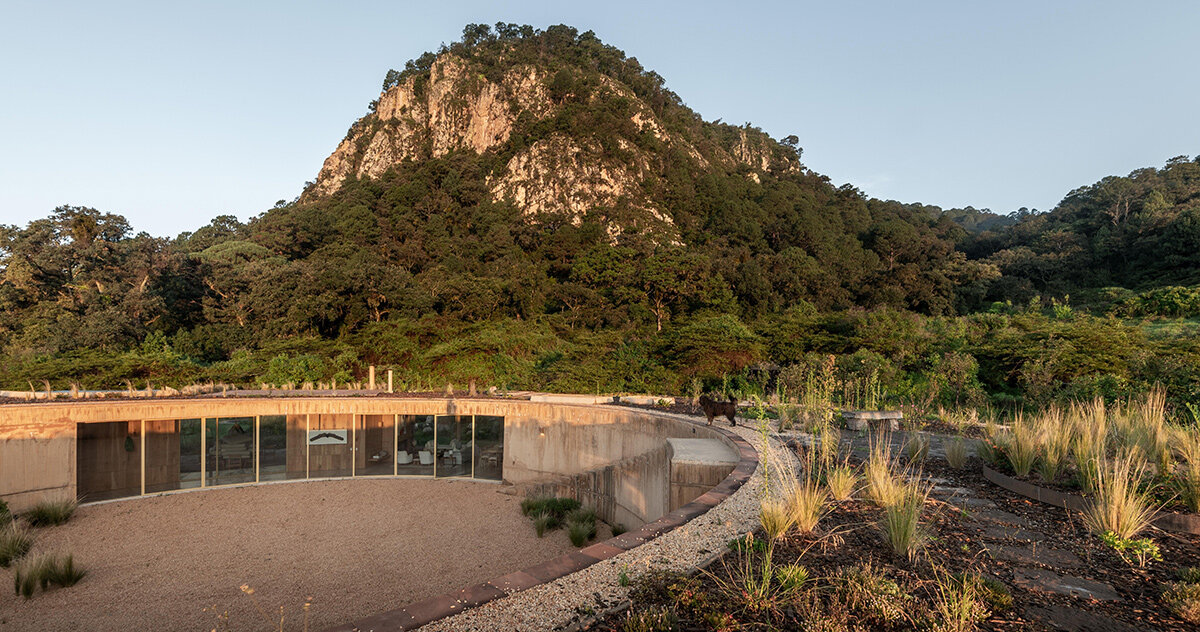
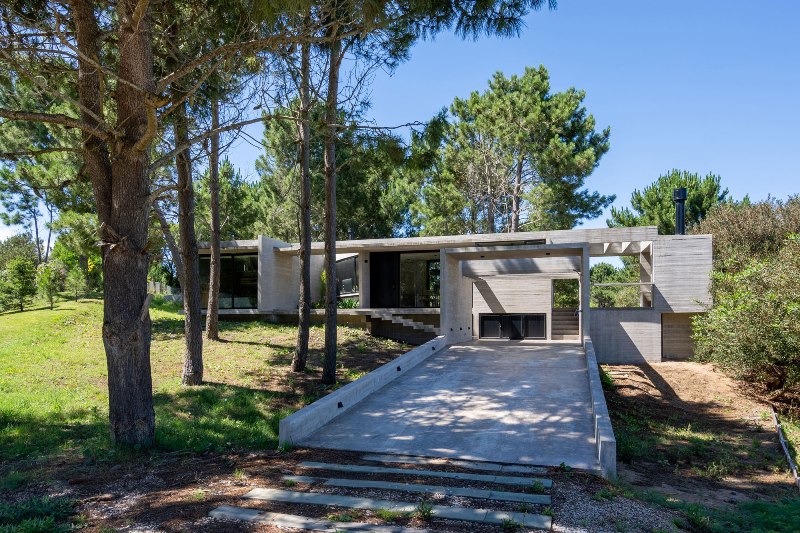
1 month agoequipo de arquitectura organizes compressed earth house around native trees in paraguay
Equipo de Arquitectura designs a 260-square-meter residence in Paraguay where mature trees determine the building's geometry, with compressed earth volumes and voids strategically positioned between trunks.
fromwww.theguardian.com
1 month agoWomen behind the lens: The women watched the fuel tanker advance with uncertainty and fear'
The Siekopai Nation, which has historically occupied territories along the northern border between Ecuador and Peru, was separated and displaced during the 1941 border war between the two countries, a conflict with consequences that extended into the 1990s. According to Justino Piaguaje, leader of the Siekopai in Ecuador, the nation's original population was close to 20,000 but diseases brought by colonisers, Jesuit missions, conditions of slavery during the rubber boom, and the impacts of the oil industry led to a drastic decline.
Environment
fromwww.aljazeera.com
1 month agoSmall but mighty: Colombia's Muslim community celebrates Ramadan
But Zia is one of an estimated 85,000 to 100,000 Muslims in Colombia, comprising less than 0.2 percent of the country's population. Within that community, though, is a prism of diverse backgrounds and experiences. Some of Colombia's Muslims reflect a rich history of migration to the region. Others are converts. The Colombian Islamic community is a small one but enjoys more on account of its diversity, Zia said, as he took a break from serving tea in his uncle Zaheer's restaurant
World news
fromInside Higher Ed | Higher Education News, Events and Jobs
2 months agoSnatching Venezuelan Oil and Greenland: Lessons for Students on Imperialism
I have spent 12 of my 28 years in higher education working in top business schools-three in graduate admissions and nine as a tenured professor. I especially love teaching and mentoring MBA students, in part because I know that most of them are going to ascend to leadership in corporations, government agencies and other organizations in the future. I want them to leave my classrooms with the practical skills required to solve complex contemporary business problems.
US politics
fromConde Nast Traveler
1 month agoHow the Global Rise of Latin American Music Is Shaping Travel
In the just-named Grammy Album of the Year, DeBÍ TiRAR MáS FOToS-which Bad Bunny has declared his " most Puerto Rican album " to date-the supernova reggaetonero painted an evocative portrait of the Caribbean island, while declaring to a whopping 8.6 million listeners: "VOY A LLeVARTE PA PR" (I'm going to bring you to Puerto Rico). And he did. Last year, a record-breaking number of tourists-7,486,000 to be exact-visited Puerto Rico's tropical shores.
Music
fromNature
2 months agoDeveloping super-tortillas to address malnutrition in Latin America
The humble tortilla is an iconic food staple in Mexico. Everyone eats them, regardless of age or income. The ingredients for the tortilla I was frying in this photo have been fermented to include probiotics and prebiotics for gut health. My research focuses on developing such fermented nutraceuticals - nutritious products with pharmaceutical benefits - to help improve people's metabolic health and combat the malnutrition prevalent in some of Mexico's poorest communities.
Food & drink
fromCN Traveller
2 months agoIn Brazil's Costa Verde, local communities are tapping into the ancient stillness beneath their town's thrum
I remember this as I wend my way from Brazil's colossus, São Paulo, to the coastal enclave of Paraty on the Costa Verde, driving through tunnels of Atlantic Forest that filter blinking bars of light. Floral scents surf on warm air through the open window. The legendary Afro-Brazilian singer-songwriter of the 1960s Tropicalismo genre, who went on to become Brazil's first culture minister to advocate for national diversity, has performed at festivals in Paraty.
US politics
fromwww.scientificamerican.com
1 month agoBad Bunny's Super Bowl halftime show highlighted Puerto Rico's power grid. Here's why
Puerto Rico's power grid suffers repeated hurricane damage and widespread blackouts while federal cancellations and cuts have removed most funding for resilience and modernization.
World news
fromwww.theguardian.com
2 months agoThey survived conquistadors and settlers. Now the Arhuaco are facing an even greater threat
Arhuaco face escalating violence as paramilitaries, guerrillas, and traffickers seize Sierra Nevada territory to control drug routes, coca regions, and illicit mineral extraction.
fromHyperallergic
2 months agoVisions of Venezuela and Cuba From Exile
Otherworldly forms greet you at the entrance to the exhibition, transporting you into a kaleidoscopic, dream-like space. A voice speaks in the background as projected images dance across the forms, animating the space. "It's been really beautiful to see her work come alive, become a landscape ... where you can traverse and kind of get lost," curator Fabiola R. Delgado says of Lisu Vega's "The Uncertain Future of Absence (El Futuro Incierto de la Ausencia)" (2025).
Arts
Design
fromdesignboom | architecture & design magazine
2 months agoblue fabric fragments dance with the wind on modular cultural pavilion in colombia
A reversible modular mobile pavilion for Bogotá draws on river systems to provide temporary, decentralized cultural spaces adaptable to diverse urban contexts.


fromwww.theguardian.com
2 months agoWe're in danger of extinction': can Bolivia's water people' survive a rising tide of salt and migration?
In the small town of Chipaya, everything is dry. Only a few people walk along the sandy streets, and many houses look abandoned some secured with a padlock. The wind is so strong that it forces you to close your eyes. Chipaya lies on Bolivia's Altiplano, 35 miles from the Chilean border. The vast plateau, nearly 4,000 metres above sea level, feels almost empty of people and animals, its solitude framed by snow-capped volcanoes. It raises the question: can anybody possibly live here?
Environment
World news
fromTravel + Leisure
2 months agoThis Central American Country Has Incredible Rain Forests, Beaches, and Wildlife-How to Plan Your Trip
Panama's vast biodiversity, scenic coastline, and recent development are driving a shift from a trading-post identity to an emerging luxury ecotourism destination with a cosmopolitan capital.
Environment
fromwww.bostonherald.com
2 months agoWhy boosting production of Venezuela's very dense, very sloppy' oil could harm the environment
U.S. plans to expand Venezuelan oil exports risk exacerbating environmental damage and greenhouse gas emissions while facing decayed infrastructure and costly, years-long repairs.
fromwww.theguardian.com
1 month agoSome of world's oldest trees hit by climate-fuelled wildfires in Patagonia
The hot, dry and windy conditions that enabled the fires to blaze across huge areas in January were made about three times more likely by global heating, researchers from the World Weather Attribution (WWA) consortium found. Parts of Chile and Argentina are experiencing significantly drier summers as a result of human-caused carbon emissions, with rainfall now 25% lower in early summer in Chile and 20% lower in the affected region of Patagonia.
Environment
World news
fromwww.aljazeera.com
2 months agoWhat resources does Venezuela have apart from the world's most oil?
Venezuela possesses vast hydrocarbon and mineral wealth—largest proven oil reserves, significant natural gas, and untapped minerals—presenting major opportunities for oil production and mining expansion.
Environment
fromArchDaily
1 month agoTropical Hotels in Costa Rica: Six Projects to Explore Climate-Sensitive Architecture in Central America
Costa Rican coastal architecture prioritizes permeability and oversized roof overhangs to maximize airflow, reduce solar gain, control humidity, and prevent material decay.
fromwww.theguardian.com
2 months agoClean air should not be a privilege': how Bogota is tackling air pollution in its poorest areas
Every Sunday in Bogota, streets across the city are closed to cars and transformed into urban parks. Shirtless rollerbladers with boomboxes drift leisurely in figures of eight, Lycra-clad cyclists zoom downhill and young children wobble nervously as they pedal on bikes for the first time. This is perhaps the most visible component of a multipronged plan to clean up the Colombian capital's air.
Environment
World news
fromwww.theguardian.com
2 months agoColombian ex-paramilitary leader jailed for crimes against Indigenous groups
Salvatore Mancuso received a 40-year prison sentence for 117 crimes against Indigenous communities in La Guajira, potentially reducible to eight years with victim-centered collaboration.
fromwww.theguardian.com
2 months agoPostcard-pretty and filled with pollution: how Brazil's fishers are reviving Rio de Janeiro's famous bay
Raw sewage and solid waste flow into the bay from surrounding cities, home to more than 8 million people. Cargo ships and oil platforms chug in and out of commercial ports, while dozens of abandoned vessels lie rotting in the water. But at the head of the bay, between the cities of Itaborai and Mage, the environment feels different. The air is purer, the waters are empty but for small fishing canoes, and flocks of birds soar overhead.
Environment
Environment
fromwww.theguardian.com
2 months agoPure apocalypse': a photographer's journey through the Pantanal wildfires
A documentary photographer documents catastrophic Pantanal and Amazon fires, chronicling environmental destruction, wildlife loss, and ongoing return visits to record the aftermath.
[ Load more ]