#labor-and-environmental-advocacy
#labor-and-environmental-advocacy
[ follow ]
#sustainability #climate-change #renewable-energy #environmental-justice #labor-rights #energy-crisis
fromFuturism
5 hours agoEPA Now Values Human Lives at $0
When lives are assigned a higher dollar value, stricter pollution standards tend to clear the 'economic efficiency' sniff test, resulting in cleaner air. But that improved air quality comes at the expense of America's industrial industries, which have to invest in pricey systems to reduce the amount of these pollutants they spew down to acceptable levels.
US Elections
fromBoston.com
1 day agoBU rally pushes back on Pride flag removals, calls for policy change
The rally, held at 1 Silber Way, was organized by Terrier Courage, a group that has collected more than 2,000 signatures on a petition urging the university to reconsider its rules on displays on public-facing windows and walls.
Boston


Non-profit organizations
fromNonprofit Quarterly | Civic News. Empowering Nonprofits. Advancing Justice.
2 days agoHow Dissolving Your Nonprofit Can Strengthen the Sector | Nonprofit Quarterly | Civic News. Empowering Nonprofits. Advancing Justice.
Nonprofit leaders must sometimes choose to dissolve organizations intentionally rather than forcing survival in a weakened state.
Media industry
fromNonprofit Quarterly | Civic News. Empowering Nonprofits. Advancing Justice.
4 days agoPolitics in an Attention Economy | Nonprofit Quarterly | Civic News. Empowering Nonprofits. Advancing Justice.
Candidates must be cultural figures to succeed in today's American politics, navigating an attention economy shaped by algorithms.
fromHigh Country News
3 days agoForest Service overhaul sows confusion, concern - High Country News
"Nobody is asking for this. None of the farm groups want this. No one in conservation wants this. Nobody." Robert Bonnie, former Forest Service undersecretary, highlights widespread opposition to the reorganization.
Washington DC
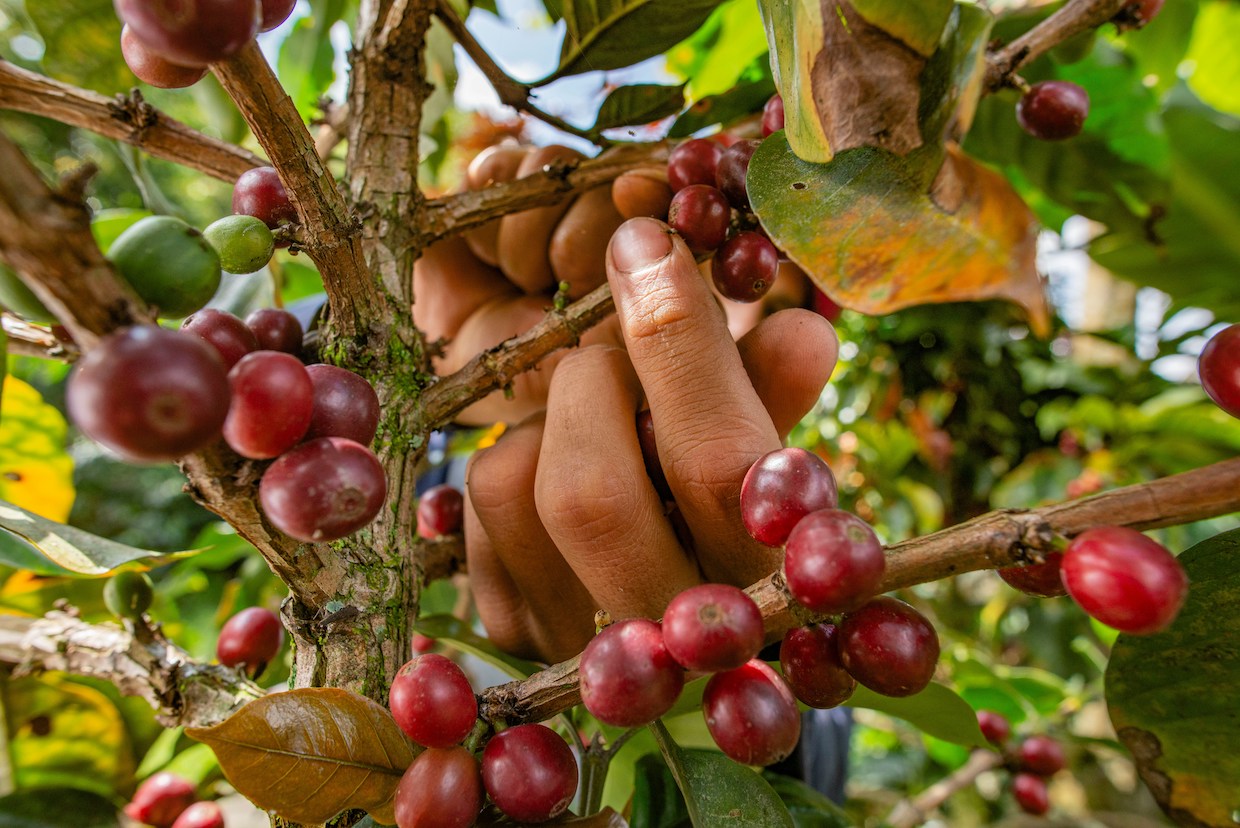
fromNature
5 days agoNow is the time for scientific societies to guide global research
Modern scientific societies are increasingly vulnerable due to their dependence on membership fees and journal subscriptions, which are being challenged by the rise of virtual networking and open-access publishing.
Science
Environment
fromwww.theguardian.com
1 day agoIf they pollute our rivers, what will become of us?': the town divided between hope and fear in Brazil's Amazon oil rush
Oiapoque, Brazil, is poised for development through oil production, raising concerns about environmental impacts and Indigenous rights amid a global energy transition.
fromTruthout
4 days agoA Shady Nonprofit Pushes Back On Pennsylvania's Proposed Minimum Wage Hike
"Today's vote ignores the well-documented harmful consequences of wage hikes by economists. Not only would this proposal slash up to 86,000 jobs, it would also worsen inflation for Pennsylvania workers and residents."
Non-profit organizations
SF politics
fromFortune
4 days agoHyperscalers often lack the "aptitude" on power as the political push picks up to expedite grid connections and pipelines | Fortune
Federal efforts to expedite power grid interconnections face challenges due to hyperscalers' communication issues and lack of understanding of processes.
fromNonprofit Quarterly | Civic News. Empowering Nonprofits. Advancing Justice.
1 week agoYou Don't Have to Be Unionized to Be United | Nonprofit Quarterly | Civic News. Empowering Nonprofits. Advancing Justice.
The labor of this kind of organizing was invisible and deeply exhausting. In a precarious workplace, where a so-called 'performance review' could amount to job loss, organizing meant building a bridge while standing on it.
Social justice

Books
fromNonprofit Quarterly | Civic News. Empowering Nonprofits. Advancing Justice.
2 weeks agoOf Tech Bros and Eco Collapse-Warnings from McGovern's 99th Day | Nonprofit Quarterly | Civic News. Empowering Nonprofits. Advancing Justice.
Gerry McGovern's '99th Day' argues that environmental collapse stems from technological excess, data waste, and toxic masculinity culture, positioning humans as the primary problem.
fromApaonline
2 weeks agoGood Work and Economic Democracy
Within the workplace, the content and conditions of work are largely controlled by employers who often have an interest in degrading the quality of work, both to increase productivity and to increase their control over employees in the workplace. Outside the workplace, employers have both an incentive and the power to undermine measures that would improve the quality of work through the political process.
Philosophy
fromwww.bbc.com
1 week agoCampaigners celebrate after new town plans dropped
Campaigner Aysha Hawcutt stated that residents were 'not anti-homes', but believed the Adlington plan was 'the wrong proposal in the wrong place'. She expressed pride in the community's resilience against the development threats.
London politics
fromState of the Planet
4 days agoFrom Classrooms to Climate Impact: Two Careers Flourish in Singapore
"Singapore is in a very unique position because they face a lot of land constraints, so there are few ways for them to generate their own renewable energy. Singapore is pushing for integrated energy systems throughout ASEAN, so that renewable energy produced in other countries can be brought back to Singapore. There's a very distinct, coordinated effort for countries to come together to work on climate change and energy security in a way that I haven't really seen."
Environment
fromNonprofit Quarterly | Civic News. Empowering Nonprofits. Advancing Justice.
3 weeks agoRotating the Clipboard Built Our Workplace Democracy | Nonprofit Quarterly | Civic News. Empowering Nonprofits. Advancing Justice.
Losing staff could be detrimental to the projects we worked on, and there was a growing dissatisfaction with how meetings were run. These mostly one-sided discussions left the quieter half of us feeling pushed aside, like our thoughts didn't matter much. If things stayed this way, I worried the good people on our team would start quitting one by one.
Non-profit organizations
Environment
fromEarth911
2 weeks agoHow You Can Help Keep Recycling Workers Safe
Recycling reduces waste and resource extraction, but material recovery facility workers face significant safety hazards, with nine deaths in 2023 and waste collection ranking as the fourth most dangerous job in the United States.
fromNonprofit Quarterly | Civic News. Empowering Nonprofits. Advancing Justice.
2 months agoEnvironmental Advocates Confront Trump's Fossil Fuel Agenda | Nonprofit Quarterly | Civic News. Empowering Nonprofits. Advancing Justice.
But to environmental advocates, the announcement sounded less like relief and more like a bill for working people, one that would result in higher fuel costs, increased pollution, and a slower path to clean energy. Critics warn that the decision represents a blow to the energy transition and a significant setback in the fight against climate change overall.
US politics
fromThe Nation
3 weeks agoA World on Fire Needs More Climate Reporting-Not Less
Covering Climate Now was formed in 2019 in response to the climate silence that then prevailed in much of the press, especially in the United States. Over the years that followed, hundreds of newsrooms joined our effort, and press coverage of the story began to reflect the scale of the crisis. Newsrooms beefed up their climate reporting teams; they confronted misinformation that sought to play down the problem; they thought creatively about how to find the climate connection on every beat.
Environment
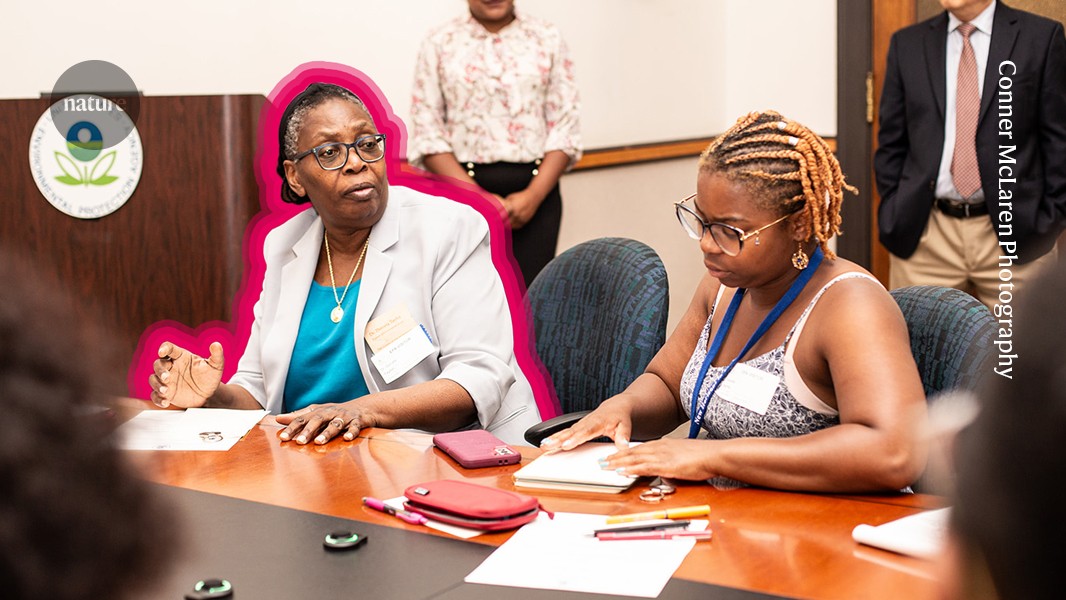
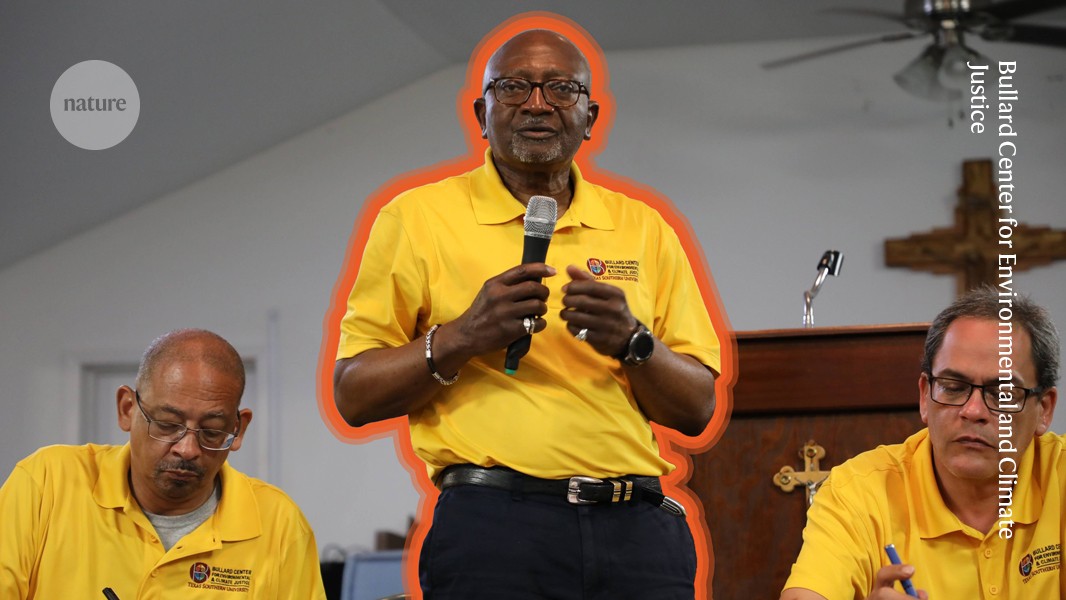
fromPsychology Today
2 months agoHow Can We Change the World?
There's a myth in our society that real change requires force, strength, and domination. We celebrate athletes, CEOs, and politicians who crush their opponents. But history tells a different story. Lasting social change has often been triggered by humble people whose weapons were passion, principle, and an unwavering commitment to justice and the truth - not the truth we see on TV or read in print media, but rather the truth that we feel deep inside ourselves.
Social justice

fromwww.theguardian.com
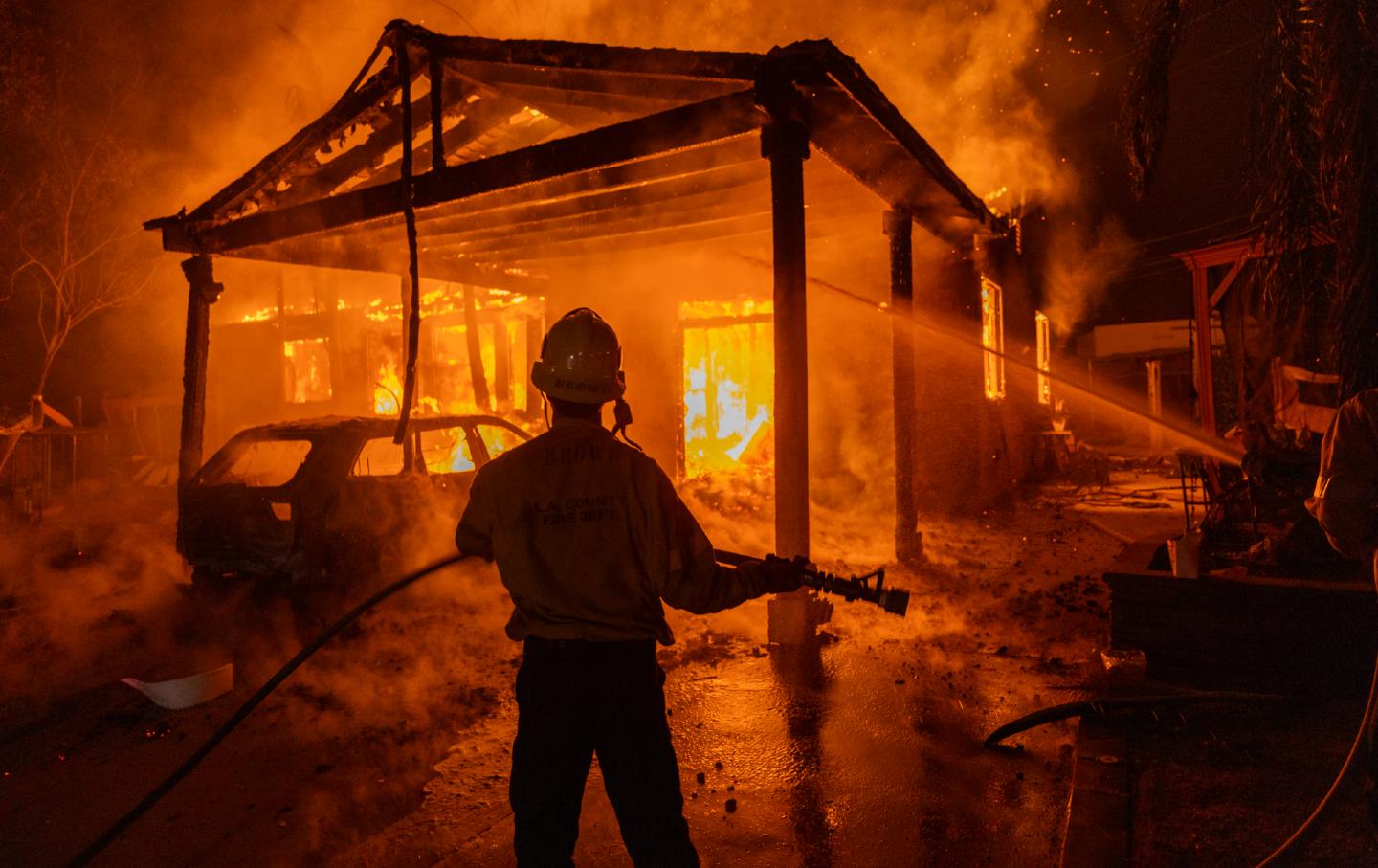
1 month agoThey pushed so many lies about recycling': the fight to stop big oil pumping billions more into plastics
Then she read an article in this newspaper, just over eight years ago, and discovered that fossil fuel companies had ploughed more than $180bn (130bn) into plastic plants in the US since 2010. It was a kick in the teeth, says Gardiner. You're telling me that while I am beating myself up because I forgot to bring my water bottle, all these huge oil companies are pouring billions She looks appalled. It was just such a shock.
Environment
[ Load more ]