#laminates
#laminates
[ follow ]
#interior-design #sustainability #building-materials #durability #home-improvement #circular-economy
fromBusiness Matters
2 weeks agoHow to Select the Right Industrial Adhesive for Manufacturing
Industrial adhesives play a key role in modern assembly because they help manufacturers create secure connections while maintaining efficient production. When used correctly, they can improve product quality, support cleaner assembly, and contribute to more consistent manufacturing outcomes.
Angular
fromLos Angeles Times
35 years agoStress-Skin Paneling Makes Airtight House
Stress-skin panel construction is probably the most energy-efficient and cost-effective building method available today. With super-high insulation levels and airtightness, a stress-skin panel house should have extremely low heating and cooling costs. A reduction of 50% on utility bills as compared to a typically constructed house is reasonable.
Remodel
#kitchen-flooring
Renovation
fromTasting Table
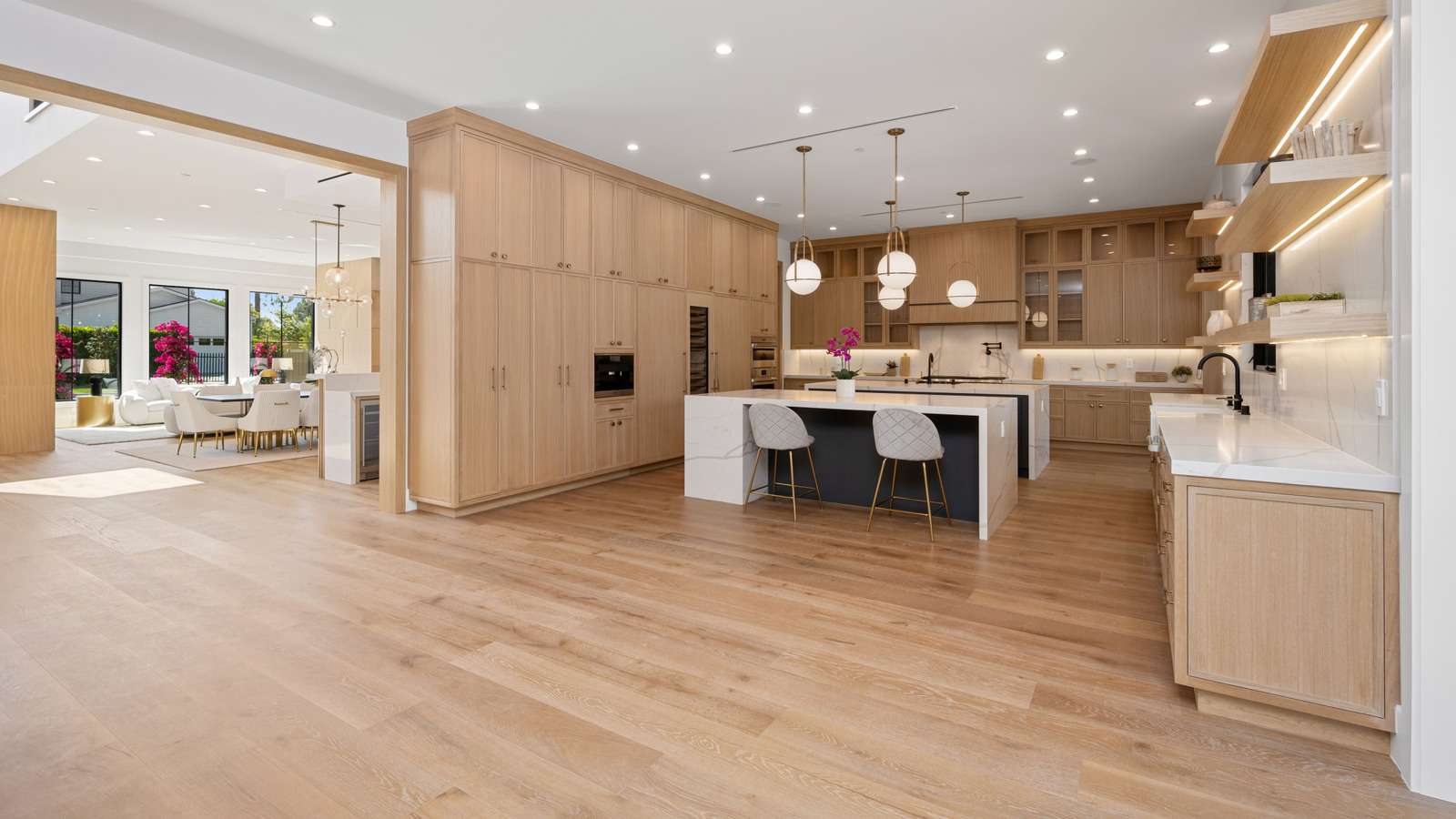
1 month agoNeither Hardwood Nor LVP: Mike Holmes Names The Easiest, Most Durable Kitchen Floor Material - Tasting Table
Tile is the most durable kitchen flooring option because it resists moisture, cleans easily, and prevents mold better than hardwood or luxury vinyl plank.
Renovation
fromTasting Table
1 month agoNeither Hardwood Nor LVP: Mike Holmes Names The Easiest, Most Durable Kitchen Floor Material - Tasting Table
Tile is the most durable kitchen flooring option because it resists moisture, cleans easily, and prevents mold better than hardwood or luxury vinyl plank.
fromwww.housingwire.com
1 month agoThis paint may alter how builders fight mold and moisture damage
This is the one and only paint that's on the market that's designed to actually absorb moisture. If you take Lilypad paint and apply it to the wall, the film will actually absorb excess humidity as it starts filling the room, and then, when it dries, it resets itself by slowly letting it back into the space. So it's regulating humidity, Dr. Stein said.
Remodel
fromdesignboom | architecture & design magazine
1 month agomanufactura blends corn and lime composites for robotic 3d printed construction
Mexico's construction sector faces significant environmental and social challenges. The widespread use of carbon-intensive materials has positioned the industry as a major contributor to national CO₂ emissions. At the same time, construction labor conditions remain unstable, with limited access to technical training and high occupational risk. CORNCRETL, developed by MANUFACTURA, proposes a circular material strategy that addresses both environmental impact and production models within the building industry.
Environment
fromSitePoint Forums | Web Development & Design Community
2 months agoNen dung vat lieu chong tham nha ve sinh loai nao e at hieu qua tot?
Để chống thấm nhà vệ sinh đạt hiệu quả bền lâu, việc lựa chọn vật liệu phù hợp là yếu tố then chốt. Tùy theo hiện trạng công trình, khu vực thi công và mức độ tiếp xúc nước thường xuyên, các vật liệu như chống thấm gốc xi măng cải tiến, màng chống thấm lỏng, keo polyurethane hoặc giải pháp chống thấm ngược sẽ mang lại hiệu quả khác nhau.
Science
fromFast Company
1 month agoThis paint acts like a dehumidifier for your walls
It looks like ordinary paint, but a new coating called Lilypad Paint has a hidden ability to pull moisture out of the air. It works like a dehumidifier, without the energy use. If it's on the wall in your bathroom, it can suck water vapor out of the air after you've taken a shower. The paint holds the humidity in nano-size pores, and then slowly releases it as humidity levels fall in the room.
Science
fromTasting Table
2 months ago14 Kitchens That Are A Master Class In Mixing Textures And Materials - Tasting Table
Most of us have a preferred kitchen style in mind when decorating our culinary space, but one of the most common kitchen design mistakes you could make is leaning into that one single style too much. Making one aesthetic your end-all be-all can turn a space with potential into a monotone room that's severely lacking character. Therefore, it's important to consider mixing materials and textures that give your kitchen personality, depth, and lots of dynamic focal points.
Design
Design
fromdesignboom | architecture & design magazine
1 month agoPnP's cabinet collection builds modular storage from planks and exposed screws
A modular cabinet system uses standardized planks and exposed connections to create rhythmic, repairable, freestanding storage prioritizing visible construction and replaceable elements.
fromTasting Table
2 months agoThe Eco-Friendly Countertop Material That's Surprisingly Durable - Tasting Table
It's likely that you've encountered recycled glass countertops without realizing it. They're far from the hippie-style broken-glass mosaic art of yesteryear, instead presenting as sleek, highly polished, professional slabs with intriguing bits of confetti-style color trapped inside. That's the recovered glass bits set into a binding material such as resin, cement, or concrete, and then smoothly polished so that the composite surface feels like stone.
Remodel
fromArchDaily
2 months agoFrom Industry to the Living Room: Metal Furniture in Interior Architecture
How did a material conceived for bridges, factories, and large-scale structures make its way to the living room bench, the apartment bookshelf, the café table? For centuries, metal was associated with labor, machinery, and monumentality-from the exposed structures of 19th-century World's Fairs to the productive logic of modern industry. Its presence in domestic interiors is not self-evident but rather a cultural achievement: the transformation of an industrial material into an element of everyday, intimate use, in close proximity to the body.
Design
fromYanko Design - Modern Industrial Design News
2 months agoThis Oak Sideboard Has Doors You Can't Stop Touching - Yanko Design
You know that feeling when you run your fingers across something and the texture makes you stop in your tracks? That's exactly the vibe British furniture maker Nick James is going for with his sideboard featuring sculpted doors. And honestly, it's the kind of piece that makes you rethink what furniture can be. At first glance, it looks like a solid oak sideboard. Clean lines, classic proportions, nothing too flashy.
Design
fromTasting Table
2 months agoWhy Bold And Colorful Lacquer Finishes Are Making A Comeback In Kitchens - Tasting Table
The gloss and color-pop of lacquer is a refreshing alternative - it achieves a playful vibrancy with modern sophistication. There are plenty of perks that come with lacquer finishes, too. For one thing, lacquer can be applied almost anywhere, from an accent kitchen island to your dining table to the material for all of your counters and cabinets. It introduces and strengthens the room's color scheme, also contributes some fresh texture with its sleek, shiny finish.
Remodel
Remodel
fromTasting Table
1 month agoDavid Bromstad Names This Kitchen Countertop As Stylish And Practically 'Indestructible' - Tasting Table
Quartz countertops are highly durable, non-porous, low-maintenance, and versatile but are heavy, UV-sensitive, difficult to install, and generally more expensive than alternatives.
fromBusiness Matters
2 months agoWhy Thermally Modified Timber Has Moved Into the Construction Mainstream
Thermal modification is not a new invention, but its relevance has increased as expectations around performance, sustainability, and predictability have tightened. Developers, architects, and contractors are no longer just asking whether timber looks good or performs well initially. They want to know how it behaves after ten, twenty, or thirty years, and how much risk it introduces into a project once the scaffolding is gone.
Remodel
fromTasting Table
2 months agoWhat You Need To Know Before Refreshing Your Countertops With Contact Paper - Tasting Table
If your counters are stained, damaged, or just outdated, you don't necessarily need to invest in a costly kitchen countertop upgrade. There is actually a cheap trick to protect your kitchen cabinets and countertops, making it easy to temporarily cover up ugly counters until you have the time and money to find a permanent solution. Contact paper is a DIY-friendly way to hide unsightly stains and blemishes, revitalize your kitchen, and try out different countertop styles and colors before making a commitment.
Remodel
[ Load more ]