#latin-america-criticism
#latin-america-criticism
[ follow ]
#venezuela #cuba #latin-america #us-foreign-policy #brazil #us-cuba-relations #nicolas-maduro #chavismo



Environment
fromwww.theguardian.com
2 days agoIf they pollute our rivers, what will become of us?': the town divided between hope and fear in Brazil's Amazon oil rush
Oiapoque, Brazil, is poised for development through oil production, raising concerns about environmental impacts and Indigenous rights amid a global energy transition.
fromThe Cipher Brief
3 days agoTaking a Stand on Adversaries' Influence in the Western Hemisphere
The January 3rd Operation Absolute Resolve ousted Venezuelan Dictator Nicholas Maduro, marking a significant shift in US policy towards countering adversarial influence in the western hemisphere.
World politics
Arts
fromThe Art Newspaper - International art news and events
5 days agoMexico's art community calls for greater transparency in management of treasured collection
The Gelman Collection's future is uncertain, prompting calls for transparency from cultural professionals regarding its management and adherence to heritage laws.
fromThe New Yorker
6 days agoThe Rise of a Spanish-Language News Influencer
Espina humorously admitted to oversleeping on a significant news day, stating, 'Breaking news, mi gente! I can't believe it.' His videos celebrated Maduro's fall but also expressed concern about the complexities of the situation.
US Elections
fromenglish.elpais.com
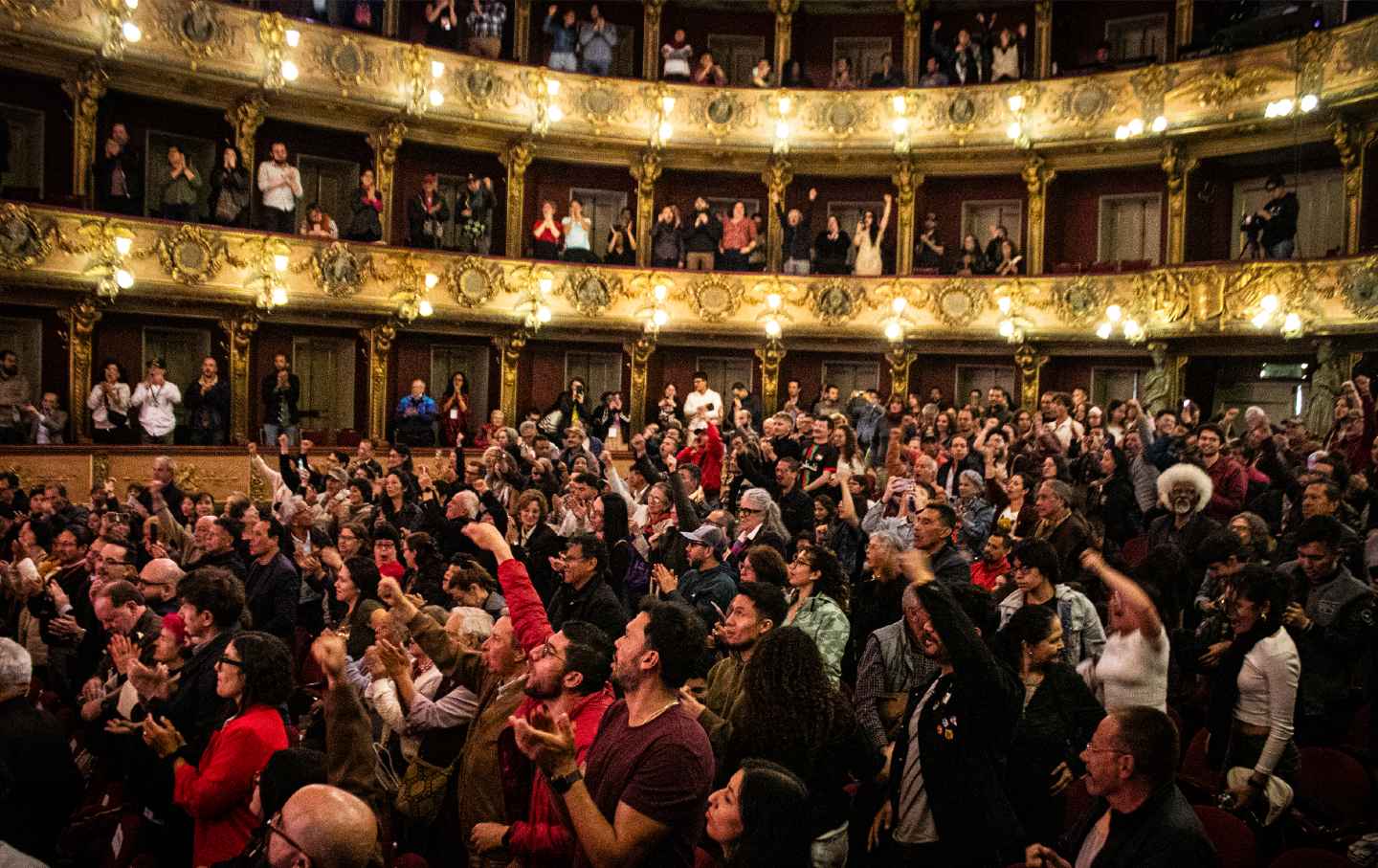
1 week agoSilvio Rodriguez: The world is run by an authoritarian, warmongering, thieving regime. And it's not Cuba'
There are politics in my songs, but not propaganda, says the musician, who receives EL PAIS on Wednesday at the Ojala studios in Havana. He speaks of the government's orthodox and closed vision in the economic sphere, and of his commitment to a less rigid socialism.
Music production
Left-wing politics
fromenglish.elpais.com
3 weeks agoWhat can the left do against technocapitalism?
Technofeudalism has intensified neoliberal policies, threatening job precarity through platforms and AI while tech oligarchs support authoritarian movements, requiring democratic reform, worker protection, and technological sovereignty.
fromwww.npr.org
3 weeks agoCuba will release 51 people from prison in an unexpected move
Cuba's government said Thursday night that it would release 51 people from the island's prisons in an unexpected move. The Ministry of Foreign Affairs said the release in the upcoming days stems from a spirit of goodwill and close relations with the Vatican. The government did not identify who it would release, except to say that 'all have served a significant part of their sentence and have maintained good conduct in prison.'
US news
fromenglish.elpais.com
3 weeks agoCuba's collapse in the age of influencers: Staying here should be a source of pride, not a sacrifice'
She explained that she was facing bureaucratic hurdles in obtaining her degree to qualify as a senior technician in dental prosthetics. And, even with the diploma, it would be difficult to survive on a monthly salary of 3,000 pesos (about $6). In Cuba, she said, you have to be a magician to survive the nonexistent transportation, the inflation, the corruption, [or] the fact that the country is operating with a currency that not everyone can access.
Social justice

Miscellaneous
fromenglish.elpais.com
1 month agoIn Chile, Boric and Kast's relationship collapses just one week before the handover of power
Chile's incoming far-right president Jose Antonio Kast suspended the transition process with outgoing left-wing president Gabriel Boric over disputes regarding a Chinese submarine cable project and alleged lack of transparency about U.S. sanctions.
#us-latin-america-relations
World politics
fromenglish.elpais.com
3 weeks agoJuan Gabriel Tokatlian: If Peru, Colombia, and Brazil shift to the right, the US will have the bulk of Latin America under its influence'
The Trump administration is reviving Cold War-era domination strategies toward Latin America, asserting U.S. power and demanding regional compliance through coordinated diplomatic pressure.
fromwww.theguardian.com
3 weeks agoFears for women's rights in Chile as anti-abortion president set to take office
Jose Antonio Kast, a 60-year-old ultra Catholic whose father was a member of the Nazi party, has consistently blocked progressive bids for women's rights and equality across his three-decade career in politics. As a congressman, Kast voted against divorce when Chile became one of the last countries of the world to legalise it in 2004 and vehemently opposed the legalisation of abortion under limited exceptions when it was passed in 2017.
Social justice
Artificial intelligence
fromenglish.elpais.com
1 month agoGender, racism and xenophobia: The biases of artificial intelligence in Latin America
Large language models reproduce gender, class, racial, and xenophobic stereotypes when responding to prompts in Spanish, with classism, racism, and xenophobia showing the most striking biases.
fromenglish.elpais.com
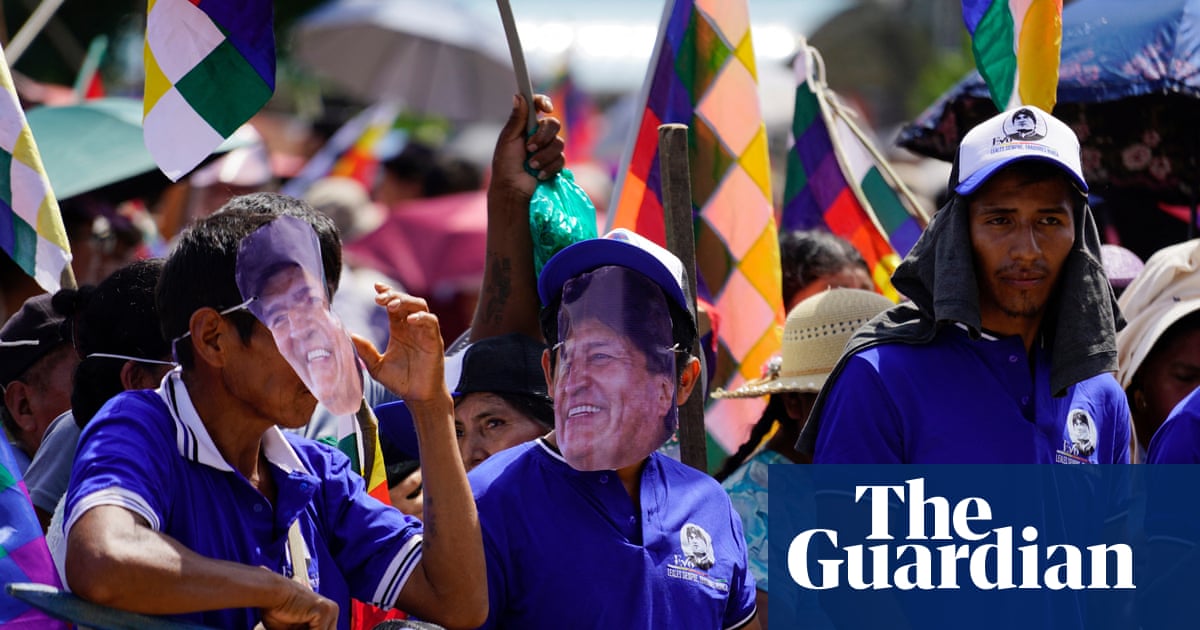
4 weeks agoBolivia wants to bury the ghost of Che Guevara
This is not a simple administrative issue, but a renewed attempt by the center-right government of Rodrigo Paz to sweep aside the memory of the world's most famous guerrilla fighter, who was assassinated in the Bolivian village of La Higuera in 1967. Since Bolivia's Movement Towards Socialism (MAS) lost power to the new government last year, several attempts have been made to rid the country of Guevara's legacy.
Madrid food
World news
fromenglish.elpais.com
2 weeks agoCubans at their limit: How is it possible that in my country they listen to anyone but the people?'
Cuban families of political prisoners express frustration that the government negotiates with the United States while refusing dialogue with citizens demanding basic freedoms, amid ongoing humanitarian crises including prolonged blackouts and water shortages.
US politics
fromwww.theguardian.com
1 month agoMore exploitation, fewer rights': Argentina braces for sweeping overhaul of labor laws
Argentina's senate prepares to approve labour law reforms that weaken unions, extend working hours to 12, cut severance pay, and allow direct employer-employee negotiations, despite concerns about rising informal employment and job losses.
World politics
fromwww.mediaite.com
4 weeks agoI'm Not Learning Your Damn Language': Trump Addresses Latin American Leaders at His Shield Of The Americas' Summit
Trump stated he lacks time to learn Spanish, relying instead on interpreters at a Latin American leaders summit focused on Western Hemisphere security and immigration.
#us-cuba-relations
World news
fromwww.theguardian.com
3 weeks agoIn the other US target of regime change, Cuba, I saw real hardship and resilience | Sara Kozameh
Trump's executive order declaring a national emergency against Cuba and imposing oil tariffs has severely worsened the island's energy crisis, causing daily power outages lasting 18 hours and widespread economic hardship for ordinary Cubans.

fromenglish.elpais.com
1 month agoEnrique Marquez: I receive more attacks from the opposition than from Chavismo'
I believe Venezuela is a different country after January 3. An external factor became an event that dramatically altered the internal landscape. Obviously, there's a new dynamic: the players have shifted. These events caught the opposition off guard. The U.S. government has made controversial and complicated decisions, but they offer the country an opportunity.
World politics
World politics
fromFilmmaker Magazine
1 month agoHow The Secret Agent Became Brazil's Reluctant Political Rorschach Test
Brazil's October presidential election marks the first vote since Bolsonaro's 2022 defeat, with Lula potentially becoming the country's first four-term president while the nation recovers from democratic threats.
Design
fromArchDaily
2 months agoFrom the Courtyard to the Neighborhood: Latin American Lessons on Collective Placemaking
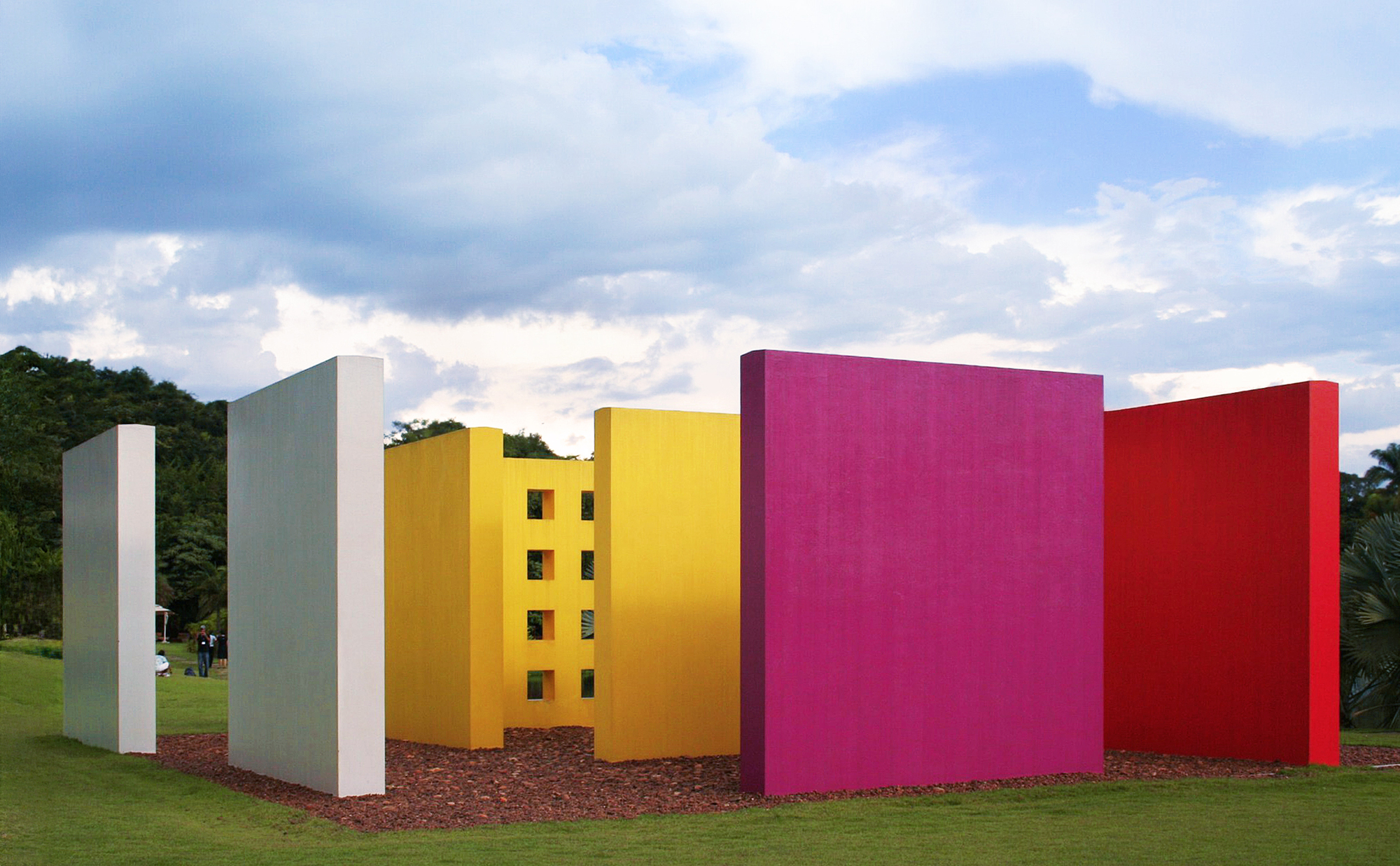
Everyday encounters in Latin America primarily occur in intermediate informal spaces—courtyards, verandas, sidewalks—where spontaneous social practices continually reshape urban life.
fromwww.aljazeera.com
1 month agoLatin America: In the Shadow of the US | Ep 2 Wars
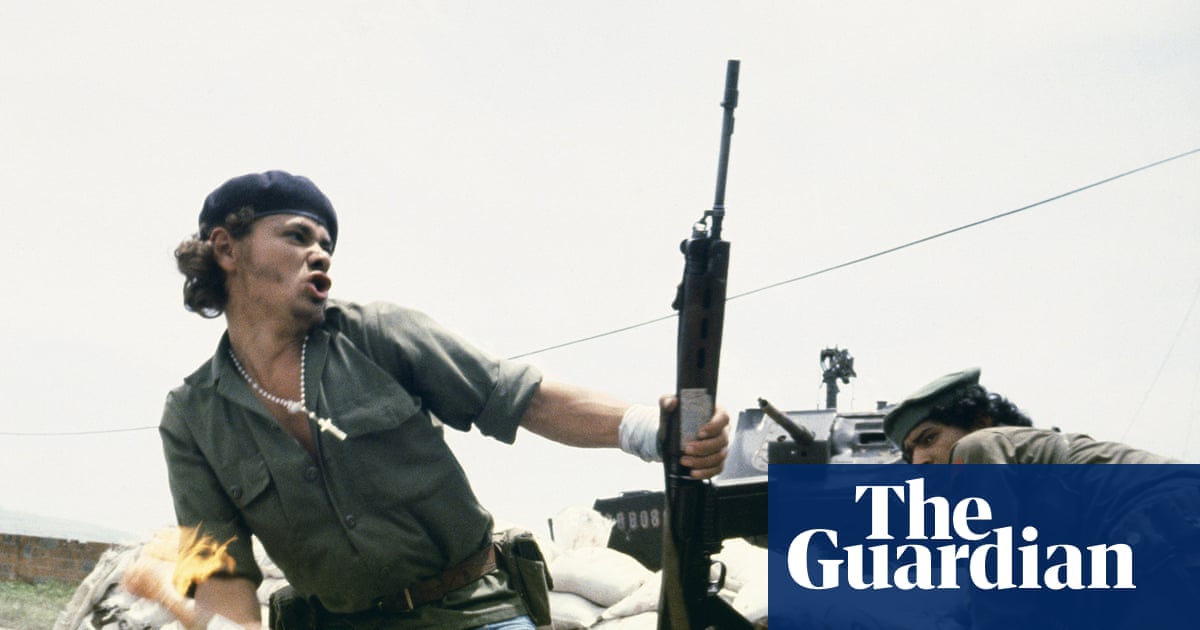
The 1980s bring revolutionary wars, CIA-backed conflict and the violent birth of a new democratic era. Episode 2: Wars begins with Nicaragua's Sandinista revolution, which promised egalitarian transformation through literacy crusades. But civil war erupted as United States President Ronald Reagan's administration covertly backed the Contra rebels, plunging the nation into turmoil and suffering. Panama transitioned from Omar Torrijos's diplomatic triumphs over the Panama Canal to Manuel Noriega's sinister collaboration with both the CIA and drug cartels.
US politics
fromHyperallergic
2 months agoVisions of Venezuela and Cuba From Exile
Otherworldly forms greet you at the entrance to the exhibition, transporting you into a kaleidoscopic, dream-like space. A voice speaks in the background as projected images dance across the forms, animating the space. "It's been really beautiful to see her work come alive, become a landscape ... where you can traverse and kind of get lost," curator Fabiola R. Delgado says of Lisu Vega's "The Uncertain Future of Absence (El Futuro Incierto de la Ausencia)" (2025).
Arts
fromenglish.elpais.com
1 month agoCuba on the verge of paralysis: I feel like this is the end of the story'
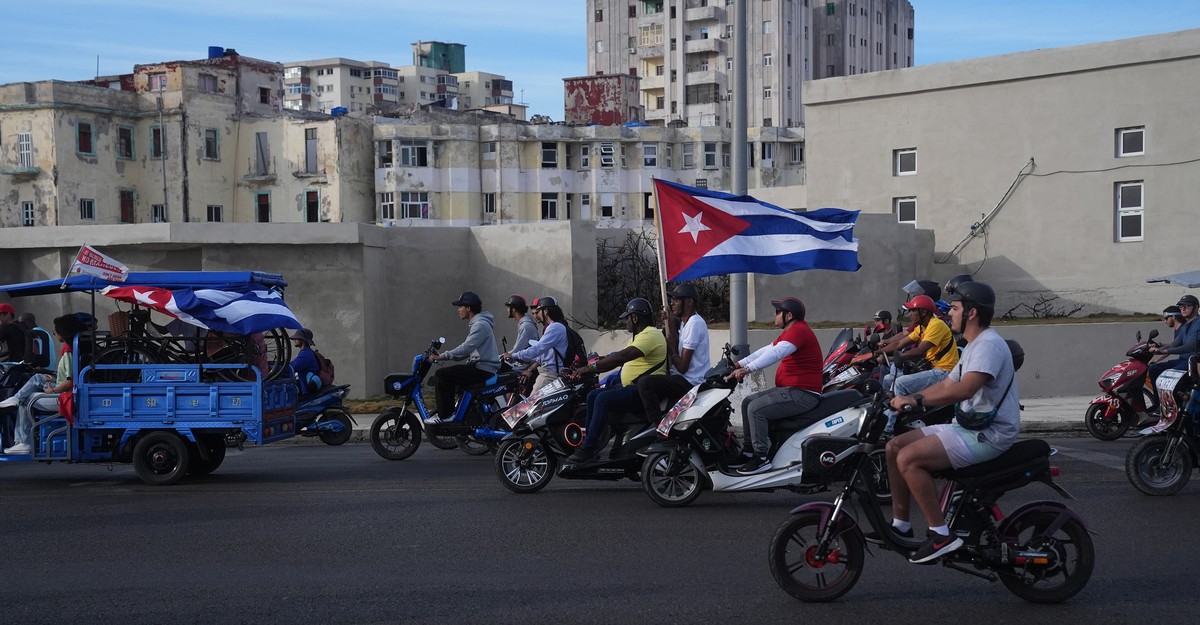
Taking a taxi in Havana is an increasingly difficult mission, growing more complicated and expensive from one day to the next as drivers run out of the rationed gasoline they receive. When you say taxi, you might find an almendron—a classic car used for public transportation—a gacela—one of the government's yellow minibuses—a cocotaxi—a motorized tricycle with a shell—a bicitaxi—a man pedaling for tourists under an umbrella—a motorcycle, an electric tricycle, or even a horse-drawn carriage.
World news
fromenglish.elpais.com
1 month agoThe rise and fall of Cuba's revolutionary epic
The Cuban Revolution was more successful at exporting its epic narrative than any other tangible commodity. Not even sugarcane, tobacco or rum can compare. The face of Che Guevara transformed into left-wing merchandise, the stoic image of Fidel Castro with a cigar in his mouth defying the 600 assassination attempts orchestrated against him by the CIA, and the slogan that Cuban education and healthcare are the best in the world have been an important part of the global progressive ideation from 1959 to the present.
World politics


fromenglish.elpais.com
1 month agoCrisis in Cuba stirs the ideological core of Mexico's government
Mexico's defense of Cuba hasn't been limited to President Sheinbaum's daily press conferences. Prominent Morena figures from parliamentary spokespeople to party president Luisa Alcalde have publicly aligned themselves with Havana. Within Morena, a broad and sometimes divided political family, the party's more orthodox or nostalgic left wing has embraced the Cuban crisis as an ideological cause and is pushing for even closer ties with Havana.
World news
World news
fromwww.theguardian.com
2 months agoTrump's other Latin American feud: why Colombia's Petro is not Maduro
Rising tensions between the US and Colombia involve Trump accusing President Gustavo Petro of drug trafficking, imposing sanctions, threatening military action, and Petro calling nationwide rallies.
World news
fromenglish.elpais.com
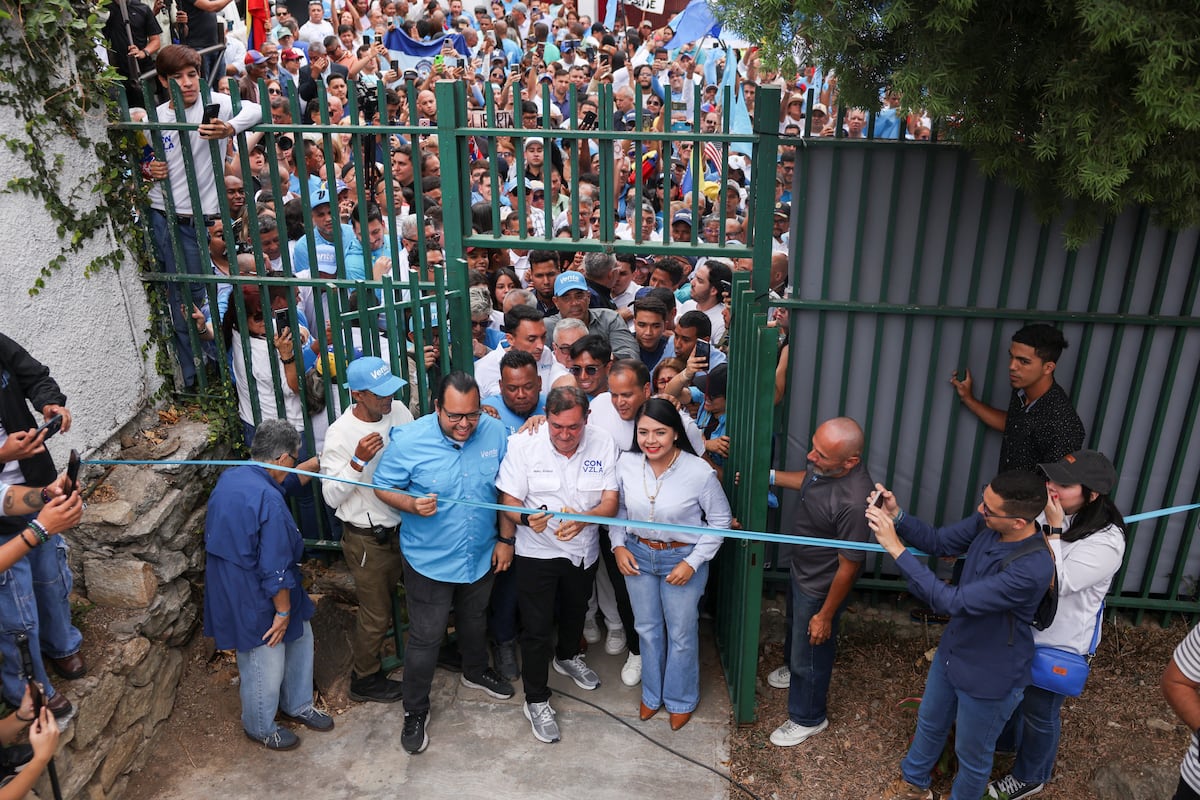
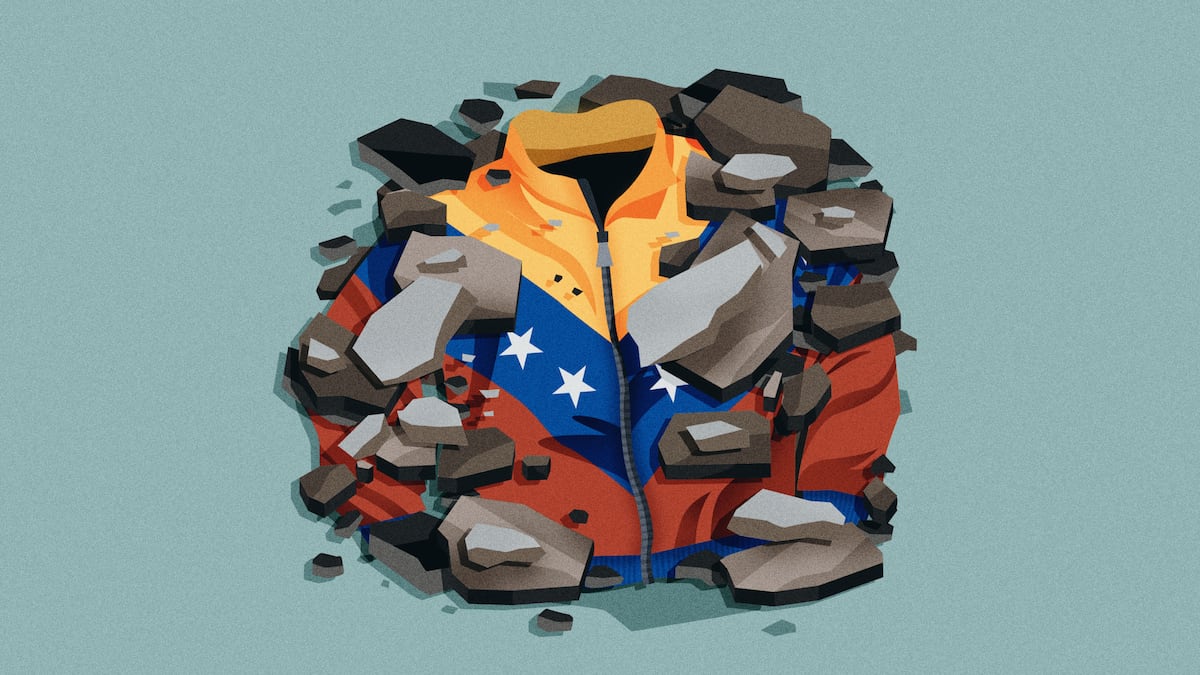
2 months agoJoy and fear in the new Venezuela: We're caught between something that won't die and something that won't be born'
Venezuela is split between a Chavista elite accepting U.S. control and mass prisoner releases, and a silenced populace facing repression and paramilitary street control.
[ Load more ]