#latin-american-abstraction
#latin-american-abstraction
[ follow ]
#frida-kahlo #contemporary-art #mexico-city #contemporary-painting #surrealism #gelman-collection #exhibition
#frida-kahlo



Independent films
fromenglish.elpais.com
3 weeks agoNetflix preparing series on stormy relationship between Frida Kahlo and Diego Rivera
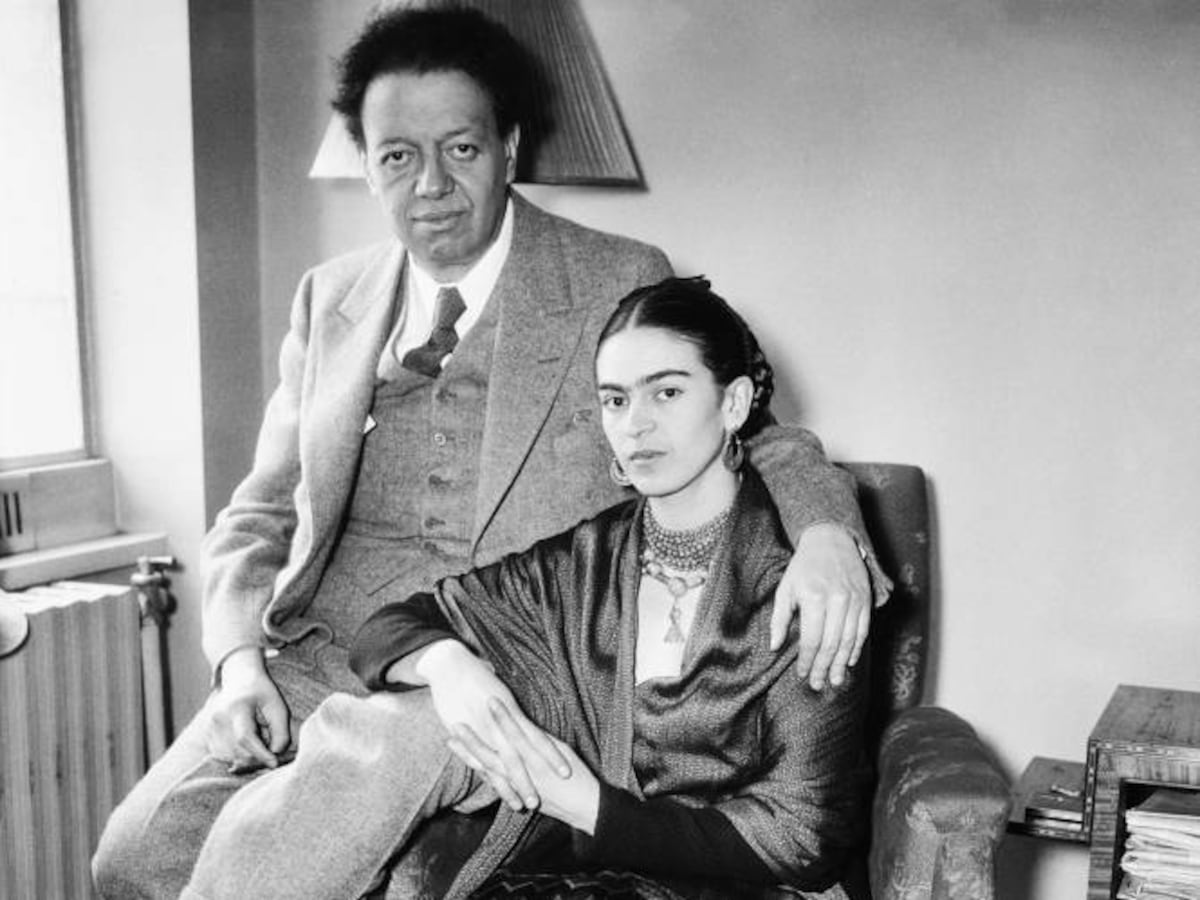
Netflix is developing a series exploring Frida Kahlo and Diego Rivera's tumultuous relationship beyond their iconic status, focusing on their passionate, sensory world rather than period piece clichés.
#gelman-collection
Arts
fromThe Art Newspaper - International art news and events
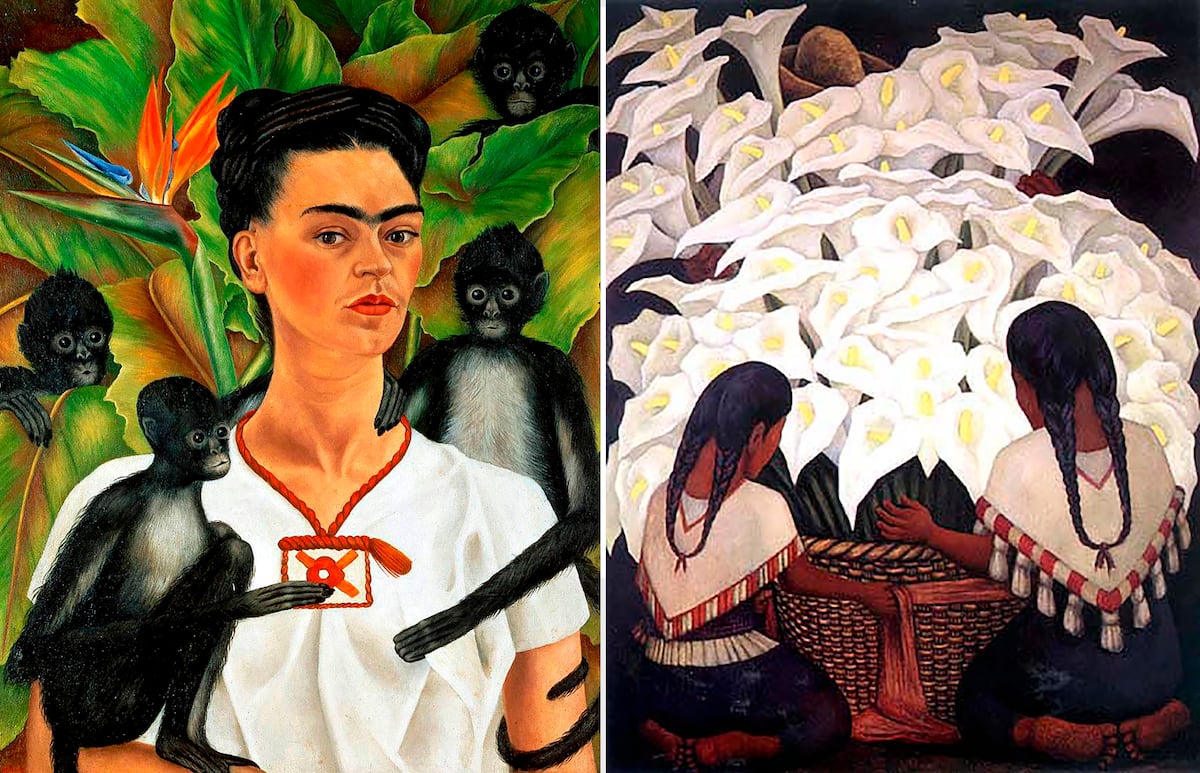
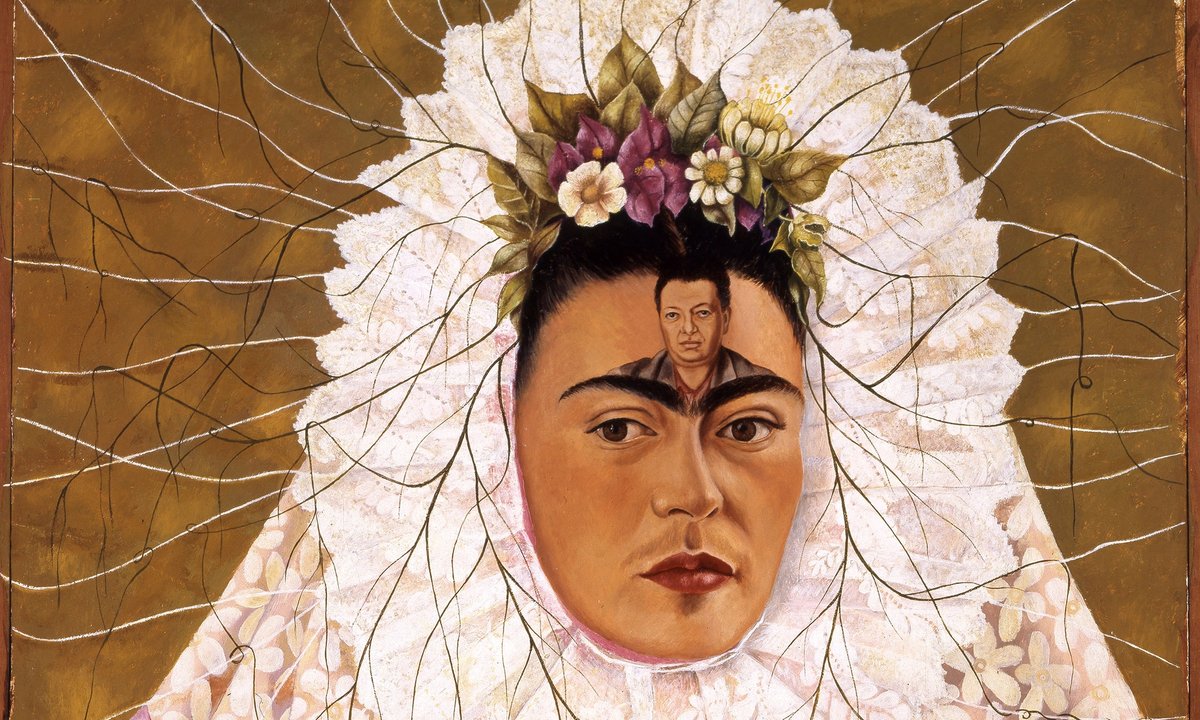
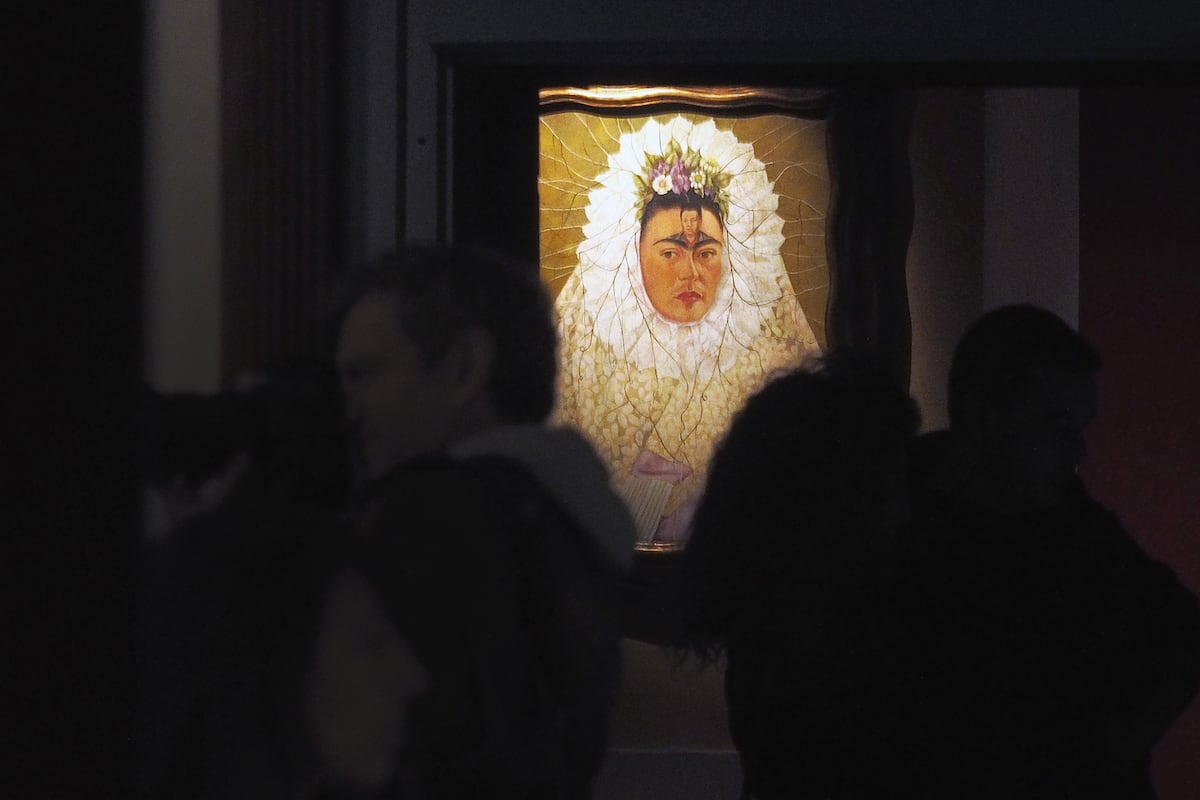
3 days agoMexico's art community calls for greater transparency in management of treasured collection
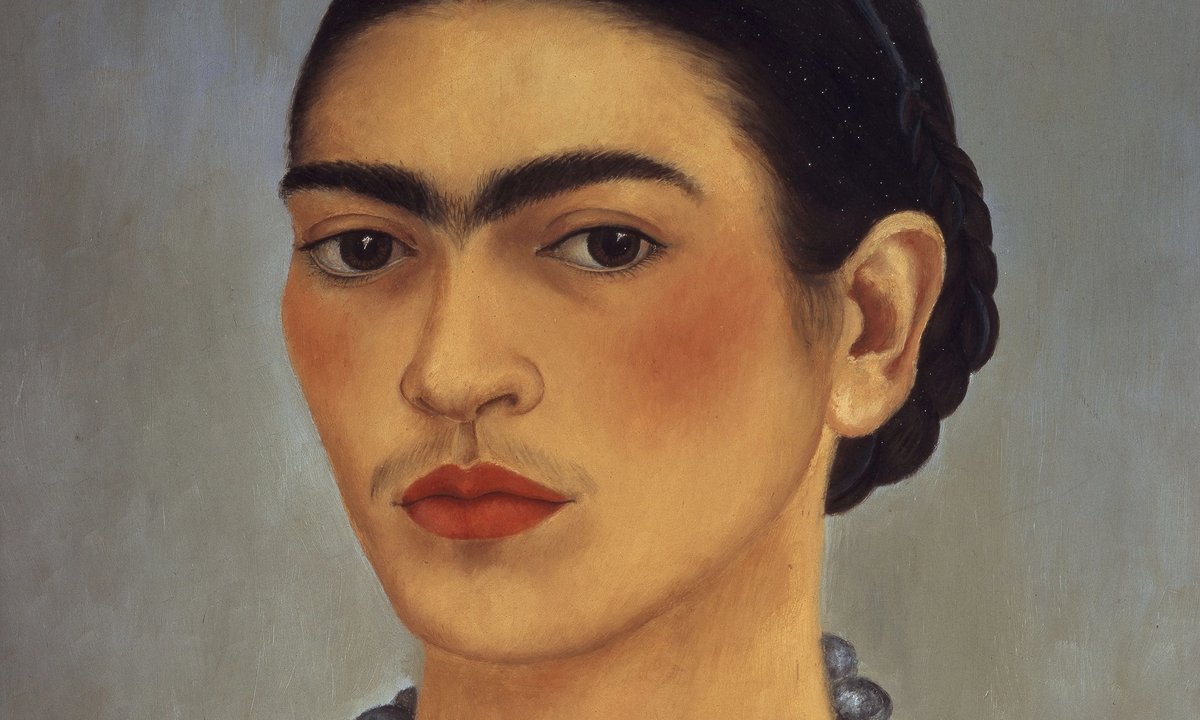
The Gelman Collection's future is uncertain, prompting calls for transparency from cultural professionals regarding its management and adherence to heritage laws.
Design
fromdesignboom | architecture & design magazine
4 weeks agoinside the surrealist universe of late artist pedro friedeberg, creator of the iconic hand chair
Pedro Friedeberg, Mexican surrealist artist and architect known for ornate drawings and hand-shaped chairs, passed away at 90, leaving behind six decades of work blending gothic architecture, optical patterns, and symbolism.


Miscellaneous
fromThe Art Newspaper - International art news and events
1 month agoComment | Art is more than its original context
Understanding art's original context enriches appreciation, yet modern viewing conditions and lost contexts require adapting how we engage with artworks across different settings and time periods.
fromArtforum
1 month agoFoto Estudio Luisita
For the Escarrias-petite sisters of African descent born ten months apart in Cali, Colombia-commercial photography was in their family DNA. Their parents established a studio in their hometown that was overseen by their mother after their father's early demise. The siblings learned the family trade, and when they fled the country's civil war in 1958, they quickly reestablished the studio in Buenos Aires.
Photography
:max_bytes(150000):strip_icc()/TAL-mexico-city-CULTRLYRICHDEST1225-9b03d517b80f4303aec7005290180b50.jpg)

Design
fromdesignboom | architecture & design magazine
1 month agoluis barragan's la cuadra san cristobal reopens to the public with two exhibitions in mexico
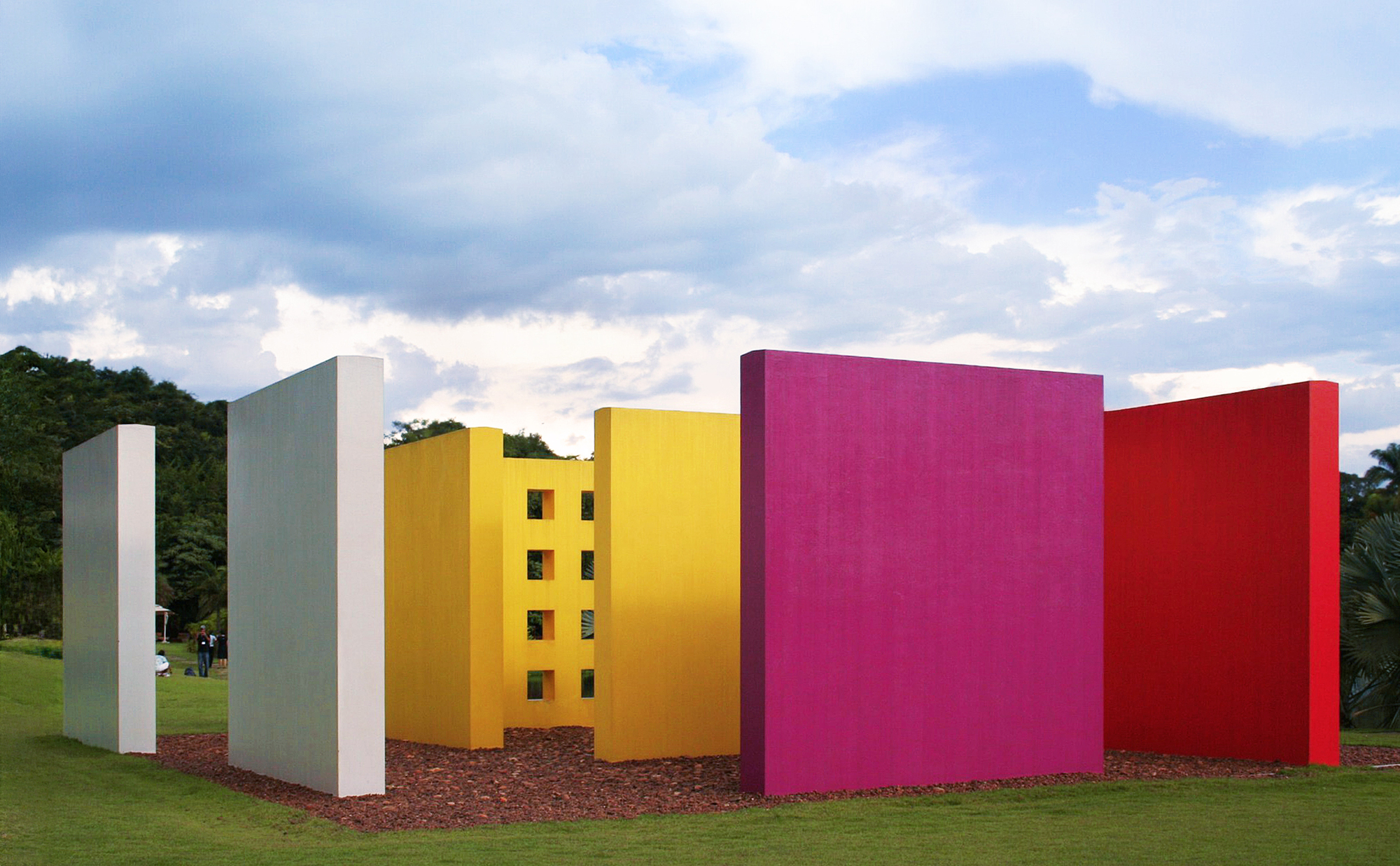
La Cuadra, Luis Barragán's 1968 equestrian complex, reopens as a public cultural campus under Fernando Romero's direction, launching with exhibitions dedicated to Barragán and Felix Gonzalez-Torres.
fromConde Nast Traveler
1 month agoHow the Global Rise of Latin American Music Is Shaping Travel
In the just-named Grammy Album of the Year, DeBÍ TiRAR MáS FOToS-which Bad Bunny has declared his " most Puerto Rican album " to date-the supernova reggaetonero painted an evocative portrait of the Caribbean island, while declaring to a whopping 8.6 million listeners: "VOY A LLeVARTE PA PR" (I'm going to bring you to Puerto Rico). And he did. Last year, a record-breaking number of tourists-7,486,000 to be exact-visited Puerto Rico's tropical shores.
Music
Photography
fromThe Art Newspaper - International art news and events
1 month agoDora Maurer, 'towering figure' of the Hungarian art scene, has died aged 88
Dóra Maurer, Hungarian painter, printmaker and filmmaker, died aged 88; her work explored form, time and movement using systematic processes and influenced Central European conceptual art.
Books
fromThe Art Newspaper - International art news and events
1 month ago'The good, the bad and the ugly': a short history of how artists depict the female body
Public visual culture simultaneously overexposes and marginalizes the female body: abundant naked female imagery on buildings contrasts with few monuments honoring named women.
Arts
fromThe Art Newspaper - International art news and events
1 month agoThe many faces and identities Frida Kahlo are explored in exhibition catalogue
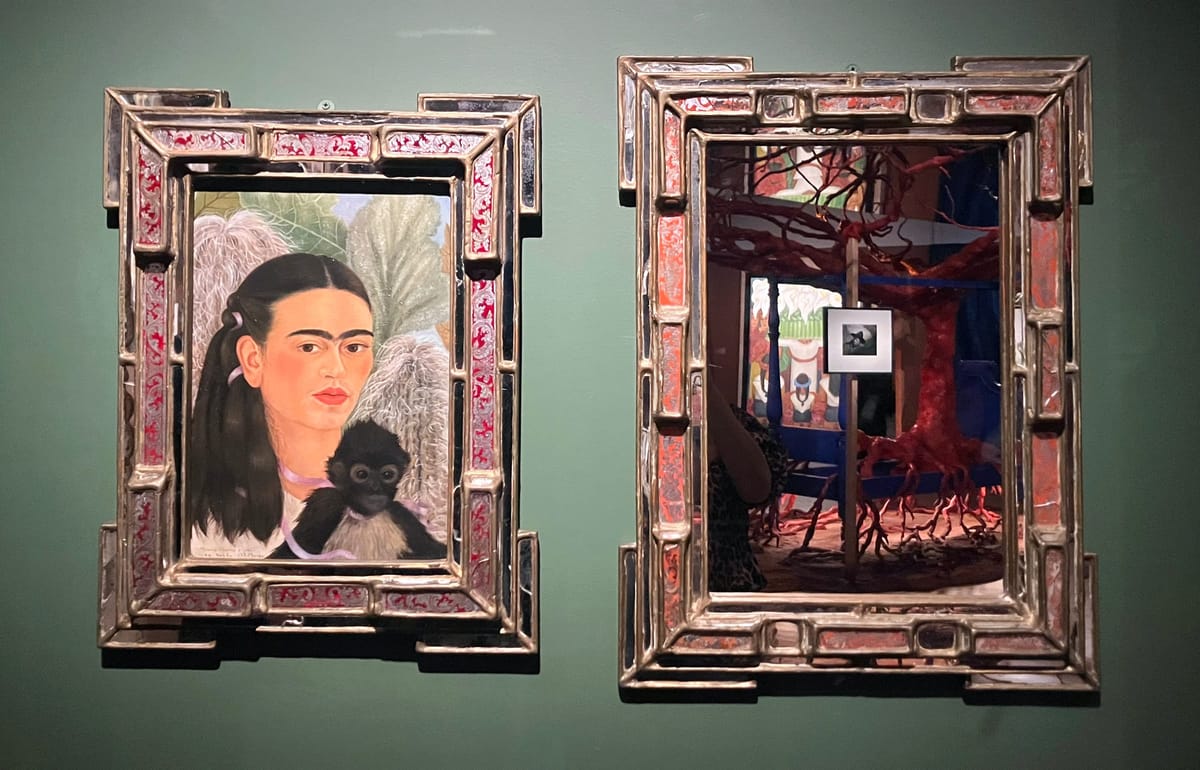
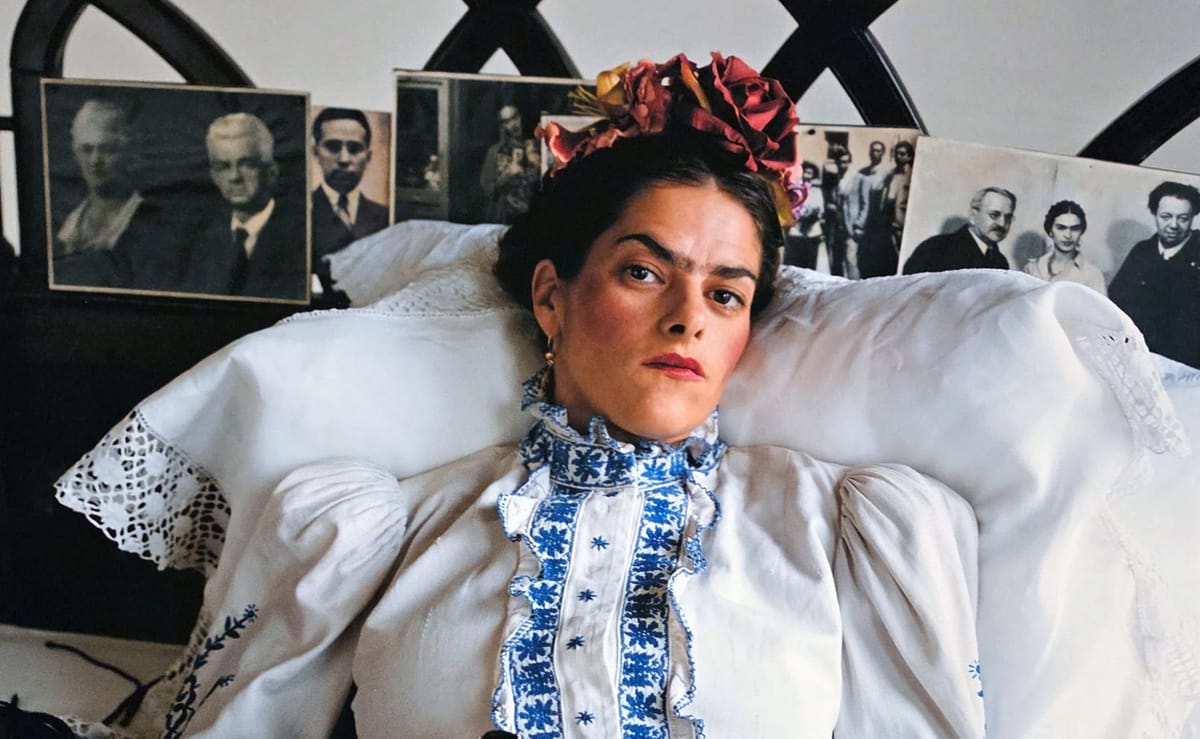
Frida Kahlo evolved from obscurity to global icon through posthumous appropriation by diverse movements that identified with her multifaceted persona and art across social, political, and commercial sectors.
fromDesign Milk
1 month agoInside Lee Broom's Latin American Exhibition at Diez Company
Now, he celebrates his first major presentation in Latin America, in congruence with Mexico City Art Week 2026 and ZSONAMACO, showcasing on an ideal stage inside one of the city's most architecturally layered interiors. Titled The Resident, the site-responsive installation, created during a residency at the Diez Company house, transforms the historic showroom into an immersive tableau where more than 50 works negotiate the boundaries between collectible design, contemporary art, and spatial theater.
Design
Arts
fromThe Art Newspaper - International art news and events
1 month agoArco Madrid's 45th edition benefits from influx of Latin Americans to the 'new Miami'
Arco Madrid's 45th edition features 206 galleries amid Spanish galleries' protest against Europe's highest 21% VAT on art, which undermines international competitiveness.
fromThe Art Newspaper - International art news and events
1 month ago'We're the Tijuana of the tent': non-profit Ambos's stand at Frieze Los Angeles is relocated
We were supposed to be Frieze's special guests. And we feel like we're being censored, racially profiled and discriminated against. Having worked with the fair for five years, she says she will not continue beyond this weekend.
Arts
fromArtnet News
1 month ago'Abstract Expressionists: The Women' Rewrites a Male-Dominated Canon
In 2024, art collector Christian Levett opened Europe's first museum dedicated to women artists in a little town in the south of France. But for those of us who can't make the trip to the Femmes Artistes du Musée de Mougins (Female Artists of the Mougins Museum, or FAMM), the American Federation of the Arts (AFA) has arranged the next best thing: a blockbuster touring exhibition about women artists of the Abstract Expressionist movement, featuring some of the highlights of the FAMM collection.
Arts
fromArtnet News
1 month agoHow Wifredo Lam Made Surrealism More Surreal Than the Surrealists | Artnet News
An exhibition of Wifredo Lam is about as safe a bet as the Museum of Modern Art can place and still plausibly say that it's a bet on expanding the canon. The Cuban artist is one of the most famous painters of the 20th century, featured in almost every single key show about Surrealism. MoMA acquired his famous painting The Jungle in 1946, a few years after he made it.
Arts
Arts
fromThe Art Newspaper - International art news and events
1 month agoMexico City's art scene gravitates to Santa Maria la Ribera neighbourhood
Santa María la Ribera has become a growing hub for contemporary Mexican artists, offering affordable studios, large Porfirian-era spaces, and new exhibition venues.
fromThe Art Newspaper - International art news and events
1 month agoExhibitions to see during Mexico City Art Week
Taking over the colourful Casa Gilardi, Luis Barragán's last commissioned residence, built for the advertising executive Francisco Gilardi in the mid-1970s, the German artist Gregor Hildebrandt transforms the house's stylish rooms with an ever-expanding exhibition of his enigmatic works across various media. Known for transforming outmoded analogue recording media-including audio cassettes, VHS tapes and vinyl records-into paintings, sculptures and large-scale installations, the Berlin-based artist's conceptual works explore themes of memory, nostalgia and the physical representation of intangible sound and sight.
Arts
fromJuxtapoz
1 month agoJuxtapoz Magazine - Oscar Murillo: "el pozo de agua" @ kurimanzutto, Mexico City
OSCAR MURILLO (b. 1986, La Paila, Colombia) has developed a multifaceted and challenging practice that spans painting, collaborative projects, video, sound and installation. Through each body of work, the artist probes ideas of collectivity and shared culture, demonstrating a commitment to the power of material presence alongside complex meditations on contemporary society. A focus on the social dimension that sits on the border between performance and events is also central to Murillo's practice.
Arts
fromThe Art Newspaper - International art news and events
1 month agoAt Mexico City's Material and Salon Acme fairs, artists find hope in nature
"The new venue has allowed us to develop the experience of the fair-it lends itself to being more of a destination," Brett W. Schultz, the co-founder and director of Material, tells The Art Newspaper. The fair features over 70 exhibitors this year, with an especially strong contingent of Mexico City galleries that, like Material, have been around for a little over a decade.
Arts
fromColossal
2 months agoRegina Silveira Pieces Together an Evolving Narrative of Latin America
Regina Silveira has spent the better part of three decades considering the relationship between media and meaning, particularly as it relates to Latin America. First presented in 1997, "To Be Continued..." features 100 black-and-white reproductions of photos, newspaper clippings, propaganda, advertisements, and more. Silveira nests each image into an oversized puzzle piece, which cuts off faces and scenes to leave fragments of pop culture icons, flora and fauna, and even the occasional mugshot spliced next to one another.
Arts
fromHyperallergic
2 months agoNo One Was "Picasso's Woman"
As an editor, you learn to pay attention to the nuances of language. How we phrase something can speak volumes about our perspectives. Some words are fine in one context, but in another they might be detrimental. "Victim" is an example - who wants "victimhood" to encompass their whole person? And possessives are a minefield of power relationships; for instance, a person experiencing mistreatment at the hands of a partner should be defined by neither the treatment nor the tormenter
Arts
Arts
fromThe Art Newspaper - International art news and events
2 months agoComment | We are living in an age of bad painting-the medium must be challenged to stay interesting
Contemporary painting shows a widespread trend of complacent, market-driven, and poorly executed works that often lack urgency and substantive engagement.
fromArtforum
2 months agoMiami's Crisis of Memory: Eddie Arroyo's December 3, 2024, 7:10 am Design District, 2025
This is the site of the Florida state historical marker commemorating Arthur Lee McDuffie, a Black insurance broker and former US Marine whose 1979 beating death at the hands of Miami police ignited one of the most consequential uprisings in the city's history. A plaque unveiled in February 2024 at the site of his attack finally acknowledged the violence that fractured McDuffie's skull and the community-wide outrage that followed.
Arts
fromHyperallergic
1 month agoSpain's Cosmic Mother of Modernism
MADRID - The most famous portrait of Maruja Mallo depicts the artist covered from head to toe in seaweed. She is crowned and draped with long, rope-like strands of kelp, her arms raised triumphantly like an all-powerful marine goddess. This unconventional photograph, snapped in 1945 by the poet Pablo Neruda on a Chilean beach, was no doubt carefully orchestrated by the Spanish artist, who viewed herself as an extension of her unique work, where female energy is a conduit for natural and even cosmic forces.
Arts
fromJuxtapoz
1 month agoJuxtapoz Magazine - Zigzags and Curves: Sarah Crowner @ Galerie Nordenhake Mexico City
Galerie Nordenhake Mexico City is pleased to present Zigzags and Curves, an exhibition by Sarah Crowner that brings together her sustained research into geometry, abstraction, and the expanded language of painting. Presented across two sites - the gallery's Mexico City space and Casa Roja in Lomas de Chapultepec-the exhibition takes its title from the fundamental graphic elements that structure Crowner's visual vocabulary: the zigzag and the curve.
Arts
fromHyperallergic
2 months agoHow Joan Miro and America Fell in Love
Six months before his momentous first trip to the United States, Joan Miró sent a letter to his New York City gallerist, Pierre Matisse. Writing from repressive Francoist Spain in the austere aftermath of the Second World War, the Catalan artist was searching for new frontiers. "In the future world, America, with its energy and vitality, must play a leading role," he told Matisse." I have to be in New York to be in direct, personal contact with your country; my work will benefit from that shock."
Arts
Arts
fromdesignyoutrust.com
2 months agoArtist Tony Sandoval Treats Watercolour As Weather Rain, Mist And Stains That Roll Across The Page
A diverse curated showcase of visual art, design, photography, illustrations, and vintage media spanning contemporary and historical creative works and practical lifestyle lists.
[ Load more ]