#leafy-greens-storage
#leafy-greens-storage
[ follow ]
#food-safety #gardening #sustainability #indoor-gardening #seed-starting #food-waste #food-preservation
Berlin food
fromTasting Table
2 weeks agoBuying Leafy Greens In Bulk? Here's How Long They Really Last - Tasting Table
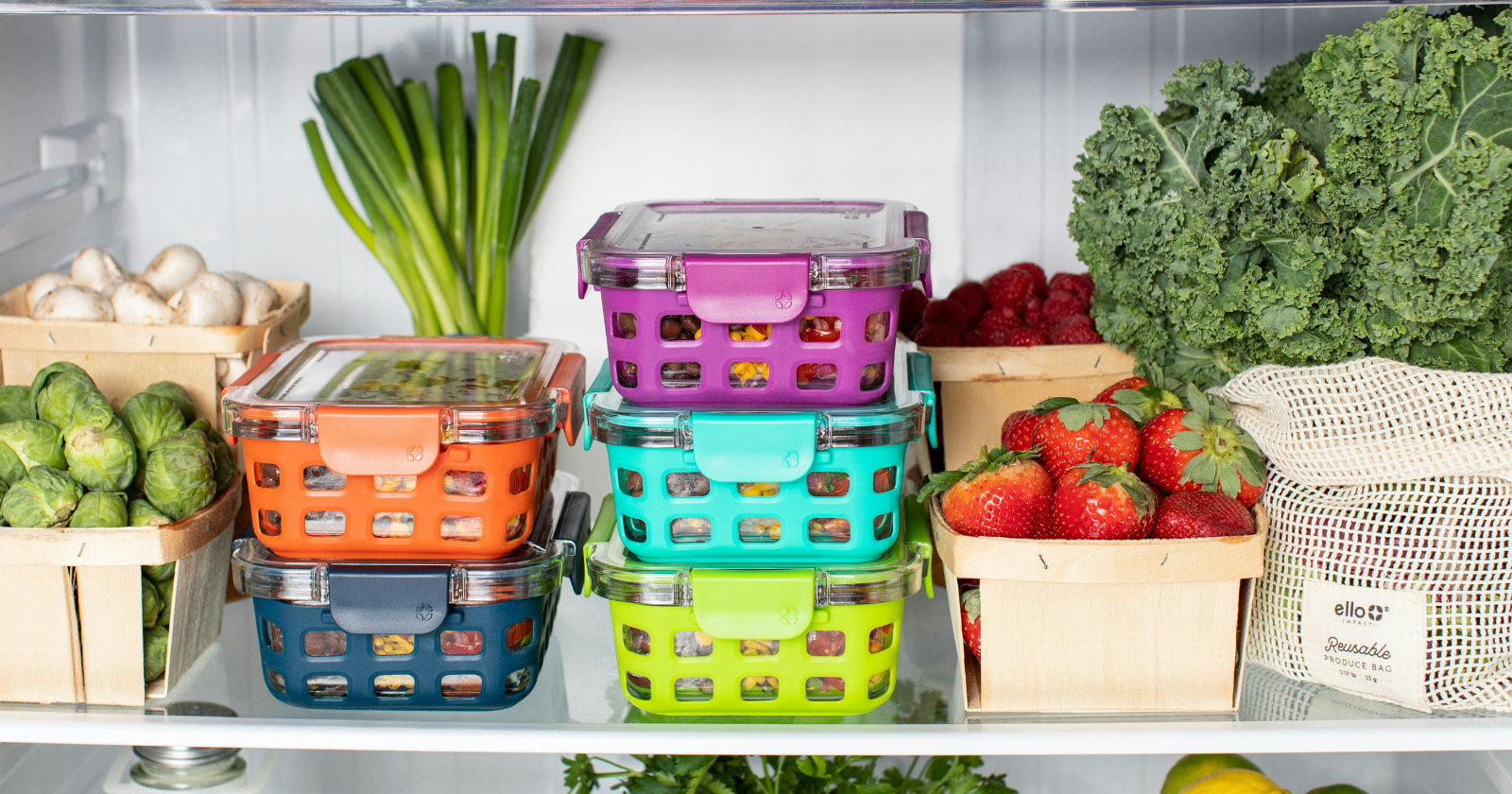
Bagged leafy greens last 4-5 days unopened or 2 days after opening, while loose greens last up to 10 days; proper storage in airtight containers with paper towels in the crisper drawer preserves freshness.
#food-safety

fromBuzzFeed
1 month agoFood & drink
Experts Are Begging You To Stop Making These 7 Mistakes When Storing Leftovers
Leftovers are a common source of home food poisoning; improper cooling and storage practices significantly increase contamination risk, but these mistakes are preventable through simple safety measures.
Berlin food
fromTasting Table
4 weeks agoThe One Container You Should Never Use For Raw Meat, According To A Food Scientist - Tasting Table
Plastic food storage containers are porous and harbor bacteria more readily than glass or stainless steel, making them less safe for storing raw meat and other foods.

Remodel
fromTasting Table
3 weeks ago'Burping' Isn't Just For Infants. Turns Out It Benefits Your Kitchen, Too - Tasting Table
House burping, a trend of regularly ventilating homes by opening windows and doors, originated in Germany centuries ago and may help reduce mold and improve indoor air quality.
fromBusiness Matters
3 weeks agoIRJ Frozen Foods: From Farm to Freezer Leader
Our goal in starting this business was to build a reliable, sustainable company. We wanted to deliver high-quality frozen fruit products while creating long-term value for our partners and community. We are direct producers - from the farm to the table.
Silicon Valley food
Cooking
fromTasting Table
2 weeks ago14 Mistakes Everyone Makes With Cauliflower - Tasting Table
Proper cooking techniques transform cauliflower from mushy and rubbery into flavorful and tender; avoiding common mistakes like microwave steaming and using stovetop steamers preserves nutrients and natural flavors.
fromTasting Table
1 month agoShould You Remove Raw Meat From Its Packaging Before Storing? - Tasting Table
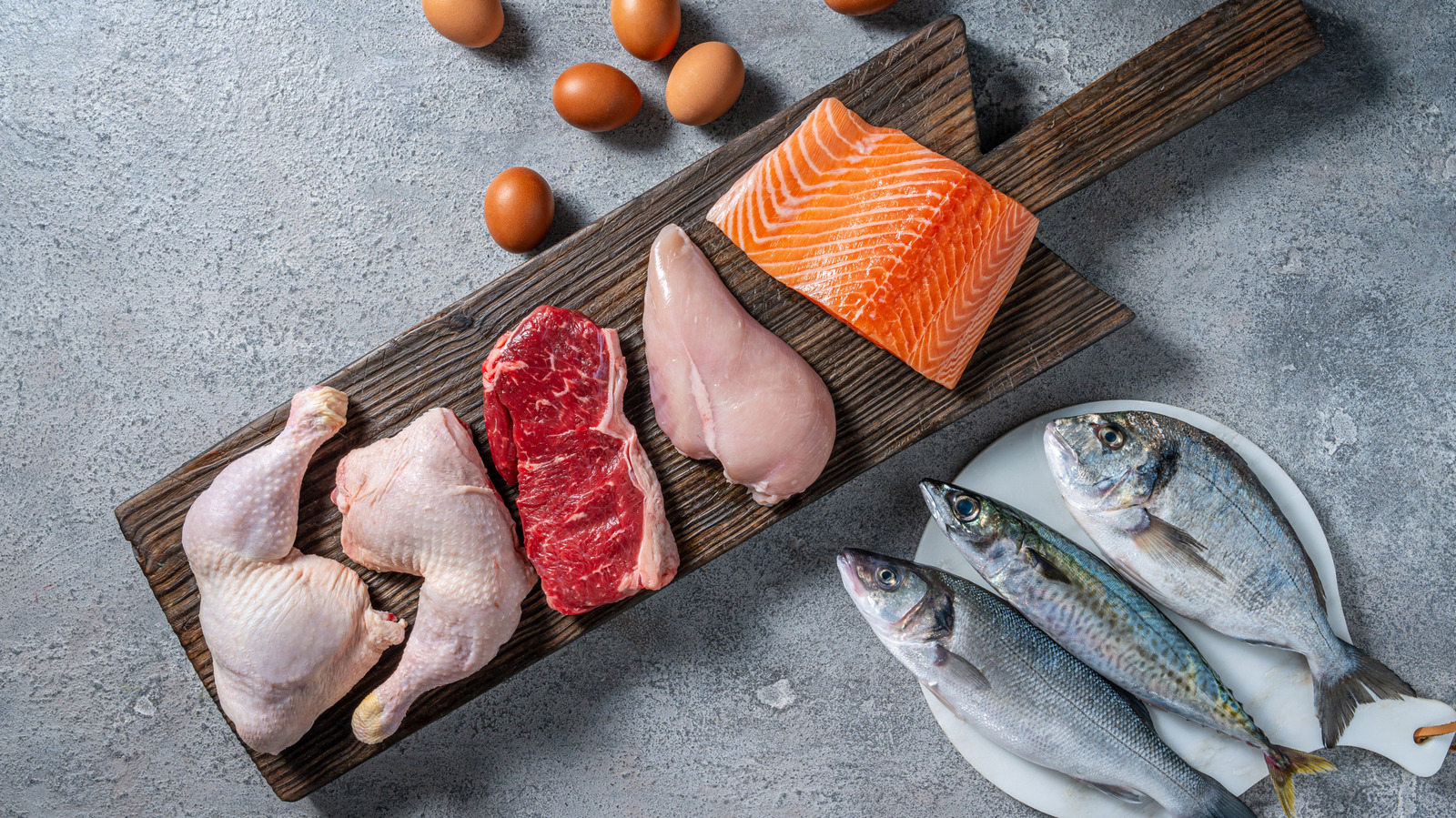
According to the United States Department of Agriculture (USDA), all ground meat, as well as poultry (even those with longer expiration dates) should be used or frozen within the first 48 hours of coming home from the store. Raw steaks, pork chops, and roasts can go a bit longer, at three to five days.
Miscellaneous
Silicon Valley food
fromTasting Table
3 weeks agoBye, Seafood: Expect To Spot This Tinned Food All Over In 2026 - Tasting Table
Artisanal tinned vegetables are emerging as a predicted 2026 food trend, following the success of premium seafood conservas in Spain and Portugal, offering high-quality alternatives to traditional canned vegetables.
fromTasting Table
2 weeks agoThe Absolute Best Way To Store Green Garlic To Keep It Fresh And Crisp - Tasting Table
Moisture is your best bet for keeping green garlic fresh and crisp long enough to elevate your dishes throughout the week. Just wrap it in a damp paper towel before placing it in a plastic bag for fridge storage (the crisper drawer should work). These steps should last it for about five to seven days.
Everyday cooking
fromTasting Table
6 days agoStop Starting Your Indoor Vegetable Seeds Too Early: Here's The Timing Rule Of Thumb To Go By - Tasting Table
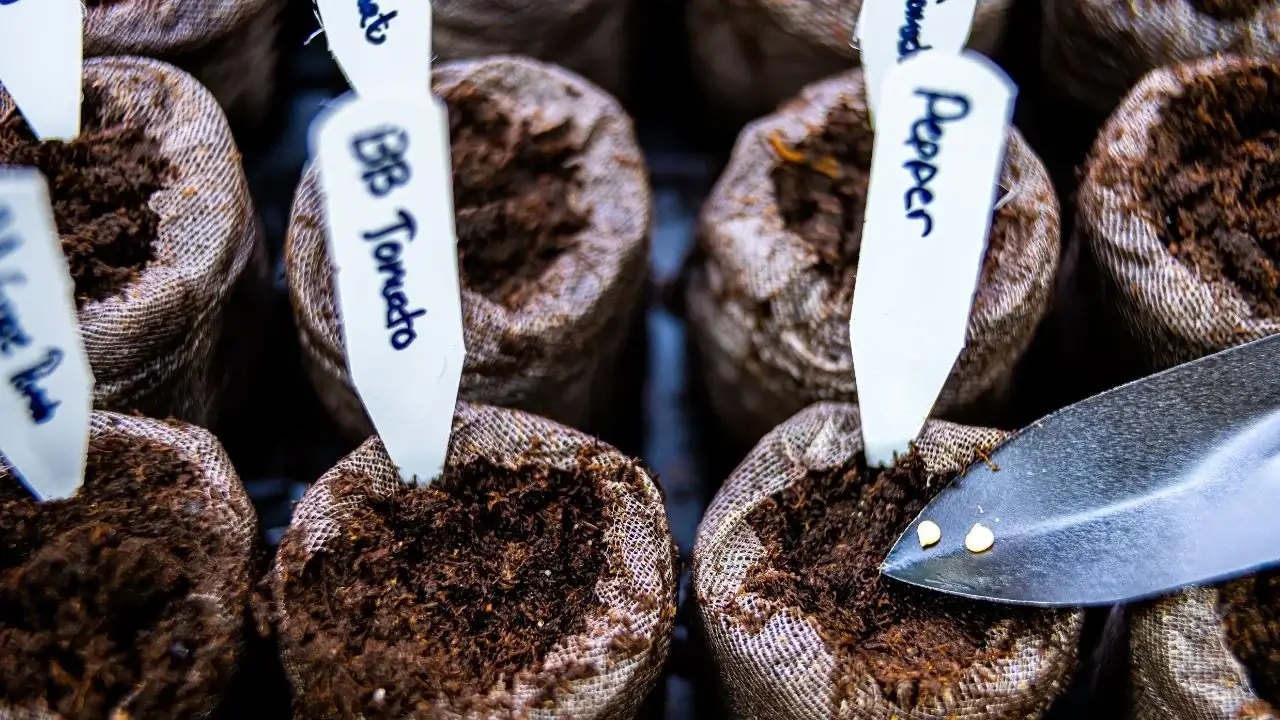
Seedlings are ambitious and will germinate and start growing once pressed into damp soil, shooting toward the nearest light source. However, if they remain in small containers without natural light, they can become root-bound and leggy, eventually collapsing under their own weight.
Agriculture
Everyday cooking
fromTasting Table
3 weeks agoWhy You'll Probably Want To Avoid This Popular Type Of Meat At The Grocery Store - Tasting Table
Pre-marinated packaged meats compromise texture and contain excessive sodium and phosphates, making homemade marinades a healthier alternative despite requiring more time.

Everyday cooking
fromTasting Table
3 weeks agoHow To Grow Eggplant Indoors For A Faster And More Foolproof Harvest - Tasting Table
Starting eggplant seeds indoors two months before the final frost provides a significant head start, with seeds germinating in five days and requiring 100 days to maturity.
fromTasting Table
3 weeks agoUsing Rice Water To Fertilize Houseplants? Avoid This Mistake That Could Cost You Your Plant - Tasting Table
Rice water doesn't have any additional nutrients that plants need to grow - for example, the nitrogen, potassium, and phosphorus found in conventional fertilizers - and the starchy residue doesn't necessarily "fertilize" your plant. However, it is still water that would otherwise just be dumped down the sink, so if you're not saving your rice water for cooking, you might as well use it to hydrate your plants.
Everyday cooking
Agriculture
fromTasting Table
2 weeks agoCan You Grow A Garden From Grocery Store Produce Seeds? - Tasting Table
Growing vegetables from store-bought seeds is possible but results vary based on produce type, growing method, and post-harvest treatment, with hybrid plants producing different crops than their parent plants.
fromTasting Table
2 months agoDon't Throw Out Those Plastic Fruit Containers - Use Them To Start An Herb Garden Instead - Tasting Table
Instead of running to the store every time you need a handful of fresh basil (and inevitably letting the rest go to waste in your fridge), having an herb garden of your own allows you to only take what you need. While this in itself is a great sustainable practice, try taking it a step further by starting an herb garden in old plastic fruit containers.
Environment
Agriculture
fromTasting Table
4 weeks agoGrowing Strawberries? This Brilliant Backyard Method Is So Easy - Tasting Table
Growing strawberries in gutters is an accessible beginner-friendly method requiring minimal space, drainage holes, soil, and eight hours of daily sunlight for successful vertical gardening.
fromwww.theguardian.com
1 month agoWhen it comes to preparing seeds for your garden, you'll reap what you sow
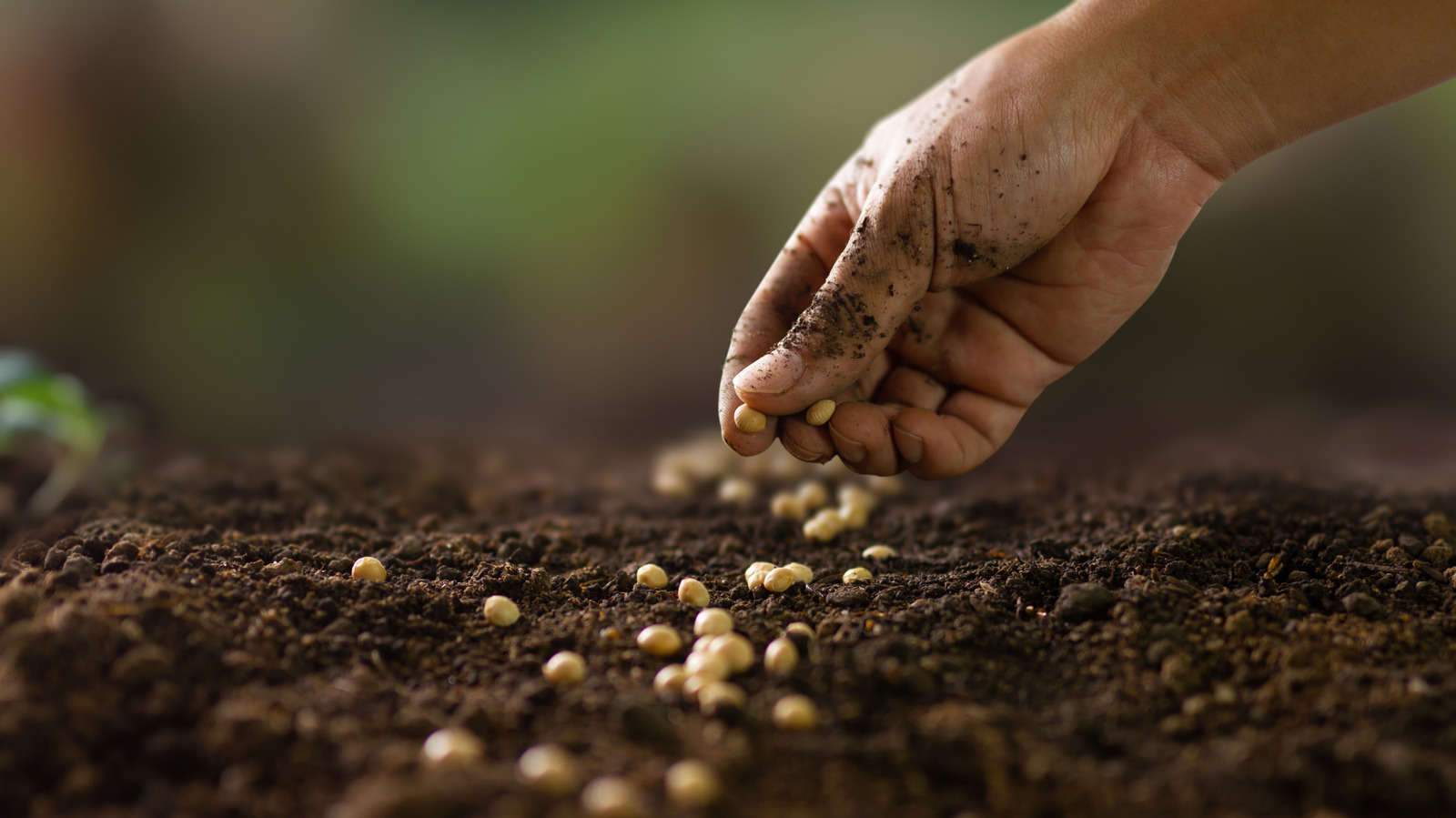
To an unimaginable eye, a seed looks inert. Yet they are packed with genetic information and biological processes poised to unfold. All it takes is the right configuration of signals and stimuli from the environment to let them know it's time to dare to grow.
Agriculture
fromTasting Table
2 months agoWhy You Should Be Rinsing Kale Twice - Tasting Table
This crucial one-two step not only alters kale's texture but also causes the assertively bitter compounds to release, so when you eat it, the bitterness is milder and you get more of an earthy flavor. "The second rinse and massaging make a huge difference," says nutrition-based private holistic chef Jane Olivia. "Massaging kale breaks down the tough cellulose fibers, which softens the leaves and reduces bitterness," she explains. "It transforms kale from something chewy and aggressive into something tender and slightly sweet."
Cooking
fromTasting Table
1 month agoHow To Freeze Lentil Soup The Right Way - Tasting Table
Lentils are an inexpensive source of protein, and they can take on many flavor profiles easily and without much effort. The tiny legumes are great in salads, but they really come alive when simmered with alliums, vegetables, spices, and a flavorful broth. Lentil soups and stews can be simple or extravagant, depending on how you garnish the soup, but they always make for a hearty, satisfying meal.
Cooking
fromTasting Table
2 months agoThe 5 Grocery Stores With The Best Selection Of Produce - Tasting Table
Grocery stores that offer the best produce know it's crucial to nail a few key factors. First, produce needs to be fresh - that feeling when you get home and open a packet of cucumbers only to find that they're soggy and covered in slime is not a good one. Second, fruits and vegetables need to be priced right. While shoppers can expect to pay a premium of about 50 percent more for organically grown vegetables, anything more than that starts to feel unreasonable.
Food & drink
fromTasting Table
2 months agoThe Slow-Growing Crop That Pays Off Big When You Start It From Seed - Tasting Table
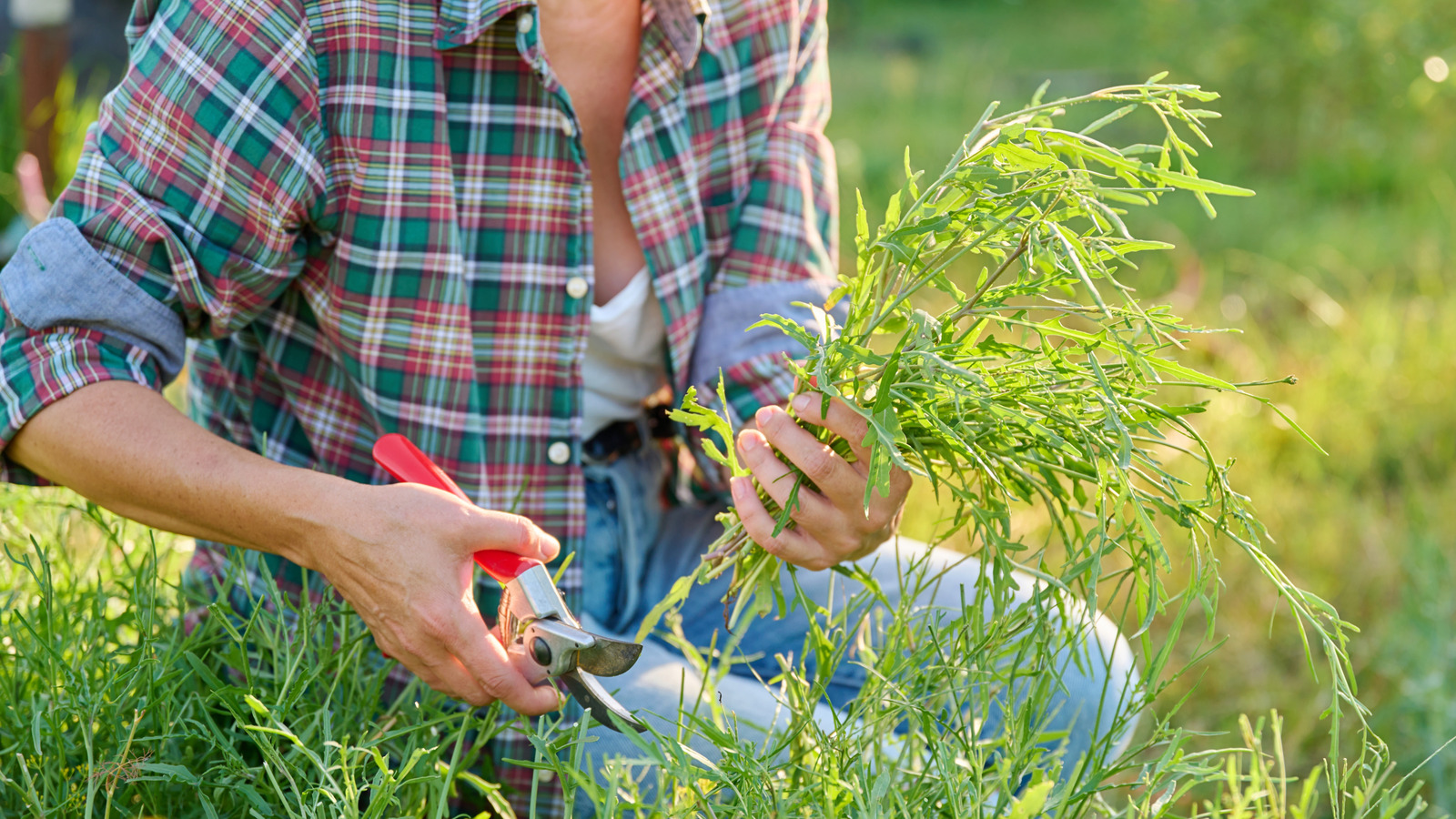
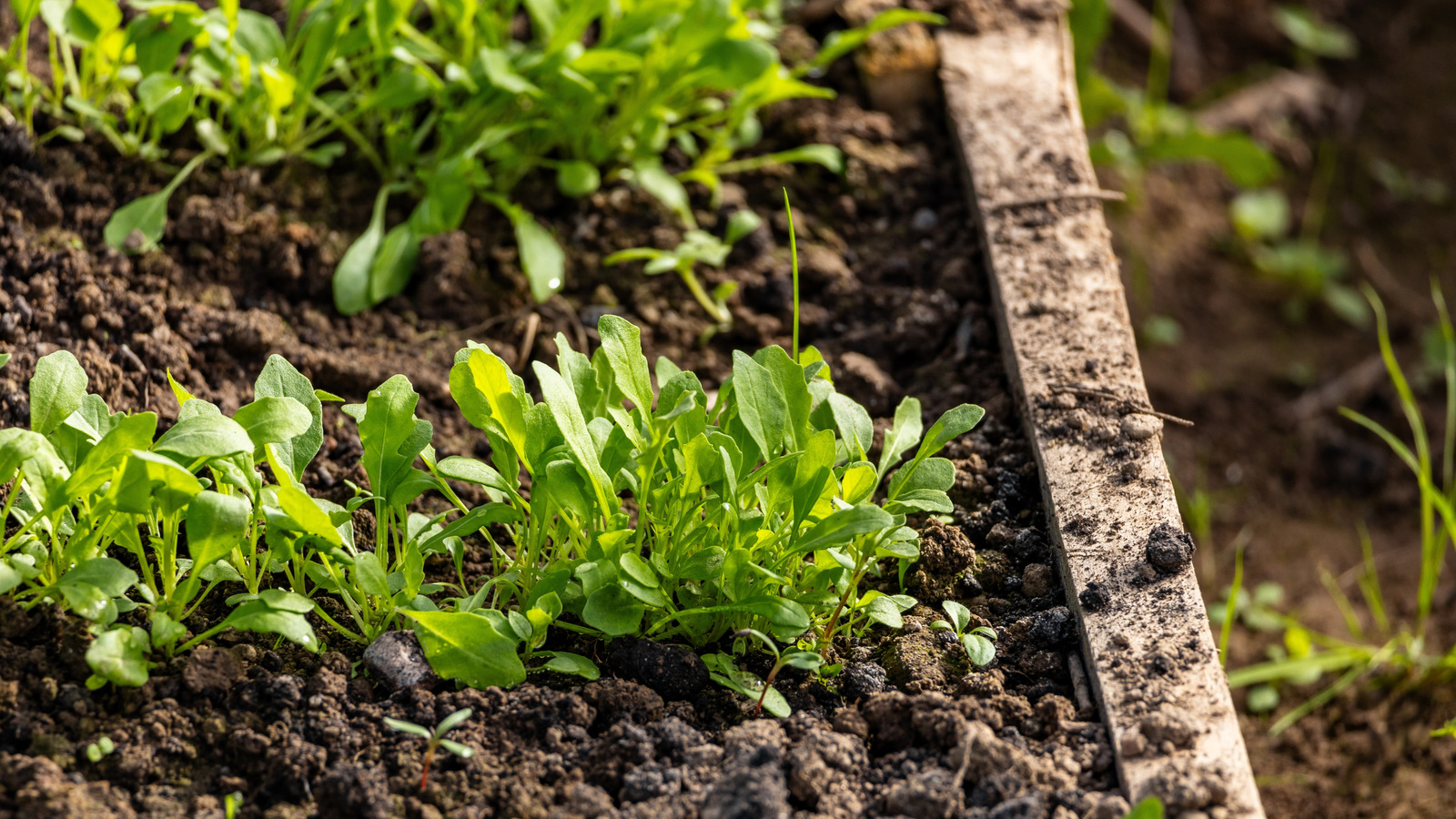
People grow asparagus from crowns because it shortens the long wait times for harvesting. From seed, you'll need to wait three years before harvesting asparagus. Some people consider that a waste of time. The tradeoff is that you can keep harvesting every spring for up to 15 years or more. If you plant crowns, you get a one-year jump on things. However, those crowns may have soil-borne diseases you don't know about, so there is a risk involved. Seeds remove that problem.
Agriculture
fromTasting Table
2 months ago15 Fruits And Vegetables You Can Start Growing In Late Winter - Tasting Table
Late winter is when keen gardeners can get a little restless. The weather is still cold, and spring still feels far away. Thankfully, you don't need to wait until the weather warms to start your growing season. There are plenty of fruits and vegetables that can be started in the late winter, ready for a bountiful harvest in the coming months. Each of these plants needs unique care in order to thrive, but thankfully, I can guide you through exactly the right steps.
fromTasting Table
2 months agoRadishes Actually Grow Faster Indoors During The Winter Than You'd Expect - Tasting Table
Growing your own vegetables is a fun and rewarding activity. Not only will you ensure they are at their freshest when you eat them, but you will also know how they are grown, especially if you care about pesticides and other harmful chemicals found in commercially grown produce. If you don't have an outdoor garden space, you can still grow some tasty veggies indoors - and some of the simplest (and fastest-growing) are radishes.
Agriculture
fromTasting Table
2 months agoYour Location Matters When Planting Onions - Here's Why - Tasting Table
Onions may not be the prettiest vegetable to grow, but they're certainly one of the most useful. Figuring which items you eat most often is the first thing to consider before planting a vegetable garden, and as a fundamental part of soups, sauces, and salads, who couldn't use more of these easy-to-grow alliums? The only tricky part is that location really matters, as different varieties of onions require different day lengths in order to thrive.
Agriculture
[ Load more ]