Wearables
fromThe Verge
14 hours agoMy dream pair of AR gaming glasses needs to have these nine features
Latest AR glasses from Xreal and Viture enhance gaming experiences with features like 3DoF, but no model is perfect for all users.
Leonid Radvinsky's death leaves a void in the leadership of OnlyFans, a platform that has transformed the adult content landscape. His secretive management style and the controversies surrounding the site have raised questions about its future direction and stability.
Following the acquisition, the Cinemersive Labs team will join SIE's Visual Computing Group (VCG) and contribute to our broader efforts in advancing state of the art visual computing within games. This includes applying machine learning to enhance gameplay visuals, improve rendering techniques, and unlock new levels of visual fidelity for players.
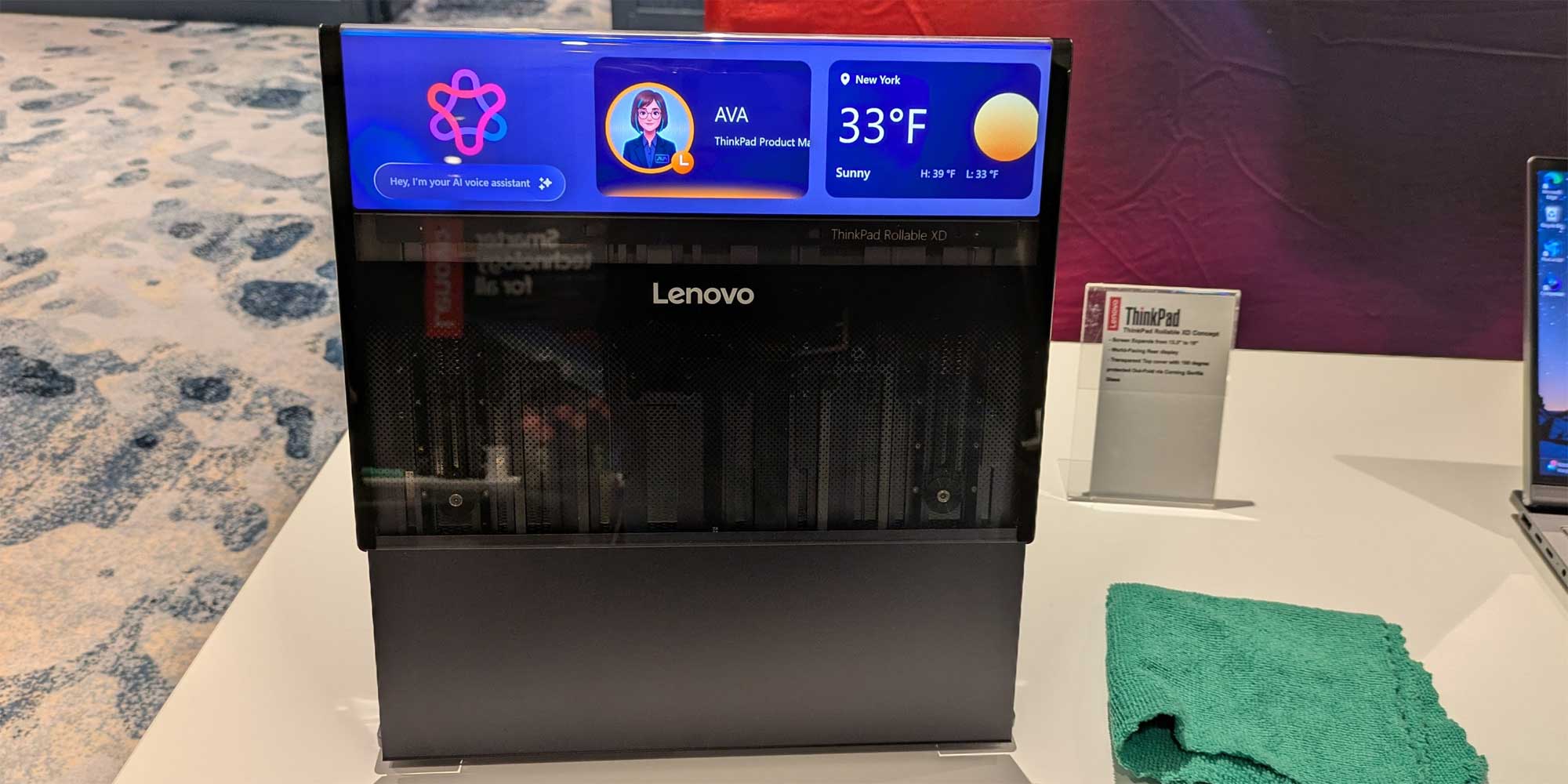
The solution, according to Microsoft, is to get rid of it and buy a computer that can run Windows 11. But that's not good enough. This ThinkPad - like millions of other PCs in the same boat - is still perfectly functional.
The XR10 throws a 4K UHD image anywhere from 65 to 300 inches, powered by a triple laser light source rated at 6,000 ANSI lumens and a lifespan of 25,000 hours.
According to Digi Capital augmented and virtual reality are about to explode as VCs and corporates get in on the act. Facebook's multi-billion dollar acquisition of Oculus got everyone's attention early last year, but it's only really in the last 12 months that investments have accelerated, with more than $1bn pouring into the sector. Meanwhile Mashable reports Nokia's virtual reality camera is now available for pre-order for a cool $60,000.
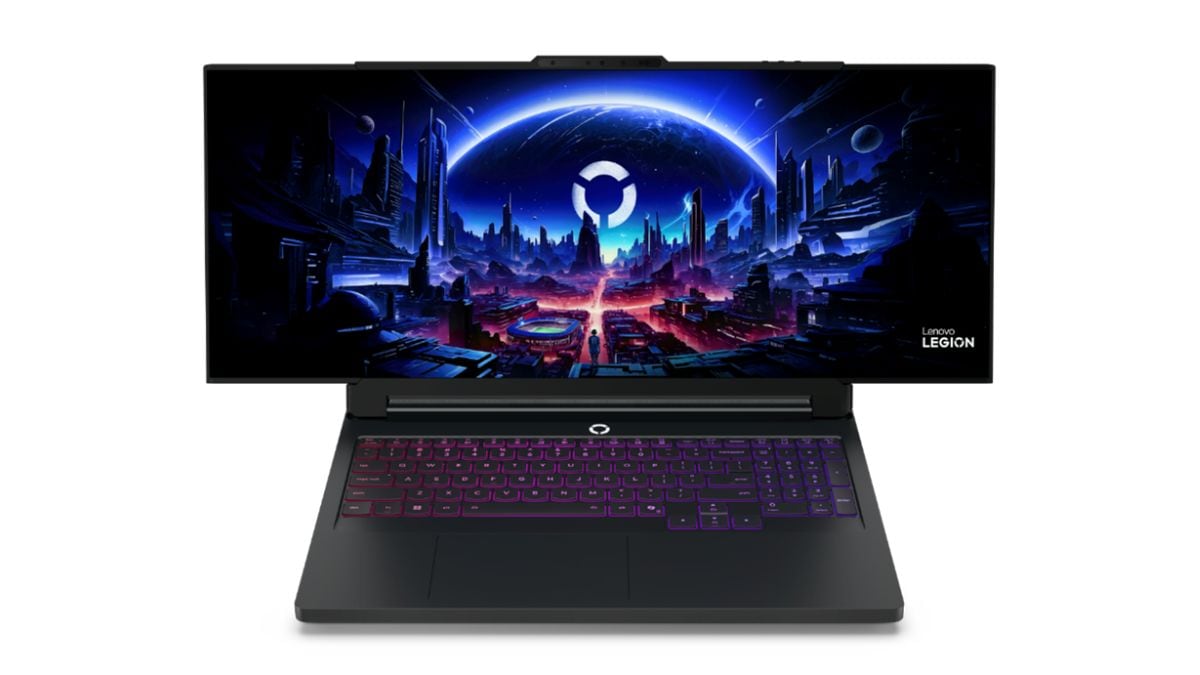
The upper display renders 3D content without glasses, using Lenovo's PureSight Pro Tandem OLED technology to show depth and spatial volume directly on screen. A spacecraft that's been modeled in three dimensions appears to float, with genuine perceived distance between its front and rear planes, rather than sitting flat behind glass.
One of the big focuses of the new operating system version is what Pico calls PanoScreen, a feature that lets the wearer run multiple applications at once while also keeping a 360-degree view of the real-world space around them. Other users can pop into the space as 3D avatars while you spin around to see spreadsheets, browser tabs, design software, or whatever else you're working on.
"It's not an overstatement to declare another VR winter," said J.P. Gownder, vice president and principal analyst at Forrester. "I think we might even go as far as to say there's only a handful of successful scenarios where people are using VR." This assessment reflects the industry's struggle to find practical applications beyond niche markets.
The Motoko's dual first-person-view cameras are positioned at eye level to basically see what you see, enabling real-time object and text recognition - translating street signs, tracking gym reps, summarizing documents on the fly, all of that. There are also dual far and near-field mics, working together to capture voice commands and pick up dialogue within view.
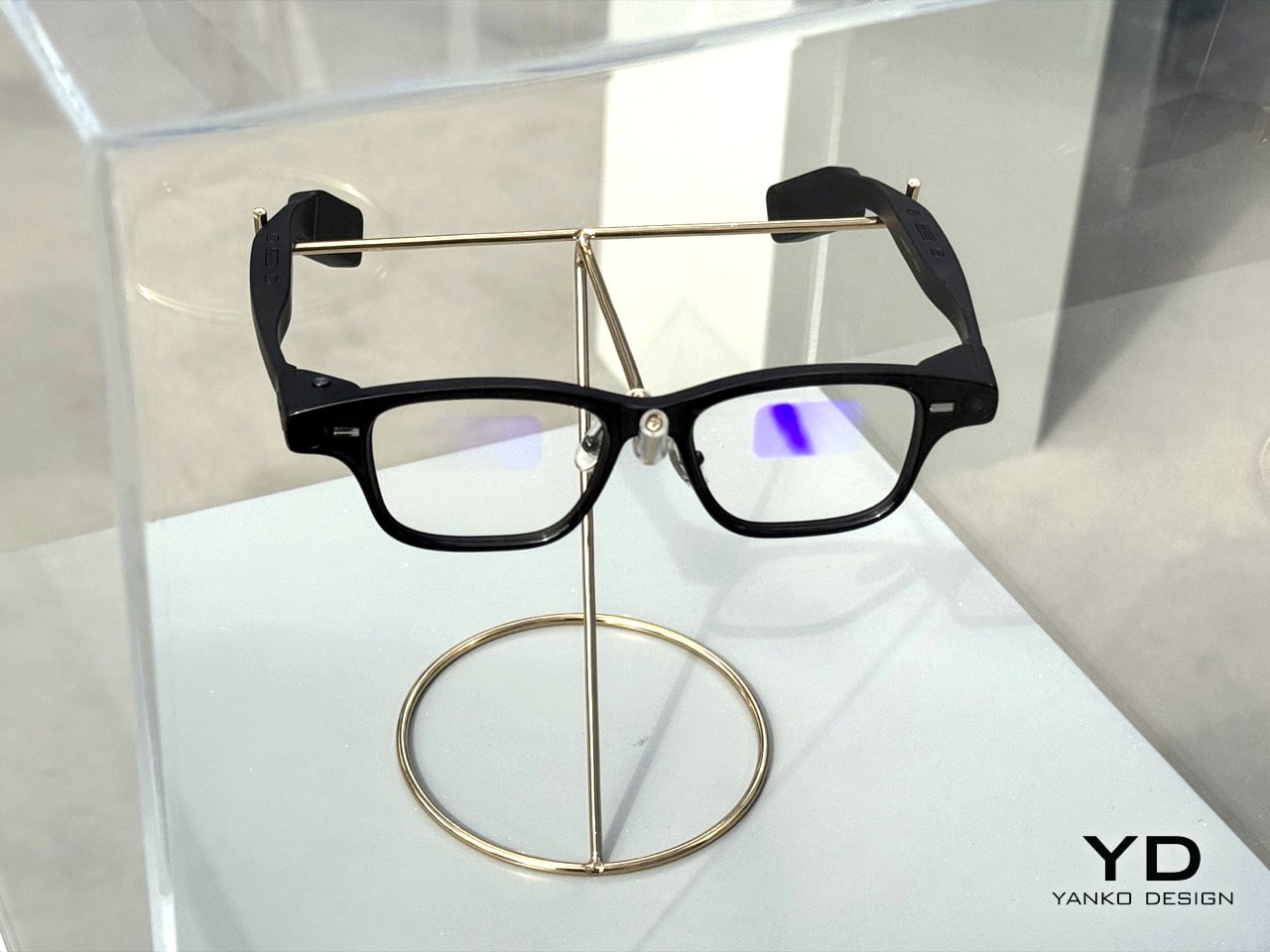
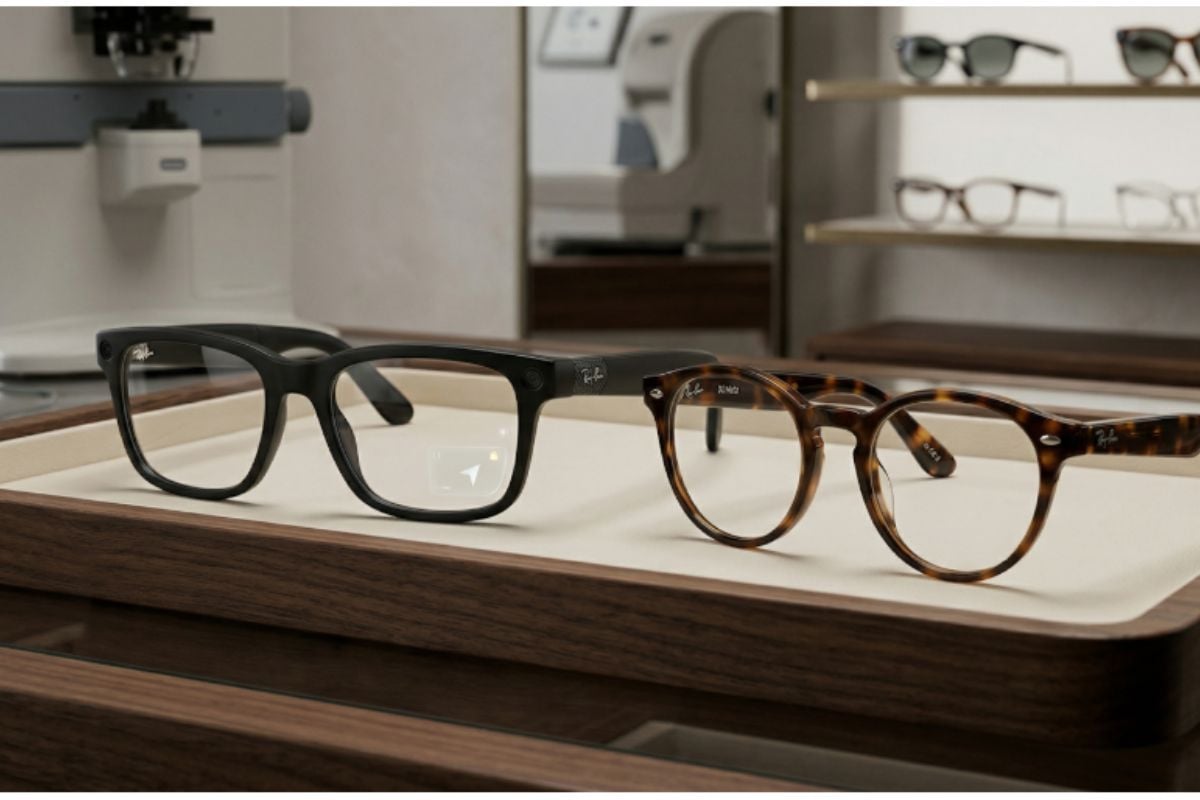
Lenovo just revealed a new smartglasses concept design at CES 2026. The appropriately-named Lenovo AI Glasses Concept promises to transform "how users interact with their surroundings and unifies their workflow." They look like a standard pair of specs and not all that different from something like Meta's Ray-Ban Display glasses. A pair weighs just 45 grams and the battery lasts eight hours, which is just enough time to get through a standard workday.
For almost as long as phones have been around, people have wanted those phones to also be laptops. It seems so simple: Your phone has plenty of computing power, access to all your apps and data, an always-on connection. The only problem? Your phone's screen is too small for many tasks, and so is its keyboard. Or at least, they were, until foldable phones made it possible to carry a truly gigantic screen in your pocket. Now all bets are off.
Razer announced a concept AI wearable at CES that resembles a pair of wireless headphones (or Razer's Barracuda gaming headsets, to be precise), with two camera lenses built into the ear cups. The current iteration of Project Motoko is powered by an unspecified Qualcomm Snapdragon chip and uses dual first-person-view cameras positioned at eye level to capture objects, text, and anything else around you. There are also multiple microphones for receiving voice commands, dialogue, and environmental audio, and hands-free controls for managing audio settings.
As a remote professional, I can tell you firsthand: a good webcam matters. A lot. You don't want to look-or sound-grainy when you're talking to management, clients, or collaborators. And you definitely don't want to constantly crane your neck or shift in your chair just to stay in frame. So when I saw Insta360 unveil its latest webcam lineup at CES 2026, I was genuinely interested-especially because these models were clearly designed with remote workers in mind, not just casual video calls.
When Apple's Vision Pro mixed reality headset launched in February 2024, users were frustrated at the lack of a proper YouTube app-a significant disappointment given the device's focus on video content consumption, and YouTube's strong library of immersive VR and 360 videos. That complaint continued through the release of the second-generation Vision Pro last year, including in our review. Now, two years later, an official YouTube app from Google has launched on the Vision Pro's app store.
The eighth-generation personifies the lineup as its latest flagship model, with up to an Intel Core Ultra 9 255H CPU, Nvidia RTX PRO 2000 GPU, and classic ThinkPad form with some premium elements. It pairs its hardware with impressive portability: just 4.06 pounds and 0.39 inches thick -- much lighter than its horsepower would suggest, for a cutting-edge device in a reliable package with LPCAMM2 memory for further future-proofing and a full suite of connectivity.
Lenovo's new pair of Yoga laptops for CES 2026 are its most powerful and most lightweight models. The flagship Yoga Pro 9i is a creator-focused laptop with a 16-inch 4K tandem OLED reaching 1,600 peak nits of brightness, Intel Panther Lake processor options, and up to an RTX 5070 for a discrete GPU. It also includes a Yoga Pen Gen 2 stylus that can magnetically attach to the lid, either on its own or in its protective case.