#life-beyond-earth
#life-beyond-earth
[ follow ]
#nasa #space-exploration #artemis-ii #astrobiology #moon-mission #mars #extraterrestrial-life #moon-exploration








fromArs Technica
2 weeks agoWe keep finding the raw material of DNA in asteroids-what's it telling us?
The new work was less notable for showing that we had found these bases in Ryugu than for solving a previous mystery: earlier studies had failed to detect them there, despite their presence in many other asteroid samples.
OMG science


fromenglish.elpais.com
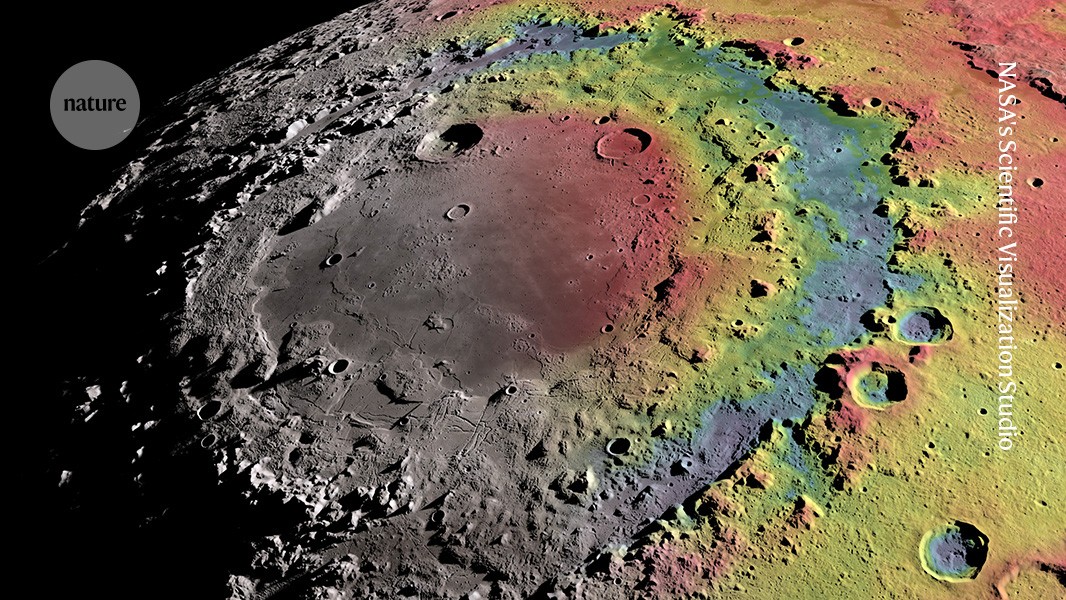
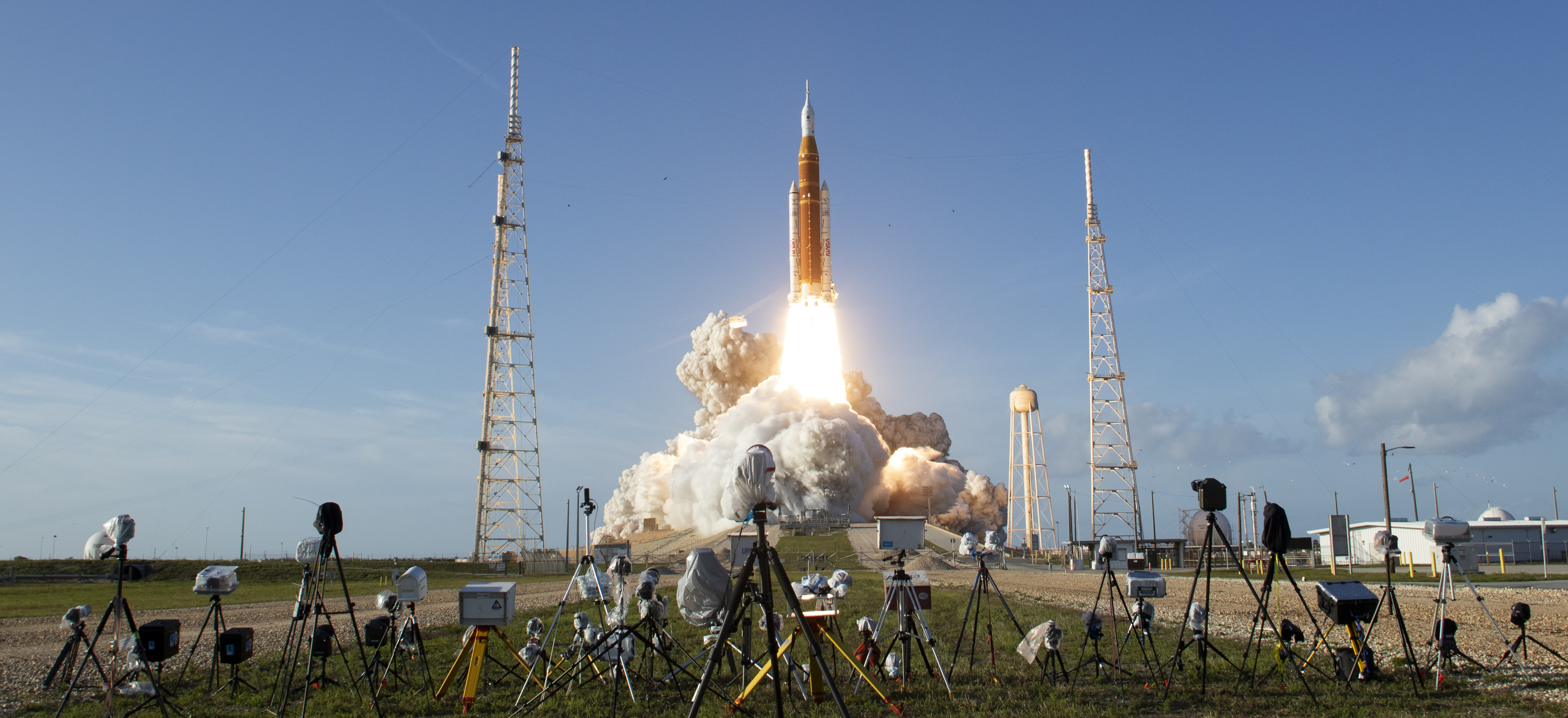
3 days agoThe journey of Artemis 2 to the far side of the Moon: The challenge of exploring what no one has ever seen
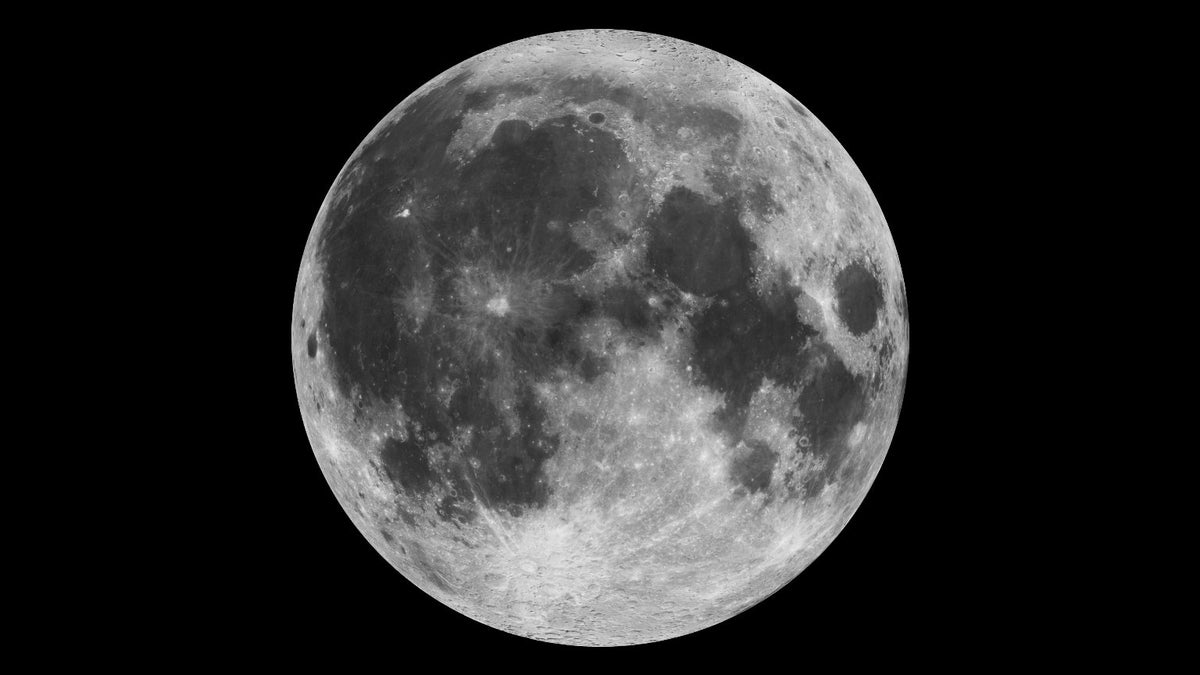
Only 24 people have seen the far side of the Moon with their own eyes in the entire history of humanity. All of them were men, Americans, and white: the crew members of the nine Apollo missions that traveled to the Moon between 1968 and 1972.
Science
OMG science
fromwww.theguardian.com
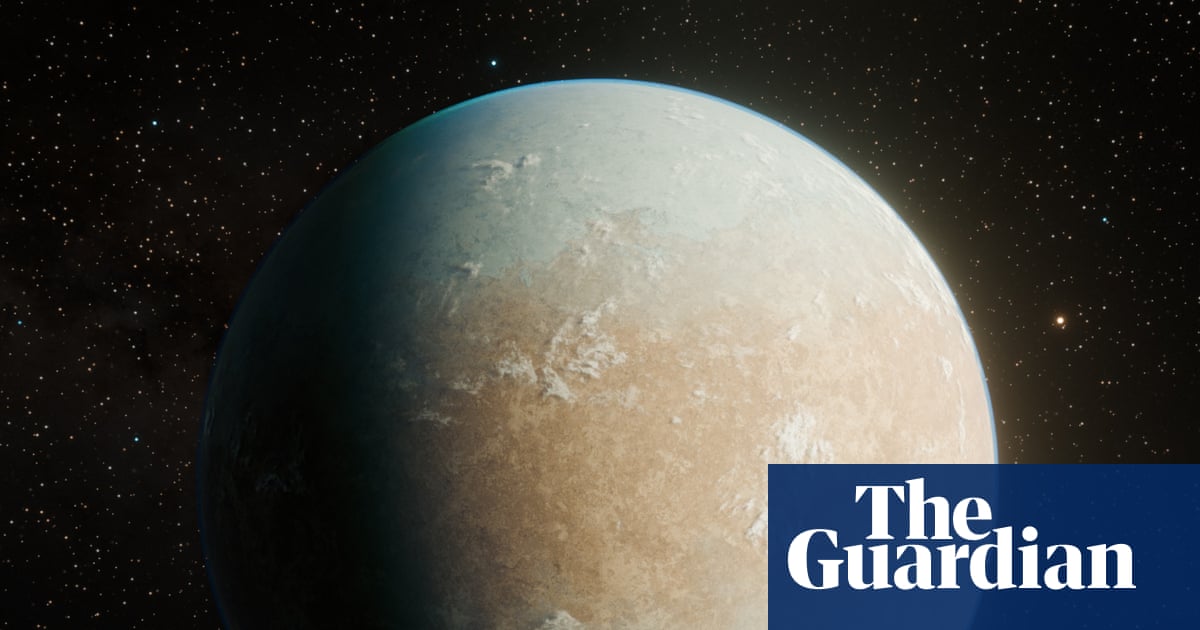
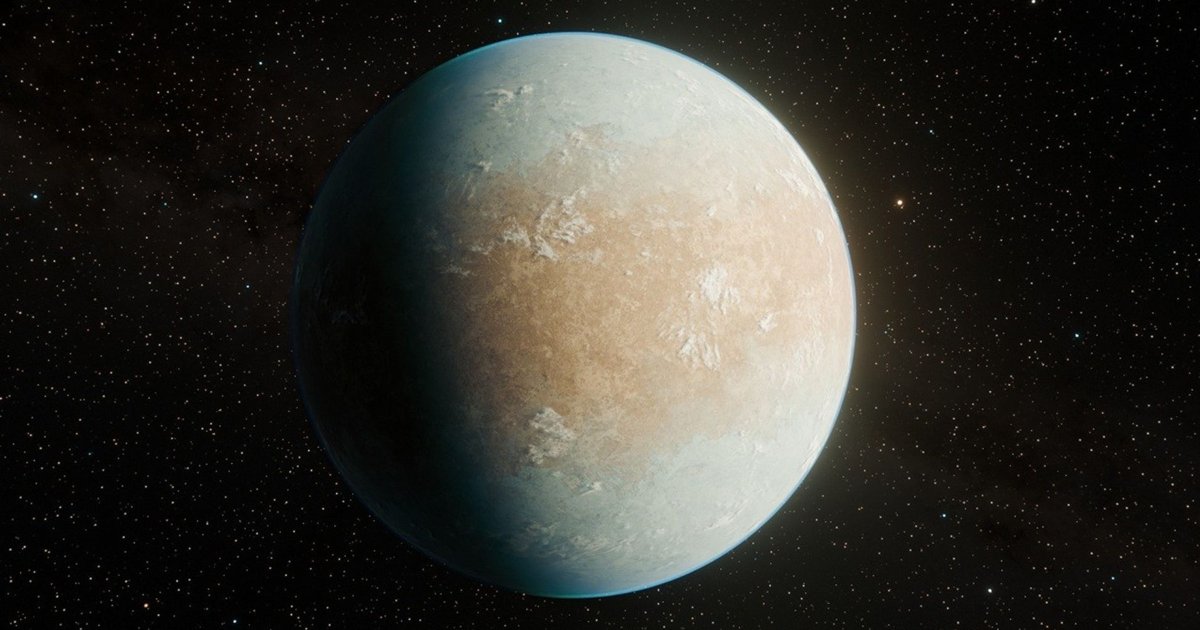
2 weeks agoA molten, mushy state': scientists may have found a new type of liquid planet
Astronomers discovered L98-59d, a molten lava planet 35 light years away that represents an entirely new category of liquid planet with surface temperatures of 1,900°C and a hydrogen sulfide atmosphere.
fromPsychology Today
2 months agoDo Aliens from Other Planets Also Believe in Gods?
My prediction is based on only two assumptions. First, our visitors from space can die; they are not immortal. Second, they care about each other. When one of their own dies, they mourn them, just as humans do. These assumptions, I think, will have led these aliens to invent gods and a belief in the afterlife. Belief in the afterlife, where we defeat death and are reunited with loved ones who have died, is the basis of all past and current religions.
Philosophy
fromwww.theguardian.com
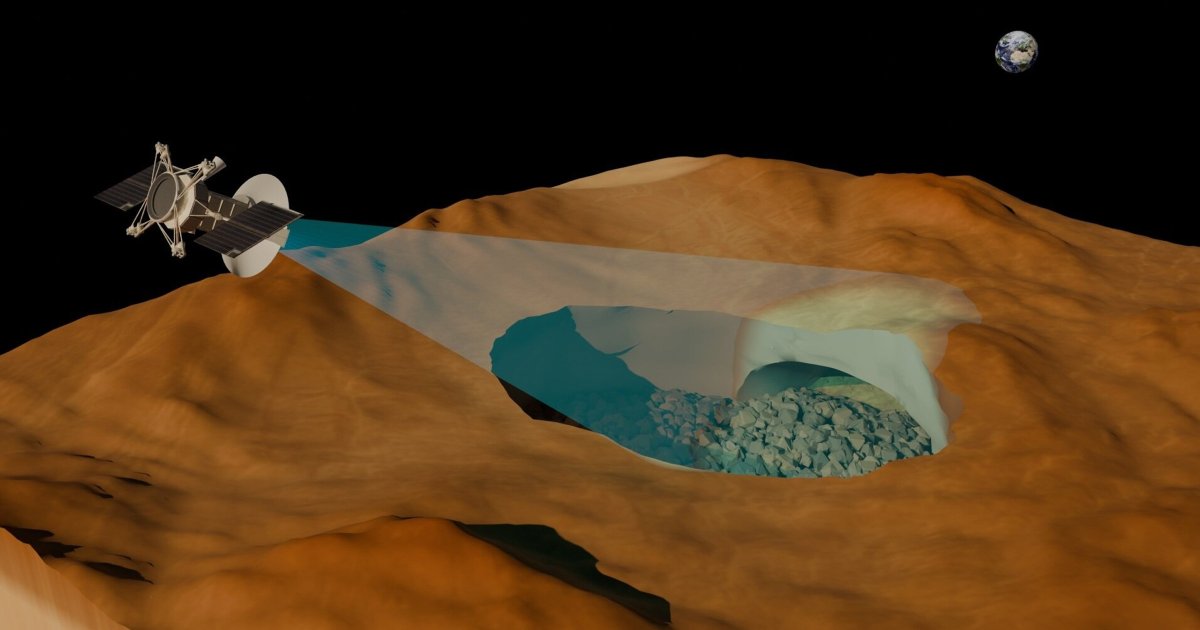
3 days agoLunar prospectors: the businesses looking to mine the moon
In the silent vacuum of space, five autonomous robots churn through the lunar surface, digging up a loose layer of rock and dust and leaving rows of uniform tracks in their wake. Stopping only to recharge at a central solar power station, the car-sized machines process the lunar dirt internally to extract a type of helium so rare on Earth that a palm-sized container is estimated to be worth millions.
Science
OMG science
fromFuturism
4 weeks agoScientists Find Microbes Can Survive Traveling from Planet to Planet While Clinging to Asteroids
Extremophile bacteria can survive extreme pressures simulating asteroid impacts, supporting the possibility that microorganisms could travel between planets via panspermia.
OMG science
fromwww.scientificamerican.com
4 weeks agoBlast off! Martian microbes might travel between worlds on asteroid-impact debris
Deinococcus radiodurans, an extremophile bacterium, can survive extreme pressures from asteroid impacts on Mars, suggesting potential for microbial life dispersal across the solar system.
fromMail Online
2 weeks agoHumanity receives mysterious 'mega-laser' signal from unknown source
This system is truly extraordinary. We are seeing the radio equivalent of a laser halfway across the universe. This galaxy acts as a lens, the way a water droplet on a window pane would, because its mass curves the local space-time. So we have a radio laser passing through a cosmic telescope before being detected by the powerful MeerKAT radio telescope.
Science
fromTheregister
3 weeks agoSETI admits its search for ET may be too narrowly focussed
If a signal gets broadened by its own star's environment, it can slip below our detection thresholds, even if it's there, potentially helping explain some of the radio silence we've seen in technosignature searches. This statement from Dr. Vishal Gajjar highlights how stellar environmental factors may cause detectable signals to become invisible to current SETI instruments.
Science
fromMail Online
1 month agoAliens could be CATAPULTED onto Earth via an asteroid, study claims
We found that life is more likely to survive an asteroid impact, so it's definitely still a real possibility that life on Earth could have come from Mars. Maybe we're Martians! The idea that life could have spread through the solar system or even the universe on rocks is known as the lithopanspermia hypothesis.
Science
fromwww.scientificamerican.com
1 month agoCould aliens in another galaxy see dinosaurs on Earth?
For example, reader David Erickson had this on his mind: If there were aliens 66 million light-years from Earth, how big a telescope would they need to see dinosaurs? Ha! I love this question. I've thought of it myself but never worked out the mathexcept to think, Probably pretty big, which turns out to dramatically underestimate the actual answer.
Science
fromFuturism
2 months agoScientists Intrigued by Unfamiliar Life Form
It's a plant! It's a fungus! It's... an entirely new type of lifeform hitherto unknown to science? That appears to be the case for a puzzling, spire-shaped organism that lived over 400 million years ago, according to a new study published in the journal Science Advances. After analyzing its internal structures, the authors argue that the mystifying ancient beings known as prototaxites don't belong to any of the existing biological kingdoms.
Science

Science
fromenglish.elpais.com
1 month agoChristophe Galfard, physicist: I think there is more life in space than we think'
Human imagination and discoveries make the universe's vastness comprehensible, while science indicates the observable universe has a history and a beginning beyond current instruments.
fromTheregister
2 months agoVery tough microbes may help us cement our future on Mars
A global research team has analyzed the prospects for biomineralization on Mars, a process in which bacteria, fungi, and microalgae can create minerals as part of their metabolism, offering a byproduct that could be useful to prospective Martian explorers by providing the raw materials needed to produce aggregates such as concrete. With an extremely thin and mostly carbon dioxide atmosphere, air pressure less than 1 percent of Earth's,
Science
fromBig Think
2 months agoAerial aliens: Why cloudy worlds might make detecting life easier
I think the first thing to remember is: We are right at the beginning of this adventure. There's so much excitement that every little signal - every "wiggle" in a spectrum - gets people saying, "Oh! That might be life!" And then, on the other side, other people respond with, "I don't see enough wiggles, so there's probably not even an atmosphere. Dead planet. Move on." Both reactions are too fast.
Science
Science
fromFuturism
1 month agoIf Scientists Ever Find Strong Evidence of Alien Life, Communicating It Will Pose Serious Issues
Communicating a confirmed detection of extraterrestrial life will be extremely difficult due to ambiguous data, cultural preconceptions, moral and religious implications, and public fear.
[ Load more ]