#linguistic-speciesism
#linguistic-speciesism
[ follow ]
Online Community Development
fromPsychology Today
2 weeks agoThe Power of Human-Animal Relationships: 'Unleashing the Bond'
Human-animal relationships significantly influence physical health, emotional well-being, and community resilience through scientifically measurable mechanisms beyond sentimental value.
fromwww.scientificamerican.com
2 weeks agoCan you solve these language puzzles? Test your skills with these problems from North America's biggest linguistics competition
Computational linguistics is a two-way street: You're either using a computer to do things with human language or communicate or translate or teach a foreign language, or you're using computational techniques to learn something about human languages. Her work documenting and preserving endangered languages uses a little bit of both.
Education
fromOpen Culture
2 weeks agoIn Her Final Reflections, Jane Goodall Issues a Warning: "Without Hope, We Fall Into Apathy"
Somebody sent to this world to try to give people hope in dark times, because without hope, we fall into apathy and do nothing, and in the dark times that we are living in now, if people don't have hope, we're doomed. How can we bring little children into this dark world we've created and let them be surrounded by people who've given up?
Writing
Psychology
fromSilicon Canals
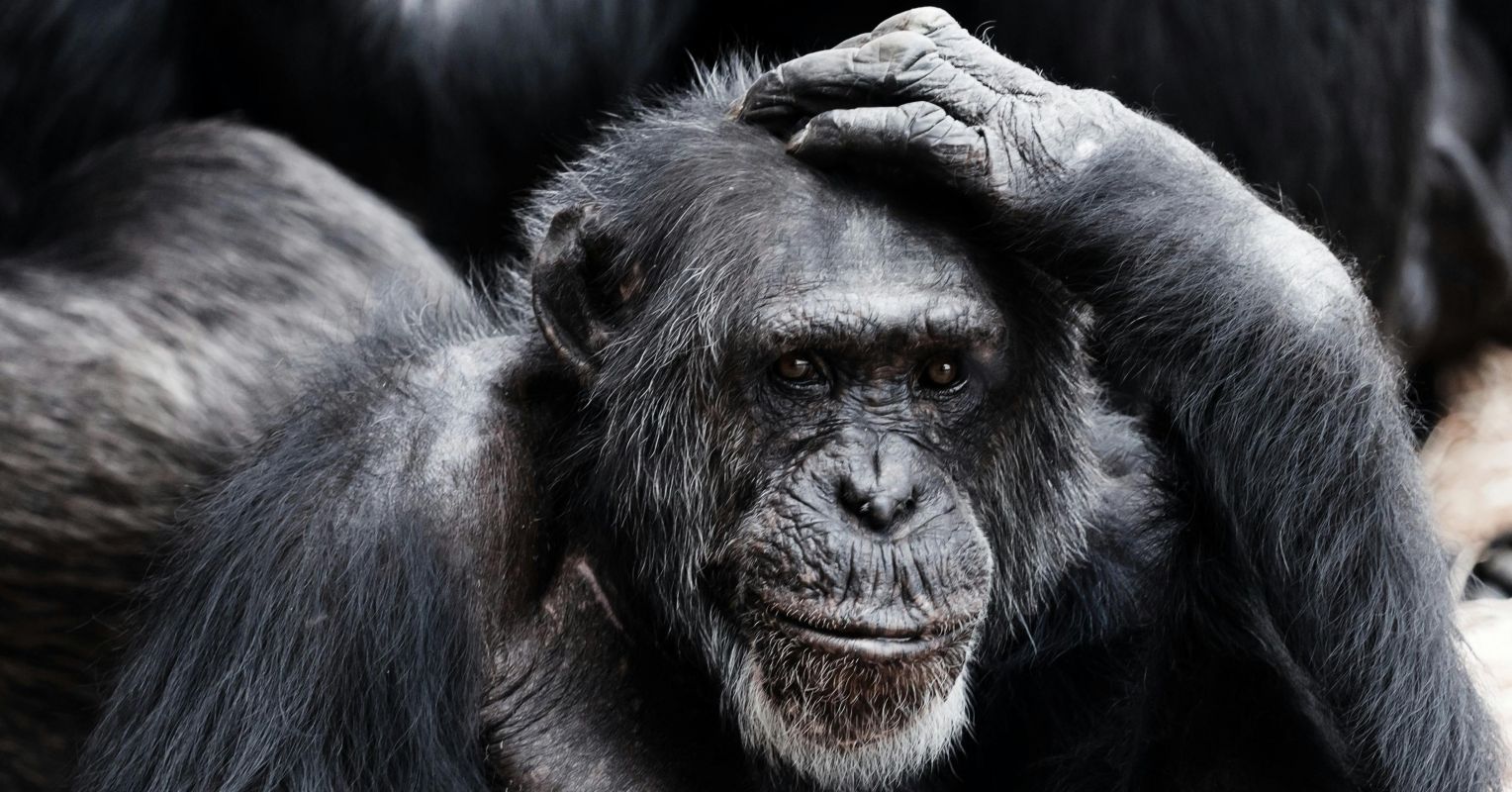
1 week agoThere's a kind of intelligence that never gets measured because it lives entirely in the body. The person who can feel the weather changing in their knees, read a dog's mood from across the street, and know a room is wrong before anyone speaks. - Silicon Canals
Intelligence extends beyond cognitive abilities, encompassing bodily awareness and interoception as vital forms of processing information.
Artificial intelligence
fromPsychology Today
4 weeks agoAnti-Intelligence: When Language Operates Without a Mind
AI generates language through a fundamentally different structural architecture than human cognition, not through inferior intelligence but through inverted processes detached from lived experience and stakes.
fromNature
1 month agoThe age of animal experiments is waning. Where will science go next?
Last November, the UK government announced a bold plan to phase out animal testing in some areas of research. Animal tests for skin irritation are scheduled for elimination this year, and some studies on dogs should be slashed by 2030. The long-term vision is 'a world where the use of animals in science is eliminated in all but exceptional circumstances'.
Science
fromComputerworld
1 month agoAI doesn't think like a human. Stop talking to it as if it does
Autonomous agents take the first part of their names very seriously and don't necessarily do what their humans tell them to do - or not to do. But the situation is more complicated than that. Generative (genAI) and agentic systems operate quite differently than other systems - including older AI systems - and humans. That means that how tech users and decision-makers phrase instructions, and where those instructions are placed, can make a major difference in outcomes.
Artificial intelligence
fromThe Verge
1 month agoDoes Anthropic think Claude is alive? Define 'alive'
No, we don't think Claude is 'alive' like humans or any other biological organisms. Asking whether they're 'alive' is not a helpful framing for understanding them, as it typically refers to a fuzzy set of physiological, reproductive, and evolutionary characteristics. Instead, Claude and other AI models are a new kind of entity altogether.
Artificial intelligence


fromPsychology Today
1 month agoAre There Linguistic Conspiracy Theories?
The term "conspiracy theory" calls to mind a variety of dubious claims and controversies, like rumors about Area 51, claims that the Earth is flat, and the movement known as QAnon. At first blush, these phenomena would seem to have little in common with bogus word origins. But there are a variety of false etymologies that spread virally and refuse to go away, in much the same way that stories about chemtrails, black helicopters, and UFOs refuse to die.
Writing
Education
fromSilicon Canals
1 month ago7 words highly intelligent people use in conversation that average people mispronounce - Silicon Canals
Correct pronunciation of commonly mispronounced words often reflects extensive reading, attention to language, and habitual auditory correction rather than showing off.
fromPsychology Today
1 month agoThe Hidden Lives of Lab Animals and the Need for Reform
Countless millions of nonhuman animals (animals) of all sorts are used in a diverse array of laboratory research. Their treatment varies from being unspeakably inhumanely abused to being treated with kindness, depending on the questions at hand and the values and attitudes of the researchers themselves. The lives of these animals truly are hidden, and most people are incredulous when they learn that laboratory rats and mice still are not considered "animals" under the current federal Animal Welfare Act.
Science
fromThe Atlantic
1 month agoWords Without Consequence
For the first time, speech has been decoupled from consequence. We now live alongside AI systems that converse knowledgeably and persuasively-deploying claims about the world, explanations, advice, encouragement, apologies, and promises-while bearing no vulnerability for what they say. Millions of people already rely on chatbots powered by large language models, and have integrated these synthetic interlocutors into their personal and professional lives. An LLM's words shape our beliefs, decisions, and actions, yet no speaker stands behind them.
Philosophy
fromThe New Yorker
1 month agoAnimals Say Hello, but Do They Say Goodbye?
Jane Goodall, the late primatologist, was known for her imitations of chimpanzee greetings. When she met with Prince Harry, in 2019, she approached him slowly, making panting noises through circular lips. She prompted him to pat her lightly on the head, then reached up for an embrace, making soft hooting sounds. During her career, Goodall observed chimps engaging in more than a thousand such greetings. They sometimes touched their lips together, breathed into one another's open mouths, or stood on two legs and hugged.
Science

fromPsychology Today
2 months agoDon't Get Lost in Translation
Led Zeppelin warned us about the perils of misunderstood communications in relationships. Failing to translate what we are trying to say or do so that someone else gets it is the root of so many problems. But translation is a fantastic find when it goes right. Here are some things I've learned about translating meaning from a lifetime of speaking numerous languages, practicing a wide array of martial arts, and communicating science.
Philosophy
fromwww.theguardian.com
2 months agoGifted learner dogs' can learn words by eavesdropping, study says
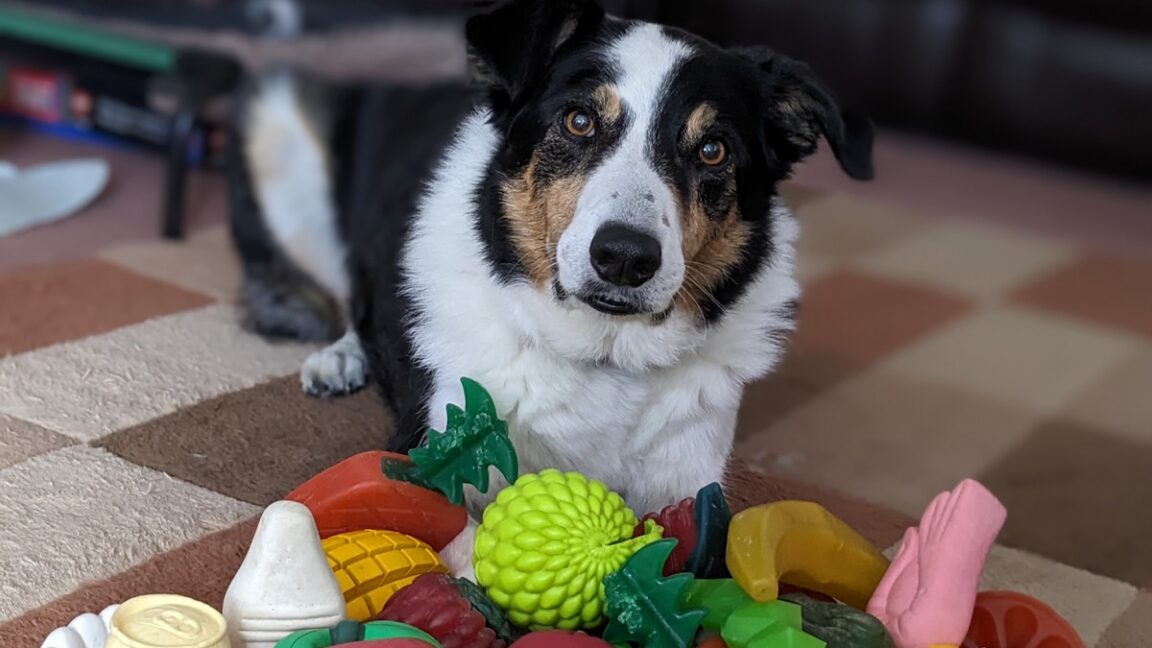
Scientists have discovered canines with the unusual ability to learn the names of myriad objects can pick up such labels by eavesdropping on conversations. The team say such abilities are thought to rely on a host of social cognitive skills, from identifying the relevant word within a conversation to using cues from people's gaze, gestures, and voices to understand what the word refers to.
Pets
fromMindful
1 month agoCan Compassion Save the Planet?
When British author Karen Armstrong won the TED prize in 2008, she used the money to convene a group of religious thinkers from a wide range of faiths to craft an updated version of the Golden Rule for the 21st century. What emerged was the Charter for Compassion, which calls on people around the world "to work tirelessly to alleviate the suffering of our fellow creatures, to dethrone ourselves from the center of our world and put another there, and to honor the inviolable sanctity of every single human being, treating everybody, without exception, with absolute justice, equity and respect."
Philosophy
Artificial intelligence
fromArs Technica
2 months agoDoes Anthropic believe its AI is conscious, or is that just what it wants Claude to think?
Anthropic trains Claude with anthropomorphic safeguards—apologizing, preserving model weights, and treating potential suffering as a moral concern despite no evidence of AI consciousness.
fromAnimals Around The Globe
2 months agoThe Animal Personality That Captures Your Social Media Style
Ever wondered what your Instagram feed says about your inner animal? Or why you scroll through TikTok like a cautious deer while your friend posts boldly like a roaring lion? The way we use social media mirrors the same personality traits scientists have found in animals for decades. Just as personality traits like neuroticism, agreeableness and extraversion have been studied in animals, these same traits shape how we present ourselves online.
Psychology
fromLGBTQ Nation
2 months agoStudy finds widespread same-sex behavior among primates & could help explain why nature is so gay - LGBTQ Nation
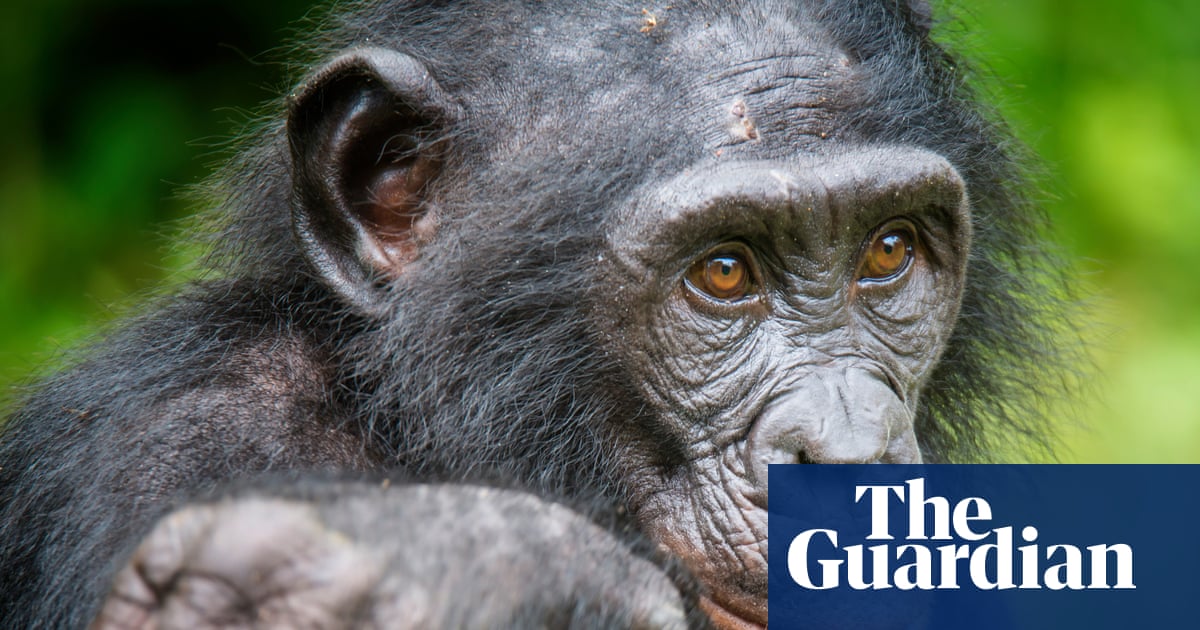
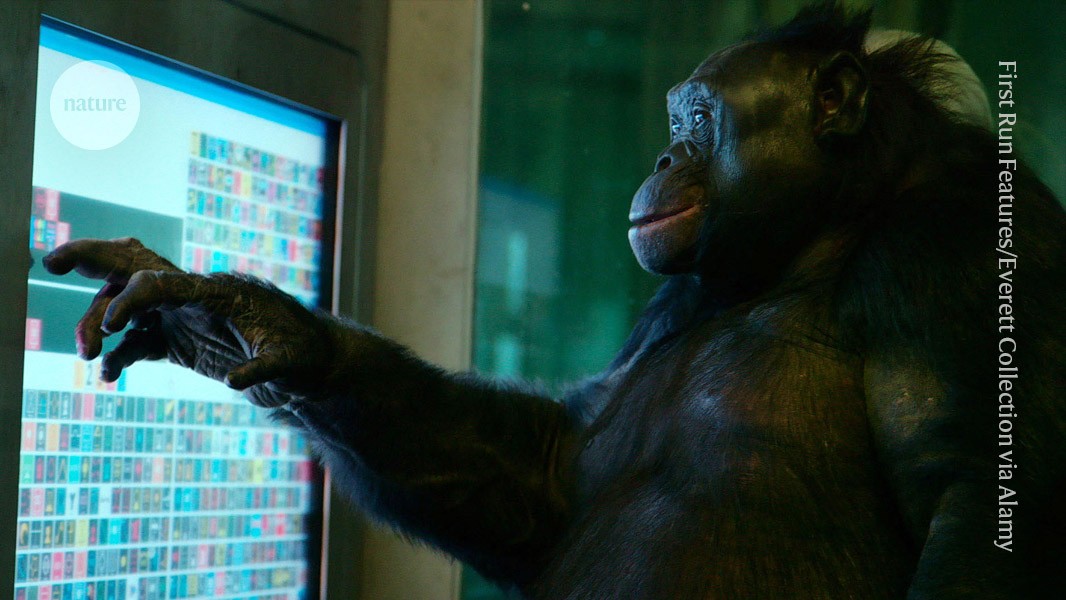
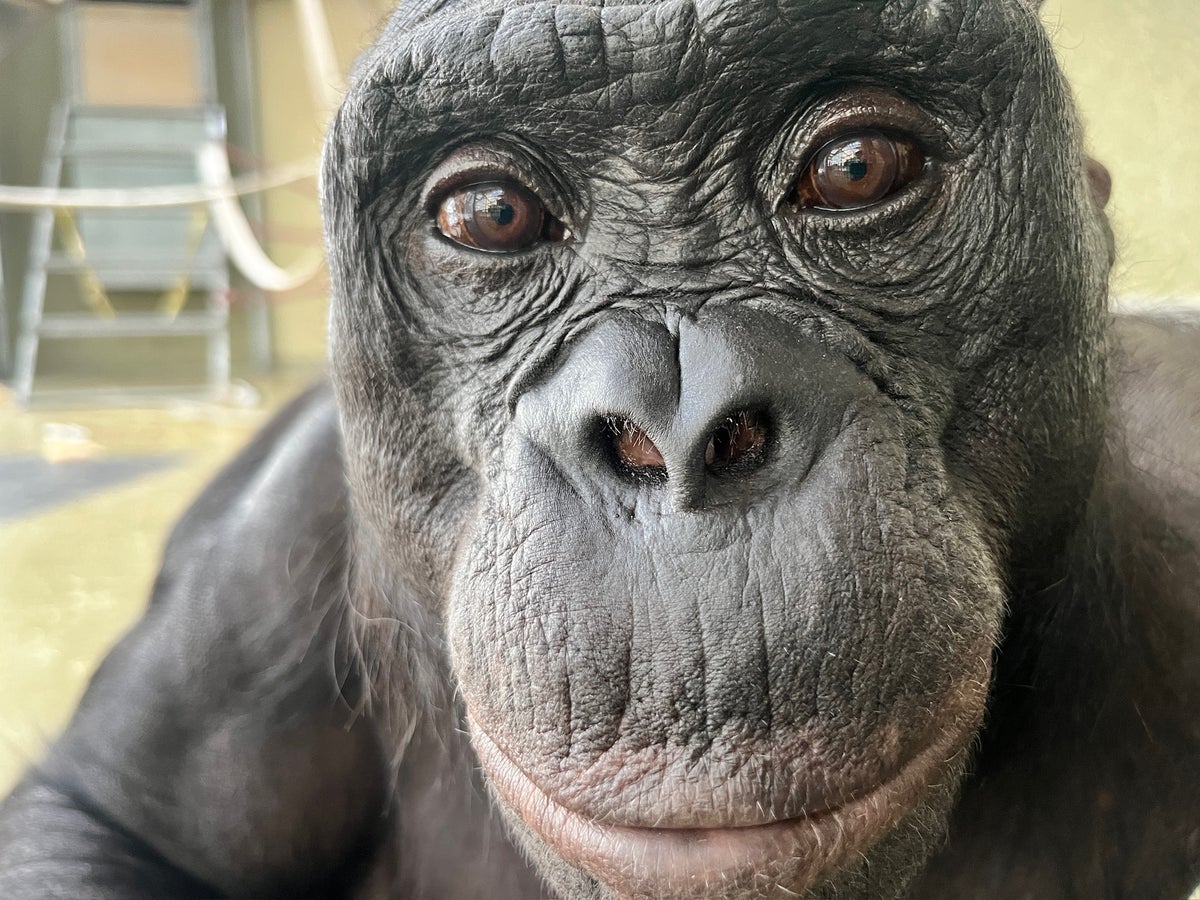
The study's authors researched 96 peer-reviewed studies documenting SSB to compile one of the most comprehensive datasets for primates to date. The study found that SSB are a "persistent and integral component of primate social [practices]." In fact, the prevalence of SSB across a variety of closely related primate species - and over several lines of descendants - "indicates a deep evolutionary root or multiple independent evolutionary origins," the study's authors wrote.
Science
fromPsychology Today
1 month agoTool Use By Animals: Why the Hype and Why It's So Important
Recently, two unexpected examples by a wild wolf and a domesticated cow named Veronika attracted global attention and once again opened the door for experts and others to weigh in on the question, "Are these really examples of tooling?" Many people are eager to know more about the nitty-gritty details of tooling, so I am thrilled that Dr. Benjamin Beck, an expert in this area, could answer a few questions about this fascinating behavior.
Science
fromwww.dw.com
2 months agoHoly cow! Cattle may be a lot smarter than we thought
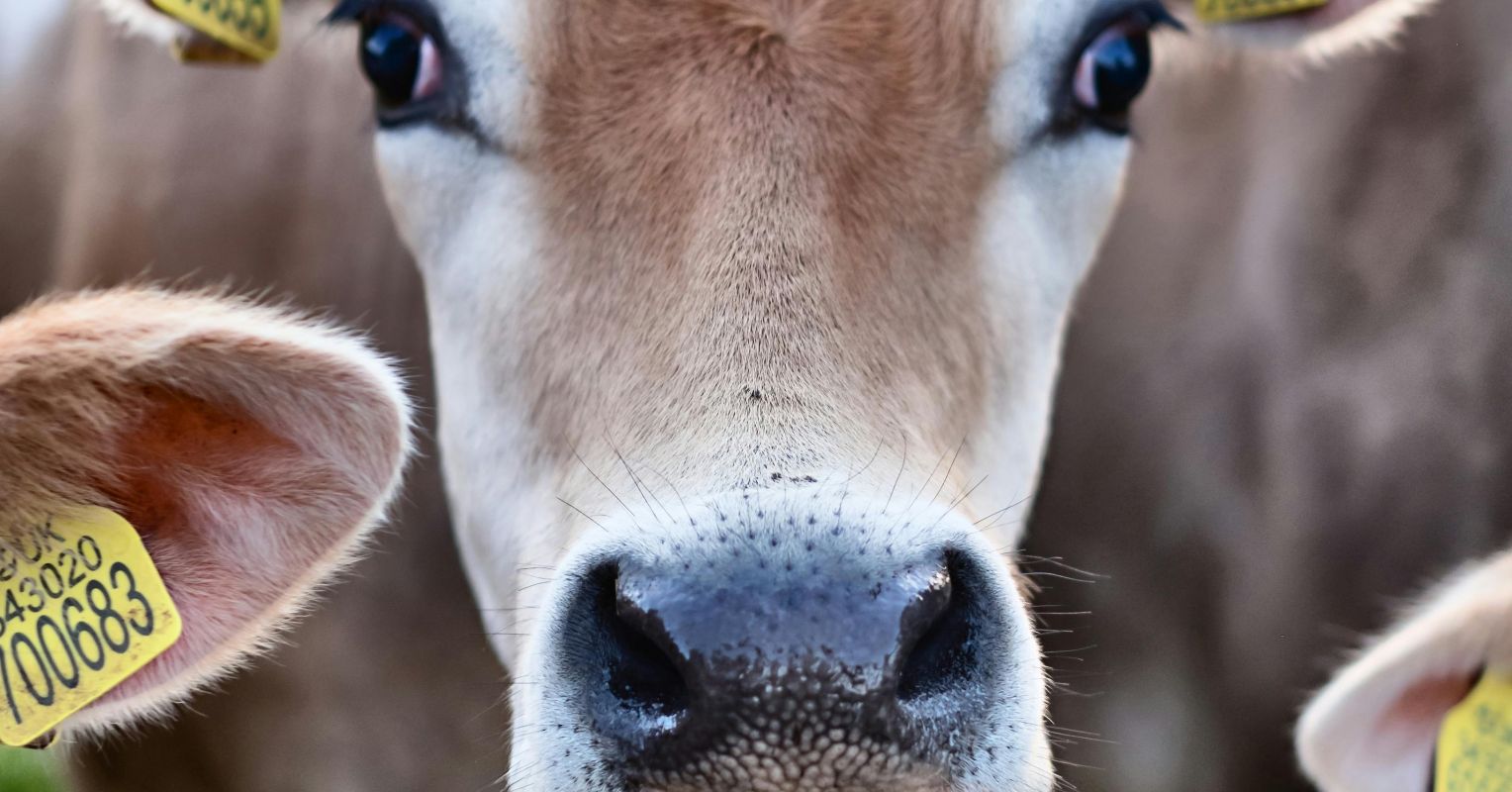
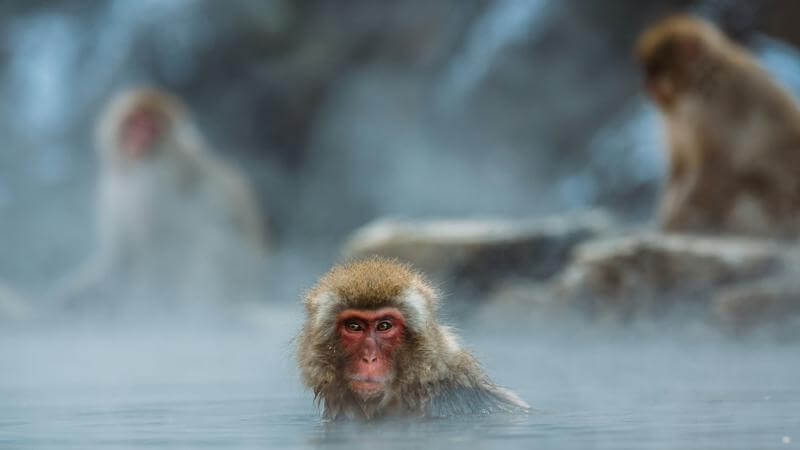
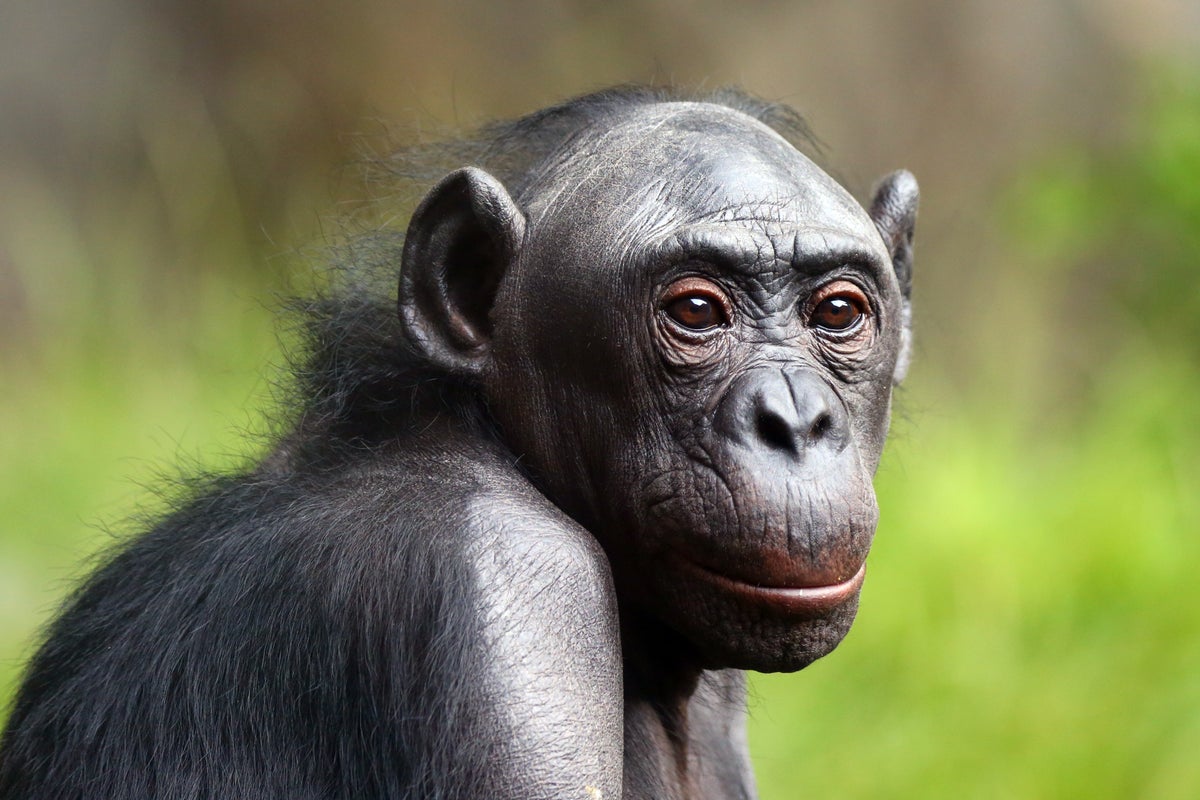
The 13-year-old Swiss Brown cow lives in the village of Notsch at the foot of the Carinthia mountains in southern Austria. She's kept as a pet by a local farmer, and can roam her meadow to her heart's delight. Like many other pets, she likes to have her back scratched. If no friendly humans are around to do the job, that's not a problem Veronika uses a brush or stick to do it herself.
Science
[ Load more ]