#liquid-oxygen-leak
#liquid-oxygen-leak
[ follow ]
#nasa #artemis-ii #international-space-station #medical-evacuation #crew-11 #space-exploration #space-debris






Los Angeles
fromLos Angeles Times
1 month agoUnited Airlines flight returns to LAX after engine fire reports force emergency landing
A United Airlines Boeing 787-9 with 256 passengers and 12 crew members made an emergency landing at LAX after an engine fire was reported shortly after takeoff, with all occupants evacuated safely and no injuries.
fromArs Technica
1 month agoStudy shows how rocket launches pollute the atmosphere
In a high-growth scenario for the space industry, there could be as many as 2,000 launches per year, which her modeling shows could result in about 3 percent ozone loss, equal to the atmospheric impacts of a bad wildfire season in Australia. She said most of the damage comes from chlorine-rich solid rocket fuels and black carbon in the plumes. The black carbon could also warm parts of the stratosphere by about half-a-degree Celsius as it absorbs sunlight.
Environment








from24/7 Wall St.
1 month agoThe Space Infrastructure Builder Stumbles While the Launch Provider Burns Through Cash Faster
Redwire focuses on space infrastructure and autonomous systems. The company completed its Edge Autonomy acquisition and reported 50.7% year-over-year revenue growth. Management maintained full-year guidance of $320 to $340 million, and the book-to-bill ratio of 1.25 suggests demand is holding. But the business is bleeding cash with a net loss of $41.2 million in Q3, nearly double the $21 million loss from the prior year. Gross margin sits at just 16.3%, leaving almost no room for error.
Startup companies
fromdesignboom | architecture & design magazine
2 months agoaerogel-covered drone flies inside burning buildings to help firefighters in rescue missions
FireDrone is an aerogel-covered that can help firefighters in rescue missions by surveying for victims inside burning buildings. The assistive device aims to be the 'flying eye' in extreme environments so humans can be sure of who are and what is inside a site before going in. The FireDrone flying machine resembles a small quadcopter with its four arms and spinning propellers, but unlike regular drones, the parts of the device are built to survive high temperatures.
Gadgets
Science
fromTheregister
3 weeks agoNASA watchdog pokes holes in Artermis lunar lander program
NASA's lunar Human Landing System contracts with SpaceX and Blue Origin present significant operational risks, including Starship's extreme height, potential tipping hazards, and elevator dependency for crew egress.
Science
fromwww.scientificamerican.com
3 weeks agoNASA space probe expected to reenter the atmosphere with a chance of raining debris
NASA's Van Allen Probe A is reentering Earth's atmosphere with a one-in-4,200 risk of debris harm to people, expected around 7:45 P.M. EDT with a 24-hour uncertainty window.
Environment
fromwww.scientificamerican.com
2 months agoEPA rule sparks air quality concerns, cancer survival breaks record, NASA carries out first-ever ISS medical evacuation
The EPA's new rule changes how certain air-pollutant health impacts are counted, likely increasing pollution and worsening public health outcomes.
fromTheregister
1 month agoNASA safety watchdog says it's time to rethink Moon landing
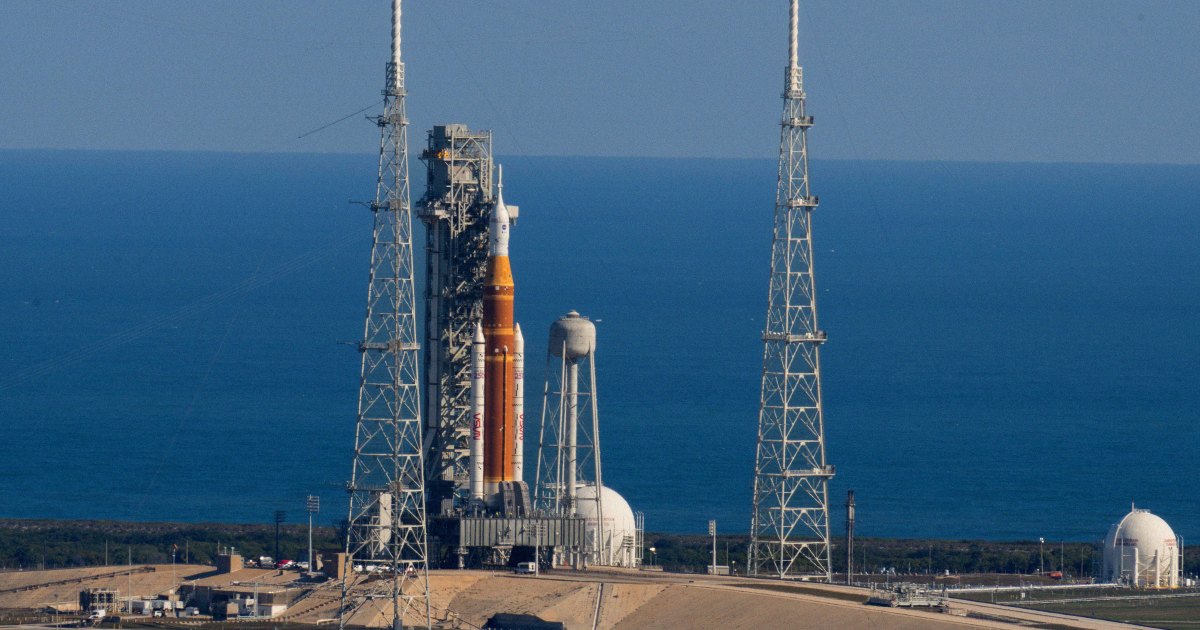
Artemis III aims to land astronauts near the lunar South Pole, relying on SpaceX's Starship-derived Human Landing System (HLS) - a vehicle that has yet to achieve orbit, let alone venture anywhere near the Moon. It's an extraordinarily ambitious undertaking, and one the ASAP report has formally classified as high risk.
Science

Science
fromwww.scientificamerican.com
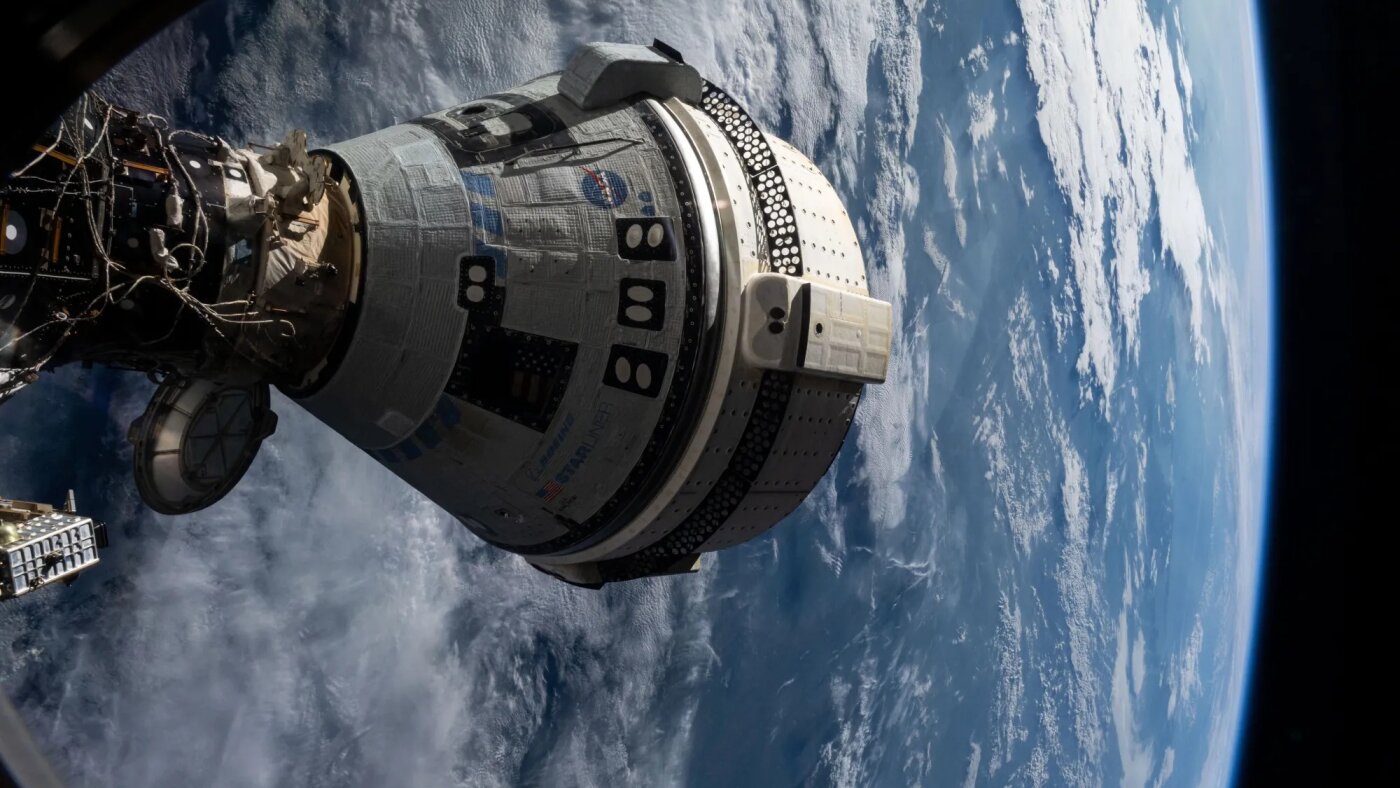
1 month agoNASA declares Boeing's botched Starliner flight a mishap on par with deadly space shuttle disasters
NASA decision-making and leadership failures contributed to the months-long stranding of two astronauts and created a culture incompatible with safe human spaceflight.









Science
fromArs Technica
1 month agoULA's Vulcan rocket suffers another booster problem on the way to orbit
Northrop Grumman-built GEM 63XL solid boosters suffered manufacturing-related nozzle insulator failures that reduced thrust, yet Vulcan successfully placed military satellites into geosynchronous orbit.
fromFuturism
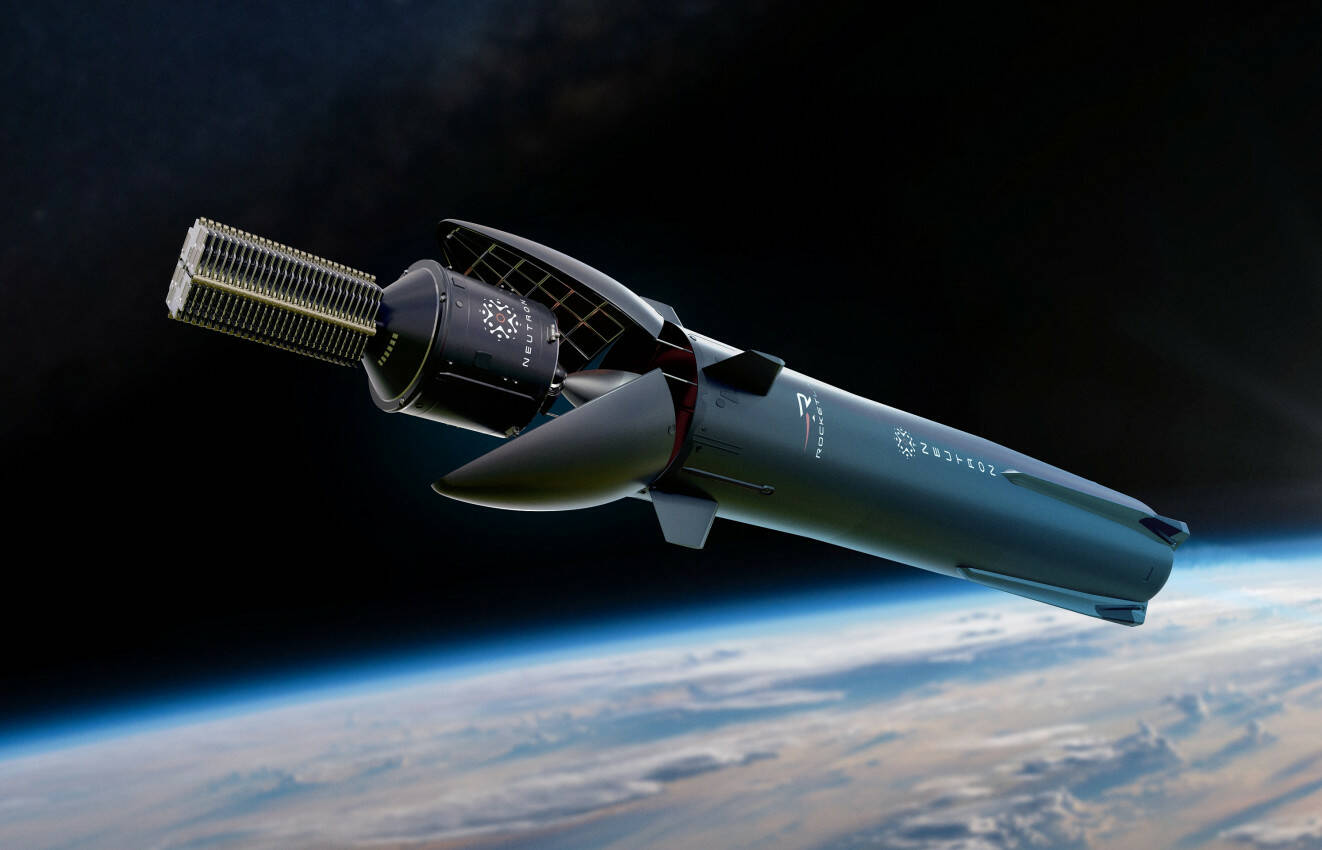
1 month agoSpaceX Veteran Says He's Figured Out How to Make Rocket Fuel From Water
The company is planning to launch a 1,100-pound satellite on a Falcon 9 rocket in October as part of an audacious proof of concept. The goal is to test water as the fuel for both electrical and chemical propulsion, processes that involve shooting out a stream of plasma with the use of a magnetic field and burning fuel at high temperature and pressure to generate thrust, respectively.
Science
fromwww.scientificamerican.com
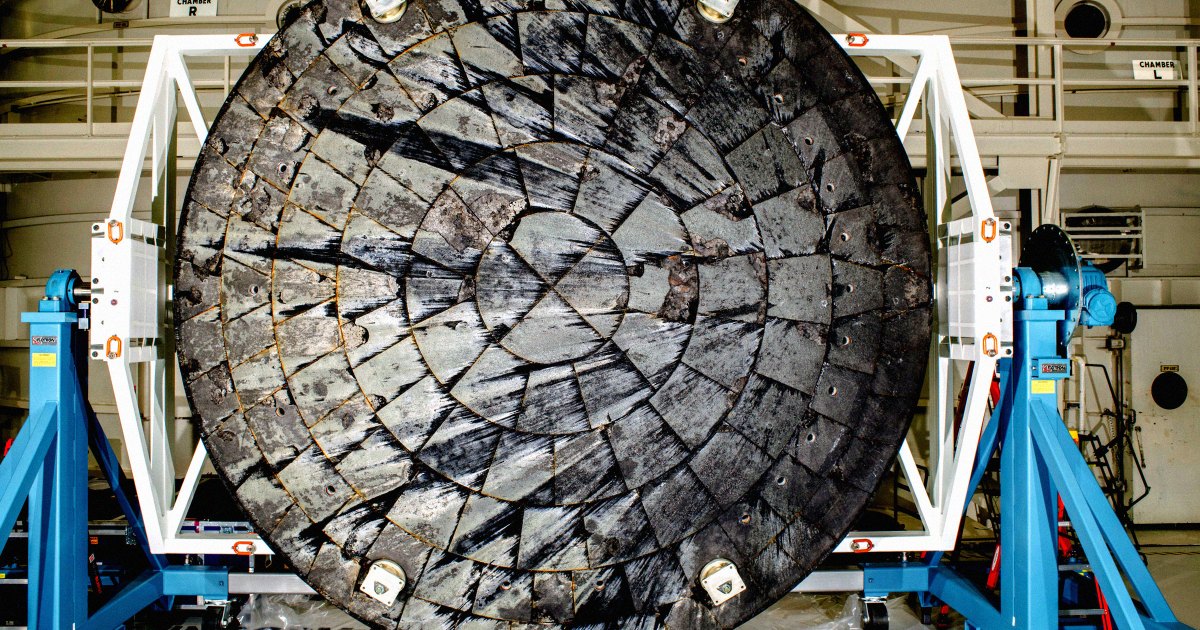
1 month agoNASA's Artemis II moon mission engulfed by debate over its controversial heat shield
Heat shields are crucial: when spacecraft reenter Earth's atmosphere, they heat up, burning through the sky like a shooting star. Without a protective layer, any living thing inside a returning spacecraft would be exposed to temperatures about half as hot as the surface of the sun, or 5,000 degrees Fahrenheit (2,760 degrees Celsius). In Orion's case, the heat shield is made of Avcoatthe same material that protected the Apollo capsules, with a key structural difference.
Science
fromFast Company
2 months agoNASA astronauts return to Earth early after a medical evacuation
An ailing astronaut returned to Earth with three others on Thursday, ending their space station mission more than a month early in NASA's first medical evacuation. SpaceX guided the capsule to a middle-of-the-night splashdown in the Pacific near San Diego, less than 11 hours after the astronauts exited the International Space Station. Their first stop was a hospital for an overnight stay.
Science
[ Load more ]