#local-government-debt
#local-government-debt
[ follow ]
#new-york-city #budget-deficit #municipal-finance #city-council #fiscal-policy #tax-policy #new-york-city-budget
Retirement
fromLondon Business News | Londonlovesbusiness.com
6 days agoEvery time you borrow from a bank, you're paying more than you think - London Business News | Londonlovesbusiness.com
Opportunity cost in loans includes lost potential earnings from repayment dollars, not just the interest rate paid.


fromFortune
2 weeks ago300 years of wars show they are 'always disaster times' for holders of government debt because of inflation and financial repression | Fortune
"The historical evidence reveals a striking pattern: government bonds have repeatedly generated substantial real losses during these extreme episodes. They have even underperformed equities and real estates which are traditionally regarded as risky assets."
World politics
fromwww.housingwire.com
3 weeks agoHow Public Financing Wins Projects Before You Build
Through Community Facilities Districts (CFD), Municipal Utility Districts (MUD), Public Improvement Districts (PID), Community Development Districts (CDD) and reimbursement districts (RD), builders can potentially shift infrastructure costs off their balance sheets and onto special districts that homebuyers ultimately absorb through property taxes without potentially adding debt to the builder's books.
LA real estate
fromInvestigative Post
6 days agoInvestigative Post event on reforming Buffalo and NY government.
John Kaehny has written and successfully lobbied for the passage of state and New York City laws related to government transparency and accountability, including the first open data law in the world in 2012.
NYC politics
fromwww.amny.com
1 week agoMamdani fires back at Menin over City Council's budget response, charges it ignores bigger financial problems | amNewYork
Mamdani stated that the City Council's budget strategy effectively ensures this structural deficit will continue indefinitely, impacting vital city services and failing to solve deep financial problems.
New York City
#municipal-budget-crisis
Fundraising
fromGothamist
3 weeks agoJersey City says it desperately needs $150M in state aid. That would obliterate records.
Jersey City seeks record $150 million state aid to address a $255 million budget deficit, equivalent to 28% of its annual budget, while the new mayor implements cost-cutting measures and warns of inevitable tax increases.

Fundraising
fromGothamist
3 weeks agoJersey City says it desperately needs $150M in state aid. That would obliterate records.
Jersey City seeks record $150 million state aid to address a $255 million budget deficit, equivalent to 28% of its annual budget, while the new mayor implements cost-cutting measures and warns of inevitable tax increases.
fromwww.bbc.com
2 weeks agoCampaigners celebrate after new town plans dropped
Campaigner Aysha Hawcutt stated that residents were 'not anti-homes', but believed the Adlington plan was 'the wrong proposal in the wrong place'. She expressed pride in the community's resilience against the development threats.
London politics
Europe news
fromFortune
3 weeks agoU.S. debt is like a Hallmark movie boyfriend who eventually gets dumped for a small town firefighter, budget watchdog warns | Fortune
U.S. debt remains attractive to investors due to lack of better alternatives, but this may change as debt grows and other options emerge.
US politics
fromFortune
3 weeks agoThe national debt isn't $39 trillion. One economist says it's actually $100 trillion | Fortune
The U.S. true fiscal obligation reaches approximately $100 trillion when including implicit pay-as-you-go commitments, nearly triple the reported $39 trillion national debt.
Business
fromFortune
3 weeks agoU.S. debt is competing with a record supply of corporate bonds, which is pushing up the cost of federal borrowing just as war spending piles up | Fortune
Record corporate bond issuance driven by AI capital expenditure and geopolitical factors is increasing Treasury yields and raising borrowing costs for the federal government.
#municipal-budget


Mission District
fromSan Jose Spotlight
3 weeks agoSan Jose mayor issues budget plan amid projected shortfall - San Jose Spotlight
San Jose faces a $56 million budget deficit and Mayor Mahan prioritizes maintaining services in homelessness, public safety, housing, and economic growth while seeking cost efficiencies before implementing cuts.
Business
fromFortune
3 weeks agoA 'debt spiral,' before a fiscal crisis: interest on the national debt will be growing faster than GDP in just 5 years, think tank warns | Fortune
By 2031, U.S. federal debt interest rates will exceed economic growth rates, triggering a self-reinforcing debt spiral where deficits cause debt to grow indefinitely.
#budget-crisis
California
fromThe Mercury News
1 month agoStaff vacancies to remain in place to help balance Walnut Creek budget
Walnut Creek will maintain elevated staff vacancies through fiscal year 2027 to address a $2 million budget shortfall caused by reduced auto sales tax revenue from a California reporting change.

California
fromThe Mercury News
1 month agoStaff vacancies to remain in place to help balance Walnut Creek budget
Walnut Creek will maintain elevated staff vacancies through fiscal year 2027 to address a $2 million budget shortfall caused by reduced auto sales tax revenue from a California reporting change.


NYC politics
fromReason.com
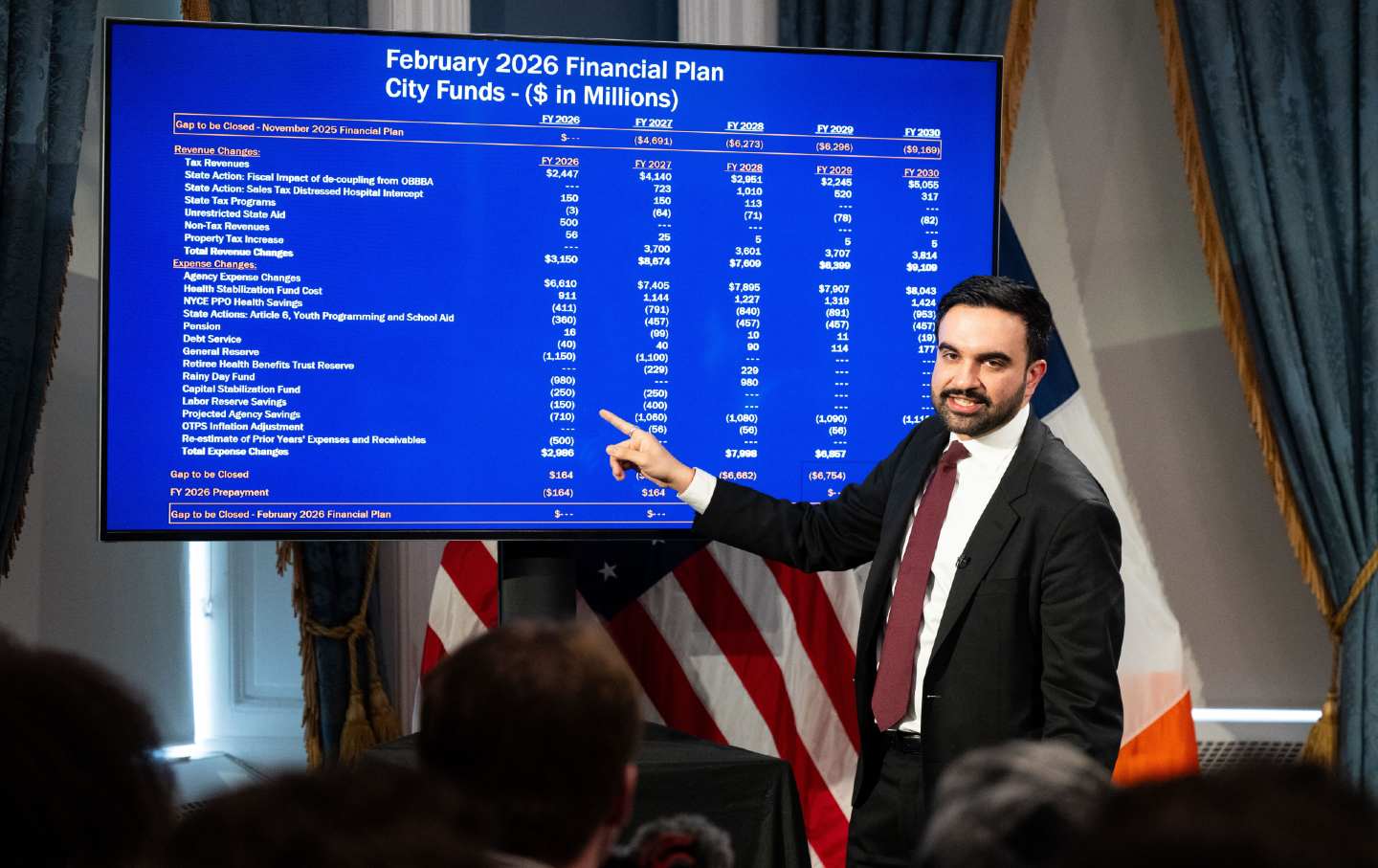
2 weeks agoMamdani might raid a severely underfunded retiree fund to balance New York City's bursting budget
New York City faces a severe fiscal crisis driven by $260 billion in long-term liabilities, primarily from public pensions and retiree health care costs that threaten funding for essential services.
#property-tax-reform
SF politics
fromFortune
1 month agoNationwide voter revolt over property taxes collides with reality that every other revenue source has been slashed already | Fortune
Multiple states are pursuing property tax cuts during election years, facing resistance over impacts on local government and school funding, reminiscent of California's 1978 Proposition 13.

SF politics
fromFortune
1 month agoNationwide voter revolt over property taxes collides with reality that every other revenue source has been slashed already | Fortune
Multiple states are pursuing property tax cuts during election years, facing resistance over impacts on local government and school funding, reminiscent of California's 1978 Proposition 13.
#nyc-budget-crisis



New York City
fromwww.amny.com
3 weeks agoEditorial | NYC spends too much money. It's time to get things under control. | amNewYork
New York City faces a $7.3 billion budget deficit over two fiscal years due to chronic overspending relative to revenue, with structural imbalances threatening municipal bond ratings.
NYC politics
fromwww.amny.com
4 weeks agoNYC BUDGET: Comptroller Levine warns Council of $7.3B fiscal hole as Moody's downgrades fiscal forecast | amNewYork
New York City faces at least $7.3 billion in budget pressure over two fiscal years, with spending exceeding revenue and structural imbalances threatening financial flexibility.


NYC politics
fromGothamist
3 weeks ago7 things to watch as New York's budget battle heats up
New York's state Assembly and Senate passed competing budget resolutions against Governor Hochul's $263 billion plan, with major disagreements over taxes and spending priorities before the March 31 fiscal year deadline.
from48 hills
1 month agoThe real story behind Muni's budget deficit - 48 hills
Despite some idealistic intentions, that framework is in fact what put Muni in the financial hole in the first place. Working from a scarcity mindset, namely trying to preserve an already pilfered service, is a losing battle. To guarantee the service that citizens and workers expect from a city like San Francisco requires a committed vision of the future, one that centers Muni as the public good that it is.
SF politics
UK news
fromLondon Business News | Londonlovesbusiness.com
1 month agoEmergency government bailouts needed by third of councils over next three years - London Business News | Londonlovesbusiness.com
Over a third of councils and nearly half of social care councils are likely to need emergency government bailout agreements to set budgets within three years.
Education
fromLondon Business News | Londonlovesbusiness.com
2 months agoSEND crisis: Vast majority of councils warn of insolvency and call for reform amid huge deficits - London Business News | Londonlovesbusiness.com
Eight in ten councils expect insolvency by 2028/29 due to rising SEND high-needs deficits unless the Government writes off deficits and reforms the system.


fromwww.bbc.com
2 months agoCounty council facing 'effective bankruptcy'
"If we don't get what we need [in terms of extra government help] then a Section 114 Notice will come in, which is effective bankruptcy. We'd then get administrators come in, in effect - they'd then make a plan for where the money gets spent in Worcestershire. It would be a catastrophe. We're going to have to halt projects that were put into the budget by the previous administration, things that maybe were 'nice to have', but we can't afford them."
UK politics
fromBrooklyn Eagle
2 months agoMamdani blames "Adams Budget Crisis" for $12B NYC shortfall
CITY HALL - MAYOR ZOHRAN MAMDANI said New York City faces a projected $12 billion budget shortfall across fiscal years 2026 and 2027, according to a press release. He blames the "staggering" fiscal mismanagement by former Mayor Eric Adams for underbudgeting core services like cash assistance, shelter operations and special education. Mamdani also points to what he called intentional understatement of future gaps - citing, for example, $860 million budgeted for FY26 cash assistance versus projections nearing $1.7 billion -
Brooklyn
fromBrooklyn Eagle
2 months agoMamdani orders new 'Chief Savings Officers' at city agencies
Under Executive Order 12, according to a press statement from the city, each agency will now have five days to appoint an existing senior employee as Chief Savings Officer and grant them the relevant staff and information. This employee will have 45 days to complete a comprehensive assessment of their agency's spending, analyzing the most expensive programs to understand major drivers of cost, as well as the highest-performing programs, to try to replicate successes.
US politics
fromwww.cbc.ca
1 month agoToronto city council will debate Chow's proposed budget today. Here's what's on the table | CBC News
The total proposed 2026 operating budget amounts to $18.9 billion, with 31 per cent being covered by property taxes and 24 per cent made up of federal and provincial funding. The rest is made up of smaller measures, including rate programs (12 per cent), transit fares (six per cent), and reserves (nine per cent). Chow submitted her budget proposal on Feb. 1, based on a city staff proposal put forward on Jan. 8.
Canada news
New York City
fromwww.amny.com
1 month agoTop Mamdani deputy mayor doesn't rule out expanding metered parking to help close budget gap | amNewYork
New York City's administration is considering expanding metered and permitted parking citywide to generate revenue for closing budget gaps and funding priorities.



London politics
fromwww.standard.co.uk
1 month agoFlagship London borough warns of looming financial crisis as it makes big council tax announcement
Westminster will keep almost all council tax frozen, add a small adult social care precept, but warns of severe budget shortfalls from government funding changes.
US politics
fromSan Jose Spotlight
1 month agoSan Jose faces tough choices to balance budget shortfall - San Jose Spotlight
San Jose faces a projected $65 million shortfall requiring tough service reductions while prioritizing public safety, libraries, youth programs, parks, and immigrant legal defense funding.
California
fromwww.mercurynews.com
2 months agoBorenstein: DA Rosen, Mayor Mahan, labor leaders were deceived on sales tax increase they endorsed
Measure A's ballot language suggested funds would support public safety, leading officials to endorse it, but county plans reallocate money to health care, angering supporters.


US politics
fromFortune
2 months agoDeficits boost U.S. debt but also inflate corporate profits and stocks, so reducing red ink could trigger a financial crisis, analysts warn | Fortune
Budget deficits have become the primary driver of corporate profits and inflated stock valuations by channeling government spending into financial markets.
[ Load more ]