Gadgets
fromZDNET
1 day agoI let a smart planter maintain itself while I was away for 2 months - here's the result
The LeafyPod is a smart planter that simplifies plant care with app support and a rechargeable water reservoir.
These are Scilla sardensis, the common name is Glory-of-the-Snow. They are native to the mountains of Western Turkey but are really comfortable growing in almost any condition, as you can see. They are, for us, the real harbingers of spring. We know that once we start to see this electric blue color, the season is starting for us.
When you design your home with intentionality, you are essentially 'hard-coding' healthy behaviors into your daily rhythm. Health outcomes are the result of thousands of micro-decisions—so in his own home, he prioritized spaces like the kitchen, whose open layout makes cooking a pleasure, and the gym, centrally located.
The Eckling is designed specifically for balcony corners, addressing a gap that rectangular window boxes and round hanging pots have never managed to fill. Most railing planters sit along a straight stretch of rail, so corners get skipped entirely. An L-shaped recess cut into the base of the hemispherical bowl allows it to rest squarely on two railing legs at a corner junction, no extra hardware required.
Rice water doesn't have any additional nutrients that plants need to grow - for example, the nitrogen, potassium, and phosphorus found in conventional fertilizers - and the starchy residue doesn't necessarily "fertilize" your plant. However, it is still water that would otherwise just be dumped down the sink, so if you're not saving your rice water for cooking, you might as well use it to hydrate your plants.
Seedlings are ambitious and will germinate and start growing once pressed into damp soil, shooting toward the nearest light source. However, if they remain in small containers without natural light, they can become root-bound and leggy, eventually collapsing under their own weight.
Garden angelica, Angelica archangelica, belongs to the Apiaceae family, the same botanical group as carrots, celery, fennel, and parsley. Like its relatives, it produces a large, distinctively umbrella-shaped inflorescence, or flower cluster, called umbels. In its first year, the plant forms a lower mound of bright green leaves. In the second, a thick, hollow stem shoots upward and unfurls the broad green flower heads that resemble wild carrot or Queen Anne's Lace.
I killed seven houseplants before I discovered the secret: I was literally loving them to death. Every morning, I'd check on them with my watering can in hand, convinced that more water meant more love. Turns out, some plants thrive when you basically ignore them. In fact, there's one particular plant that actually prefers when you forget it exists for weeks at a time.
You are not alone: social media is full of claims that soaking banana skins in water makes a fertiliser that will give you bigger leaves and better blooms. The hack Put banana peels in a jar of water, leave them to sit, then pour the liquid on your plants. Bananas do contain potassium and small amounts of other nutrients. The snag is you have no idea how strong it is or what's missing.
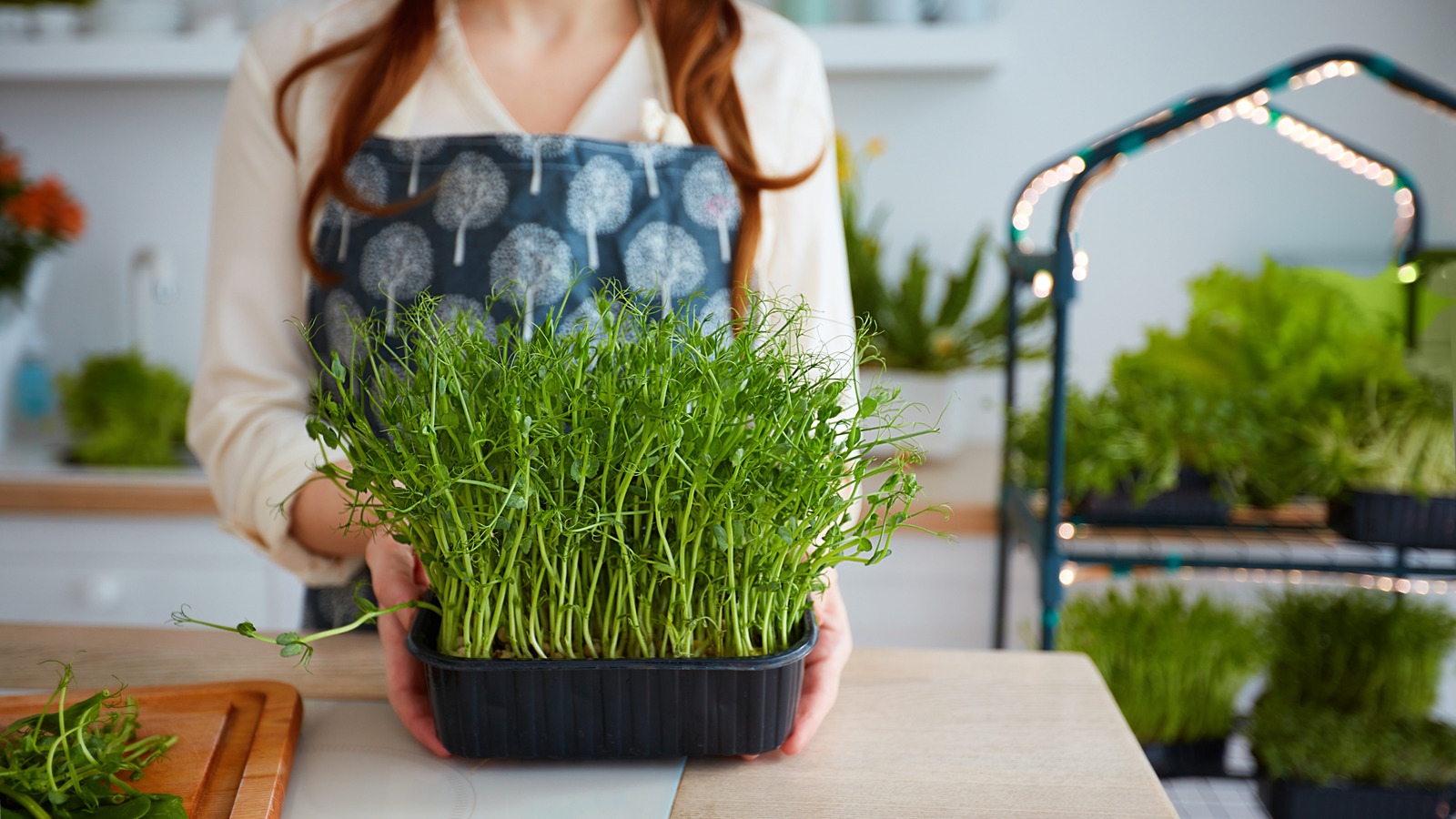
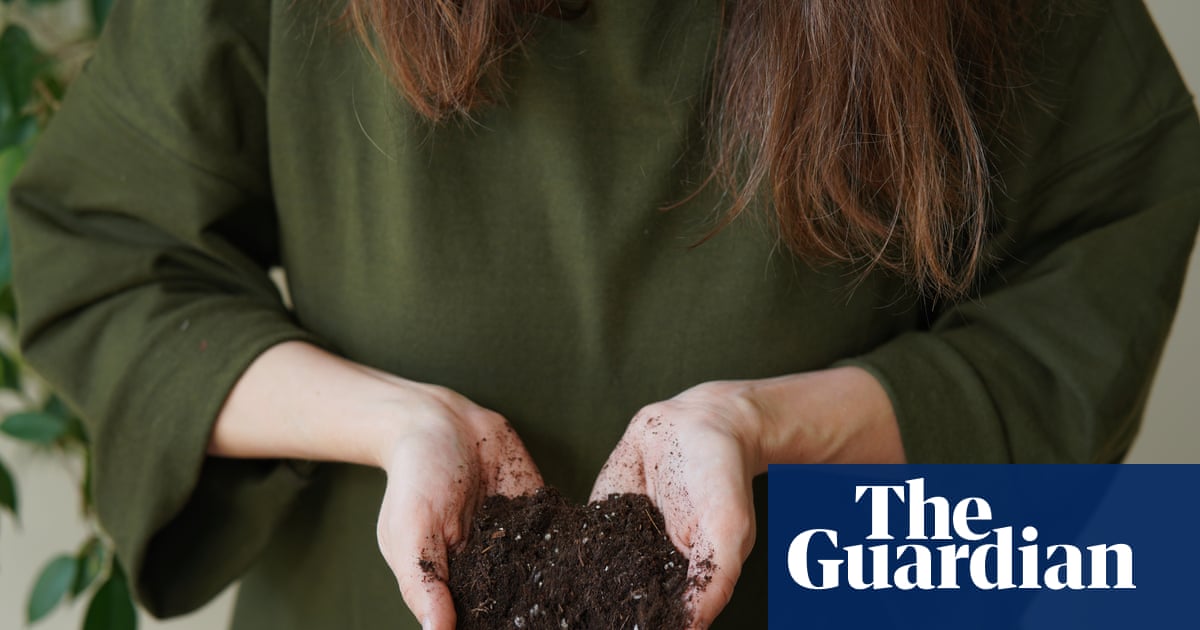
Enter the LeafyPod, a self-watering smart planter that utilizes AI to understand your leafy companions, and keep them well cared for. The system is simple: a connected app monitors hydration and nutrient levels, noting what's best for that specific type of plant. Recently named one of TIME's Best Inventions of 2025, the hydroponic system allows users to grow herbs, greens, or flowers all year long. LeafyPod is adaptive, responding to plant health and to changes in environment.
The method Moisture meters measure electrical conductivity in the soil, which roughly correlates with moisture. Push the probe into the pot, around the root ball, read the dial and water only if it dips into the dry zone. Cross-check with the old tests: feel the soil, lift the pot to gauge the weight, and look at the plant itself. If the meter says dry but the soil feels cool and damp, trust your senses.
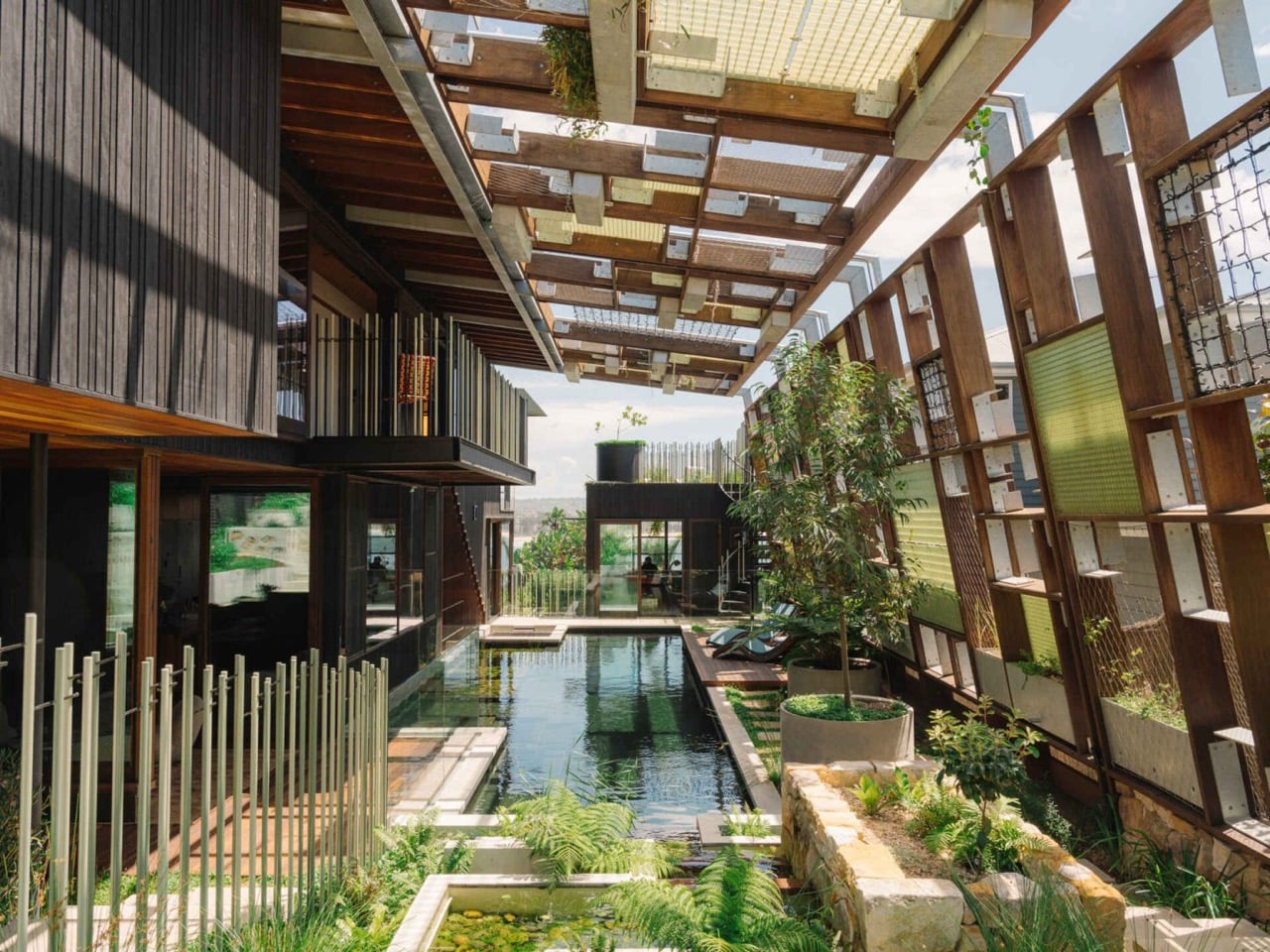
From the large industrial roofs and galleries of the 19th century to the contemporary atriums of museums and public buildings, glass has been a recurring material in shaping large and monumental interior spaces. More than a technological or engineering solution, these horizontal glazed planes introduce a distinct luminous quality: light that comes from above. Unlike lateral daylight entering through façades, zenithal light is more evenly distributed, reduces harsh shadows, and lends spaces a sense of continuity and openness that is difficult to achieve otherwise.
To see where the moon melts over the garden,or where the bats flit, or where the air sweetens with pollen and moth-frenzy, I recommend a night walk to discern the perfect patch for it. Under this glow, we could all use a distraction-dig with a silver shovel and choose colors that swoon and moan under our satellite: dusty pinks, baby blue, lavender, white, and butter yellow gems unfurl at dusk until dawn.