#low-risk-investing
#low-risk-investing
[ follow ]
#investment-strategy #etfs #investing #investment #retirement-planning #passive-income #inflation #dividend-yield
Psychology
fromSilicon Canals
14 hours agoThe people who always have a backup plan aren't pessimists. They grew up in environments where promises were unreliable, and redundancy became the only architecture that didn't collapse when someone changed their mind without warning. - Silicon Canals
Obsessive planners are often generous, driven by past experiences that teach them to prepare for uncertainties.
from24/7 Wall St.
1 day agoThis ETF Pays Dividends Monthly and Yields 7.3%
The fund blends high yield corporate bonds, senior loans, and debt tranches of U.S. collateralized loan obligations (CLOs) into a single actively managed portfolio, aiming to deliver income that beats the broad bond market while keeping volatility lower than any single segment on its own.
Business
from24/7 Wall St.
1 day agoHow Income Investors Are Using HYBL to Dodge Interest Rate Risk in 2026
HYBL attempts to solve the income problem by combining senior loans, high-yield corporate bonds, and debt tranches from U.S. collateralized loan obligations (CLOs). The result is a portfolio with lower duration and lower volatility compared to traditional high-yield funds, while still targeting high current income with monthly distributions.
Business
Bootstrapping
fromLondon Business News | Londonlovesbusiness.com
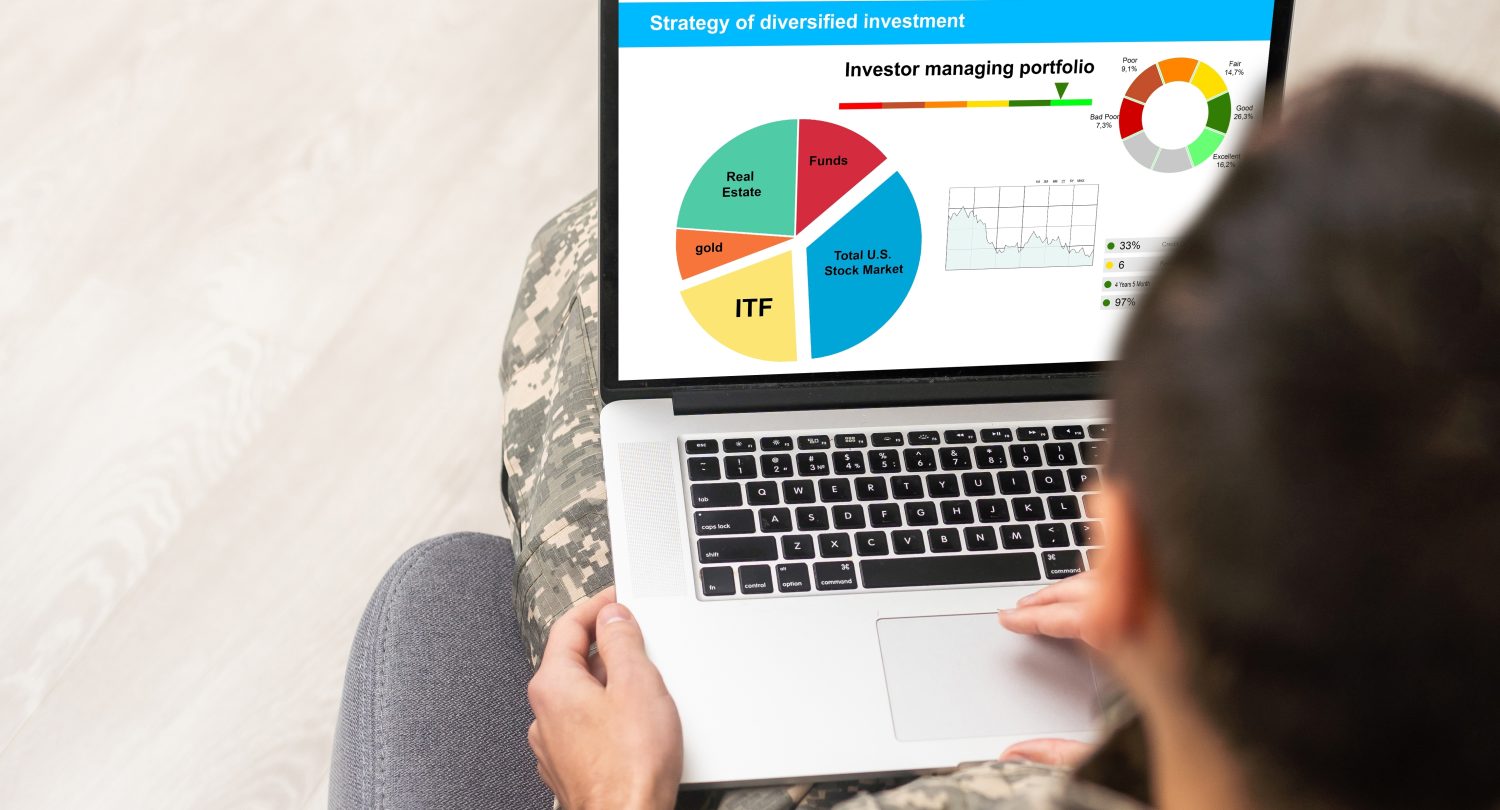
2 weeks agoBuilding a diversified portfolio with limited capital - London Business News | Londonlovesbusiness.com
Diversification reduces risk by spreading investments across different assets, sectors, and regions rather than concentrating capital in single holdings.

Miscellaneous
from24/7 Wall St.
3 weeks agoRisk-Savvy Investors Love 4 Passive Income Kings Yielding 10% and More
Ultra-high-yield dividend stocks provide dependable passive income streams and total returns through interest, capital gains, dividends, and distributions for investors with higher risk tolerance.
from24/7 Wall St.
1 day agoThe 13% Yield Trap? Why MORT's Dividend Hike Is Masking a NAV Slide
MORT holds shares in mortgage real estate investment trusts, companies that borrow at short-term rates and invest in mortgage-backed securities or originate real estate loans. The income MORT distributes comes from the dividends paid by the underlying mREITs to their shareholders.
Business


#retirement-planning
Retirement
from24/7 Wall St.
4 days agoAt the age of 50, I want to retire by 60 and want to start moving out of stocks. Is this a good idea?
Balancing equity and bond allocations is crucial for those nearing retirement to manage risks and protect their portfolios.
from24/7 Wall St.
3 days agoThe 401(k) Move Executives Make Every December to Shield Their Bonus From Taxes
Most employer 401(k) plans allow mid-year changes to the deferral election percentage. Before the bonus pay period, raise the deferral rate high enough to funnel as much of the bonus as possible into the 401(k), up to the annual limit.
Retirement
from24/7 Wall St.
2 days agoUSHY Yields 6.58% While VIX Sits at the 96.5th Percentile, A Risky Tradeoff
USHY seeks to track the investment results of the ICE BofA US High Yield Constrained Index, composed of U.S. dollar-denominated, high yield corporate bonds, providing broad exposure in a low-cost wrapper.
Business
fromwww.housingwire.com
4 days agoProposal would ease path for riskier 401(k) investments
U.S. Secretary of Labor Lori Chavez-DeRemer stated that the proposed rule aims to fulfill President Trump's promise for a new golden age by fostering a retirement system that allows more Americans to retire with dignity.
Retirement


from24/7 Wall St.
3 days agoStanley Druckenmiller Loaded Up on This Stock That's Down 77%
Druckenmiller founded Duquesne Capital Management in 1981, which went on to deliver average annual returns of 30% without a single losing year. Every other major investor you know today has had at least some losses, but not Druckenmiller.
Business
Retirement
from24/7 Wall St.
2 weeks agoHow Much Do you Need To Invest to Make $100k On Dividends Right Now?
Generating $100,000 in annual dividend income requires $3.3 million at 3% yield, $2.2 million at 4.5% yield, or $1.4 million at 7% yield, depending on portfolio risk tolerance and yield strategy.
Business
from24/7 Wall St.
2 weeks agoOne of These High Yield Funds Is Quietly Returning Your Own Money Back to You
Three income-focused funds offer different strategies: ADX uses diversified equity dividends and capital gains, while PYPY and ULTY employ covered call options that generate consistent income but cap upside potential during strong market rallies.
from24/7 Wall St.
3 weeks agoRetirees Are Chasing EDIV's Yield While Missing Its Biggest Risk
EDIV tracks a yield-weighted index of dividend-paying companies across emerging markets. Rather than weighting by market cap, the fund tilts toward companies paying the highest dividends relative to their size. Banks, telecom operators, and consumer staples dominate the portfolio. The top positions include Brazilian beverage giant Ambev, Brazilian bank Bradesco, China Railway Group, and a cluster of Taiwanese industrials and telecom names.
Retirement
from24/7 Wall St.
4 weeks agoWhy the First 5 Years of Retirement Are the Most Dangerous for Your Portfolio
A market downtown in the first few years of retirement, combined with regular withdrawals, can permanently damage a portfolio's ability to sustain income over time. The same downturn occurring 10 or 15 years later, when withdrawals have already been funded by earlier growth, does far less harm.
Retirement
from24/7 Wall St.
4 weeks agoThe Portfolio Shift That Turns $500K Into a Reliable Monthly Paycheck
At lower portfolio sizes, income investing feels like something of a compromise. A 4% yield on $200,000 gives you $8,000 a year, which is barely $667 a month, so it's supplemental income at best. However, jump up to $500,000, even a moderate 5% blended yield can produce $25,000 a year, or right around $2,080 monthly.
Retirement
Business
from24/7 Wall St.
3 weeks agoForget Cap-Weighted Indexes: Why This Equal Weight Large-Cap ETF Belongs in Every Retirement Portfolio Instead
Equal-weight index funds rebalance quarterly to trim outperformers and buy underperformers, reducing concentration risk but sacrificing gains from mega-cap tech rallies.
Business
from24/7 Wall St.
3 weeks agoStock Gains Without the Stress? The "Safety Net" ETF That Protects You From the First 15% of Market Losses
Buffer ETFs offer retail investors a fourth hedging option that combines downside protection with upside participation through index options, addressing limitations of bonds, put options, and cash holdings.
from24/7 Wall St.
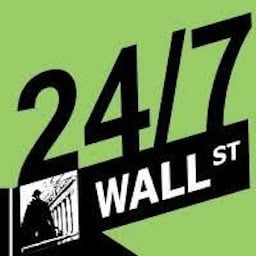
1 month agoThe Silent Risk of Over Diversification in Retirement Portfolios
While over-diversification is not a term you hear often, the financial industry has spent decades telling investors that more is better. More funds, more sectors, more geographic exposure, and more asset classes, galore. The thing is, when a retiree holds 15 or 20 ETFs across overlapping strategies, the result isn't going to be safety, more like dilution.
Retirement
Business
from24/7 Wall St.
4 weeks agoCongratulations To The Retirees Who Found a Quiet Hedge That Returned 25% While Markets Panicked
DBMF, a managed futures ETF, delivered 25.26% returns over the past year by exploiting market volatility through trend-following strategies, outperforming stocks and providing portfolio diversification for retirees.
fromFast Company
2 months ago4 strategies for building a 'good enough' financial plan and portfolio
Step away from those individual stocks. Forget I bonds and laddered portfolios of individual Treasury Inflation-Protected Securities. If you're a satisficer, they're not for you. Reduce your number of accounts and the holdings within them.A portfolio with fewer moving parts is easier to oversee and simpler to document in case your loved ones or a financial advisor needs to take the wheel.
Business
[ Load more ]