Snowboarding
fromWhitelines Snowboarding
4 days ago| Liam Rivera Wins the YETI Xtreme Verbier
Liam Rivera achieved the highest-ever Snowboard Men's score at the YETI Xtreme Verbier with 96 points on the Bec des Rosses.
Jorrit Bergsma, the mullet-wearing 40-year-old speed skating legend from the Netherlands, won the men's mass start on Saturday afternoon for his second medal of the Milano Cortina Games and his first Olympic gold since 2014. Bergsma crossed first in 7:55.50, ahead of Viktor Hald Thorup of Denmark and Andrea Giovannini of Italy, denying American star Jordan Stolz in his bid to become the first man in 32 years to win three long-track speed skating golds at a single Olympics.
Starting on March 11 with the giant slalom races Montana State athlete Justine Lamontagne took the win for the women. Johs Herland from University of Utah won for the men's category, ultimately leading to an overall event win for University of Utah.
Having settled on where to ski in Norway, I found myself packing up the Kvikk Lunsj wafers and sweet brown brunost cheese sandwiches at the glassy Juvet Landscape Hotel, deep in the Sunnmøre Alps. Then the slow ascent, with skins on our splitboard skis, up to the peak at Mefjellet: torturous in some ways, looking at all that glinting Care Bear snow all the way up, but also a deliciously tantric act of meditation and delayed gratification.
"I feel heartbroken about what's happen[ing] in the United States," Chris Lillis said. "I think that as a country we need to focus on respecting everybody's rights and making sure that we're treating our citizens as well as anybody with love and respect." "It's definitely a tough time in our country right now," commented Svea Irving. "I just continue to represent my values, compassion and love and respect for others."
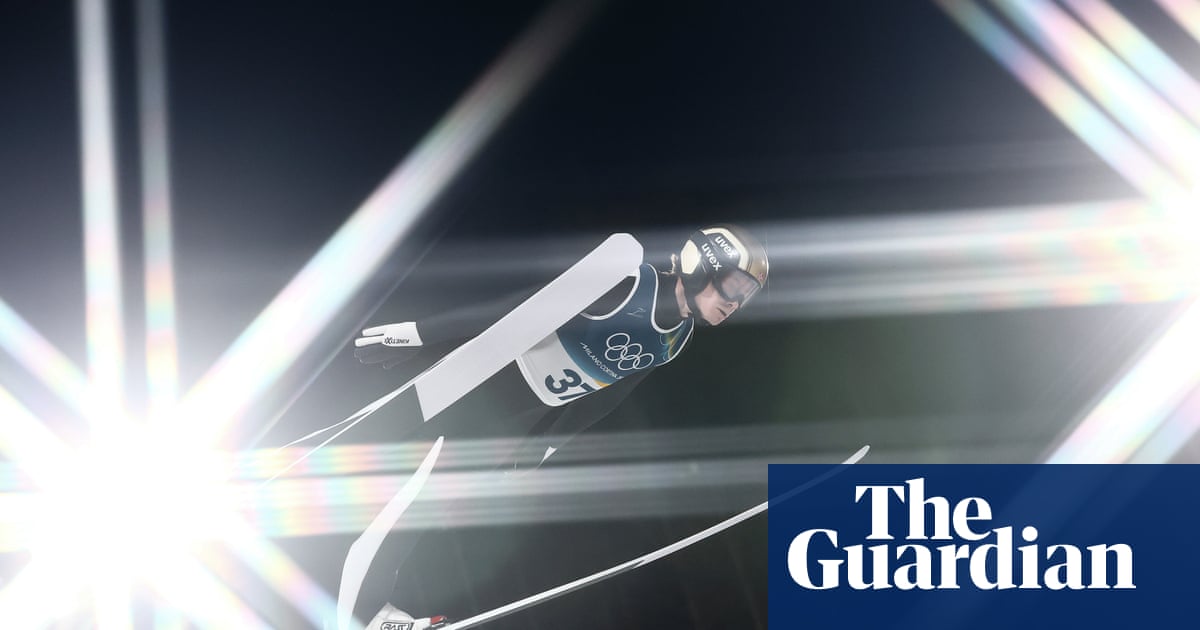
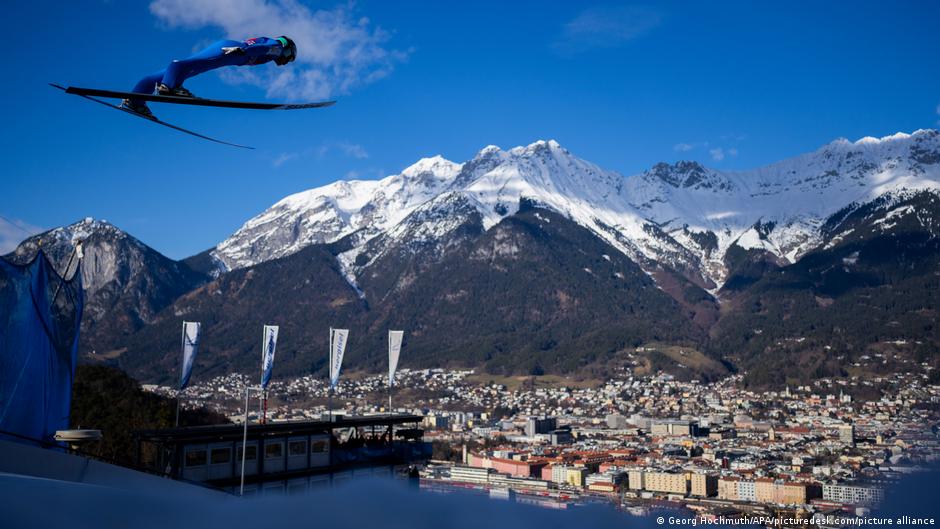
I cannot tell any trick that anyone on skis or a snowboard does from any other trick that anyone else does; I have to take Johnny Weir's word for what is an axel vs. what is a salchow; and watching ski jumping is like looking at a painting. For one, he's up there, while his competitors are back there, but more relevant to our purposes, he can pound out the pace on skis in a way that nobody else can.
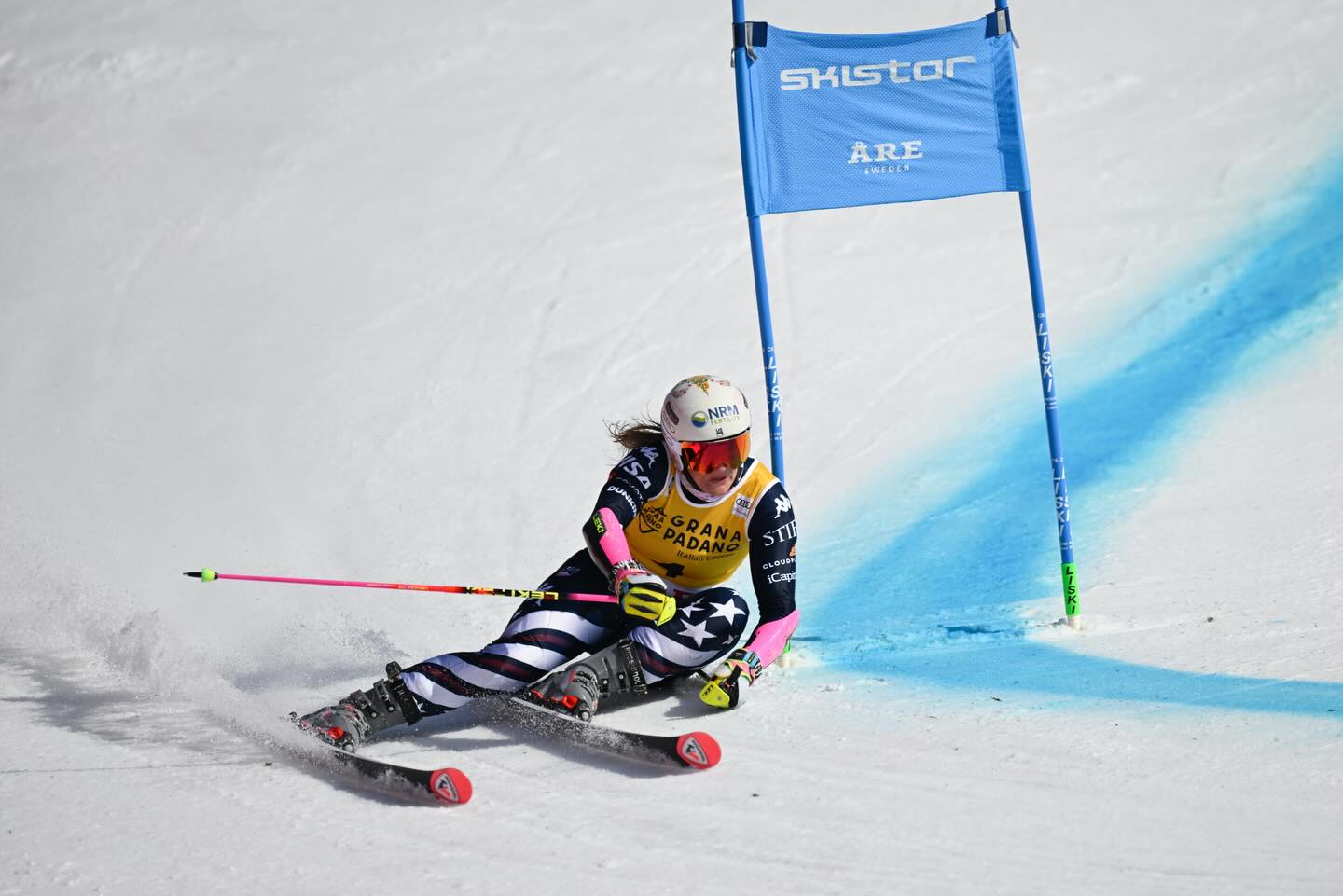
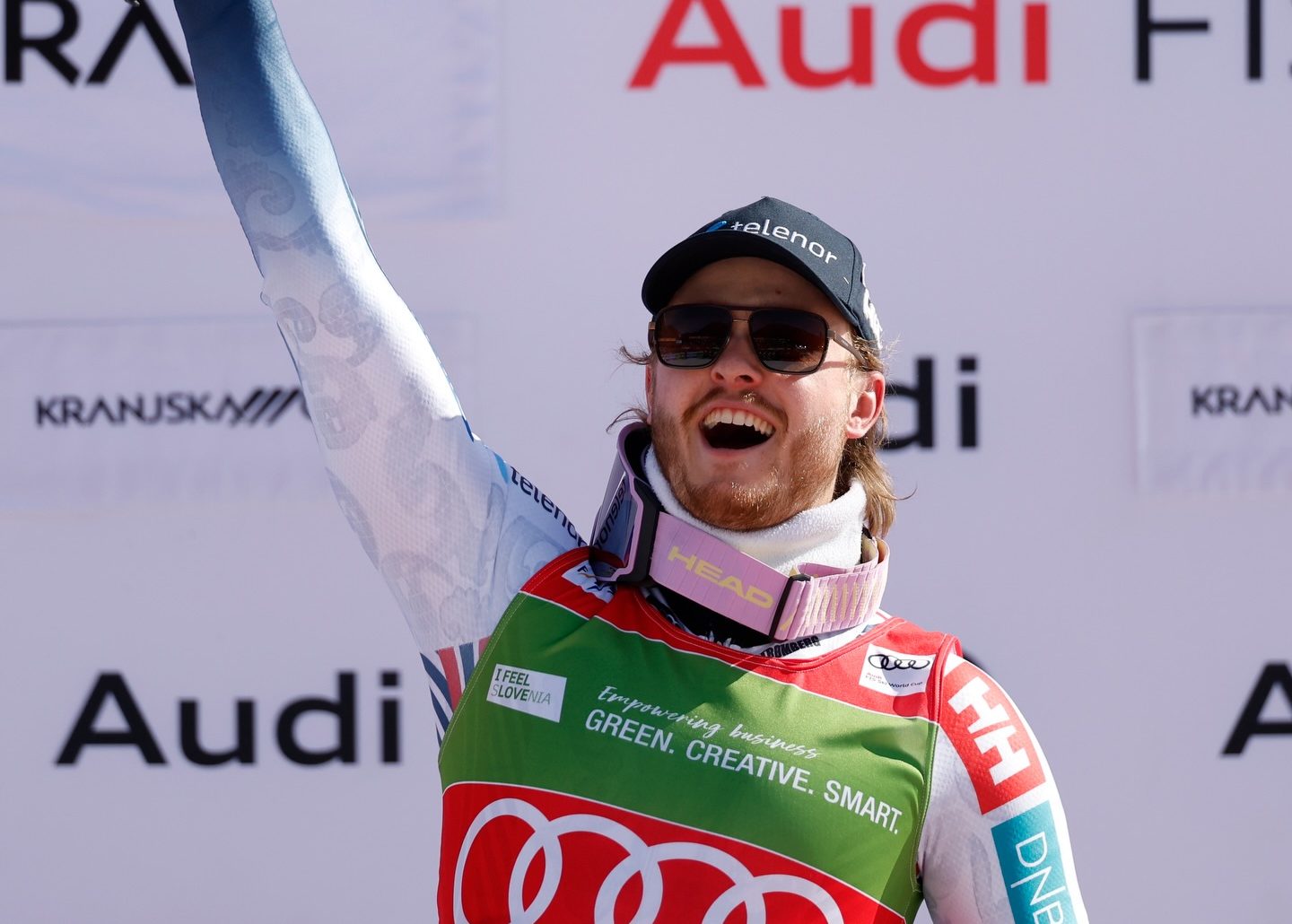
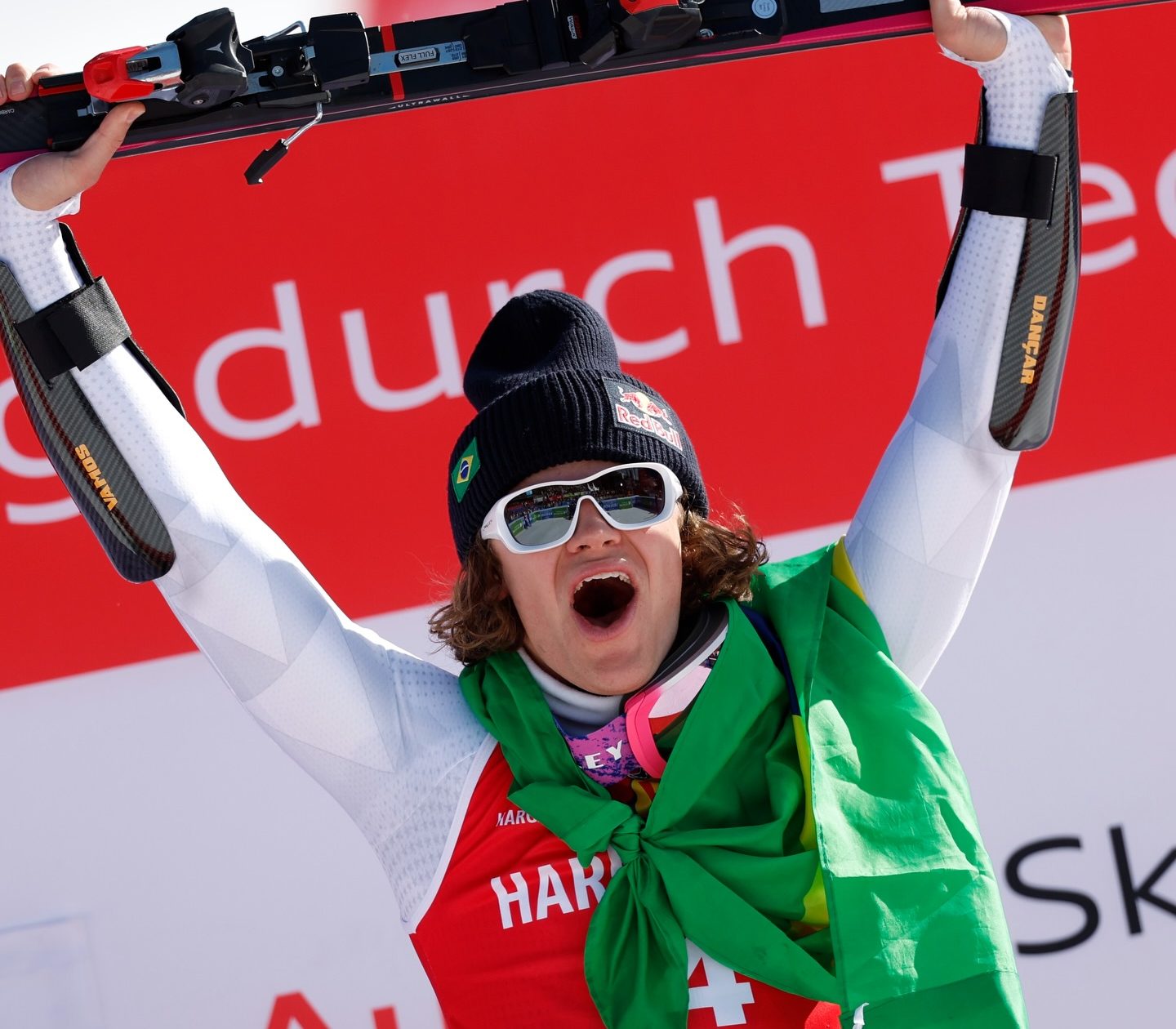
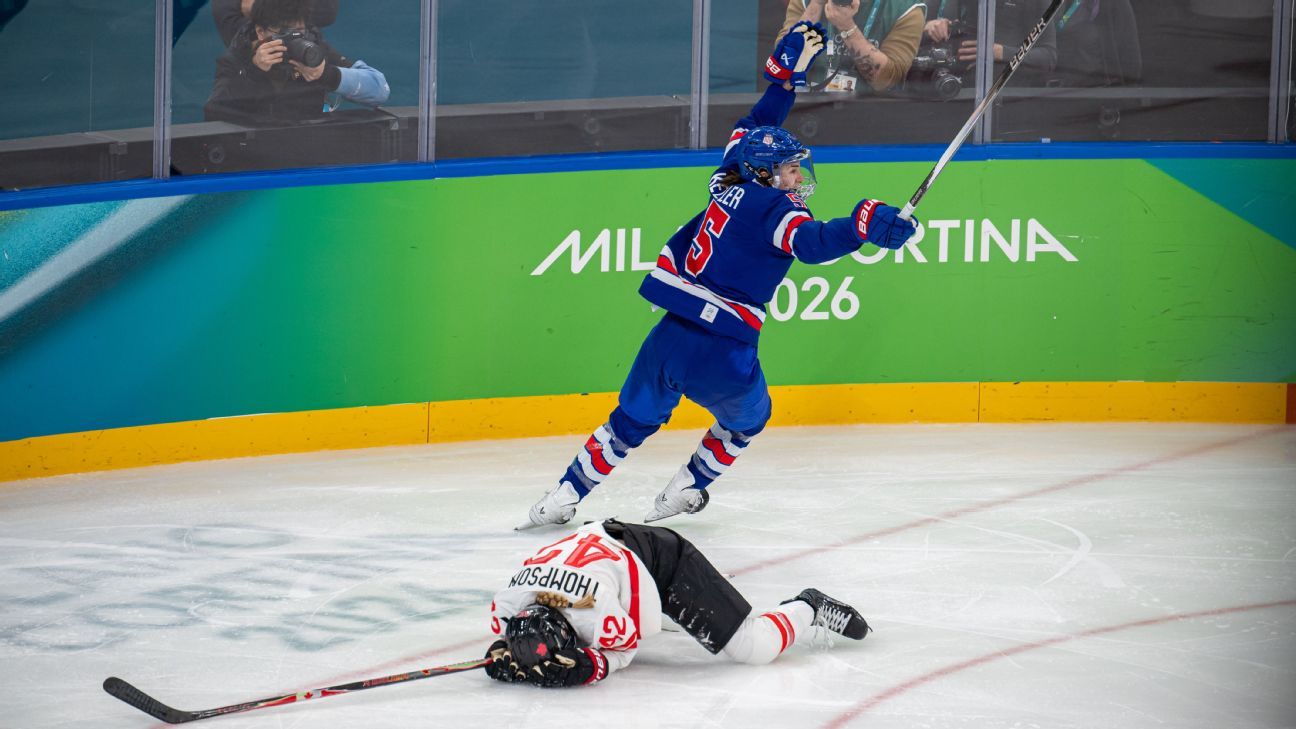
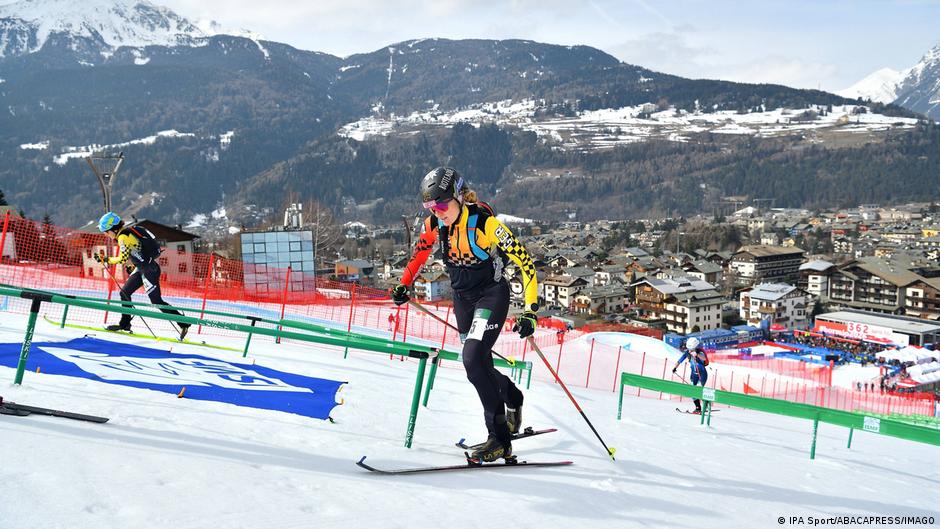
Next week the Winter Olympic Games will return to Italy for the first time in two decades. From the fashion capital of Milan to the dramatic peaks of Cortina d'Ampezzo, the Milano Cortina Games the first to be co-hosted by two cities will stretch across northern Italy blending world-class winter sport with a strong sense of history and ambition. Sixteen sports and more than 110 gold medals await, from the raw speed of alpine skiing and bobsleigh to the tactical endurance of biathlon and cross-country.
The sun rises late in Cortina d'Ampezzo, like everything else in this little alpine town. It's gone eight o'clock in the morning by the time the daylight has made it over the high peaks to the east, and it's another two hours from that before the Olympic day gets under way. It's slow out, as if everyone's still sleeping off the night before, when the town was out cheering for the athletes as they made their parade around the square.
Long track speedskating sometimes referred to simply as long track or just speedskating was a part of the original Winter Olympics back in 1924, when only men participated, and is quite different from short track. In most long track events, two skaters compete against each other on a 400-meter oval, racing counterclockwise in an attempt to record the fastest time. There are two lanes, and the athletes alternate which portion of the course they are in during each lap.
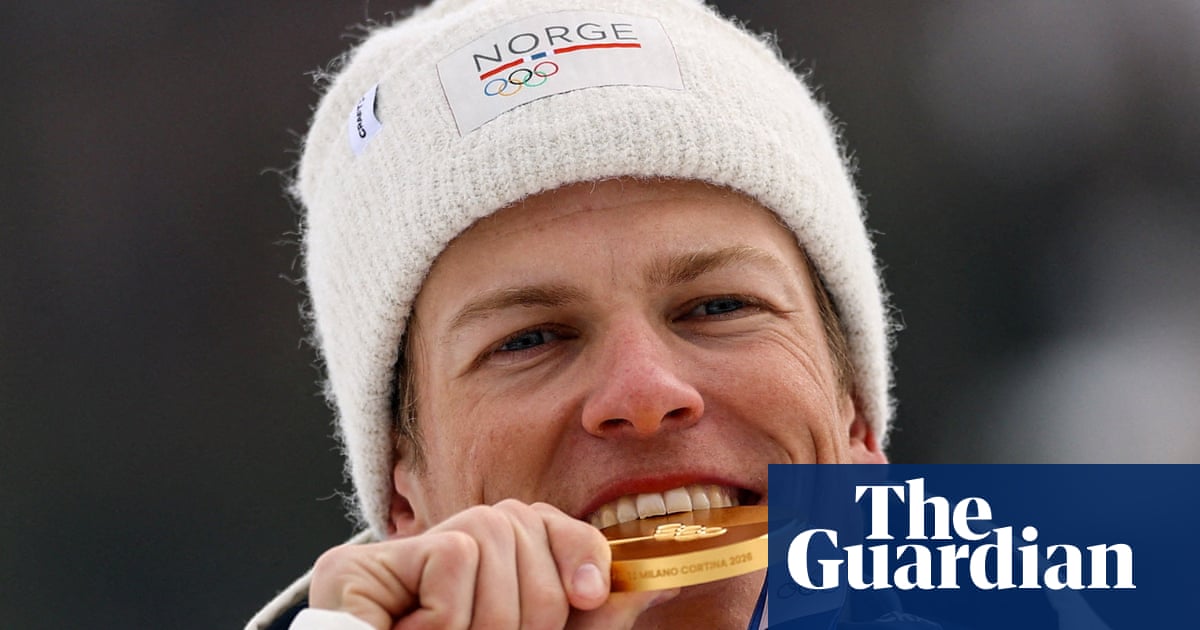
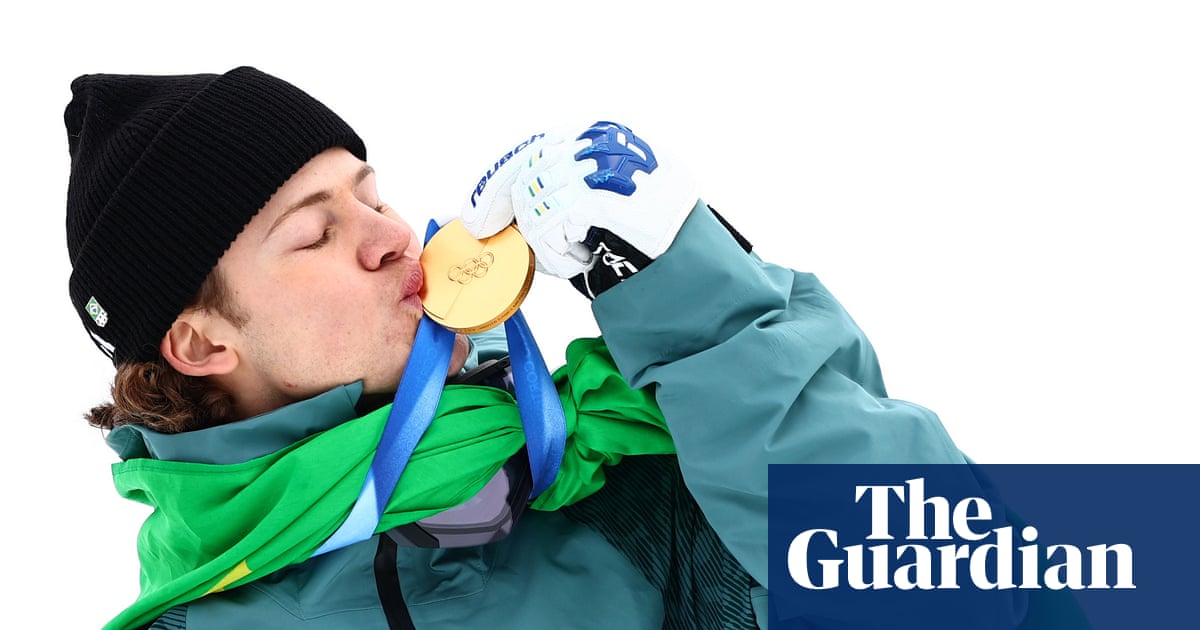
OlympicsNorwegian Freeskier Birk Ruud came away with gold in a Men's Slopestyle Final that featured athletes struggling to land their tricks through the rail section and graceful airs with dizzying numbers of spins. American Alex Hall came away with silver and Kiwi Luca Harrington came from behind in the final run to secure bronze. The whole field was going for gold on the first run, not holding back any technicality on the opening rails.
The first ever FIS Freeride World Championships went off yesterday, squeezing almost all of the competitors into a tight weather window on the Basser Negre face at Ordino Arcalis in Andorra. More than a couple of feet of new snow led to a significant weather delay at the start of the event, and hid many of the smaller rocks throughout the steep, technical face, which would plague competitors for most of the event.
In dual moguls, skiers face each other in an elimination-style format. Whittling the field down from 30 to the final four, skiers are paired up based on the rankings from the moguls race two days prior. Starting with what is known as the round of 32 and leading into the 1/8th, 1/4, and then semi-finals of the final four, the Small and Big Final are determined.