#lunar-manufacturing
#lunar-manufacturing
[ follow ]
#nasa #artemis-ii #space-exploration #moon-mission #human-spaceflight #lunar-mission #orion-spacecraft


#nasa


Science
fromLondon Business News | Londonlovesbusiness.com
3 hours agoNASA astronauts capture first human view of Moon's 'dark side' - London Business News | Londonlovesbusiness.com
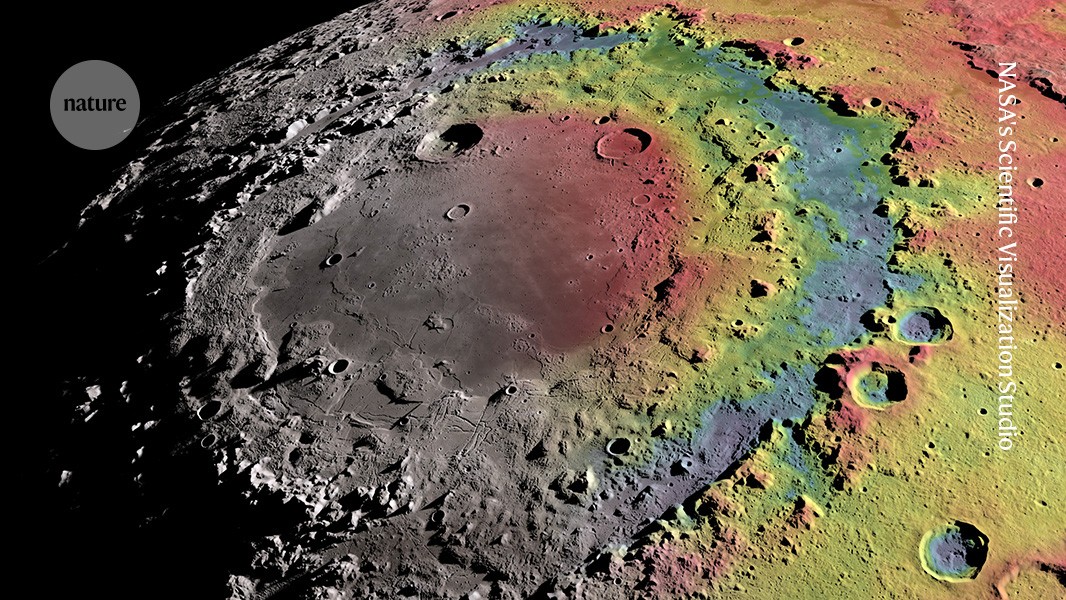
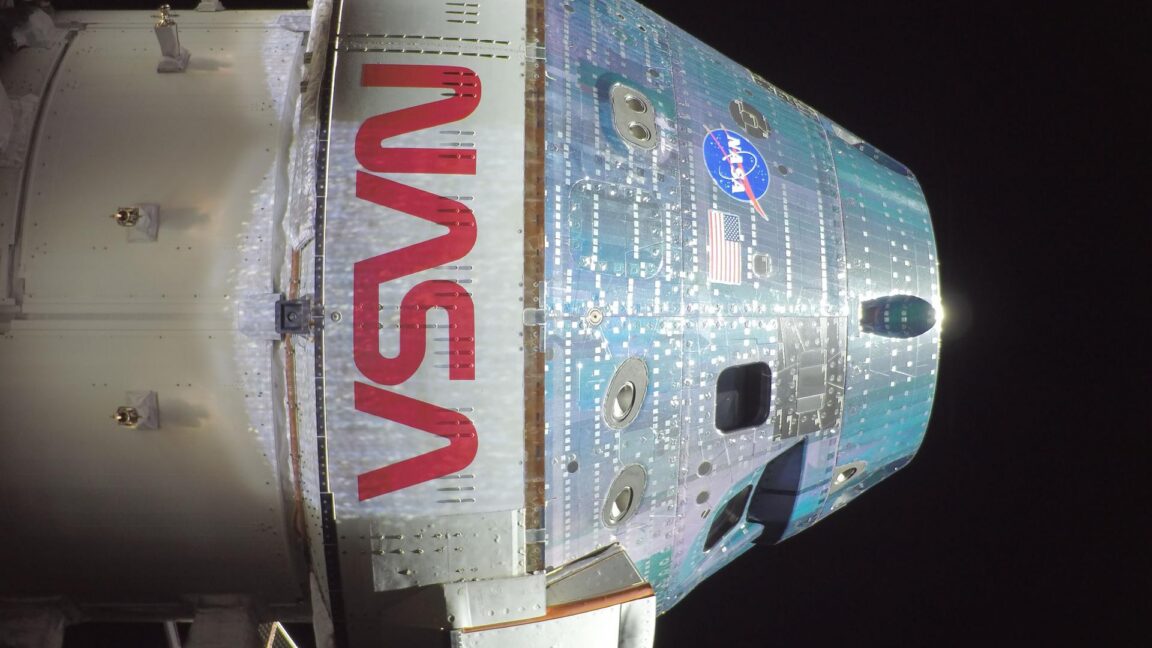
NASA's Artemis II crew captured the first human images of the Moon's far side, specifically the Orientale basin, previously unseen by human eyes.
fromwww.theguardian.com
4 days agoLunar prospectors: the businesses looking to mine the moon
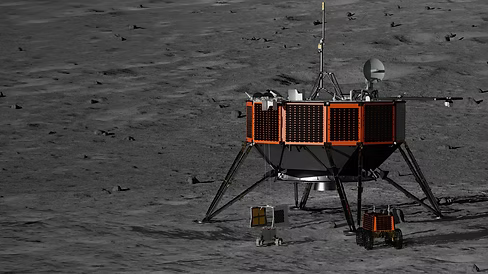
In the silent vacuum of space, five autonomous robots churn through the lunar surface, digging up a loose layer of rock and dust and leaving rows of uniform tracks in their wake. Stopping only to recharge at a central solar power station, the car-sized machines process the lunar dirt internally to extract a type of helium so rare on Earth that a palm-sized container is estimated to be worth millions.
Science
fromBusiness Insider
1 month agoSpaceX is leaning into the moon. Here's why.
"For those unaware, SpaceX has already shifted focus to building a self-growing city on the Moon, as we can potentially achieve that in less than 10 years, whereas Mars would take 20+ years," Musk wrote on X. "The mission of SpaceX remains the same: extend consciousness and life as we know it to the stars." "The overriding priority is securing the future of civilization and the Moon is faster," Musk added.
Science
fromwww.scientificamerican.com
2 months agoNASA Commits to Plan to Build a Nuclear Reactor on the Moon by 2030
The moon is going nuclear. On Tuesday NASA and the U.S. Department of Energy announced a commitment to build a fission reactor on the lunar surface. NASA has been exploring nuclear power for the moon for years, but the endeavor got a boost late last year in an order from President Donald Trump to build one to ensure American space superiority. The reactor will be capable of operating for years without the need to refuel, according to NASA.
Science
[ Load more ]