#lunar-reactions
#lunar-reactions
[ follow ]
#nasa #artemis-ii #space-exploration #moon-mission #moon-exploration #lunar-exploration #human-spaceflight

#nasa



Science
fromLondon Business News | Londonlovesbusiness.com
23 hours agoNASA astronauts capture first human view of Moon's 'dark side' - London Business News | Londonlovesbusiness.com
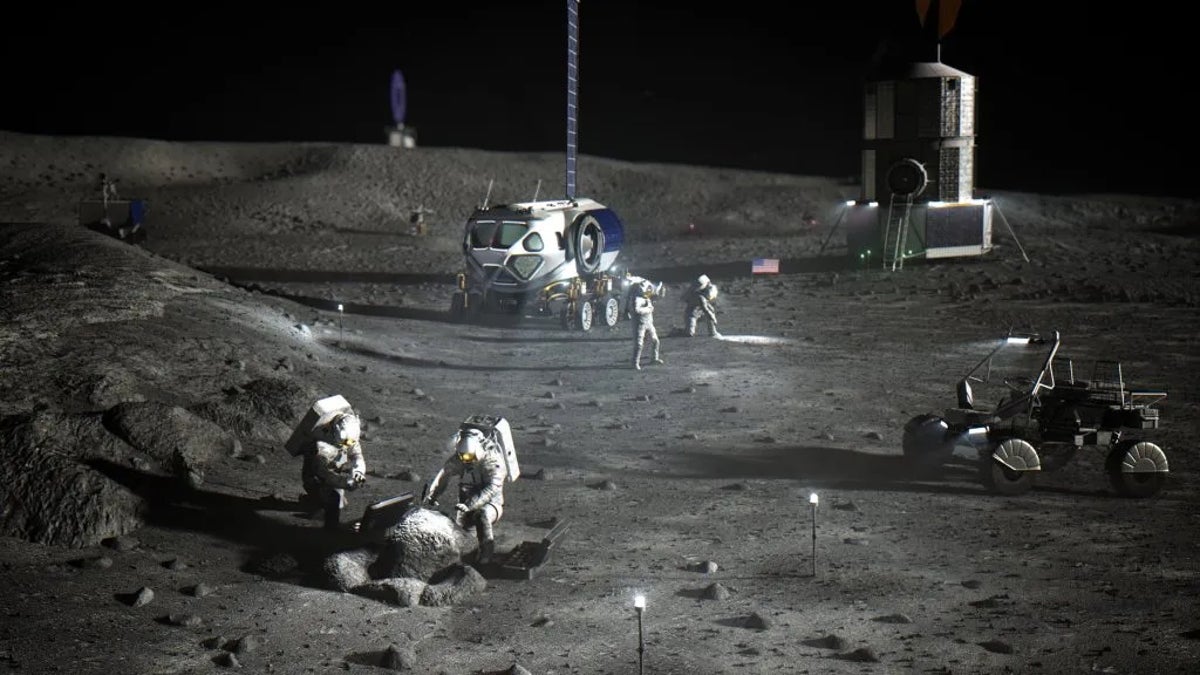
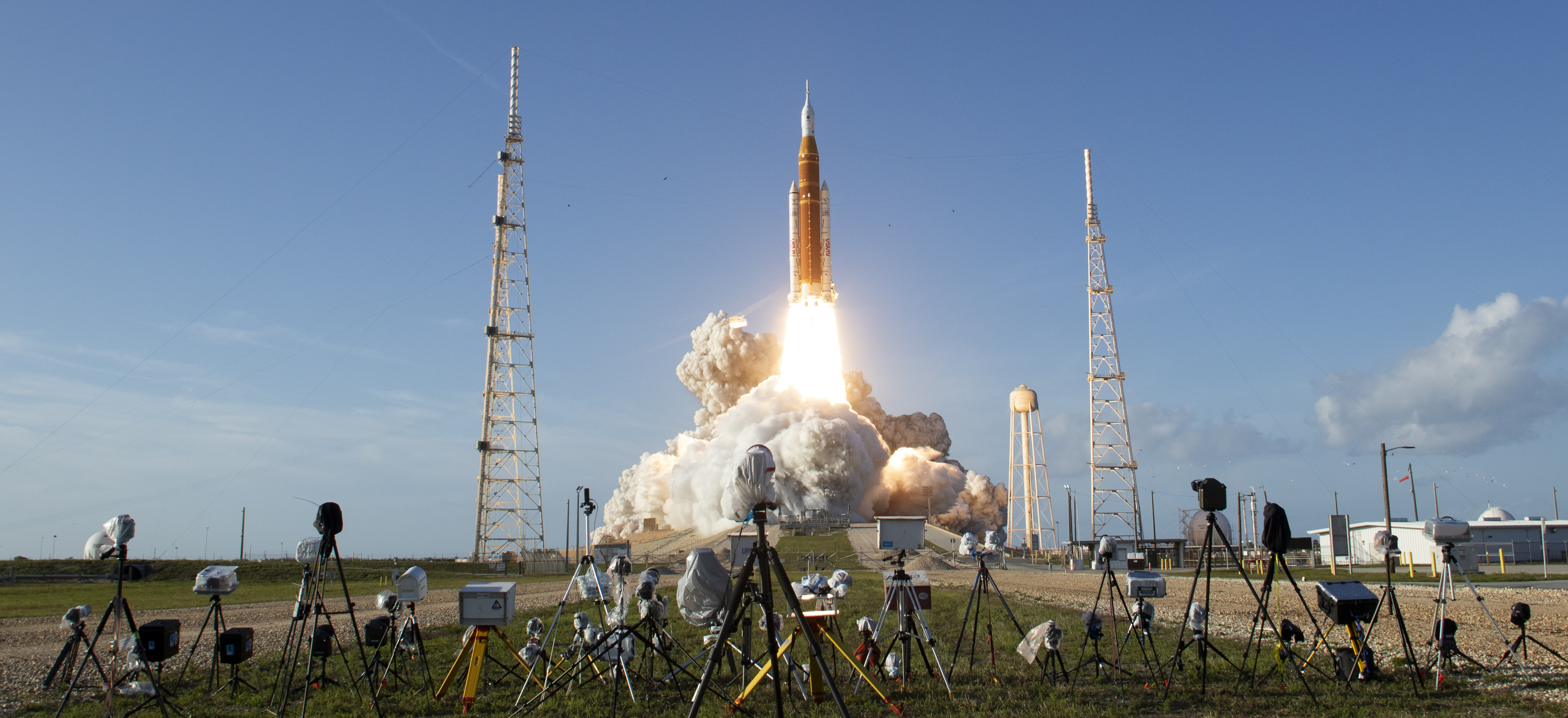
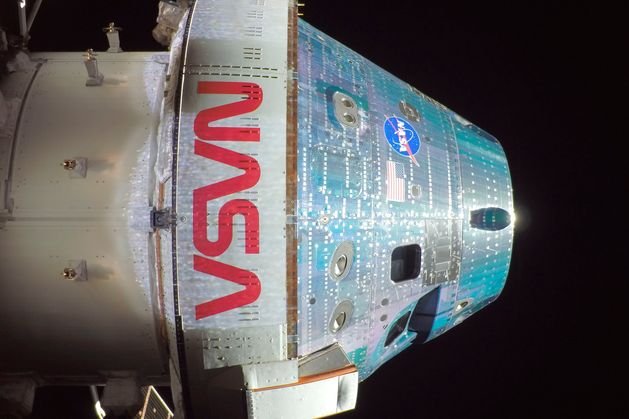
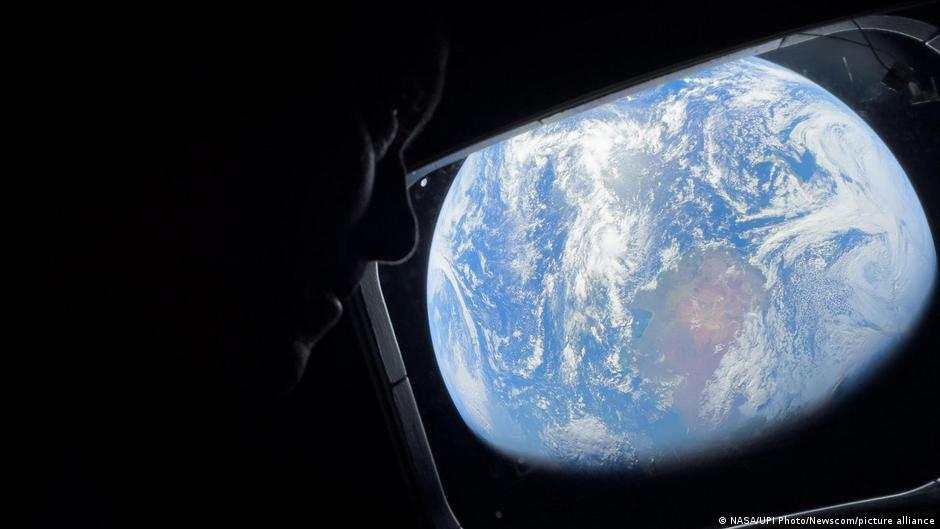
NASA's Artemis II crew captured the first human images of the Moon's far side, specifically the Orientale basin, previously unseen by human eyes.
fromArs Technica
2 weeks agoWe keep finding the raw material of DNA in asteroids-what's it telling us?
The new work was less notable for showing that we had found these bases in Ryugu than for solving a previous mystery: earlier studies had failed to detect them there, despite their presence in many other asteroid samples.
OMG science
OMG science
fromwww.theguardian.com
3 weeks agoA molten, mushy state': scientists may have found a new type of liquid planet
Astronomers discovered L98-59d, a molten lava planet 35 light years away that represents an entirely new category of liquid planet with surface temperatures of 1,900°C and a hydrogen sulfide atmosphere.
OMG science
fromFuturism
3 weeks agoScientists Spot Two Planets That Collided, Resulting in Carnage That Will Send Prickles Through Your Scalp
Astronomers detected a planetary collision around star Gaia20ehk through unusual brightness fluctuations and infrared signatures consistent with massive debris and extreme heat from impact.
fromwww.theguardian.com
5 days agoLunar prospectors: the businesses looking to mine the moon
In the silent vacuum of space, five autonomous robots churn through the lunar surface, digging up a loose layer of rock and dust and leaving rows of uniform tracks in their wake. Stopping only to recharge at a central solar power station, the car-sized machines process the lunar dirt internally to extract a type of helium so rare on Earth that a palm-sized container is estimated to be worth millions.
Science
fromThe Drum
2 months agoMoon Marketing: innovative new media channel or just a PR stunt?
Brands are no stranger to space-based marketing. From Red Bull's Stratos project, which saw eight million people tune in to watch a man jump to earth from the edge of space, to Audi's collaboration with German start-up Part-Time Scientists for the X Prize competition, which will see an Audi branded lunar rover travel to the moon and back next year.
Science
fromArchDaily
3 weeks agoGateway in Lunar Orbit: Extending Architecture Beyond Earth
The technosphere—humanity's 30 trillion-ton network of artifacts—is expanding beyond Earth through NASA's Artemis program, establishing permanent orbital infrastructure around the Moon via the Gateway space station.
fromwww.theguardian.com
3 weeks agoThe moon is safe': asteroid is not on collision course, scientists confirm
Discovered in December 2024, asteroid 2024 YR4 was briefly considered the most dangerous asteroid in decades after scientists initially estimated it had a 3.1% chance of colliding with the Earth in 2032. Closer observations quickly ruled out a city killer scenario, but instead astronomers calculated there was a 4.3% chance that the moon lay in the path of impact.
Science
fromwww.cnn.com
4 months agoArtemis moon landing plans: Apollo's bold, unruly and controversial successor
The Starship rocket system splits in two after takeoff. The upper spacecraft would head to Earth orbit to serve as that depot, ready to carry nothing but fuel. The towering Super Heavy rocket booster, meanwhile, would return to the launch site so it can be reused.
Science
fromTheregister
1 month agoMoon's mighty magnetic field was a 5,000-year titanium blip
Our new study suggests that the Apollo samples are biased to extremely rare events that lasted a few thousand years - but up to now, these have been interpreted as representing 0.5 billion years of lunar history. It now seems that a sampling bias prevented us from realizing how short and rare these strong magnetism events were.
Science
fromMail Online
1 month agoAliens could be CATAPULTED onto Earth via an asteroid, study claims
We found that life is more likely to survive an asteroid impact, so it's definitely still a real possibility that life on Earth could have come from Mars. Maybe we're Martians! The idea that life could have spread through the solar system or even the universe on rocks is known as the lithopanspermia hypothesis.
Science
fromwww.scientificamerican.com
2 months agoNASA Commits to Plan to Build a Nuclear Reactor on the Moon by 2030
The moon is going nuclear. On Tuesday NASA and the U.S. Department of Energy announced a commitment to build a fission reactor on the lunar surface. NASA has been exploring nuclear power for the moon for years, but the endeavor got a boost late last year in an order from President Donald Trump to build one to ensure American space superiority. The reactor will be capable of operating for years without the need to refuel, according to NASA.
Science
[ Load more ]