#machine-washable-protector
#machine-washable-protector
[ follow ]
#sustainability #pfas #laundry-care #laundry-tips #laundry-detergent #innovation #recycling #product-testing
Alternative transportation
fromSustainable Bus
3 days agoNew certified Ultrafabrics collections target durability and compliance in passenger transport interiors - Sustainable Bus
Ultrafabrics launches new certified collections for passenger transport, combining durability, aesthetics, and sustainability in high-performance upholstery fabrics.
Environment
fromYanko Design - Modern Industrial Design News
1 week ago5 Best Waterdrop Filter Systems for Spring 2026, From Renters to Full Family Kitchens - Yanko Design
Aging infrastructure and contaminants affect tap water quality, necessitating tailored filtration solutions for different households.
fromMail Online
1 week agoYou're doing laundry wrong! NEVER close the washing machine after wash
Washing machine rubber door seals are one of the biggest hidden breeding grounds for mould in the home. They trap moisture, detergent residue and fabric fibres during and after washes, creating the perfect warm, damp environment for mould and bacteria to thrive.
Remodel
fromWIRED
2 weeks agoA New Generation of Big Water Filters-Without the Plastic
Most water filter pitchers are made of BPA-free plastic. But as new research shows that bottled-water drinkers ingest tens of thousands of excess microplastic particles, wellness lovers have begun to look askance at water filters that are themselves made of plastic.
Beer
Fashion & style
fromEntrepreneur
2 weeks agoYour 'Organic' TShirt Still Hurts the Planet More Than You Think
Organic and sustainable fashion brands undermine their environmental messaging by packaging products in excessive single-use plastic, contradicting their eco-friendly positioning and contributing significantly to global plastic waste.
Fashion & style
fromArchitectural Digest
5 months agoThe 7 Best Waffle Towels are Hyper-Absorbent (and Made In Japan)
Waffle-weave towels offer superior durability and softness, with top brands like Brooklinen, Parachute, and Cozy Earth delivering long-staple cotton products that improve with washing and withstand frequent laundering.
#sustainable-fashion
Fashion & style
fromEarth911
2 weeks ago11 Sustainable Men's Clothing Brands for Spring & Summer Style
Clothing production consumes massive water resources and generates significant carbon emissions, but sustainable brands using organic, recycled fibers and repair services offer viable alternatives to fast fashion's environmental damage.
Fashion & style
fromBusiness Matters
3 weeks agoWhy Sustainable Fashion is More Than Just a Trend: Clothing, Bags, and Accessories for a Better Future
Sustainable fashion has moved from niche to mainstream as consumers increasingly demand transparency about production, labor practices, and environmental impact of clothing and accessories.
fromwww.npr.org
2 months agoPolyester clothing has been causing a stir online. But how valid are the concerns?
Your eyes don't deceive you. The use of polyester has ballooned with time, according to Henry Navarro Delgado, an associate professor at Toronto Metropolitan University's school of fashion. It's partly because polyester can be quite useful, he said. It is a type of plastic made from petroleum compounds that are cooled and stretched into yarn, according to Michael Palladino, a fashion industry veteran and lecturer at Kingsborough Community College's business of fashion program in New York.
US news
Design
fromdesignboom | architecture & design magazine
2 months agowearable collection repurposes leftover leather powder as translucent composite material
OBRO converts leather manufacturing offcuts into semi-transparent PVC composite by embedding finely ground leather powder to create visually layered, tactile, durable sheets.
Remodel
fromApartment Therapy
1 month agoMy Mom Swapped Her Heavy Wool Rug for This Supersoft Washable Find, and I'm Obsessed
The Releany Medallion Washable Rug is an affordable, machine-washable, vintage-inspired floral medallion rug available in 21 colors and 42 sizes, noted for its softness and versatility.
fromTasting Table
2 months agoThe Genius Way To Repurpose Tablecloths You Don't Use Anymore - Tasting Table
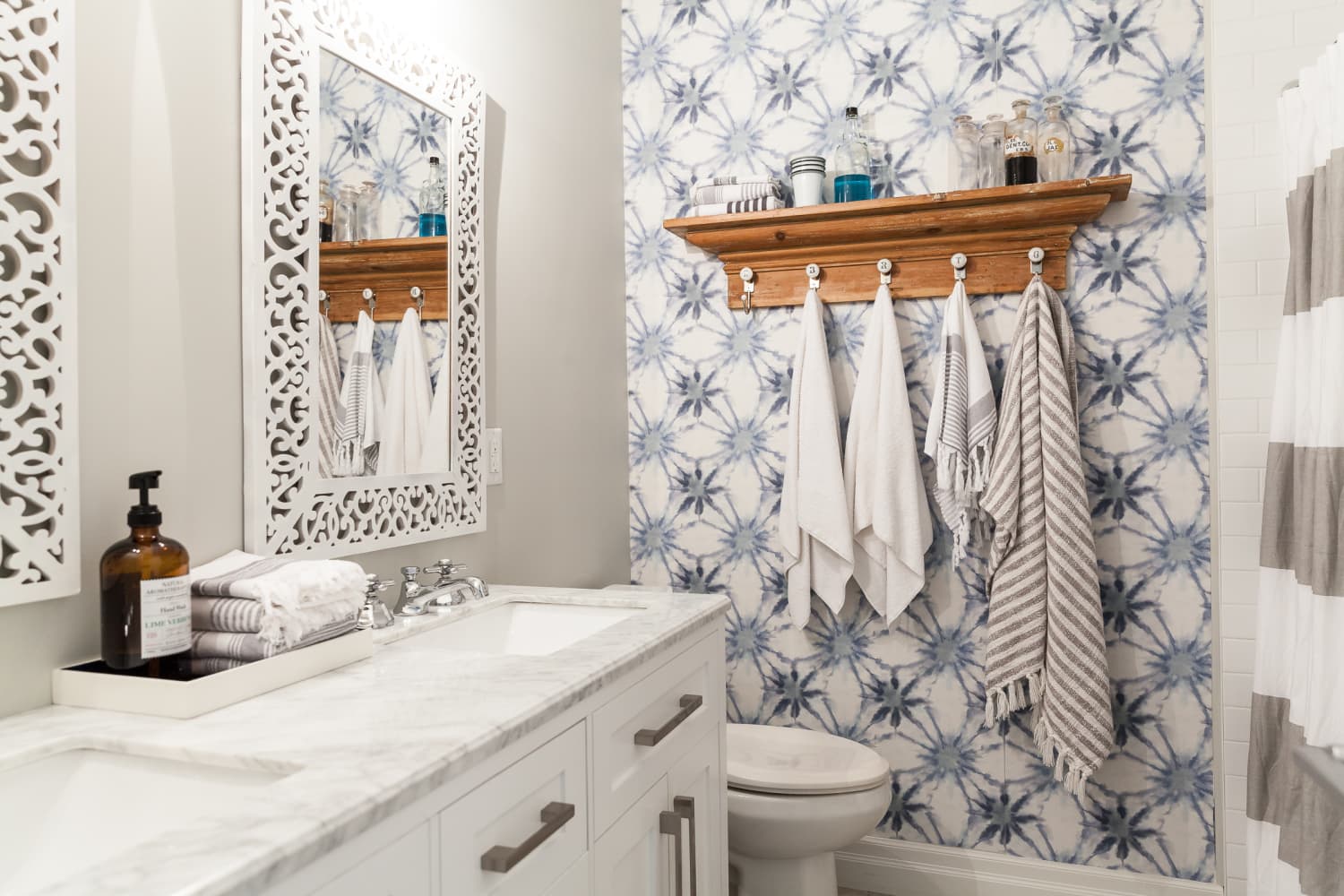
Using tablecloths as shelf covers or drawer liners allows you to cut away any unsightly spots and display the still-lovely stretches of fabric. And, of course, it's a smart way to protect kitchen cabinets, drawers, and shelves for the long haul. While tablecloths-turned-liners prevent scratches and any other damage, they also contribute some warmth. If you're embracing the cozy kitchen design trend, repurposing tablecloths this way instantly softens hard edges and brings in color and texture.
fromApartment Therapy
1 month agoI Brightened My Entryway with This $200 Washable Rug (but You Can Get It for Less!)
Any time I've felt like a room in my home was "missing something," it's almost always been a rug. They have a way of subtly tying the details of a space together and can enhance the aesthetic without you having to make much effort. In my opinion, the hardest part is picking one out - but knowing where to shop is a great place to start.
Design
fromApartment Therapy
2 months agoThere's a "Right Way" to Wash Pillows, and I'm Never Using Another Method Again
I'll be honest: Washing my actual pillows (not just the cases) used to be one of those chores I knew I should be doing, but rarely actually did. As long as my pillows were tucked inside clean pillowcases, I convinced myself they were fine. But that all changed after I came across this article on Apartment Therapy where three popular pillow-washing methods were put to the test.
Gadgets
fromdesignboom | architecture & design magazine
1 month agorecontextualizing human hair waste as potential raw material for design
This research-based design project by Laura Oliveira investigates discarded as a potential raw material for sustainable design applications. Human hair is produced continuously and in large quantities through everyday grooming practices, yet it is almost always treated as waste once separated from the body and typically disposed of in landfills. Despite its material properties, strength, flexibility, and durability as a keratin-based protein fiber, its remains uncommon within design and research contexts.
Design
E-Commerce
fromApartment Therapy
2 months agoWhy I Went Back to My Mom's Favorite Laundry Detergent - It Actually Works Better Now
Tide Original liquid detergent has a new concentrated formula with increased surfactants delivering enhanced stain removal, odor control, and compatibility across machines and fabrics.
fromApartment Therapy
2 months agoI Stopped Buying Paper Towels for Good, Thanks to This $13 Find
Using one in place of a cloth dinner napkin was unacceptable, and if I ever used more than a single perforated sheet to wipe up a spill then I'd expect to hear about it. It wasn't until I was a fully grown adult, responsible for stocking my own kitchen, that I understood why: Paper towels aren't cheap! They're also super wasteful, which is why I've made the switch to the more sustainable and budget-friendly Stasher Reusable Swedish Dishcloths - and I'm never going back.
fromApartment Therapy
2 months agoI Thought I Was Done with Ironing, Until This Brilliant 2-in-1 Find Changed My Mind
Weighing only 26.5 ounces, it's the lightest steam iron Panasonic has ever made. It's also cordless, comes with a handy carrying case, and heats up in 50 seconds on the accompanying power base (that plugs into a standard electrical outlet). The power base features a built-in cord compartment to make setup and storage easy. So already it solves some of my biggest gripes with traditional irons.
Gadgets
fromDesign Milk
2 months agoDesigntex + nanimarquina Introduce New Textiles as Acts of Care
The collaboration brings together Designtex's deep expertise in high-performance contract textiles and nanimarquina's poetic command of craft, tactility, and the beauty of the imperfect. For both teams, the partnership emerged from an immediate sense of kinship - a shared language of material integrity, color sensitivity, and a respect for heritage techniques reinterpreted for contemporary spaces. "We did that by using performance yarns and intentionally embedding imperfections into the weaving process."
Design
Gadgets
fromwww.theguardian.com
1 month agoThe most expensive mistake I see': how to make your vacuum cleaner last longer, according to experts
Regular checks and maintenance—emptying bags/bins, cleaning cyclone shrouds and filters, and inspecting for clogs—preserve vacuum suction and extend motor life.
fromApartment Therapy
1 month ago"Affordable Yet Luxurious": The One-Step Trick That Changed My Laundry Routine
When you lack the good fortune of having an in-unit washer and dryer like I do, you have to be extra judicious about how many times you wear clothes before tossing them in the hamper. Laundry piles up quickly, after all, and I refuse to go to the laundromat more often than necessary. The only issue with re-wearing clothing items is that they wrinkle - fast - and they don't always smell daisy-fresh, if you catch my drift.
Fashion & style
Gadgets
fromApartment Therapy
2 months agoThe "Magic" Spray Bottle I Use All Over My Home Makes Cleaning So Convenient
The simplehuman Sensor Spray is a durable, rechargeable touch-activated multi-surface spray bottle using dissolvable cleaning tablets and adjustable spray modes for convenient, continuous cleaning.
Environment
fromwww.independent.co.uk
2 months agoNew filtration technologies could absorb forever chemicals' at ultrafast' rate
A copper‑aluminium layered double hydroxide (LDH) can absorb long‑chain PFAS up to 100 times faster than current filters, offering pollution control improvements despite deployment challenges.
fromSilicon Canals
1 month ago8 products that used to last decades but now seem to break after the warranty expires - Silicon Canals
My grandmother's refrigerator ran for forty years. The washing machine she bought in the 1970s? Still spinning when she passed away. Meanwhile, I'm on my third coffee maker in five years, and don't get me started on the laptop that mysteriously died two weeks after the warranty expired. This isn't just bad luck or nostalgia talking. There's something fundamentally different about how products are made today versus decades ago.
Gadgets
fromApartment Therapy
2 months agoI'll Never Do Laundry When It's Raining - and Here's Why
When it's dreary outside, I usually hunker down and do household chores - running the dishwasher, catching up on laundry, maybe even taking a long shower and shaving my legs. These days, though, I take the opposite approach: I never do chores that require water use when it's raining outside. That's because I recently learned that my city, Milwaukee, has a shared sewer system - which means rainwater runoff, domestic sewage, and industrial wastewater collect in the same pipes.
Environment
fromEngadget
2 months agoClear Drop is trying to do something about all those plastic bags under your sink
Even if you bring home as few bags as possible - using reusable bags, carrying purchases home with your own two hands - soft plastics sill accumulate. I certainly have a collection with one flimsy plastic sack filled with dozens or hundreds of others. I plan to do something with it... eventually. Unfortunately, there aren't a ton of options for what to do with those soft plastics, as most recycling facilities can't accept them.
Gadgets
fromApartment Therapy
2 months agoThis Liquid Detergent Actually Gets Stinky Workout Clothes Clean (and Smells So Good)
Activewear that's made of sweat-wicking materials, like spandex or polyester, is great for pulling moisture away from your body so you feel dry and can continue on with your workout. But the problem with these types of fabrics is that although they pull sweat away from you, they still trap odors within the material itself. That's why thoroughly washing your workout clothes is so important, and I love using Persil's dedicated Activewear Clean Liquid Laundry Detergent to get activewear clean.
Fashion & style
fromApartment Therapy
1 month agoThis Old-School Stain Remover Trick I Learned from My Mom Is So Unexpected
When I was growing up, shampoo options were limited, and Johnson's Baby Shampoo was a household staple. It lathered well, smelled clean, and was gentle enough to use every day. At some point, my mom realized that same gentleness made it effective on clothes, too. She believed in the product so completely that I never questioned it - and eventually, I adopted the same habit in my own home.
Fashion & style
[ Load more ]