#made-in-usa-claims
#made-in-usa-claims
[ follow ]
#electric-vehicles #tesla #automotive-industry #tariffs #auto-industry #ev-market #ford #technology #ai #manufacturing
#tesla

Toronto startup
from24/7 Wall St.
1 day agoBloomberg: Tesla's AI dreams don't change reality, cars still pay the bills
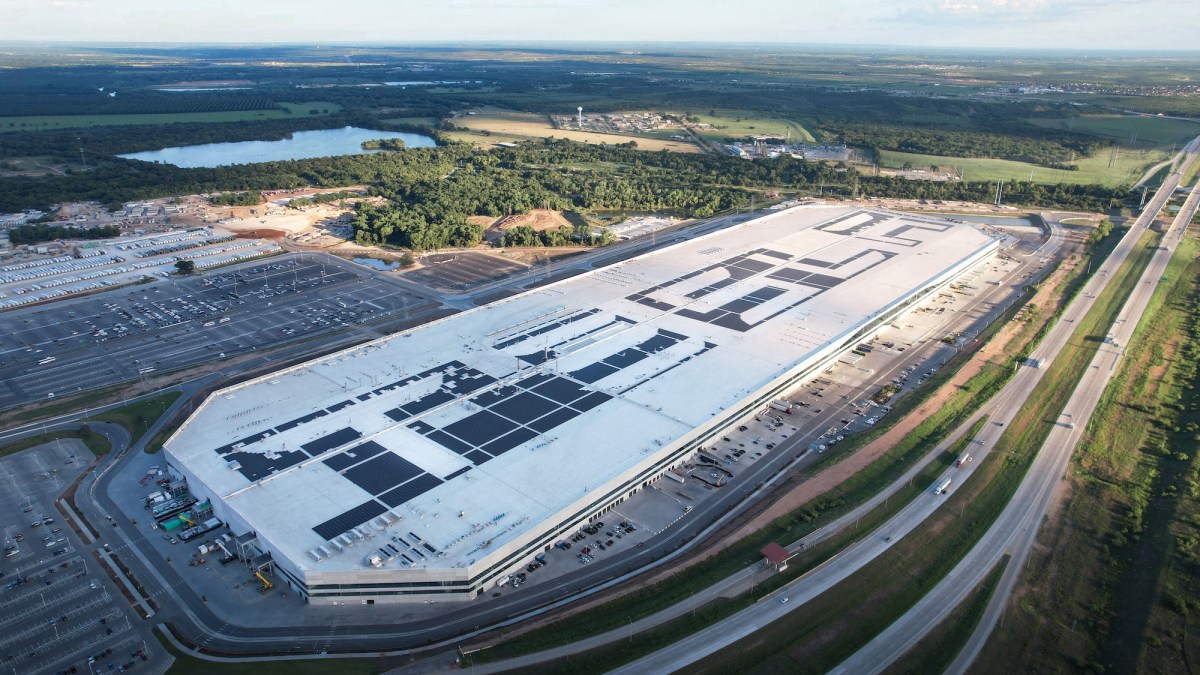
Tesla's Q1 2026 vehicle deliveries fell short of expectations, highlighting challenges in the automotive sector despite excitement over future technologies.
Toronto startup
fromTESLARATI
2 days agoTesla's Q1 delivery figures show Elon Musk was right
Tesla's Q1 2026 delivery figures show a shift towards Optimus, with traditional auto business becoming less central to its future.


fromFast Company
3 days agoChina is moving faster on next-gen tech. The U.S. is trying to keep up
In recent weeks, China approved the world's first commercial brain-computer interface medical device and unveiled a five-ton class electric vertical takeoff and landing aircraft that has already completed a public flight.
Science
fromBig Think
4 days agoWhy fixing your gadgets often costs more than replacing them
The fix, he told me, was temporary - he didn't have the right part and couldn't get it. This experience revealed a broader shift in how modern products are designed, sold, and owned - one that increasingly treats repair as optional and replacement as inevitable.
Renovation

#electric-vehicles


Cars
frominsideevs.com
2 weeks agoFord CEO Says China's Electrified Pickups Are 'Different Animals'
Ford CEO Jim Farley acknowledges BYD's Shark pickup as a capable but fundamentally different vehicle from Ford's Ranger, questioning the Chinese manufacturer's profitability while recognizing competitive EV engineering.
Cars
fromSilicon Canals
6 days agoToyota faces aluminum supply risks as Strait of Hormuz tensions threaten the material EVs depend on - Silicon Canals
Electric vehicles are increasingly dependent on specialized aluminum from the Persian Gulf, highlighting vulnerabilities in supply chains amid regional instability.
Cars
frominsideevs.com
2 weeks agoFord CEO Says China's Electrified Pickups Are 'Different Animals'
Ford CEO Jim Farley acknowledges BYD's Shark pickup as a capable but fundamentally different vehicle from Ford's Ranger, questioning the Chinese manufacturer's profitability while recognizing competitive EV engineering.

Alternative transportation
fromStreetsblog USA
6 days agoTrump's 'Freedom Means Affordable Cars' Rings Hollow As Gas Prices Surge - Streetsblog USA
Rising gas prices challenge the Trump administration's oil consumption strategy and highlight the need for better mobility alternatives in American cities.
#ford
Cars
frominsideevs.com
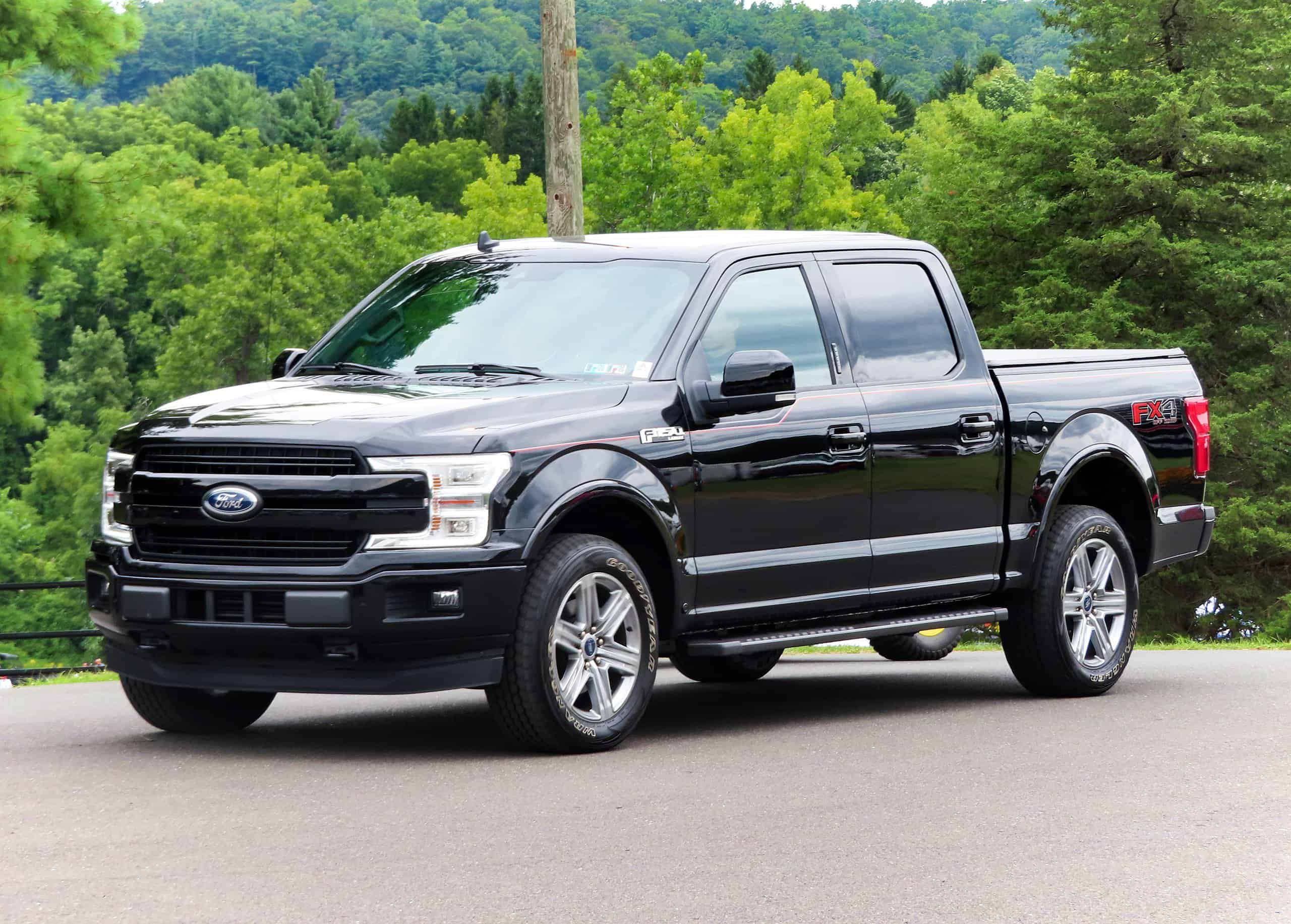
3 days agoFord's CEO Says An Affordable Tesla Model 3, Model Y Rival Is Coming
Ford plans to launch affordable EVs to compete with Tesla's Model Y and Model 3, utilizing a new Universal Electric Vehicle platform.

fromFortune
2 months agoUS politics
Ford CEO Jim Farley says the White House will 'always answer the phone,' but needs Trump to do more to curtail China's threat to America's autos | Fortune
Ford urges stronger U.S. trade and tariff policies to reduce aluminum costs, shield domestic manufacturing, and counter China's growing competitive threat.
fromEngadget
4 weeks agoRad Power Bikes gets a new owner, pledge to build bikes in the US
Rad Power Bikes has helped define the e-bike category in North America with its innovative products and passionate rider community. Respecting and preserving that legacy - its brand, vision, and leadership - is foundational to this acquisition. Together, we will build on that trust and create new opportunities for riders nationwide.
Bicycling
Intellectual property law
fromPatently-O
3 weeks agoMade in America: Director Squires Ties IPR Institution to Domestic Manufacturing
The USPTO Director introduced three discretionary factors for IPR and PGR decisions prioritizing U.S. manufacturing and small business status, mirroring the ITC's domestic industry requirement for patent relief.
Intellectual property law
fromArs Technica
4 weeks agoTech industry is in tariff hell, even if refunds are automated
Trade groups urge courts to establish a clear tariff refund process as 300,000 US businesses await $175 billion in unlawful tariff collections, with interest accruing at $23 million daily.
fromFortune
1 month agoDetroit automakers ask White House to be spared from new tariffs | Fortune
Automakers are facing billions of dollars in additional costs from Trump's tariffs, particularly those levied on imported autos and car parts. Those tariffs, as well as levies targeting steel and aluminum, were implemented under a law that gives the president authority to impose import taxes on national security grounds. The duties were unaffected by the Supreme Court's ruling that struck down Trump's broader import taxes imposed on many countries.
US politics
fromThe Atlantic
2 months agoChinese Carmakers Are Closing In on America
The secret to BYD's success is simple: The company makes high-tech electric and hybrid cars and sells them at incredible prices. The tiny BYD Seagull costs as little as $8,000 in China, and it's a megahit in several countries. The Chinese car industry-not just BYD but also its many competitors that also make affordable cars-is quickly taking over the world.
World news
fromIPWatchdog.com | Patents & Intellectual Property Law
1 year agoMaking Licensing Harder Doesn't Boost U.S. Manufacturing
While it's appropriate to lament the lack of bipartisan cooperation in Washington, just because something's bipartisan doesn't mean it's a good idea. Exhibit A could be Senator Tammy Baldwin (D-WI) and Senator J.D. Vance's (R-OH) "Invent It Here, Make It Here" bill. Despite the name and its good intentions, it condemns promising federally funded inventions to waste away without doing a thing to build our domestic manufacturing base. It's scheduled to be considered this Thursday in the Senate Commerce, Science and Transportation Committee.
US politics
frominsideevs.com
2 months agoCheap Chinese EVs Are Coming To Canada. Not Everyone Is Happy About It
Cars, parts and the manufacturing of both are closely tied together on both sides of the border, so what's been good for one country has long been considered good for the other. But that partnership saw its biggest breakdown yet this week as Canada struck a deal to reduce its 100% tariffs on Chinese-imported electric vehicles, opening North America's deeply intertwined auto industry to a whole new level of competition.
Canada news
Business
fromSitePoint Forums | Web Development & Design Community
1 month agoU.S based custom metal stamping company for precision telecom or shielding components?
Seeking a U.S. precision metal-stamping partner for telecom and EMI/RFI shielding with tight tolerances, in-house tooling, secondary ops, and smooth prototype-to-production transition.
fromFast Company
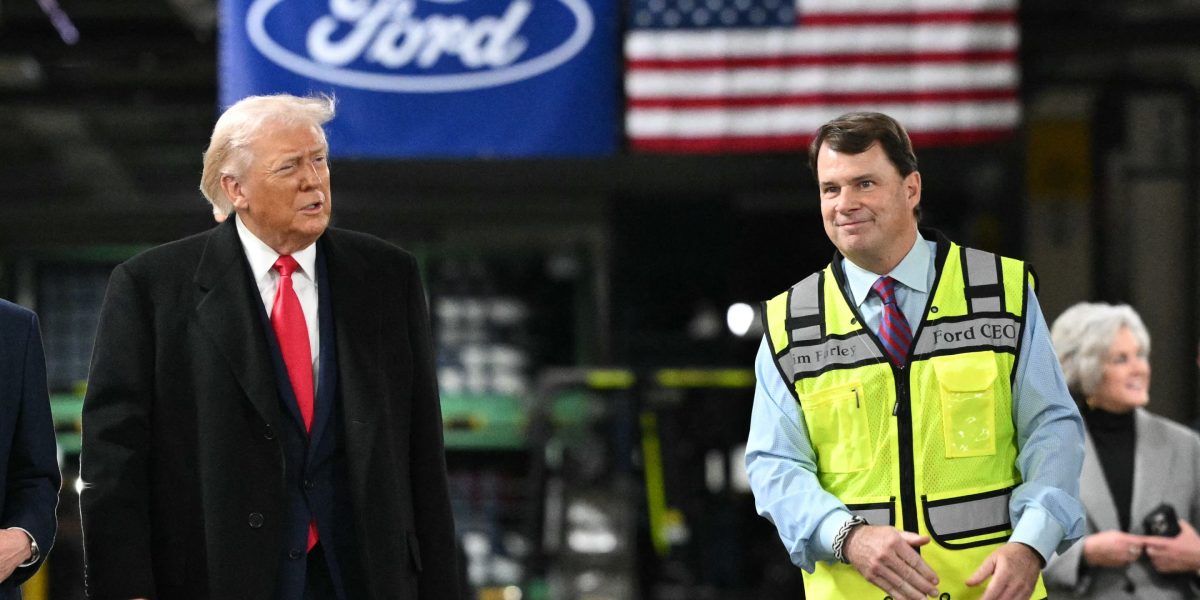
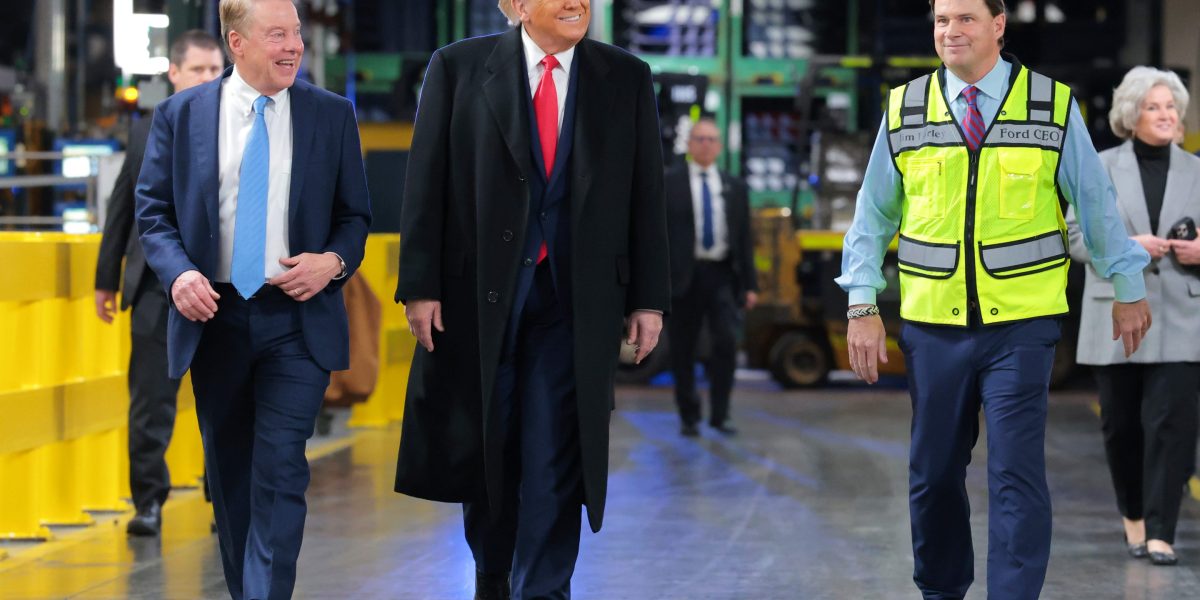
2 months agoTrump is headed to this Detroit Ford factory to promote U.S. manufacturing
President Donald Trump will travel to Michigan on Tuesday to promote his efforts to boost U.S. manufacturing, trying to counter fears about a weakening job market and worries that still-rising prices are taking a toll on Americans' pocketbooks. The day trip will include a tour of a Ford factory in Dearborn that makes F-150 pickups, the bestselling domestic vehicle in the U.S.
US politics
Cars
from24/7 Wall St.
3 weeks agoStellantis, Oshkosh, and Mastercraft: 3 Vehicle Manufacturers Worth Watching
Three vehicle manufacturers show vastly different financial health, with Stellantis in crisis from aggressive EV betting, Oshkosh facing challenges, and a third company performing strongest based on earnings, revenue growth, margins, guidance, and overall financial metrics.
US politics
fromFortune
2 months agoTrump claims all the U.S. automakers are 'doing great.' Gretchen Whitmer says 'this will only get worse without a serious shift' | Fortune
Gretchen Whitmer says U.S. tariffs have harmed American auto manufacturing, causing job losses and production cuts while benefiting Chinese competitors and isolating U.S. industry.
frominsideevs.com
2 months agoTrump Is Ready For Chinese EVs: 'Let China Come In'
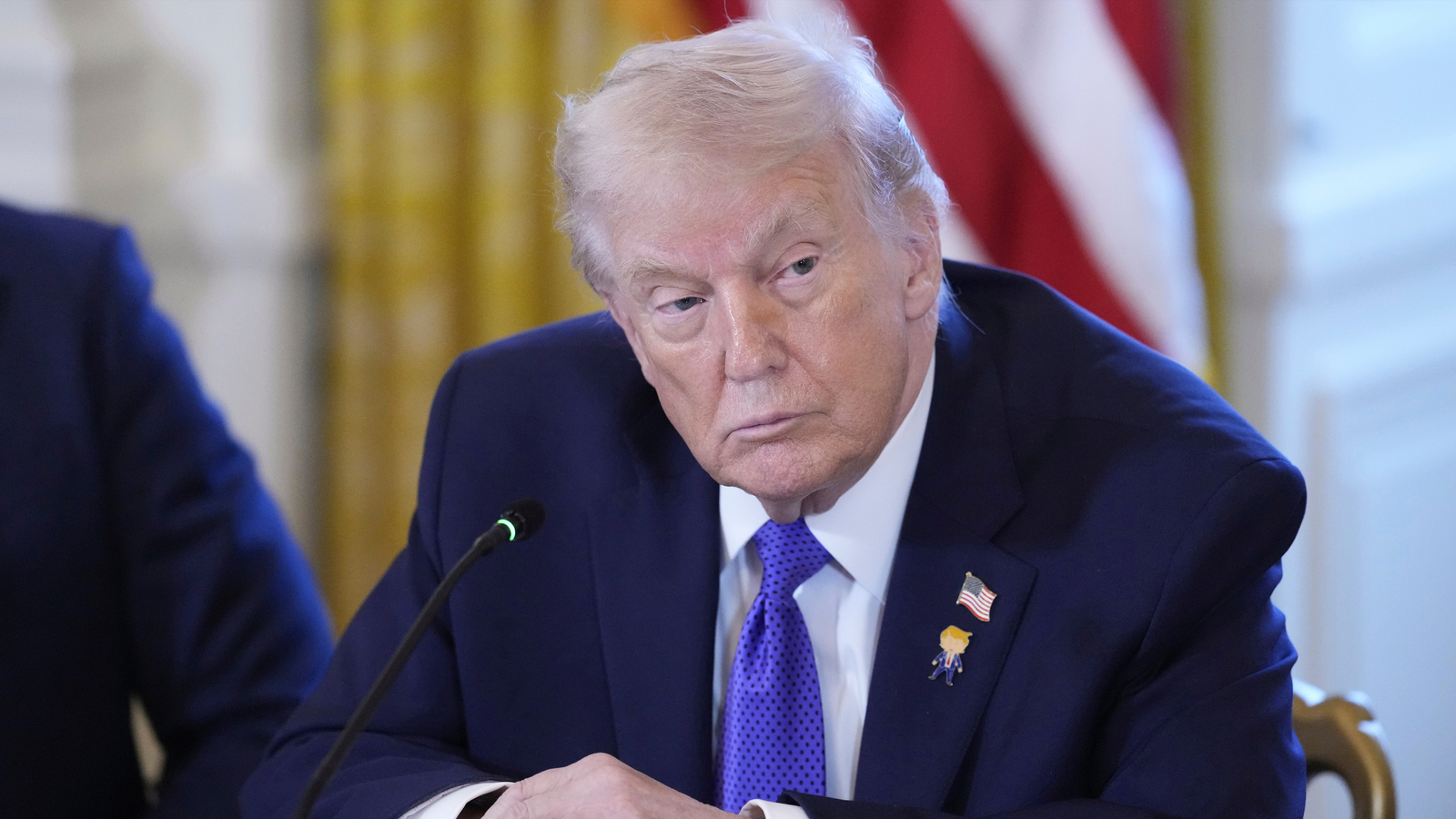
Less than a year ago, automakers found themselves on the cusp of tariff hell. Car companies were suddenly hit with a gut-punch of tariffs on their supply chains and completed vehicles. The U.S. imposed some hefty import duties on all things China in the hopes of protecting domestic manufacturers. Now President Trump is welcoming Chinese cars into the U.S.as long as they build them here.
US politics
from24/7 Wall St.
1 month agoThe F-150 Saved Ford
While Ford ( NYSE: F) was eating through billions of dollars in an attempt to gain a large market share in the US EV market and its EU and China units stagnated, its best-selling, and likely most profitable vehicle, the F-150, continued its gargantuan unit sales. The F-150 is part of the F-Series of full-size pickup trucks. Last year, unit sales of these in the US reached 828,832, up 8.3%.
Cars
[ Load more ]