#maduro-defiance
#maduro-defiance
[ follow ]
#venezuela

US politics
fromABC7 Los Angeles
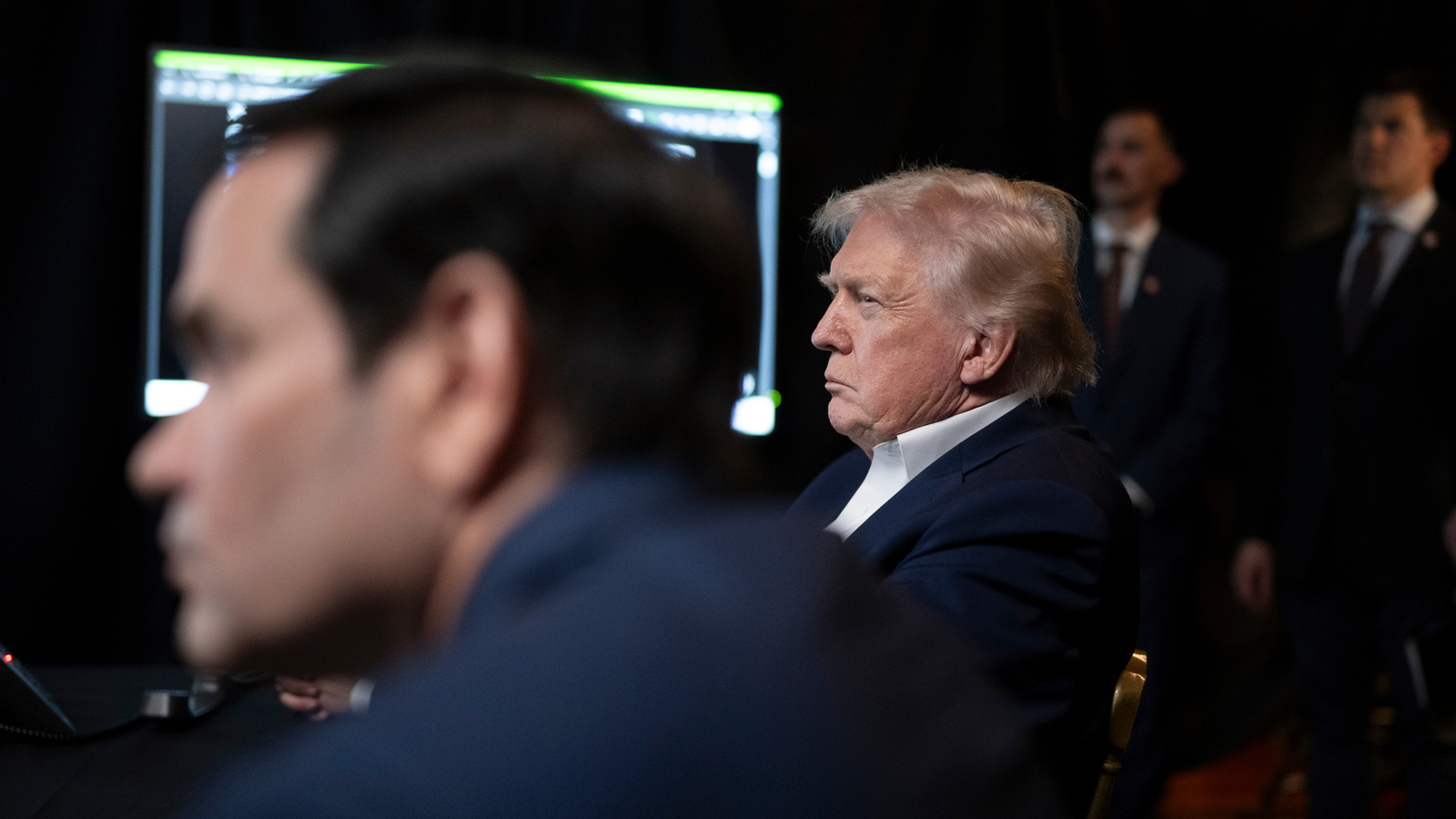
2 months agoTrump's vague claims of the US running Venezuela raise questions about planning for what comes next
U.S. leaders delivered vague, conflicting signals about managing Venezuela after Maduro's ouster, leaving significant uncertainty about post-Maduro governance and planning.

fromTruthout
2 months agoAs Trump Expands Imperial Aggression in Venezuela, Corporate Media Falls in Line
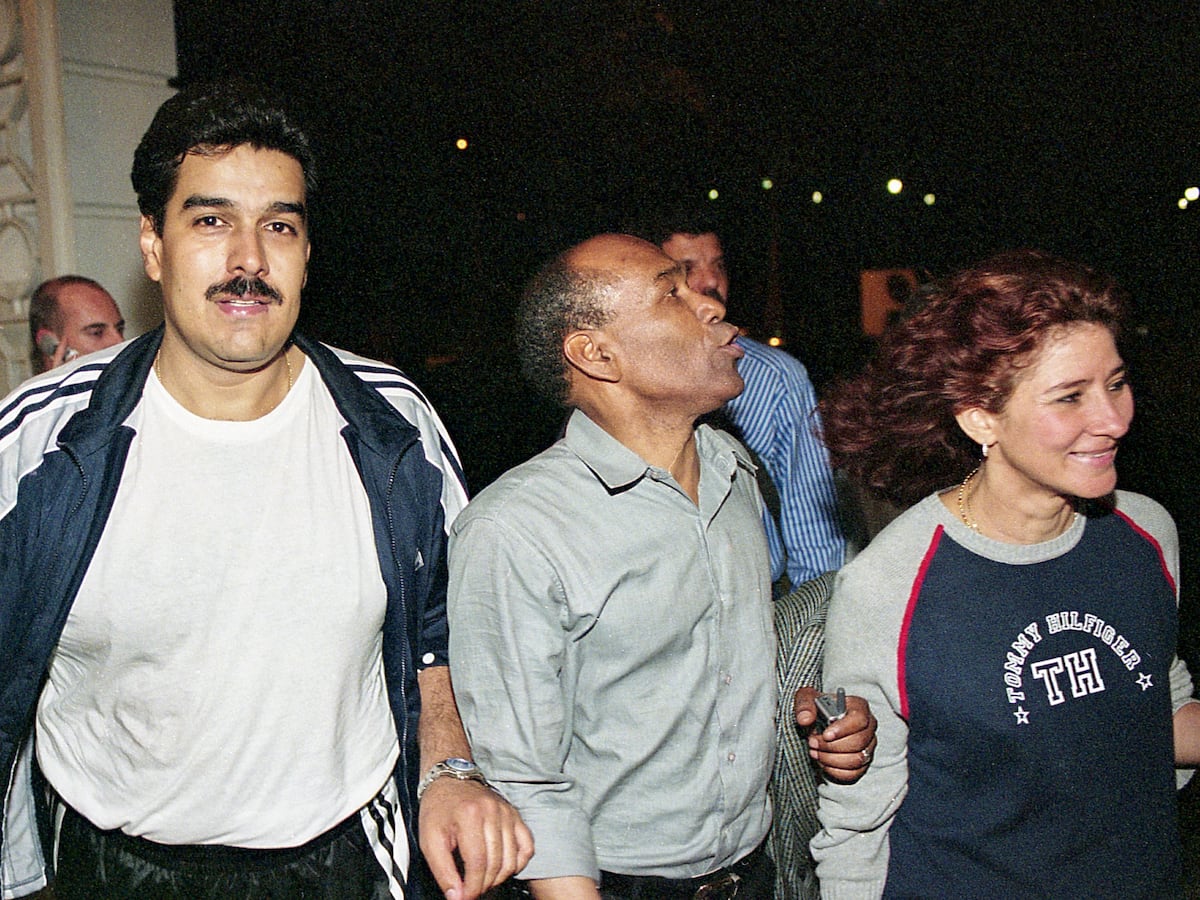
I watched the January 3 rd nightly coverage on CBS and NBC of the U.S. assault on Venezuela and the kidnapping of President Nicolás Maduro and his wife, and what I witnessed was not journalism but the choreography of propaganda. CBS, in particular, offered thirty uninterrupted minutes of state-sanctioned fantasy, anchored by a fawning interview with Secretary of War Pete Hegseth, a man implicated in the killing of more than one hundred people at sea without evidence, accountability, or due process.
US politics
fromThe Atlantic
2 months agoTrump's Folly
Kissinger, a brilliant, German-born statesman, embraced realpolitik-a pragmatic, power-based approach to foreign policy that downplays morality and ethics. Reagan believed that although realpolitik might be pursued by other nations, the concept was alien to the United States. He thought that it undermined American ideals, which were a source of strength and not a weakness. He promised that if he became president, he would place human rights and the expansion of human liberty at the center of his national-security strategy.
US politics
fromFortune
2 months agoWhy whatever's happening in Venezuela isn't 'regime change' | Fortune
The U.S. mission to seize Venezuela's President Nicolás Maduro has pushed the concept of regime change back into everyday conversation. "Regime Change in America's Back Yard," declared The New Yorker in a piece that typified the response to the Jan. 3 operation that saw Maduro exchange a compound in Caracas for a jail in Brooklyn. Commentators and politicians have been using the term as shorthand for removing Maduro and ending Venezuela's crisis, as if the two were essentially the same thing.
World politics
World news
fromenglish.elpais.com
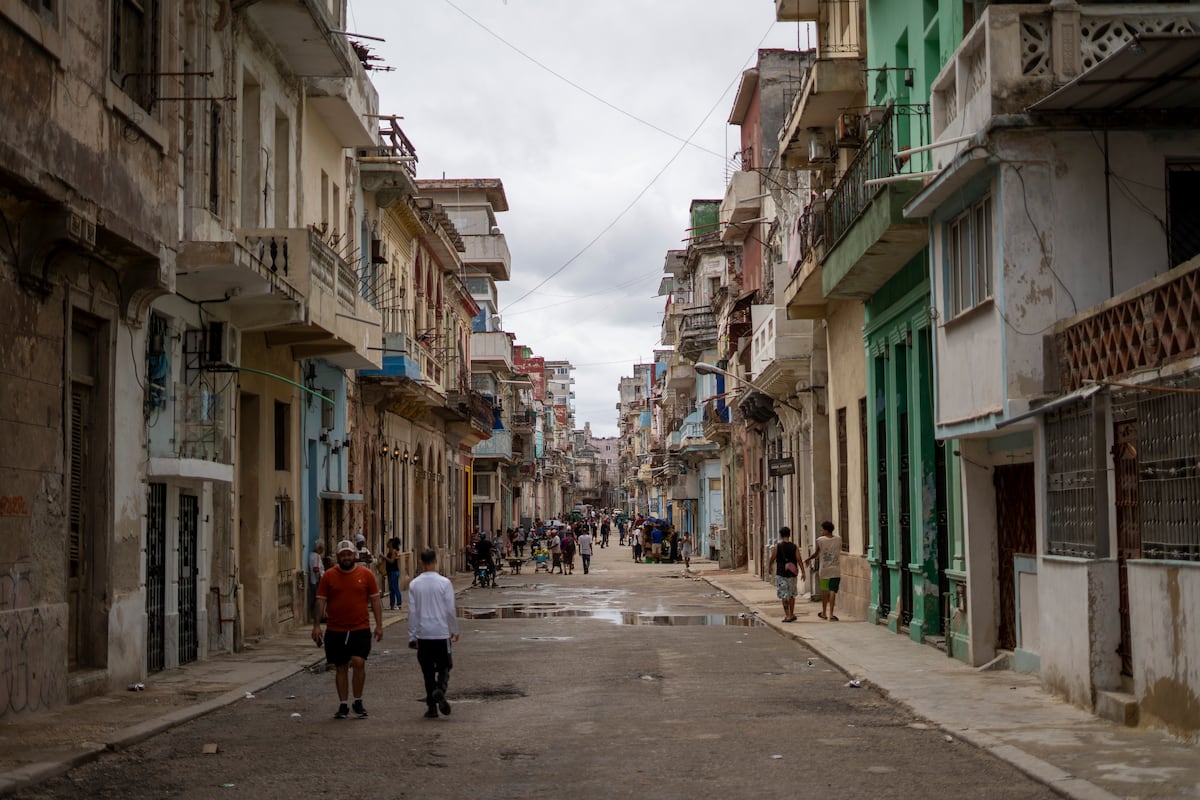
2 months agoJoy and fear in the new Venezuela: We're caught between something that won't die and something that won't be born'
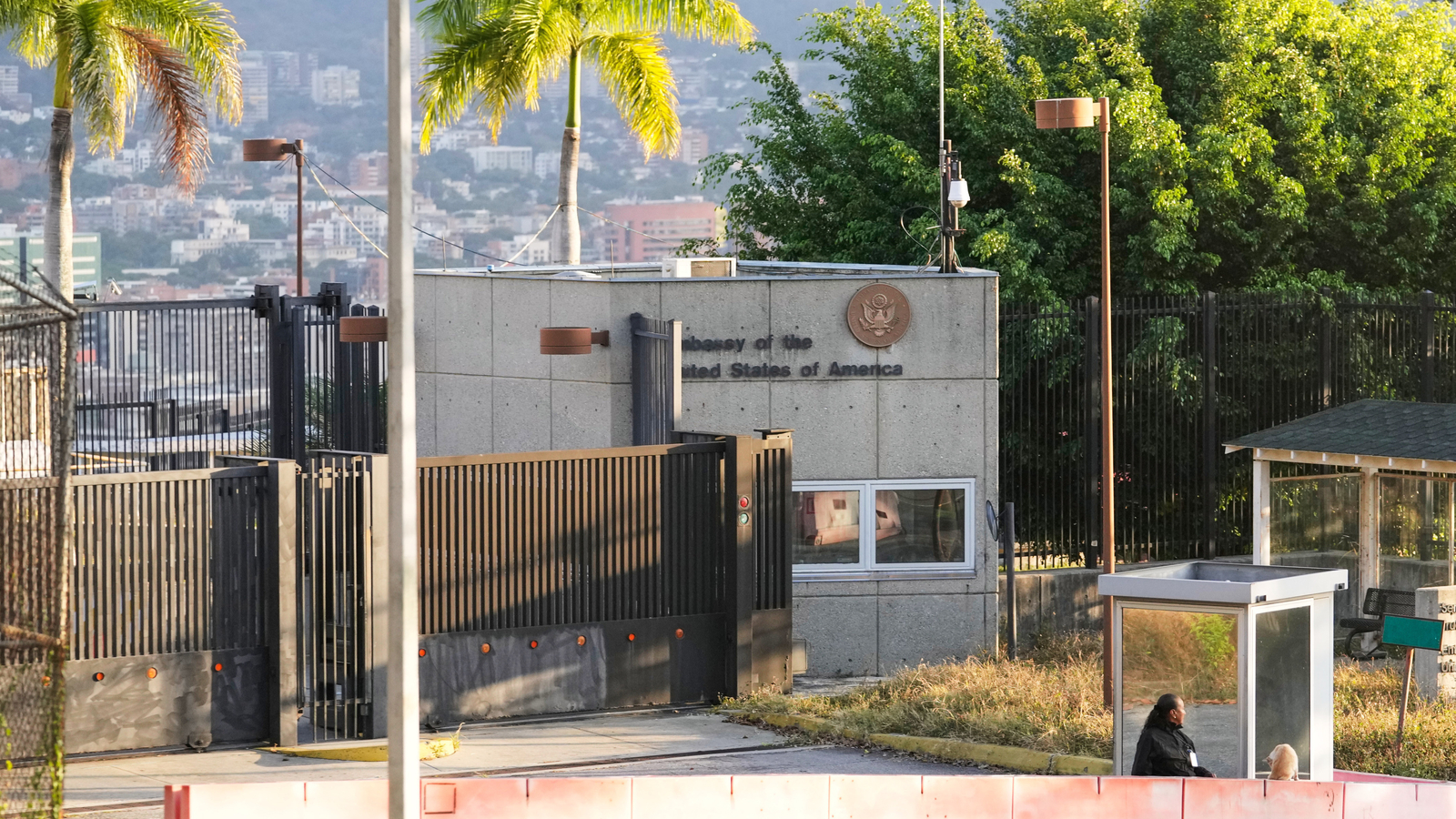
Venezuela is split between a Chavista elite accepting U.S. control and mass prisoner releases, and a silenced populace facing repression and paramilitary street control.
fromwww.theguardian.com
2 months agoWhat's in the US criminal indictment against Nicolas Maduro?
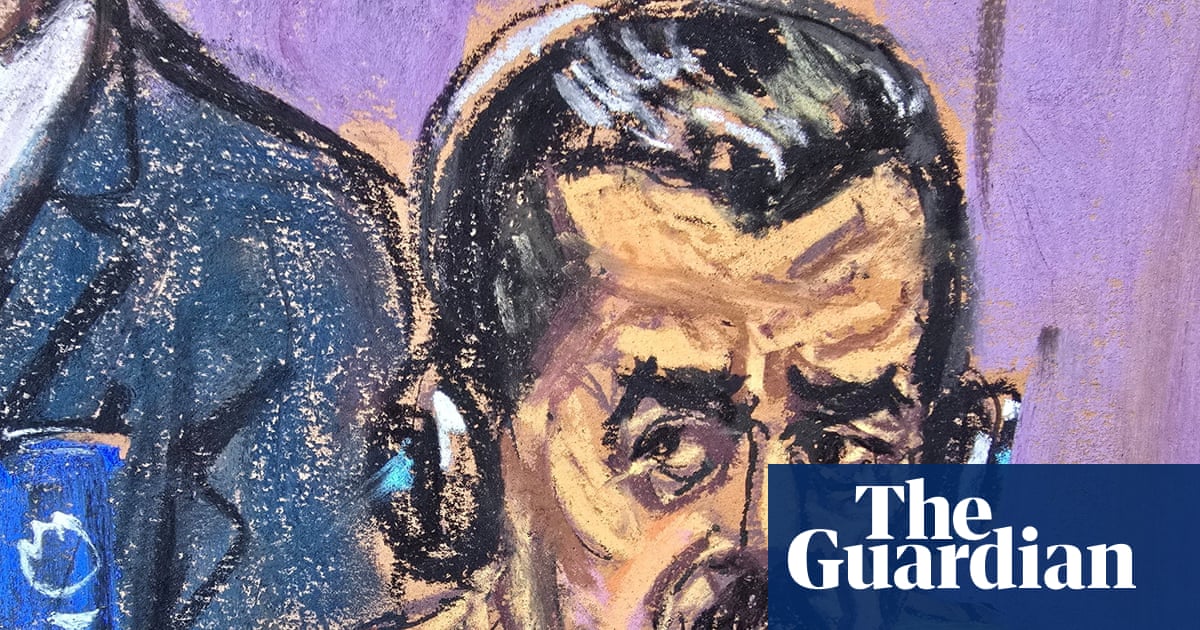
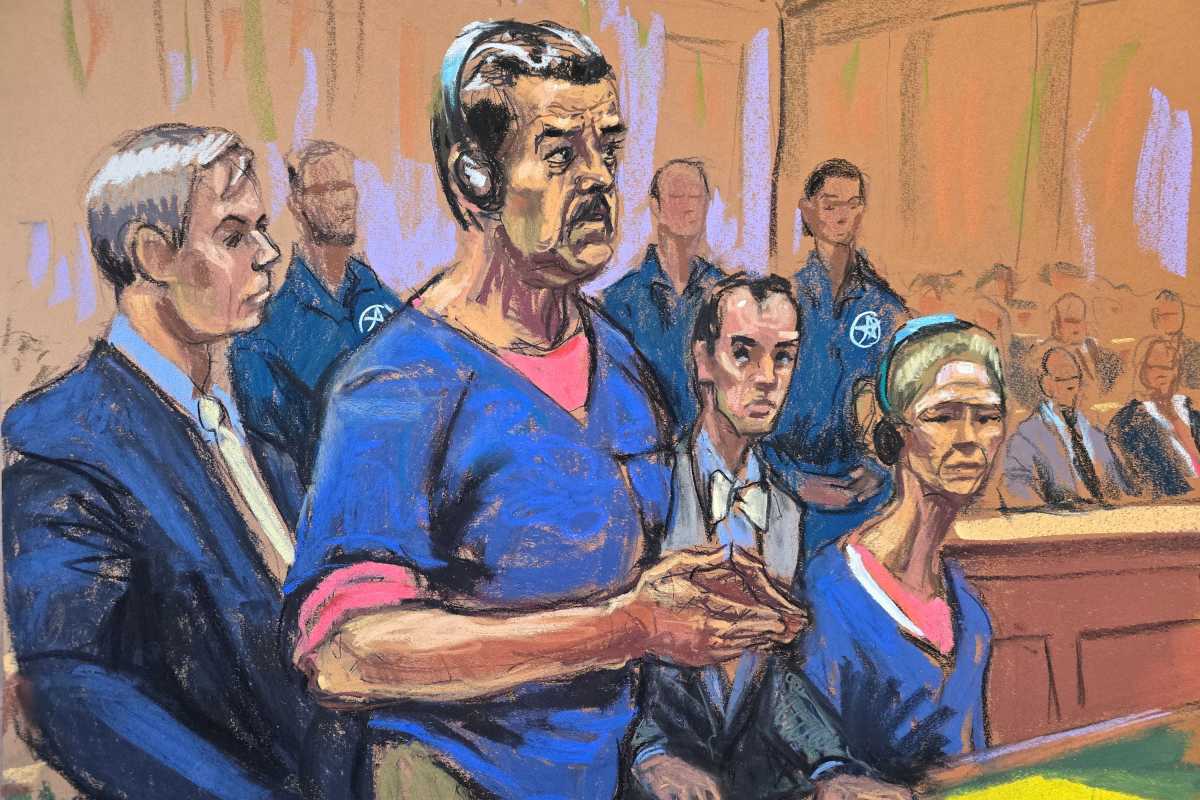
The superseding indictment alleges that Maduro and other top Venezuelan public officials have, for the past two decades, worked closely with international drug trafficking organizations to ship illicit drugs into the US while enriching themselves. The validity of the US complaint against Maduro and wife Cilia Flores is likely to be challenged in federal court in the New York on Monday over whether, as a foreign head of state, he can be put on trial in the US.
World news
fromThe Nation
2 months agoThe Assassination That Paved the Way for Trump's Venezuela Attack
The American abduction of Venezuelan President Nicolás Maduro is undoubtedly a massive and significant historical moment. Yet, despite the headlines it has generated and the victories the US government is touting, it is being simultaneously treated as something of a banal event-an expected move for the American government to undertake. The news of the seizure by American law enforcement of the leader of a sovereign state was met with some pro forma concern from the leaders of many European countries.
World news
[ Load more ]