Mindfulness
fromPsychology Today
1 day agoHow to Embrace Being "More" Spiritual
Awareness of the transcendent reveals depth and meaning in life, fostering spiritual growth and a sense of oneness with the world.
The Irish government will give 2,000 artists unrestricted weekly stipends in a program officials described as a "recognition, at government level, of the important role of the arts in Irish society." After a successful three-year pilot, the Irish government made its basic income program for artists permanent. Similar pilots have been launched here in the United States, but they're supported primarily by the nonprofit sector.
In this book of moons, I am writing for people for whom the medieval world and its literatures and arts may be unfamiliar. I hope that in telling the stories of medieval moons, I also introduce these readers to the wonderful, mesmerising realm of medieval texts and images. But I also hope that this book may be useful to those with greater familiarity with medieval languages, literatures, and arts.
While working on a graduate school paper on the mystical powers of coral, gemologist Anna Rasche ventured deep into the archives of the Cooper Hewitt Smithsonian Design Museum's library. Coral is the most powerful material to ward off the evil eye-a belief Italians have held since ancient times. Romans often gifted newborns coral amulets to prevent sickness and bad luck.
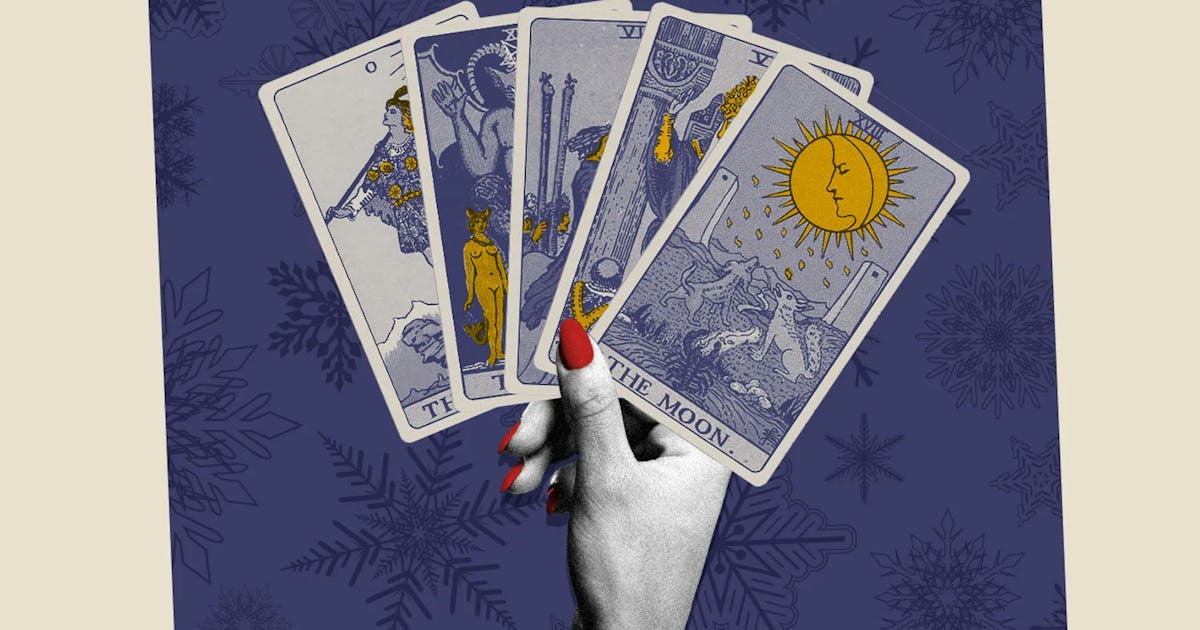
Even if it's cold, and even if you're so tired, you should still trudge out the door to meet your friends, go on the date, get to the workout class, or whatever else you have scheduled. The King of Pentacles has a reliable, steady energy, which is especially helpful if your New Year's resolutions are starting losing steam. Be kind to yourself in the days ahead, and treat others the same way. Everyone says they want a close-knit community, but you actually need to show up in order to create it.
An old definition of the word fate is "the will of the gods." We might say that it is a fitting metaphor, as it suggests that fate comes from a source much larger than ourselves. Its immensity will stretch way beyond what is in our control. We can ask: How can we create a life that reflects our dreams and what we hold to be important, when so much lies outside our sphere of influence?
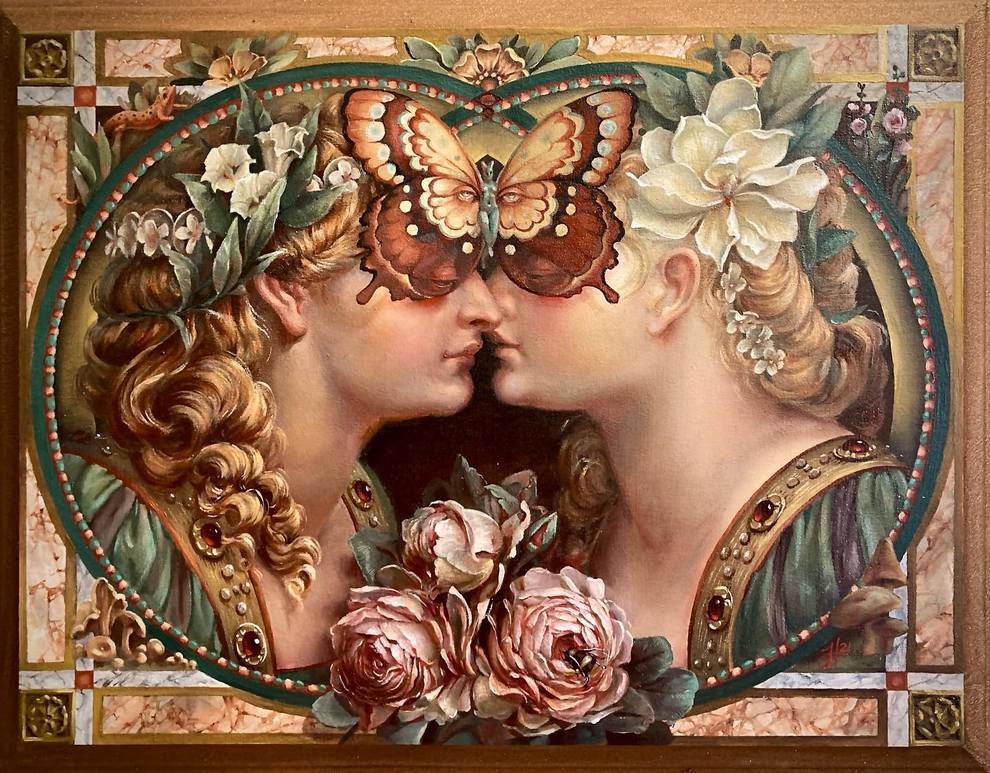
Looking to the Middle Ages for answers to the perennial puzzles of life can seem quaint, even artificial, a long reach across centuries marked by violence, hierarchy, and exclusion. And yet medieval culture offers a way of thinking about love that still speaks to the present. If love is most urgently tested in moments of strain and upheaval, then it is in those moments - where care is stressed or obscured - that its meaning comes most clearly into view.
Renais­sance artist Albrecht Dür­er (1471-1528) nev­er saw a rhi­no him­self, but by rely­ing on eye­wit­ness descrip­tions of the one King Manuel I of Por­tu­gal intend­ed as a gift to the Pope, he man­aged to ren­der a fair­ly real­is­tic one, all things con­sid­ered.
Abū Nuwās's poetry is sheer joy: it never fails to delight, surprise, and excite. His diwan, his collected poems, encompasses the principal early Abbasid poetic genres: panegyrics ( madīḥ), renunciant poems ( zuhdiyyāt), lampoons ( hijāʾ), hunting poems ( ṭardiyyāt), wine poems ( khamriyyāt), love poems ( ghazaliyyāt) to males ( mudhakkarāt) and females ( muʾannathāt), and transgressive verse ( mujūn).
Tattoos and fermentation rarely appear in the same conversation, yet across the world, they share a quiet kinship. Both are practices of transformation, crafts that reshape raw material over time through care and relationships to the land, the spiritual, and the community. Tattooing inscribes identity and ancestry onto skin, while fermentation preserves, nourishes, and binds communities through shared taste and ritual. Both create change, brewing something more than themselves through embodied knowledge passed between generations.
This open-access book brings together more than thirty essays on languages and the ways they develop, interact, and influence one another. Its main focus is the Middle East, where Hebrew, Arabic, and Aramaic long existed side by side and often overlapped in everyday use, scholarship, and culture. In line with Geoffrey (Khan)'s commitment to the maximally accessible dissemination of research, this Festschrift has been published in both open-access digital editions and affordable printed formats.
His investigation began after identifying recurring giant T-shapes, three-level indents, and step pyramids carved into ancient stones worldwide. 'These specific symbols that are built in different size proportions, and the symbols are found in ancient stones around the world, are not supposed to exist; no cultures are supposed to have any cross-platform,' LaCroix explained. The symbols appear in locations ranging from Turkey's Van region to South America and Cambodia.