Medicine
fromFast Company
1 day agoThe AI drug revolution is real but the hype around it isn't
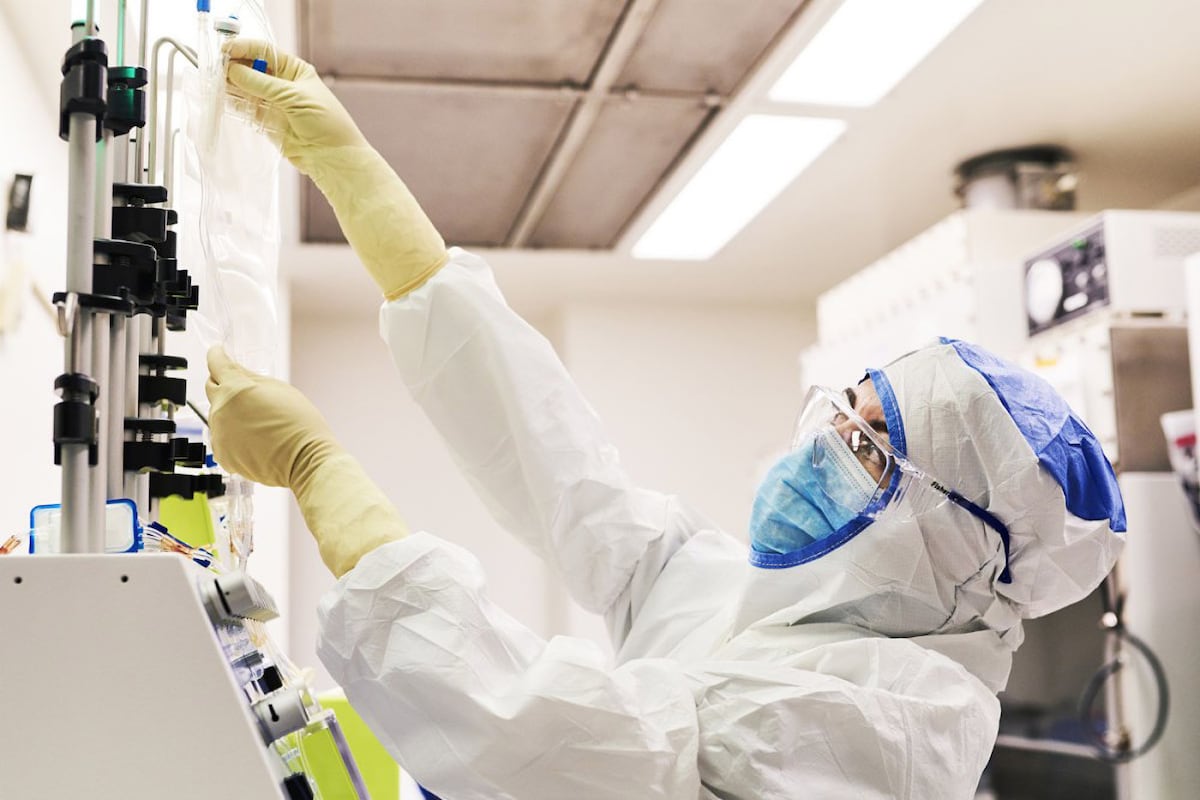
AI may revolutionize drug discovery, but it cannot simplify the complexities of human biology or guarantee successful treatments.
We knew that if you inject these nanoparticles into an animal model, the nanoparticles get taken up by antigen presenting cells and this resulted in increased regulatory T-cells and decreased inflammatory disease. However, we did not know how this happens,
Before treatment began, participants underwent neuroimaging. Instead of relying on a single modality, the researchers fused structural connectivity (how regions are physically wired) with functional connectivity (how regions co-activate at rest). The goal was not to throw every possible feature at a black box, but to learn a constrained pattern-what the authors call structure-function "covariation"-that carries the most predictive signal for outcome. In other words, the model tries to find the smallest set of connections that meaningfully forecasts symptom change.
Now, researchers have created an artificial-intelligence system that vastly simplifies and accelerates the process of chemical synthesis. The system, which is called MOSAIC and is described in a study published in Nature on 19 January, recommended conditions that researchers were able to use to generate 35 compounds with the potential to become products like pharmaceuticals, agrochemicals or cosmetics without needing to do any further trawling or tweaking.