#mandatory-biometric-id
#mandatory-biometric-id
[ follow ]
#privacy #cybersecurity #facial-recognition #data-privacy #surveillance #data-breach #privacy-concerns
fromComputerworld
2 days agoA core infrastructure engineer pleads guilty to federal charges in insider attack
Rhyne's attack involved unauthorized remote desktop sessions, deletion of network administrator accounts, and changing of passwords, showcasing significant security vulnerabilities.
Information security

fromSecurityWeek
3 days agoLinx Security Raises $50 Million for Identity Security and Governance
Linx has built an AI-native platform that maps, monitors, and governs human, non-human, and agentic identities across the entire enterprise environment, relying on real-time detection and automated remediation to reduce identity-related risks.
Venture



#data-breach
Privacy professionals
fromSilicon Canals
2 days agoA fintech app asked users for their passports - then left 360,000 files unprotected for five years - Silicon Canals
A money transfer app exposed over 360,000 sensitive files on a public server for nearly five years, including unencrypted personal documents.
Privacy technologies
fromTechCrunch
3 days agoExclusive: Money transfer app Duc exposed thousands of driver's licenses and passports to the open web
A publicly accessible Amazon storage server exposed personal data of hundreds of thousands, including driver's licenses and passports, without encryption.

fromWIRED
2 days agoCBP Facility Codes Sure Seem to Have Leaked Via Online Flashcards
The public Quizlet set contained information about alleged codes for specific facility entrances. 'Checkpoint doors code?' asked one card, with a specific four-digit combination listed in response.
Privacy professionals
fromTheregister
2 days agoNHS staff resist using Palantir software
One official reportedly described Palantir as 'ethically bankrupt' in justifying his refusal to use the software, and noted that he knows of coworkers who deliberately slow their work pace when forced to use the system.
EU data protection

Privacy professionals
fromSilicon Canals
2 days agoA money-transfer app stored customer passports on an unencrypted, publicly accessible server for nearly five years - Silicon Canals
Fintech companies face regulatory pressure to collect identity documents but lack enforceable obligations to protect them, leading to data breaches.
Healthcare
fromNextgov.com
3 weeks agoCMS touts early uses of new biometric verification tools for Medicare.gov
CMS launched modern identity verification options (Login.gov, ID.me, CLEAR) on Medicare.gov, with 25% of users adopting them within five to six days and 60% of new accounts using these credentials.
#digital-id
UK politics
fromPinkNews | Latest lesbian, gay, bi and trans news | LGBTQ+ news
3 weeks agoDigital IDs won't require sex and gender data, government confirms
The UK government's relaunched voluntary digital ID scheme will not collect sex or gender information, addressing concerns that it could out trans people.


UK politics
fromPinkNews | Latest lesbian, gay, bi and trans news | LGBTQ+ news
3 weeks agoDigital IDs won't require sex and gender data, government confirms
The UK government's relaunched voluntary digital ID scheme will not collect sex or gender information, addressing concerns that it could out trans people.
#facial-recognition-technology
EU data protection
fromPrivacy International
3 weeks agoPrivacy International's response to the UK Home Office consultation on facial recognition technology
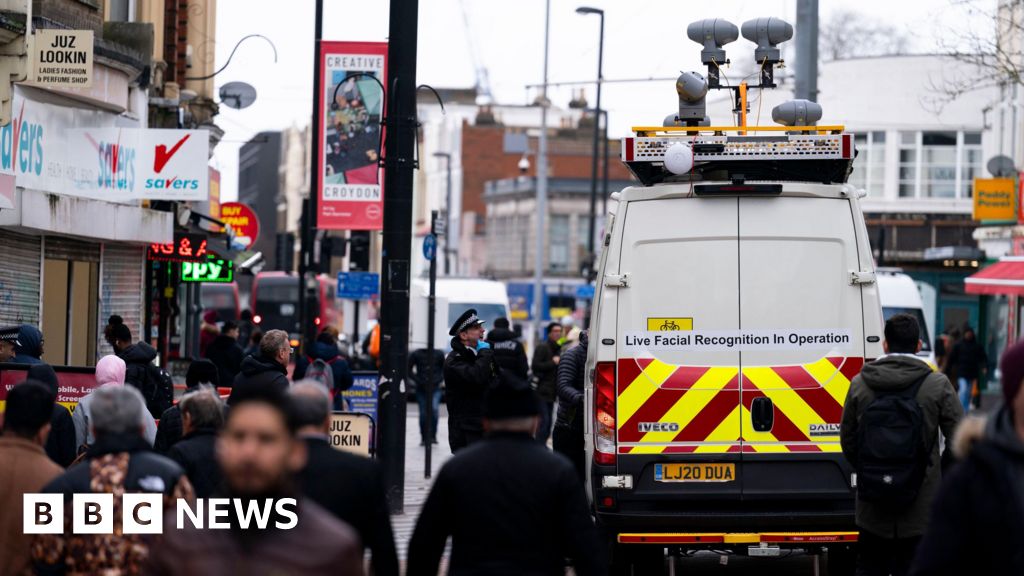
Privacy International advocates for strict safeguards on law enforcement biometric and facial recognition technology use, including prohibitions on live facial recognition, operator-initiated systems, and protest surveillance.
Privacy professionals
fromMedCity News
2 weeks agoThe Evolving Landscape of Privacy and Cybersecurity: Essential Strategies for Legal and Compliance Professionals - MedCity News
Organizations must combine strong controls with comprehensive employee training and accountability culture to effectively protect sensitive data and comply with evolving privacy laws.
Privacy professionals
fromTheregister
2 weeks agoAge verification isn't sage verification inside OSes
California's Digital Age Assurance Act attempts age verification for minors but is vague, incoherent, and creates liability risks without clearly defining compliance requirements or addressing practical implementation across diverse computing devices.





US politics
fromFuturism
2 months agoICE Is Scanning Civilians' Faces, Telling Them They're Being Entered Into a Terrorism Database
Immigration officers are photographing civilian faces and indicating those images may be entered into a government facial identification database, raising surveillance and civil liberties concerns.
fromWIRED
1 month agoICE and CBP's Face-Recognition App Can't Actually Verify Who People Are
Mobile Fortify, now used by United States immigration agents in towns and cities across the US, is not designed to reliably identify people in the streets and was deployed without the scrutiny that has historically governed the rollout of technologies that impact people's privacy, according to records reviewed by WIRED. The Department of Homeland Security launched Mobile Fortify in the spring of 2025 to "determine or verify" the identities of individuals stopped or detained by DHS officers during federal operations, records show.
Privacy technologies
Privacy technologies
fromTechCrunch
1 month agoIndia makes Aadhaar more ubiquitous, but critics say security and privacy concerns remain | TechCrunch
India is expanding Aadhaar's everyday use via a new app, offline verification, and mobile-wallet integration, raising security, consent, and database-use concerns.
[ Load more ]