Germany news
fromwww.dw.com
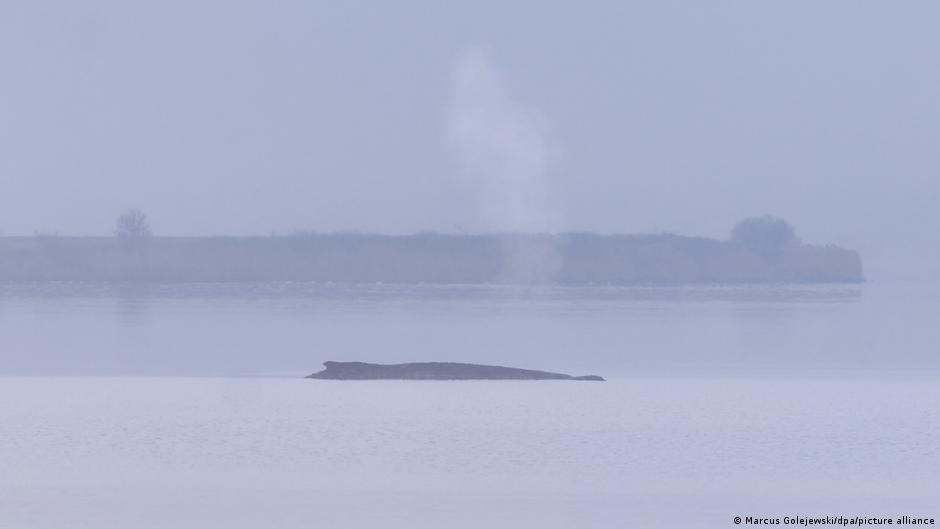
4 days agoGermany news: Baltic humpback whale 'Timmy' still breathing
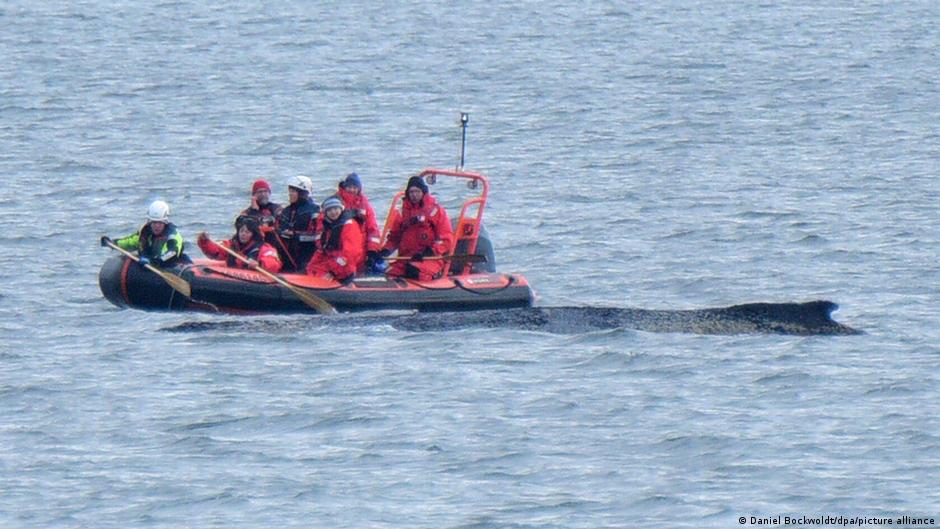
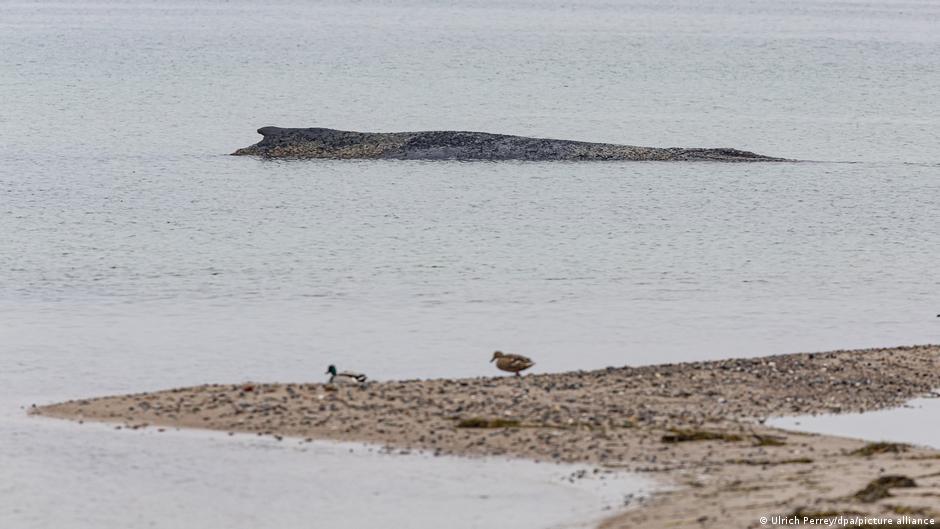
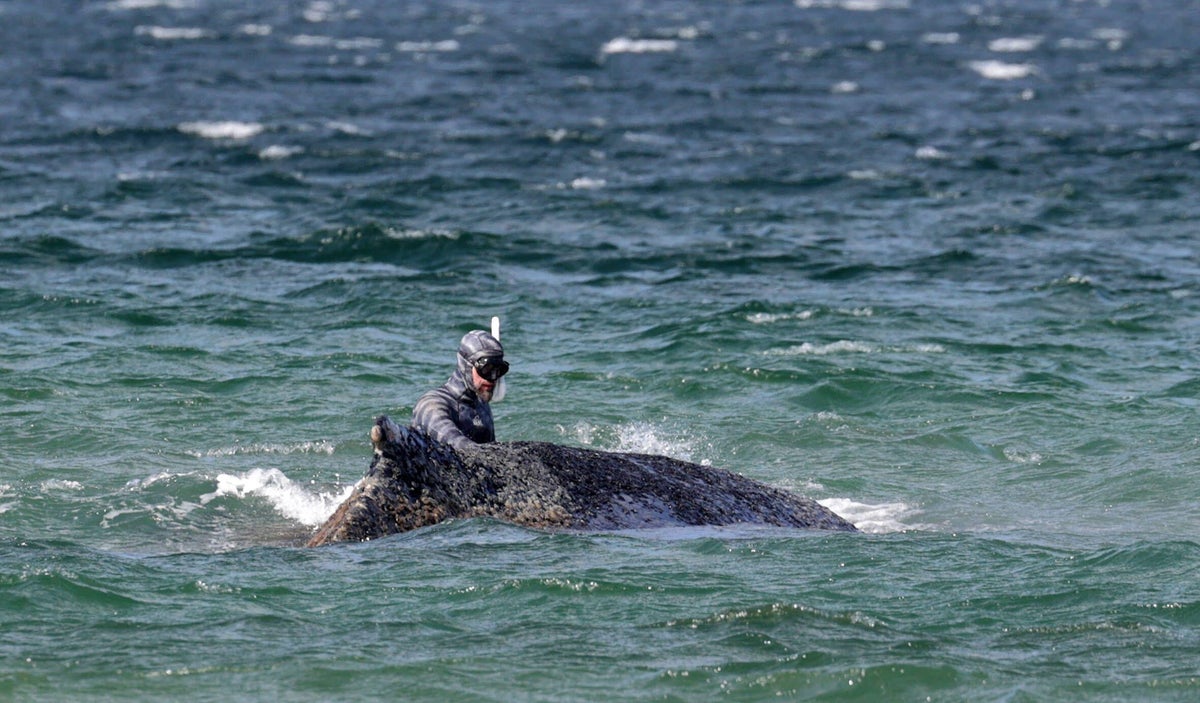
A humpback whale named 'Timmy' is stranded in shallow Baltic waters, prompting ongoing monitoring by officials.
Antarctica is one of the most successful models of peaceful governance and international cooperation. If we don't actively work to build peace, what naturally arises is tension and conflict.
When light shines through water, colors with longer wavelengths are absorbed by the water, with the longest wavelengths absorbed first. Blue and violet have the shortest wavelengths of visible light, so they are able to penetrate the deepest.
"They didn't even try to fly away. They just feebly made noise," a woman told the Santa Barbara Independent on Saturday after spotting over two dozen dead or dying cormorants near Goleta Beach. "A few were on their stomachs, wings spread [and] gasping for breath.... Heartbreaking."
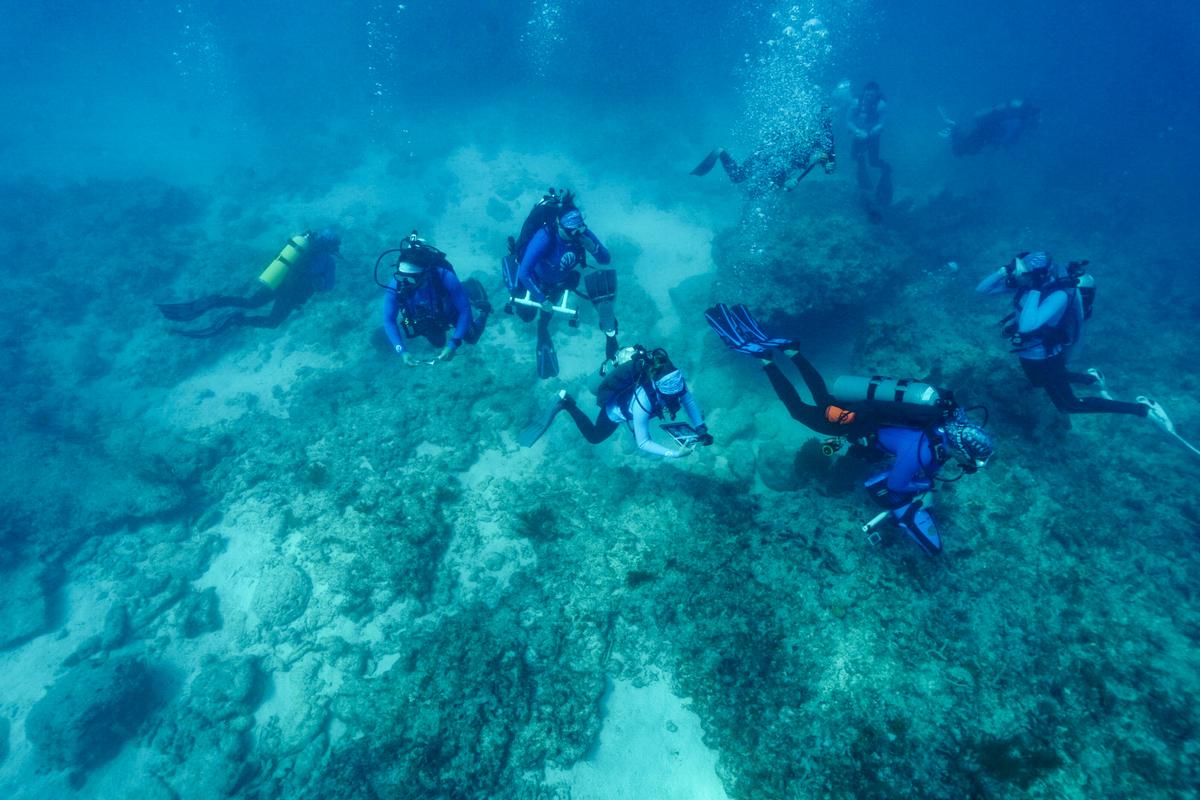
These reefs are living, breathing snapshots of a watery world that you can peek into: refreshing oases where the noise of the land falls away; in its place, an intricate and utterly at-ease slice of life that you're lucky enough to witness.
"There are not very many conservation issues that I'm aware of where industry and conservationists and consumers and the fishermen and the resource users all want the same thing. Every stakeholder wants less bycatch."
During major floods, thousands of tiny fish convene at Luvilombo Falls in the upper Congo River Basin to undertake a peculiar vertical migration, described for the first time today in Scientific Reports.
'Our results show that the next 20 years are critical,' lead author Dr Rob Cooke told the Daily Mail. 'By around 2050, we reach a point where the choices we make on emissions and land use will largely determine whether Britain moves towards a much more degraded or a much more nature‑positive future.'
If you enter the amounts of different types of plastic that you clean up into the Wildlife Impact Calculator, it will tell you how many animal lives would have been at risk, had those items made their way into the ocean and been ingested.
In February 2023, an article in the Mexican press announced the capture of a vessel some 195 nautical miles from the port of Lazaro Cardenas in the state of Michoacan. It had been carrying nearly 700 pounds of cocaine packaged in plastic-wrapped bricks, in addition to 1,650 liters of hydrocarbons in 33 plastic containers. Two Ecuadorian fishermen were among the five detainees, and their immigration records showed unusual activity.
The government said the plans would increase the number of England's official bathing sites to 464. An official bathing spot on the Thames in London would mark a "vast transformation" in water quality in the river which was declared biologically dead in the 1950s due to pollution, officials said. Water minister Emma Hardy said rivers and beaches were "at the heart of so many communities, where people come together, families make memories and swimmers of all ages feel the benefits of being outdoors safely".
Off the deep waters of Kumejima, Japan, Steven Kovacs captured an image that would be awarded Best in Show for the 2025 Ocean Art Photography Contest. Traveling to the Okinawa prefecture in the hopes of encountering a scarcely documented species of larval goosefish, Kovacs spent nearly two weeks blackwater diving before photographing the rare moment. "Unfortunately, this beautiful little fish turned out to be incredibly uncooperative and difficult to photograph," Kovacs says.
The three-part docudrama Dirty Business, which started on Channel 4 on Monday and concluded midweek, has made the notion of going into the sea in the UK terrifying and unlike Jaws, this story is real. It is an example of what good drama can do that even the best reporting can't quite achieve.
The world spends 30 times more money destroying nature than protecting it. That's according to a new report from the United Nations Environment Programme (UNEP) that exposes a massive gulf between so-called "harmful investments" and financing that promotes nature preservation. The global environment agency's latest "State of Finance for Nature" (SNF) report is calling to phase out the US$7.3 trillion (6.2 trillion) in global investments that damage nature including into high-emissions energy infrastructure and manufacturing, for example.
One of the most precious marine reserves in the world, home to sharks, turtles and rare tropical fish, will be opened to some fishing for the first time in 16 years under the UK government's deal to hand back the Chagos Islands to Mauritius. Allowing non-commercial fishing in the marine protected area (MPA) is seen as an essential part of the Chagossian people's return to the islands, as the community previously relied on fishing as their main livelihood.
Raw sewage and solid waste flow into the bay from surrounding cities, home to more than 8 million people. Cargo ships and oil platforms chug in and out of commercial ports, while dozens of abandoned vessels lie rotting in the water. But at the head of the bay, between the cities of Itaborai and Mage, the environment feels different. The air is purer, the waters are empty but for small fishing canoes, and flocks of birds soar overhead.