#maritime-anti-narcotics-campaign
#maritime-anti-narcotics-campaign
[ follow ]
#drug-trafficking #cuba #us-military #venezuela #extrajudicial-killings #humanitarian-aid #narco-terrorism
#drug-trafficking

World news
fromAxios
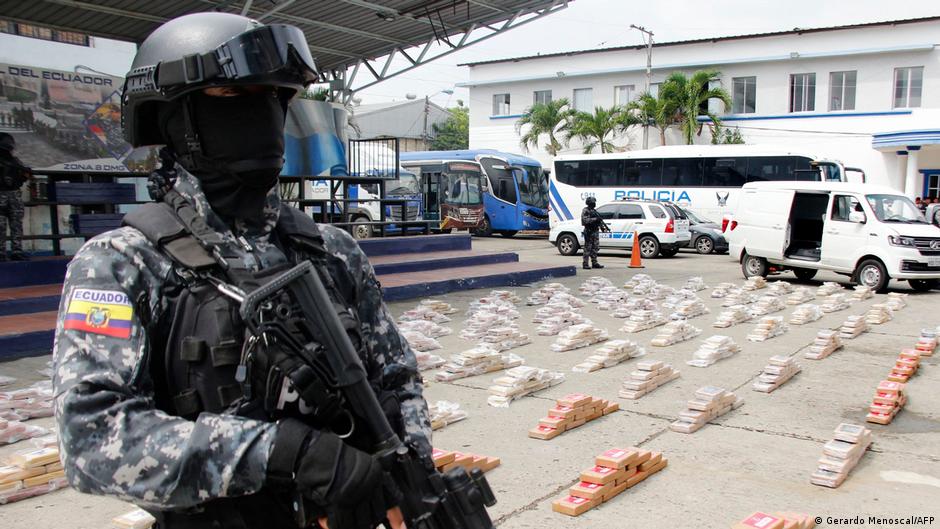
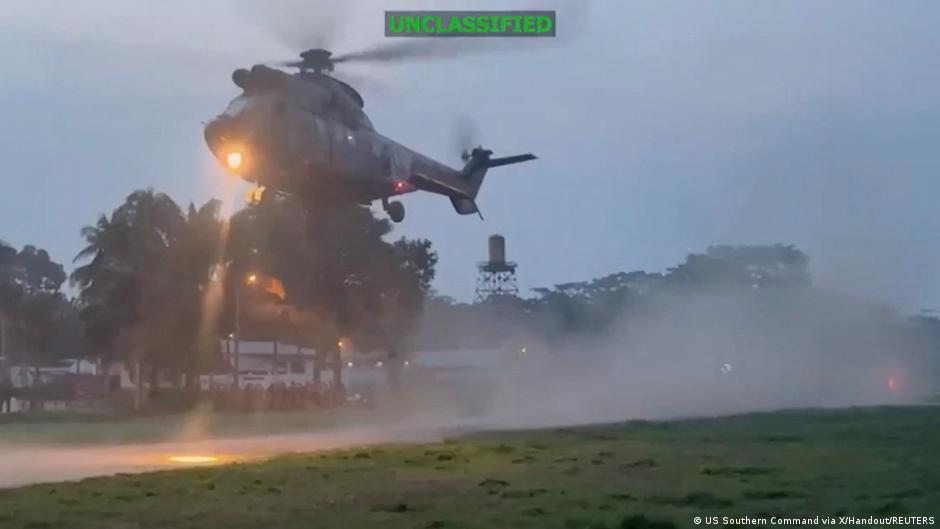
1 month agoU.S., Ecuadorian forces target "narco-terrorists" in Ecuador military operations
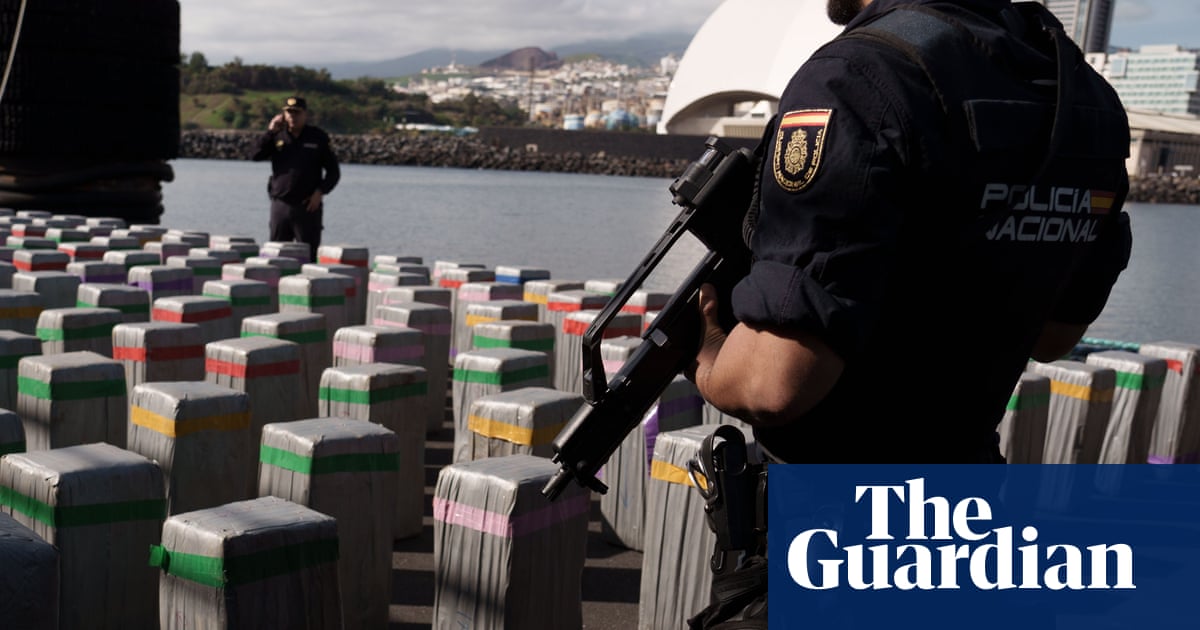
The U.S. military has conducted over 40 strikes against drug trafficking in the Caribbean and Pacific in six months, with joint operations expanding in Ecuador and regional allies targeting narco-terrorism.

World news
fromAxios
1 month agoU.S., Ecuadorian forces target "narco-terrorists" in Ecuador military operations
The U.S. military has conducted over 40 strikes against drug trafficking in the Caribbean and Pacific in six months, with joint operations expanding in Ecuador and regional allies targeting narco-terrorism.






fromWIRED
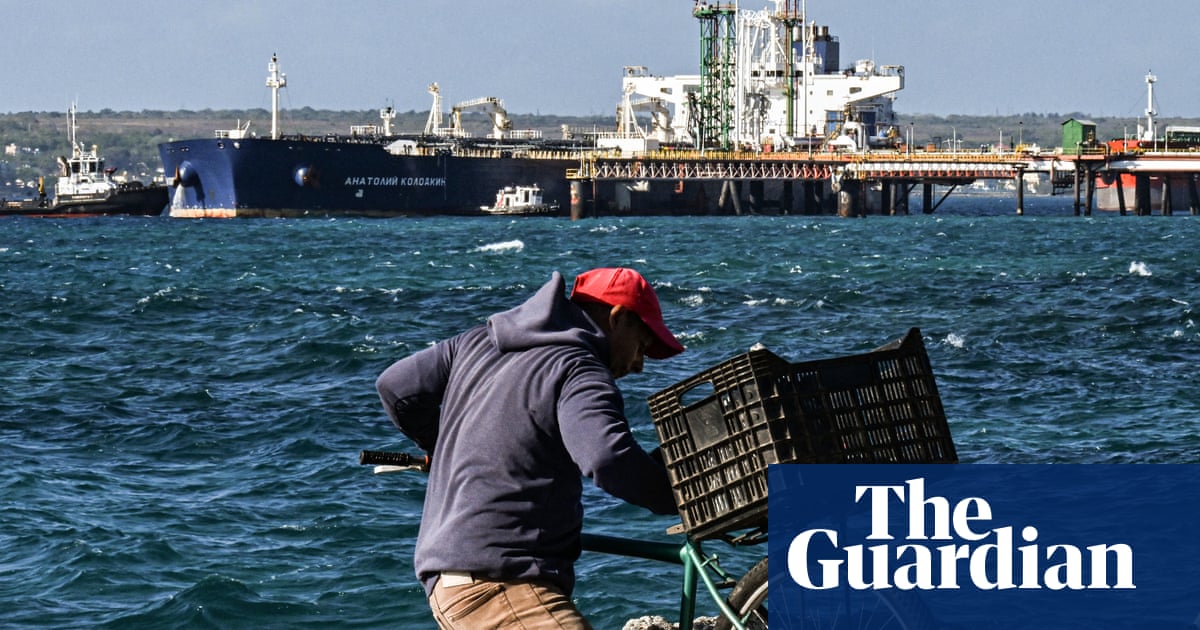
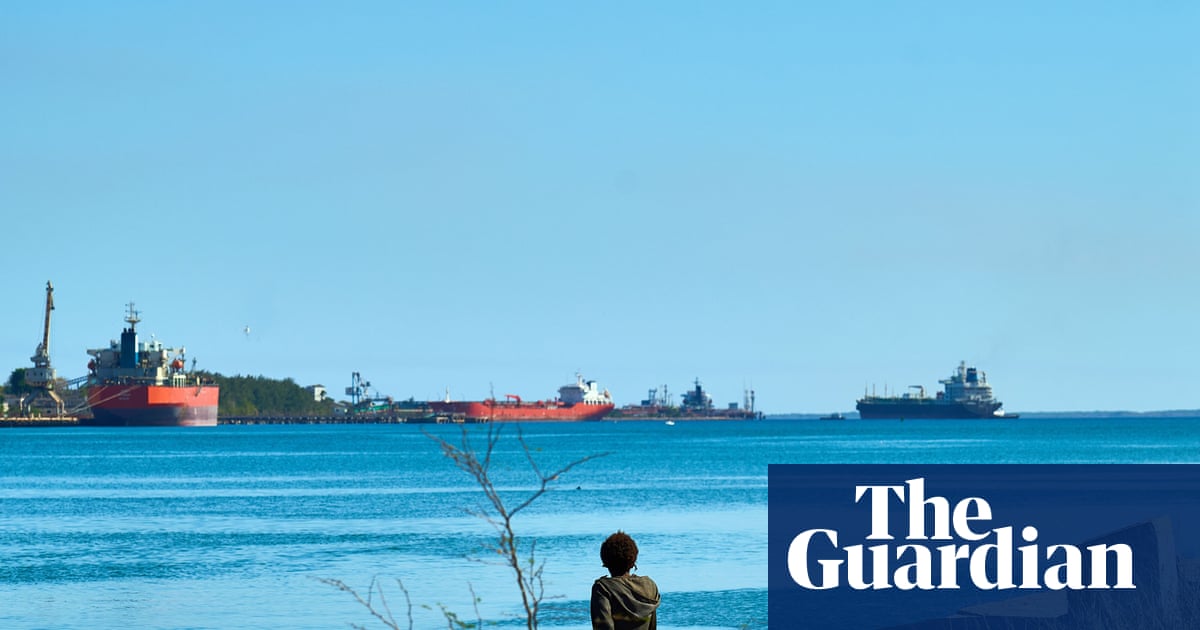
5 days agoThe Broken System That Keeps Shipping Crews Stranded in the Strait of Hormuz
When the war broke out, we put a Warlike Operations Area Committee in place to address the protection of seafarers in the region. The organization has identified certain maritime routes in the region, including the Arabian Gulf, the Strait of Hormuz, and some parts of the Gulf of Oman as high-risk areas, encouraging ship owners to allow seafarers to terminate contracts if they choose not to operate in those zones.
World politics




World politics
fromwww.aljazeera.com
3 weeks agoAdvocates push for major probe as US boat strikes in Latin America kill 157
The Inter-American Commission on Human Rights will hold its first hearing on alleged US extrajudicial killings during military strikes against suspected drug-smuggling boats in the Caribbean and eastern Pacific that began in September, with nearly 157 people killed and minimal public information released.
fromwww.npr.org
3 weeks agoU.S. military kills 6 in strike on alleged drug boat in the Eastern Pacific
Sunday's attack brought the death toll to at least 157 people since the Trump administration began targeting those it calls "narcoterrorists" in small vessels in early September. As with most of the military's statements on the more than 40 known strikes in the Eastern Pacific Ocean and Caribbean Sea, U.S. Southern Command said it targeted alleged drug traffickers along known smuggling routes.
US news
#us-military-operations
US news
fromwww.aljazeera.com
3 weeks agoUS military kills six in strike on alleged drug boat in the Eastern Pacific
The US military has killed at least 157 people in over 40 strikes against suspected drug-smuggling vessels in the Eastern Pacific and Caribbean since September under Trump's administration's narcoterrorism campaign.
World news
fromwww.theguardian.com
3 weeks agoUS military kills six in strike on alleged drug boat in Pacific
The US military has killed at least 157 people in over 40 strikes against alleged drug-smuggling vessels in the Eastern Pacific and Caribbean since September under the Trump administration's anti-narcoterrorism campaign.
World politics
fromwww.dw.com
1 month agoUS urges Latin America to use military against drug cartels
Pentagon chief Hegseth convened a cartel-focused security conference with conservative Latin American allies, pledging aggressive military action against drug trafficking organizations and warning that the US will act unilaterally if necessary.
World politics
fromwww.theguardian.com
1 month agoDismay as Hegseth urges Latin American allies to join offense' against cartels
The Trump administration threatens unilateral military action against drug cartels in Latin America if countries don't adopt more aggressive approaches, while pursuing broader geopolitical and resource interests in the region.

fromwww.theguardian.com
1 month agoThe rise of the cocaine submarine podcast
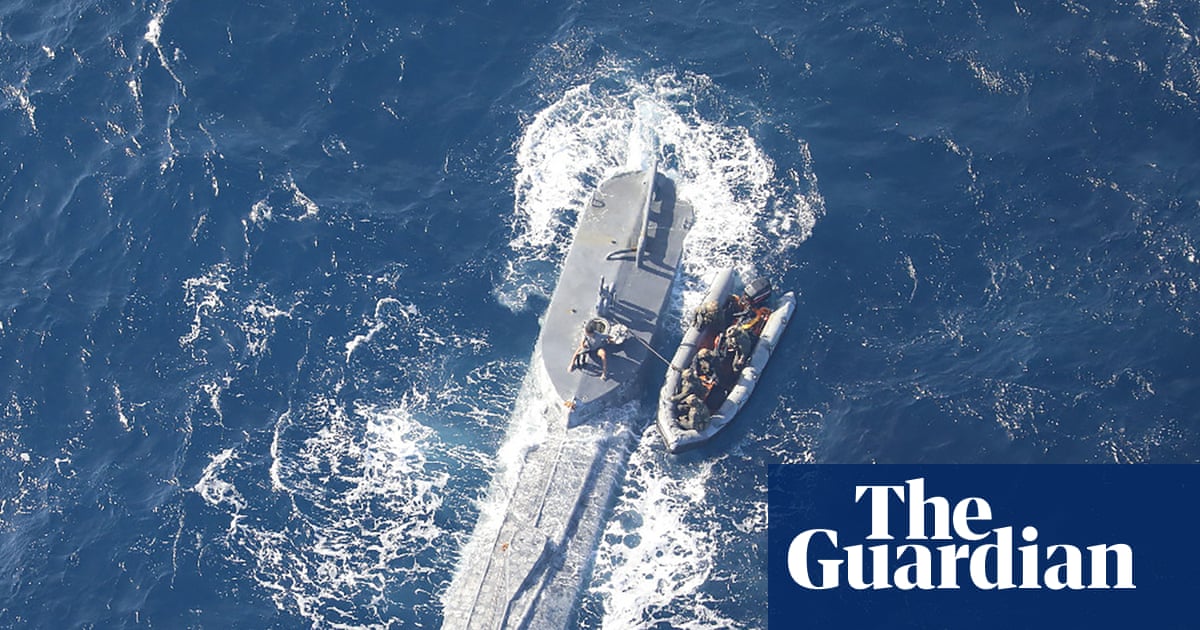
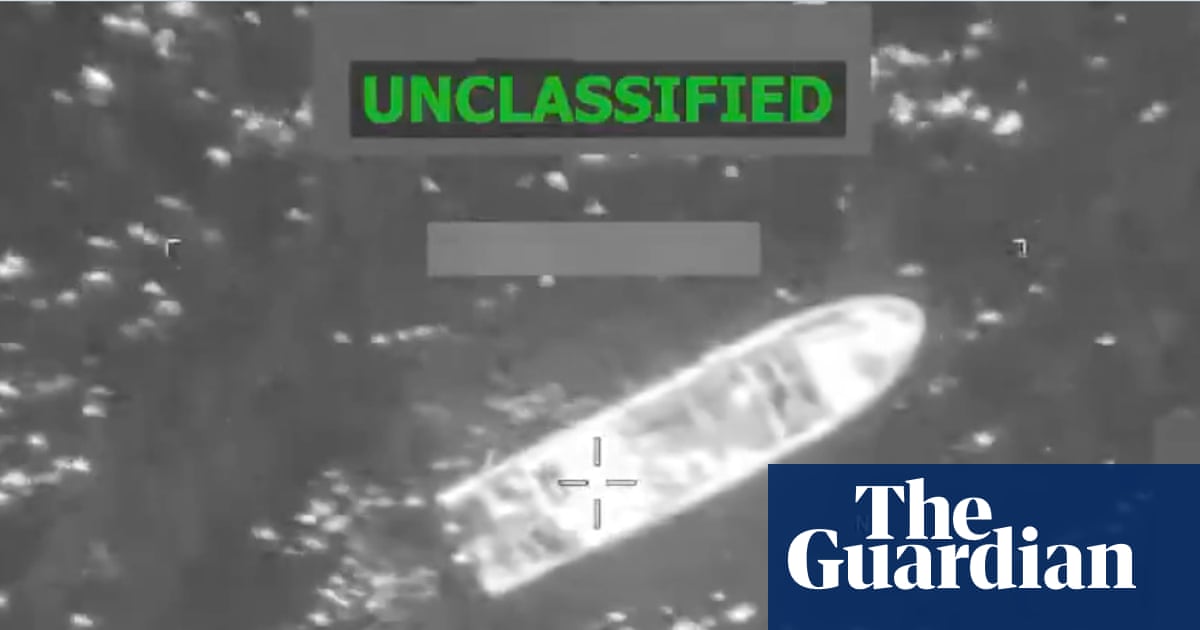
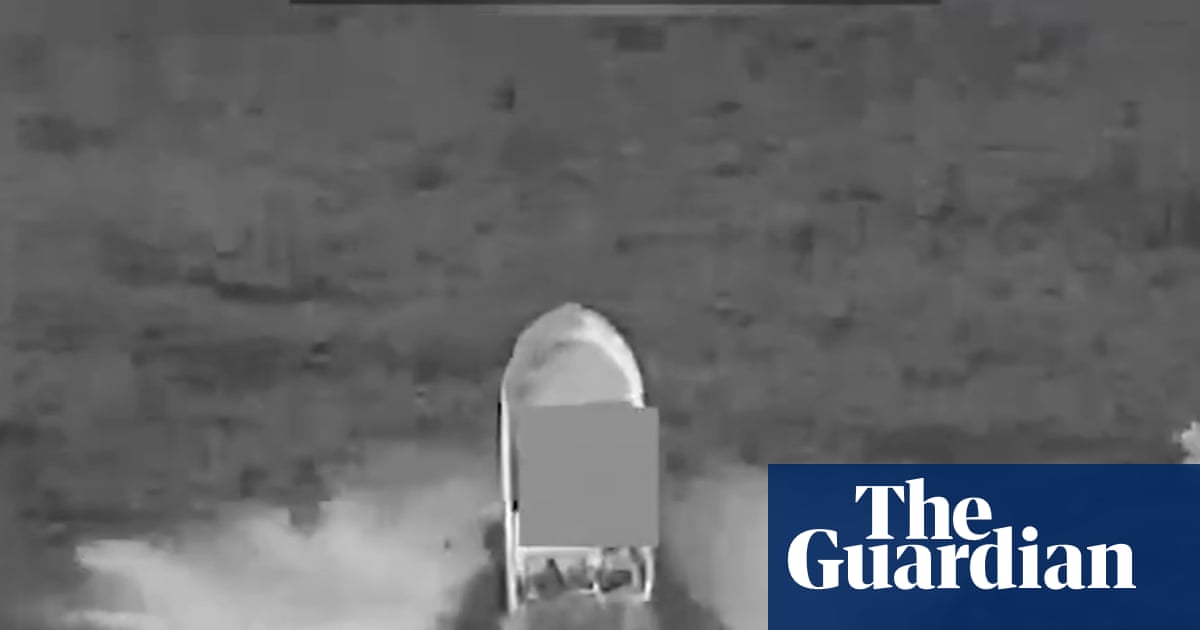
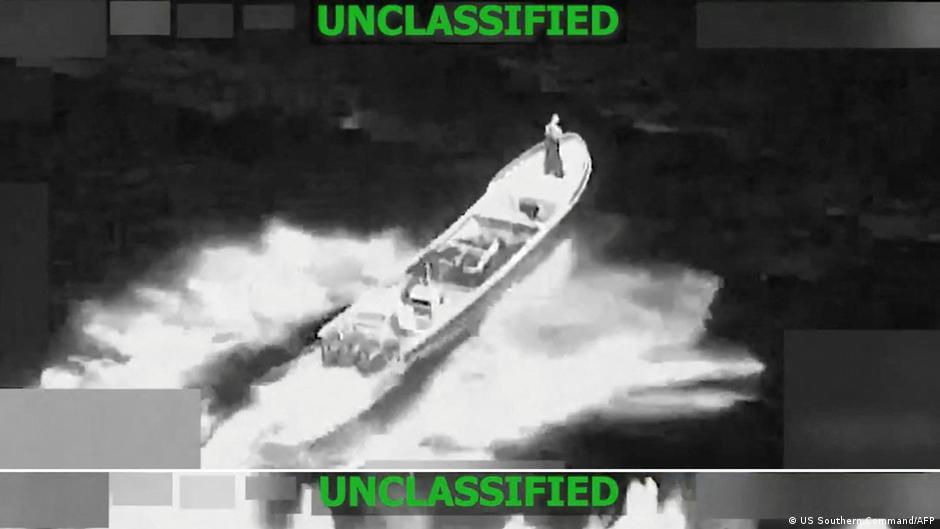
These semi-submersible boats have been used for years by drug gangs to smuggle cocaine from South and Central America. In more recent months as the price of cocaine has plummeted, gangs have changed tactics: instead of letting the boats sink on delivery, they have started to reuse the vessels, setting up a refuelling platform at sea and sending the boats back so they can make as many journeys as possible.
Miscellaneous
US news
fromwww.theguardian.com
1 month agoWhat we know so far about the deadly boat shooting off Cuba's coast
Cuba's coastguard killed four people and injured six in a shootout with a US-registered speedboat off its northern coast, claiming the passengers were armed Cubans attempting infiltration and terrorism.
World news
fromwww.mediaite.com
1 month agoU.S. Expands Drug Boat Bombing With Military Op Against Terrorist' Group In Ecuador
The United States conducted a joint military operation with Ecuador against a terrorist organization, expanding Trump's anti-narcotics campaign that has resulted in over 100 casualties through 44 strikes since September.
World news
fromwww.eastbaytimes.com
1 month agoUS and Ecuador launch military operation against organized crime groups
Ecuador and the United States launched joint military operations against organized crime and designated terrorist organizations amid Ecuador's escalating violence from drug trafficking and illegal mining.
fromLondon Business News | Londonlovesbusiness.com
2 months agoFootage shows US seizing another tanker 'near the Caribbean' - London Business News | Londonlovesbusiness.com
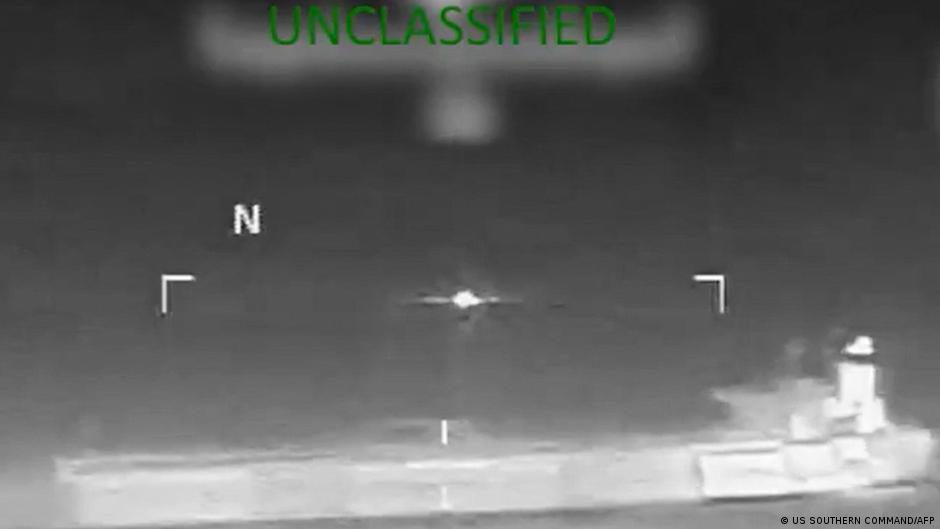
US Coast Guard tactical teams worked closely with its counterparts at the Departments of War, Department of Justice and State and used their specialized expertise to conduct these operations and conduct two safe, effective boardings within hours of each other. One of these tankers, Motor Tanker Bella I, has been trying to evade the Coast Guard for weeks, even changing its flag and painting a new name on the hull while being pursued, in a desperate and failed attempt to escape justice.
US politics

fromenglish.elpais.com
1 month agoThe United States kills 11 people in three new strikes on alleged drugrunning boats in the Caribbean and the Pacific
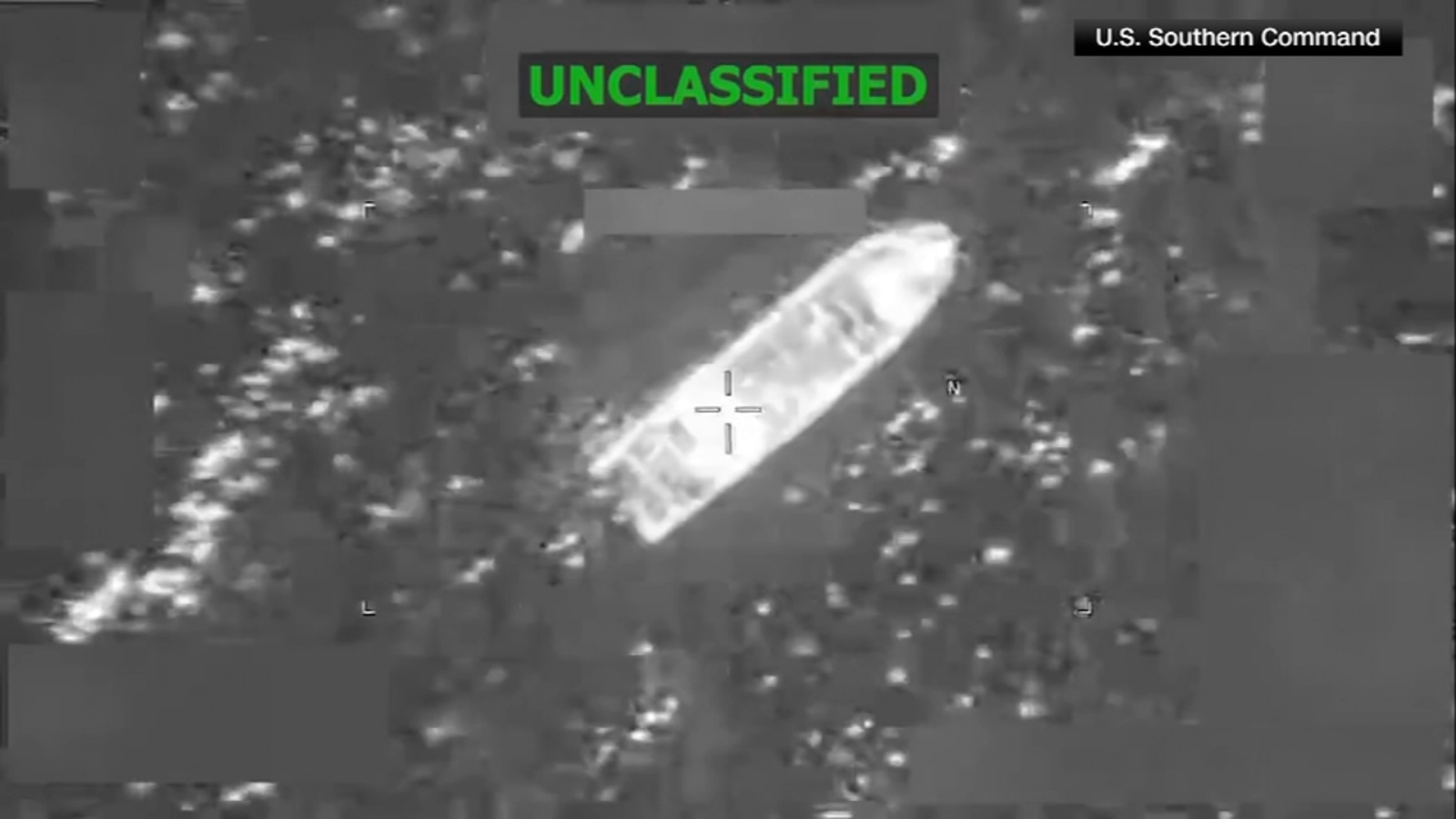
At the direction of the commander of U.S. Southern Command, Marine Gen. Francis L. Donovan, Joint Task Force Southern Spear conducted three lethal kinetic strikes on three vessels operated by Designated Terrorist Organizations, Southern Command said in the statement, which as has become customary was accompanied by a video showing the boats exploding after being hit by a missile. Intelligence confirmed the vessels were transiting along known narco-trafficking routes and were engaged in narco-trafficking operations, it added.
World news

fromwww.theguardian.com
1 month agoUS strikes second alleged drug boat in a week, bringing death toll to 133
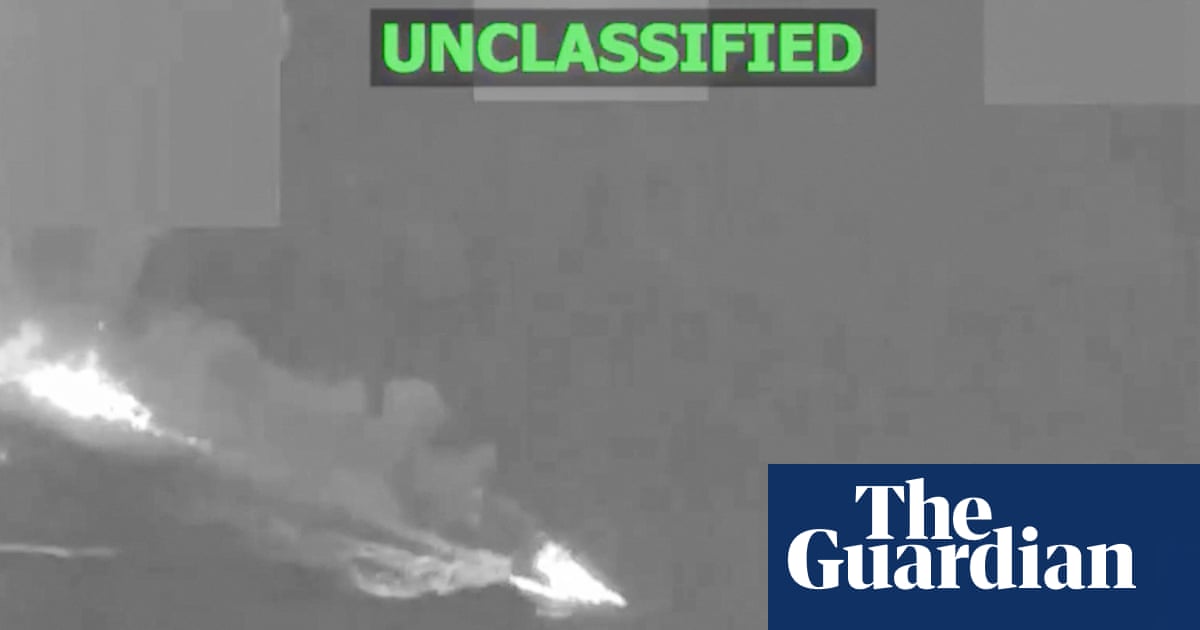
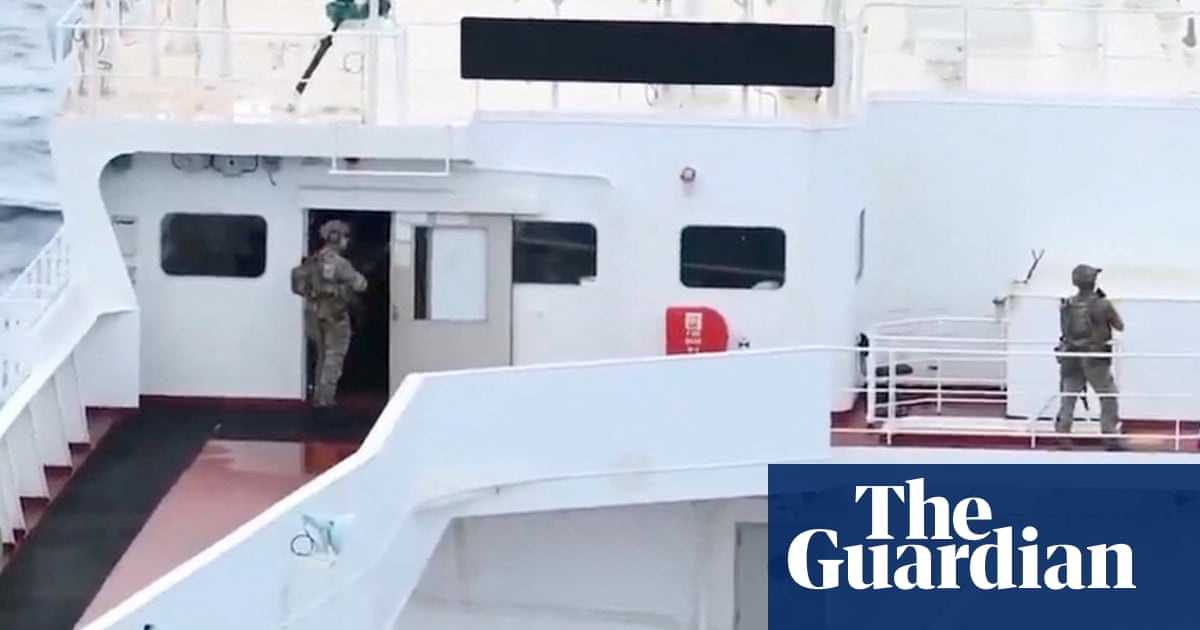
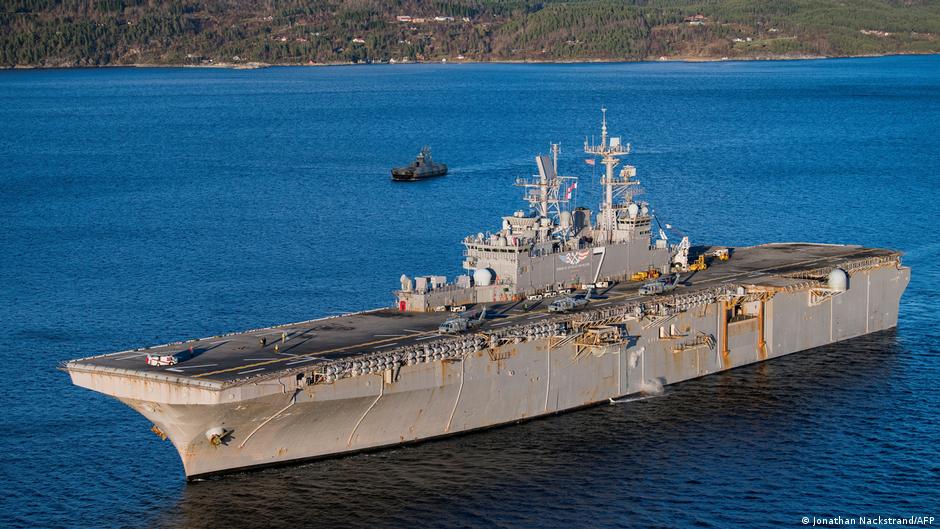
Intelligence confirmed the vessel was transiting along known narco-trafficking routes in the Caribbean and was engaged in narco-trafficking operations, the Southern Command said in a statement. The command included a video of the strike with its announcement, which shows a boat traveling through the water as it explodes into flames after being hit with what looks like a missile. The Southern Command and the Pentagon did not immediately return requests for additional information.
World news
fromwww.dw.com
1 month agoUS destroys another alleged drug boat in eastern Pacific
The US military on Thursday said it killed two people in a strike on a boat suspected of carrying illegal drugs in the eastern Pacific. "Intelligence confirmed the vessel was transiting along known narco-trafficking routes in the Eastern Pacific and was engaged in narco-trafficking operations," the US Southern Command posted on X. It added that "no US military forces were harmed" in the operation. The statement did not offer any evidence that the boat pictured was actually carrying narcotics before it was blown up in the attack.
World news
fromwww.theguardian.com
2 months agoUS aircraft that attacked suspected drug boat reportedly disguised as civilian plane
Most international legal experts reject that and say the attacks amount to murder. Even if the claim of being at war is justified, specialists in the laws of war say the use of a plane disguised to look like a civilian aircraft, so that its targets would be caught off-guard, would represent the war crime of perfidy under international and US military legal standards.
World news
[ Load more ]