#market-myths
#market-myths
[ follow ]
#prediction-markets #kalshi #artificial-intelligence #ai-bubble #market-trends #investment #ai #dividend-stocks
fromThe Atlantic
1 day agoHow Some People Became So Averse to Hype
Anna Holmes defines 'hype aversion' as a reflex against being told what to like, suggesting that popularity can create pressure rather than signal quality. This feeling can lead to a deliberate choice to resist mainstream culture.
Media industry

#prediction-markets
Law
fromFast Company
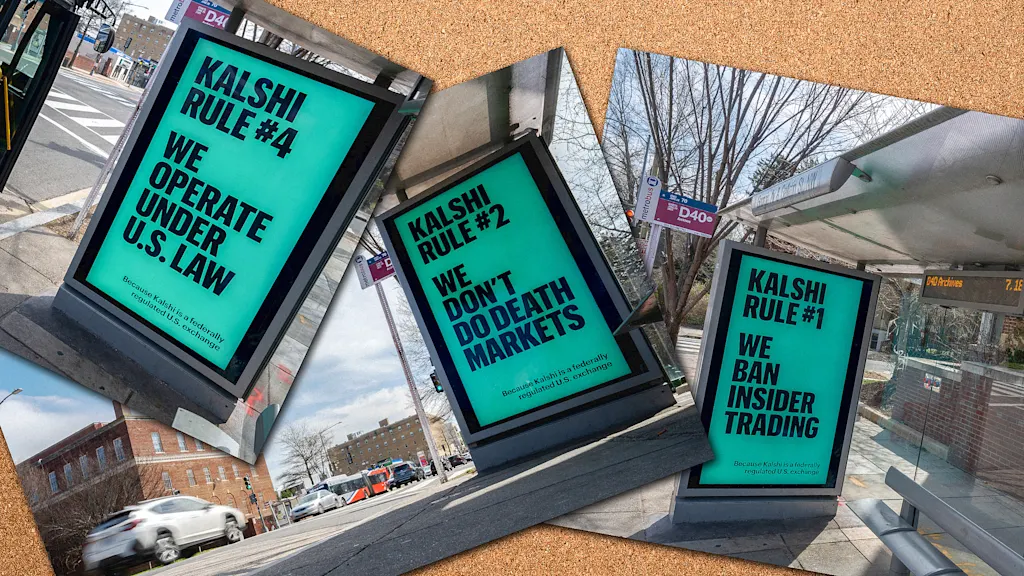
2 weeks agoTraders flocked to prediction markets-now a criminal case is testing the model
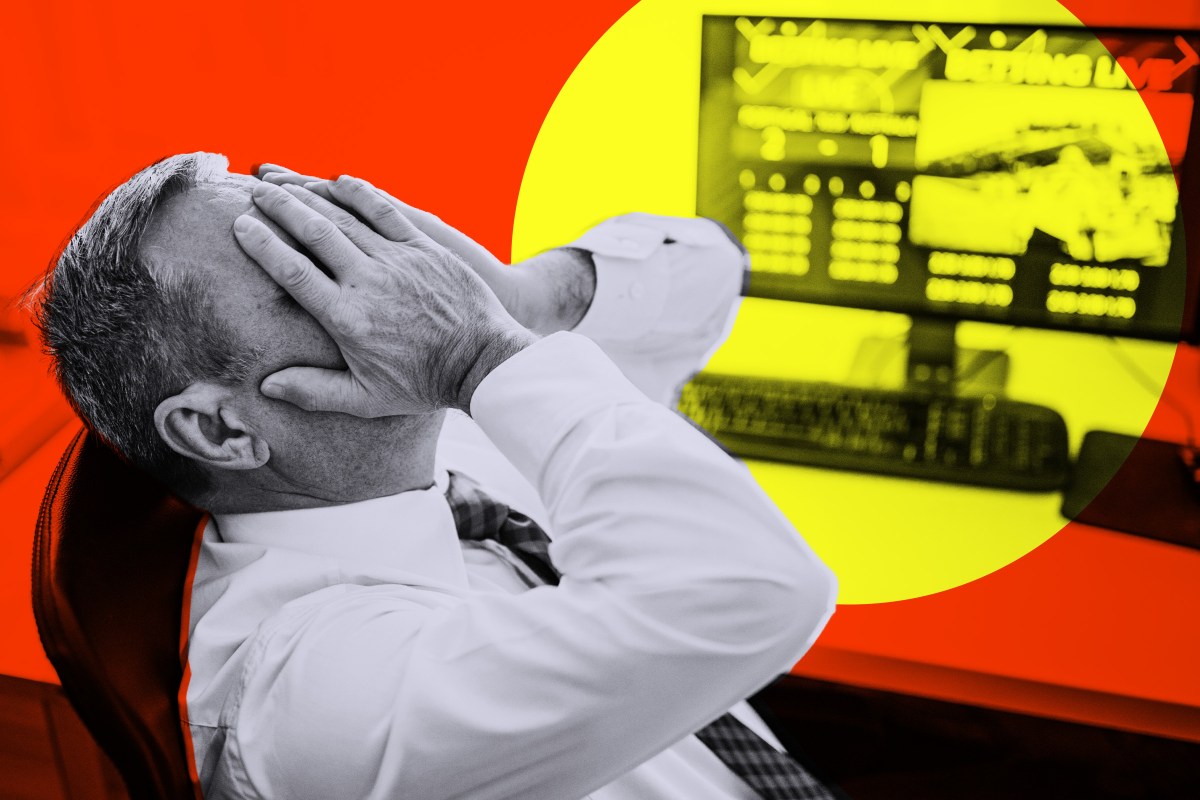
Arizona filed criminal charges against Kalshi, a prediction market platform, for operating an illegal gambling business and allowing bets on political races, despite the platform being federally legal as a financial trading platform.


Law
fromFast Company
2 weeks agoTraders flocked to prediction markets-now a criminal case is testing the model
Arizona filed criminal charges against Kalshi, a prediction market platform, for operating an illegal gambling business and allowing bets on political races, despite the platform being federally legal as a financial trading platform.
Growth hacking
fromFortune
2 weeks agoScott Galloway wants the stock market to crash. Gen Z is already betting like it will | Fortune
Government interventions protecting assets during economic crises burden younger generations with debt while enriching existing wealth holders, driving Gen Z toward alternative investments.
from24/7 Wall St.
5 days agoWall Street Back on the Burger Train
Senatore cited menu innovation and featured value as contributing to more stable same-store traffic. On the cost side, supply-chain savings are offsetting inflation, allowing BofA to raise its FY26 adjusted EBITDA estimate to $288M from $279M.
Business
#big-cycle-theory
World politics
fromFortune
3 weeks agoRay Dalio: I've studied 500 years of history and fear we're entering the most dangerous phase of the 'Big Cycle' | Fortune
Historical cycles of monetary, political, and geopolitical orders repeat approximately every 75 years, and current global conditions mirror pre-1945 patterns rather than post-WWII stability.
Artificial intelligence
fromFortune
2 weeks agoRay Dalio thinks the world looks like 'pre-1945 times' as we near the end of his 'Big Cycle' | Fortune
Ray Dalio identifies the global economy in stage 5 of the Big Cycle, characterized by rising government debt, geopolitical conflict, wealth inequality, and great power competition, with AI potentially accelerating or disrupting this trajectory.
fromOpen Culture
6 days agoWatch Errol Morris's Tune Out the Noise Free Online: A Documentary About the Financial Revolution That Transformed Investing
The Efficient Market Hypothesis holds that the prices in any financial market already reflect all available information relevant to what's being traded within them.
Business
E-Commerce
fromRetail Brew
3 weeks agoConsumers say they're financially worse off and it's changing how they shop
One in four Americans report worsening financial situations, driving widespread cost-cutting across groceries, personal care, dining, travel, and discretionary spending, with consumers increasingly favoring budget retailers and value-focused options.


fromMedium
1 month agoThe justification tax
Kantar's codebase was legacy old. The kind of technical debt that isn't a line item on a sprint board but a structural reality that shapes every decision the company makes. Rebuilding the architecture to support what I'd designed would have cost more than the organization was willing to invest, regardless of the Barilla deal sitting on the table.
UX design
Digital life
fromSilicon Canals
1 month agoPsychology says people who always carry cash even though they rarely use it display these 8 traits-and most of them are connected to a generation that learned the hard way what happens when systems you trusted stop working - Silicon Canals
Cash carriers maintain physical money as insurance against system failures and to preserve spending autonomy, despite having digital payment options available.
Business intelligence
from24/7 Wall St.
4 weeks agoCrush the Stock Market in 2026 With These 3 Strategies - Hint: They're Simpler Than You Think
Investors should prioritize quality dividend-paying stocks, seek global diversification, and consider defensive sectors to navigate 2025's elevated uncertainty from geopolitical conflicts, oil shocks, inflation, and trade policy risks.
fromEntrepreneur
1 month agoThis One Mistake Kills Companies in Hot Markets
Heat looks like validation, and validation looks like safety. It is hard to ignore a sector when customers start leaning forward at the same time investors do. Still, the more cycles I have lived through in competitive technology businesses, the more I see heat as an optical illusion. It sharpens whatever is easiest to notice and blurs the underlying mechanics that determine who or what holds control.
Startup companies
from24/7 Wall St.
1 month ago3 Reasons Not to Fear a Market Correction, But Cheer for One
Over time, markets get ahead of themselves. Excitement over AI, green energy, or whatever the next big thing is tends to push stock valuations far beyond what fundamentals justify. Accordingly, more often than not, a correction can be the catalyst that brings valuation discipline back into the discussion. Think of it as the market taking a deep breath.
Business intelligence
Business
from24/7 Wall St.
3 weeks agoWall Street's Own Stock Is Getting Hammered on Reddit and Here's What Investors Are Missing
Morgan Stanley capped redemptions at its North Haven Private Income Fund after investors requested withdrawals of nearly 11% of shares, returning only 45.8% of tender requests, triggering bearish sentiment and comparisons to broader private credit market concerns.
fromBusiness Insider
1 month ago'Black Swan' fund chief Mark Spitznagel predicts stocks will explode higher then crash
"I've been looking for a blow-off in equities for over three years now - followed by the worst crash since 1929," Mark Spitznagel, the founder and chief investor of Universa Investments, told Business Insider in a recent email.
Venture



fromNature
2 months agoGetting to the (square) root of stock-market swings
A huge data set has confirmed a long-theorized relationship between the size of stock trades and the impact on prices. Buying large numbers of shares in a company would be expected to drive the price up for other investors, because such purchases imply a commodity in demand. Researchers have now gained their best handle so far on how much.
Business
fromFortune
2 months agoRay Dalio says these 5 historic cycles are driving today's markets | Fortune
As an investor for more than 50 years, Bridgewater Associates founder Ray Dalio told Fortune's Kamal Ahmed that, after studying the rises and declines of reserve currencies in major empires over the last 500 years, he sees the same patterns repeating "like a movie." It all boils down to five specific forces that interact-money and debt, domestic politics, world order, nature, and technology, Dalio said. Every issue today sits within the interaction of these forces and their long-term cycles, he said.
Business
Business
fromFortune
2 months agoThe 'smart money' isn't acting like we're in a bubble, top economist says. The AI ballgame is in its 'early innings' | Fortune
U.S. market shows frothy valuations but lacks typical bubble indicator: smart-money exit via equity issuance; corporations are reducing equity sales.
[ Load more ]