Music production
fromThe Verge
8 hours agoA folk musician became a target for AI fakes and a copyright troll
AI-generated covers of public domain songs were uploaded to streaming platforms under Murphy Campbell's name, leading to copyright issues.
"Under our precedents, a company is not liable as a copyright infringer for merely providing a service to the general public with knowledge that it will be used by some to infringe copyrights," Justice Clarence Thomas wrote for the court.
TikTok will soon let you stream full songs in its app via a new integration with Apple Music. The company's new Play Full Song feature makes it possible to link your Apple Music account to TikTok, and play any song that strikes your fancy directly in the app while you're scrolling. Starting a song is as simple as tapping a button in the Sound Details page or your For You page.
Of the $43.9 billion that advertisers in the U.S. are expected to spend on creator marketing in 2026, most of that money - 55% - will go towards ads amplifying the creators' content, not to the actual creation and posting of content by the creators themselves. And that spend is only increasing as creator content becomes a more popular choice for ad creative and paid amplification provides brands with the analytics to be able to more effectively gauge the impact of creators' content.
As 2025 fades into the rearview mirror, many of the entertainment and media industry's biggest legal questions remain unresolved. In this episode of The Briefing, Weintraub Tobin partners Scott Hervey and Tara Sattler take a forward-looking approach to the cases and doctrines that could shape 2026. In this episode, they cover: The unsettled future of fair use in AI training and copyright infringement How courts are approaching lawful versus unlawful acquisition of training data The growing split in AI cases involving market substitution and fair use
As independent music reaches $160B in market value and commands nearly half of the global music industry, a critical disconnect persists: while indie creators now generate 47% of all recorded music revenue, catalog financing remains concentrated among the top 1% of artists. This gap forces emerging and mid-tier creators to choose between waiting years for streaming royalties that may never materialize at scale or signing away their rights through exploitative deals with hidden terms and recoupment structures.
In an audacious action starting to attract media attention, last month a group of piracy actors called Anna's Archive copied about 86 million music files from Spotify. The intention was to release the hoard on the BitTorrent file-sharing platform. All three of the major labels (UMG, Sony Music Entertainment, and Warner Music Group), along with Spotify, launched the unsurprising lawsuit in September. The presiding judge, Jed . Rakoff, issued an injunction (HERE).
In a series of posts on X, formerly Twitter on Tuesday (20 January), 33-year-old "Broken" singer Kim Petras stated that she had officially asked to be dropped by her record label Republic Records, a brand owned by Universal Music. "I'm tired of having no control over my own life or career. I want to continue to self fund and self curate my own music. This is why I have formally requested to be dropped by @RepublicRecords," Petras wrote.
Spotify Partner Program, launched a year ago ( is widening its participation requirements, intending to bring in more podcasters. Three new criteria now define which podcasts are eligible: One thousand listeners over the last 30 days Two thousand Spotify hours consumed over the last 30 days Three published episodes All three are required. While the new criteria make up the headline news from Spotify, other meaningful updates are in the announcement:
Bandcamp has announced it will no longer allow AI-generated music to be hosted on its platform. In a post shared on Reddit, the company's support team revealed their plans to implement a policy prohibiting "any use of AI tools to impersonate other artists or styles," elaborating more firmly that "music and audio that is generated wholly or in substantial part by AI is not permitted on Bandcamp."
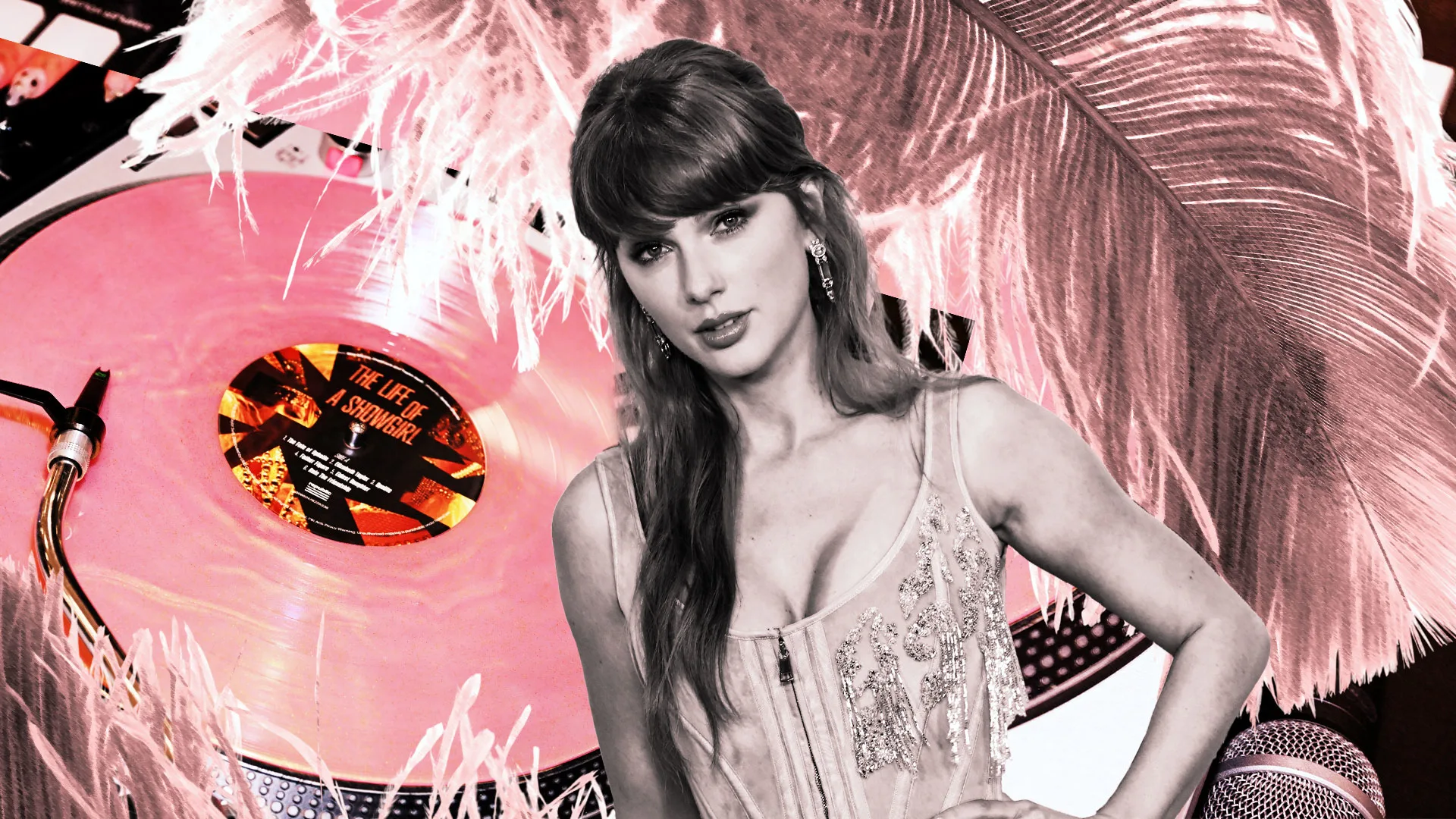
Taylor Swift, Kiss' Gene Simmons and Paul Stanley, Christopher Tricky Stewart, Alanis Morissette and Kenny Loggins make up the 2026 Songwriters Hall of Fame inductees. Swift's songwriting has undeniably shaped contemporary pop music trends and she'll no doubt bring extra attention to this year's new class. Kiss founders Simmons and Stanley fresh off the band's farewell will also be recognized for their glam rock classics Rock and Roll All Nite and I Love It Loud.