#maybourne-beverly-hills-condo
#maybourne-beverly-hills-condo
[ follow ]



fromCN Traveller
2 days agoFinders Keepers: the best new private houses in the world
"There was so much beauty, so much more than enough for everyone, that it did appear to be a vain activity to try and make a corner in it." This quote captures the essence of Villa Beatrice, where beauty and luxury converge in a breathtaking setting.
Travel

fromArchitectural Digest
3 days agoThe Home Jean Harlow Lived In Lists for $16.8 Million-Ermine Toilet Seats Not Included
Harlow filled her lavish estate to the brim with extravagant furniture, including antiques, rare porcelain, mink headboards, gold bathroom fittings, and ermine-covered toilet seats.
Renovation
LA food
fromConde Nast Traveler
3 years ago6 Best Hotels in Malibu for Inspiring Architecture, Ocean Air, and A-List Vibes
Malibu offers an exclusive coastal escape with 21 miles of Pacific coastline, featuring legendary surf breaks, upscale accommodations, and local experiences beyond celebrity culture.
fromLos Angeles Times
1 week agoOne Beverly Hills developer raises $4.3 billion to finish the massive luxury project
"The demand we are seeing from residential buyers and global brands speaks to the rarity of this project, the strength of our hospitality partners and the enduring appeal of the Beverly Hills market."
LA real estate
#luxury-real-estate



East Bay real estate
fromLos Angeles Times
9 years agoSoaking up the scenery in Beverly Crest
A newly built 2016 traditional home in Beverly Hills features East Coast-inspired design with extensive glass walls, private balconies, and luxury amenities including a saltwater pool, koi pond, and detached gym on 0.61 acres, listed at $8.995 million.
LA real estate
fromLos Angeles Times
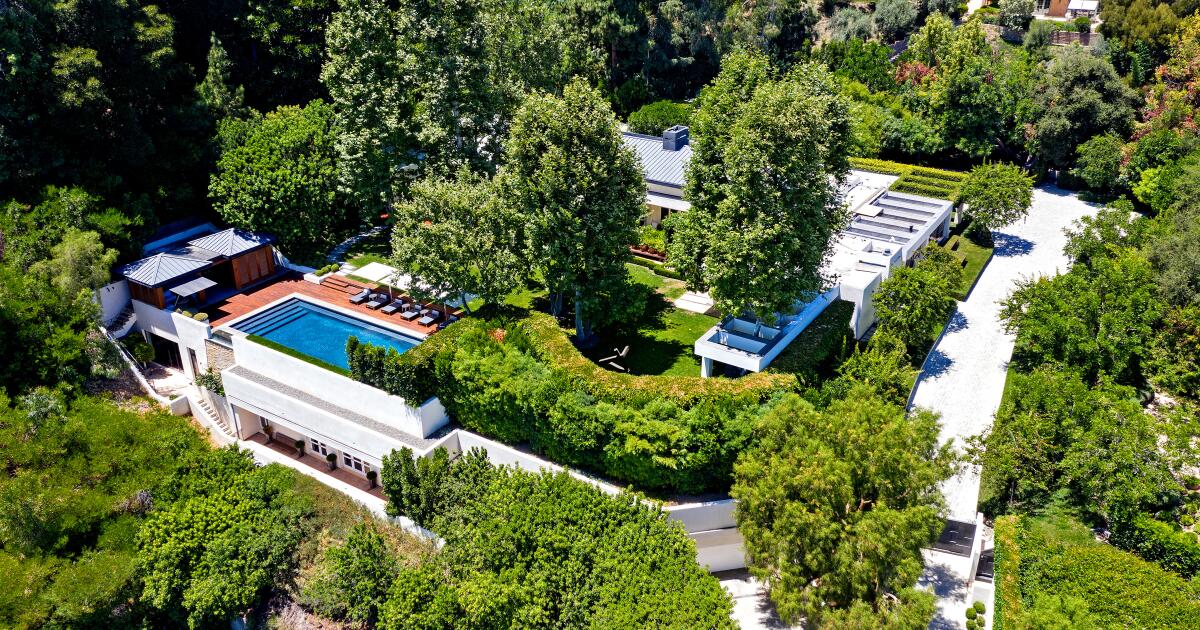
5 years agoHot Property: Ryan Seacrest eyes $85 million for Beverly Hills compound
Ryan Seacrest lists his Beverly Hills compound for $85 million, more than double the $36.5 million he paid Ellen DeGeneres eight years ago, reflecting property value appreciation and significant renovations.
#beverly-hills-real-estate



LA real estate
fromLos Angeles Times
9 years agoIn Beverly Hills, Oscar and architectural pedigree for $19.9 million
A Georgian Colonial mansion in Beverly Hills once owned by filmmaker David O. Selznick is listed for $19.9 million, featuring 12,500 square feet, seven bedrooms, and nine bathrooms on three-quarters of an acre.
LA real estate
fromLos Angeles Times
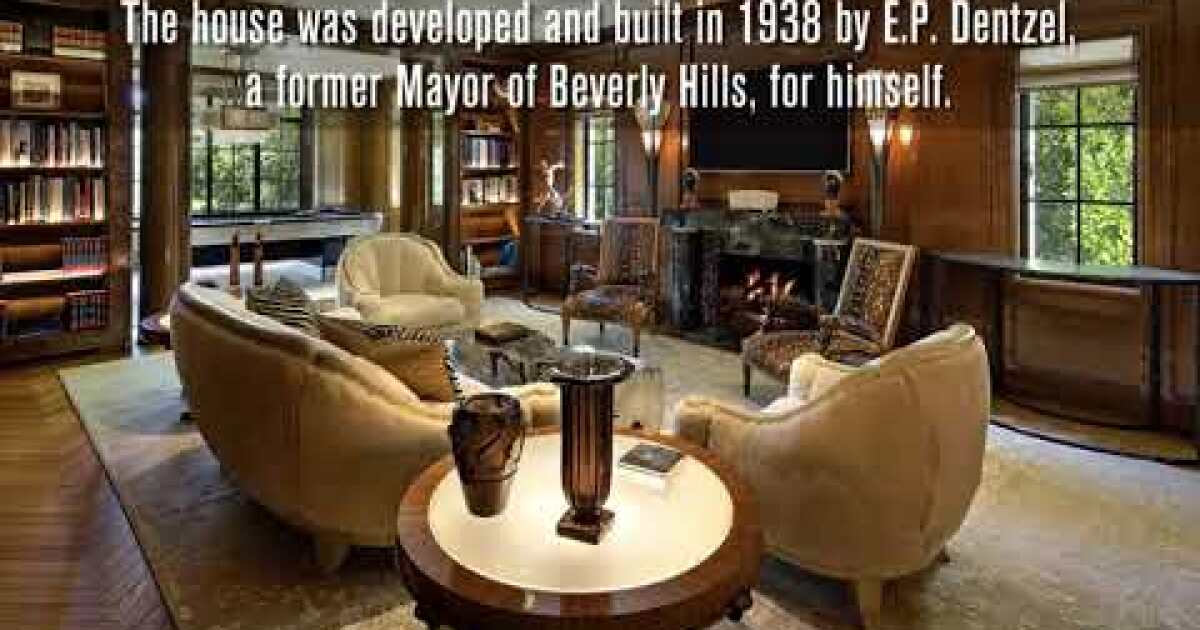
8 years agoA Beverly Hills estate where some Hollywood stars were wed
A French Revival Beverly Hills mansion built in 1938 with antique fireplaces, herringbone floors, and a circular dining solarium is listed for $39.9 million, formerly owned by actress Ann Rutherford and Batman producer William Dozier.


fromDesign Milk
2 months agoThe Scale Collective Brings Tactile Warmth to This LA Penthouse
Perched 39 floors above LA, with spectacular views of the local country club and Pacific Ocean beyond it, this Beverly Hills Penthouse by The Scale Collective prioritizes sanctuary over spectacle through deliberate material choices. Beauty entrepreneur Darya Pishevar cited Pierre Paulin's Pumpkin Chair as an early reference - a telling detail that moved the project away from typical high-rise polish toward something more grounded.
Design
Travel
fromTravel + Leisure
2 months agoThis Beverly Hills, California, Hotel Was Just Reimagined With a New Peruvian Restaurant and a Chic Pool Deck
Cameo Beverly Hills underwent a $30 million renovation, offering quiet old-Hollywood glam, refreshed amenities, and Peruvian-inspired dining as part of Hilton's LXR portfolio.
fromLos Angeles Times
38 years agoFor Sale: Beverly Hills Mansion Site, Sans Sheik or Nudes
The corner of Sunset Blvd. and Alpine Drive became a traffic nightmare. Tour buses made it a stop. Tourists and locals alike milled about, gawked and took pictures. The neighbors were incensed. The "renovation" performed by Sheik Mohammed al Fassi, then 28, and his wife made them the talk of the town.
LA real estate
fromLos Angeles Times
6 years agoDonald Trump's Beverly Hills home quietly sells for $13.5 million
The Trump Organization has quietly unloaded one of its last two properties in Los Angeles County, a Tudor-style home in Beverly Hills, for $13.5 million in an off-market sale. The company bought the home for $7 million in 2007, when it was controlled by Trump. It's now run by his two sons, Eric and Donald Trump Jr.
LA real estate
LA real estate
fromLos Angeles Times
34 years agoARCHITECTURE : Beverly Hills' Greystone Mansion Is Hulking Monument to the Past
Greystone Mansion exemplifies Los Angeles's ability to convert wealth into impressive architectural imagery, serving as a cultural icon and template for countless imitations throughout Southern California.
fromLos Angeles Times
20 years agoNo Rhapsody on Roxbury
Obviously, this is a significant loss to the musical legacy of our nation and the history of Beverly Hills and its role in shaping American culture. The demolition was wholly avoidable and occurred because Beverly Hills, unlike neighboring cities such as Los Angeles and West Hollywood, lacks a historic preservation ordinance.
LA real estate
fromLos Angeles Times
11 years agoHome of the Week: Craftsman in Beverly Hills
This Craftsman home, set on a roomy three-quarter-acre lot, has the rolled roof edges, deep overhangs and protruding rafter tails characteristic of the style developed by brothers Charles and Henry Greene. Originally built for Packard dealer Earle C. Anthony, the shingle-clad house was moved from Los Angeles to Beverly Hills in the early 1920s by silent-film star Norman Kerry.
LA real estate
fromLos Angeles Times
11 years agoLondon West Hollywood hotel adding posh suites to unoccupied top floor
He built the extra floor without a permit. The neighbors complained and he lost the ability to build out the floor. The county, which governed the area at the time, accused Ashkenazy of exceeding the height limit of the original plan and prevented him from developing the floor for occupancy.
LA real estate
[ Load more ]