Medicine
fromwww.bbc.com
5 hours agoAR tech prepares patients for endometriosis surgery
A new augmented reality system helps patients with endometriosis understand their condition and surgical options more clearly.
Product knowledge training is about methodically educating employees, partners, and customers about the ins and outs of a company's products or services. For employees and partners, it's the essential working knowledge they need to confidently sell, support, and deliver the product. For customers, it's the know-how they need to adopt it smoothly and get the most value from it.
"I can't wait to start taking care of patients," said Alison Almgren-Bell, who matched in internal medicine at McGaw Medical Center of Northwestern University. "They really have been my north star through all of medical training."
Debridement is a medical procedure that removes dead, damaged, or infected tissue from wounds to promote healing. Healthcare professionals use various methods including surgical, mechanical, enzymatic, or biological techniques depending on the wound's severity and location.
One of my favorite movies is Good Will Hunting. Will Hunting (played by Matt Damon) is a 20-year-old janitor at the Massachusetts Institute of Technology. Although he works a blue-collar job, he is secretly a self-taught genius with an extraordinary gift for mathematics and an exceptional memory. One day, he anonymously solves a complex math problem left on a chalkboard by Professor Gerald Lambeau, astonishing the faculty.
As the Magerstadt Professor of Cardiovascular Epidemiology, Khan studies the epidemiology of risk for heart failure. Using population-based cohorts and large electronic health record data analyses, she performs mechanistic studies that may enhance risk prediction and identify novel therapeutic agents for the prevention and treatment of cardiovascular disease. Khan and her team have developed a tool to predict risk and prevent cardiovascular disease such as heart failure, stroke, arrhythmia, coronary artery disease and many other conditions.
This is a striking decision at a moment when public confidence in higher education is eroding. It is also puzzling because rigorous research and evaluation have demonstrated, over and over, the value of the work of centers for teaching and learning, including positive impacts on student learning outcomes, institutional effectiveness and faculty development.
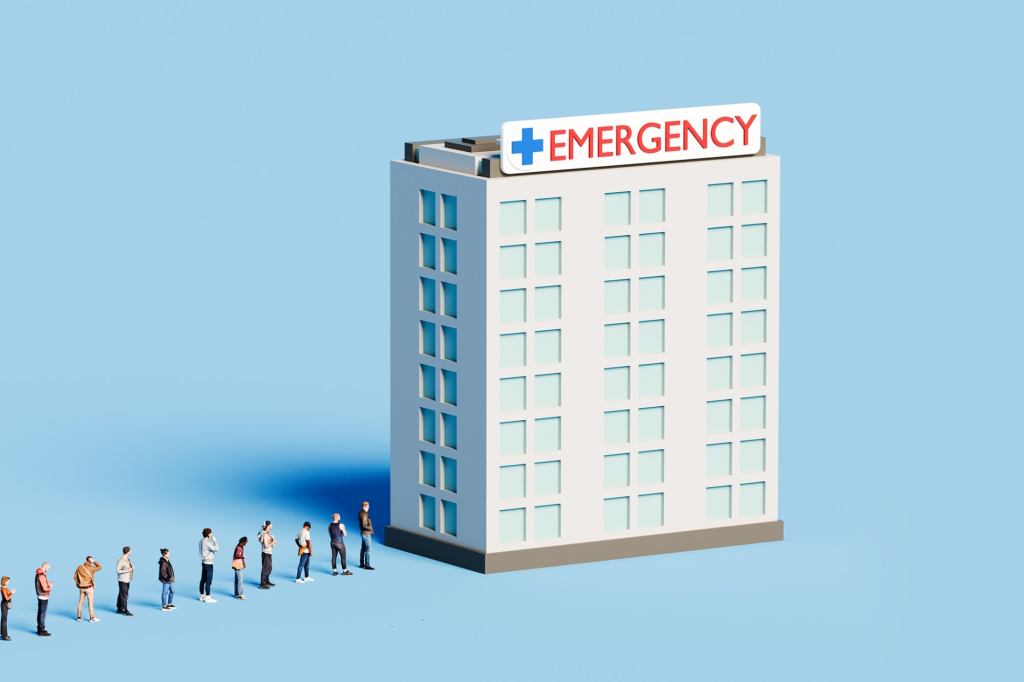
You get sick from staying inside, breathing the same germ-filled air. Open your windows, even for five minutes, to circulate the old air out and let in fresh air. Also, if you're taking your child to the doctor, don't wait to treat their fever because you want 'the provider to see the fever.' Your child might wait two hours to be seen, meanwhile their temperature goes up, and they might have a seizure. If you say they've been having fevers, we believe you.
I was like, 'What do you mean, I can actually work and take some classes?' I didn't even know there were apprenticeships out there, because I thought it was something of the past. That was my dream-to go into some field of engineering-so it was great to find something like AT&T, which has an apprenticeship program where you can jump into it, which later becomes software engineering.
Without us treating them, they're not getting care and they're not getting better, so it allows us to really make an impact in somebody's life. [The clinic] really allows us to work with a wide variety of patients from many different backgrounds.
In season two of "The Pitt," the Emmy-winning drama that returned to HBO Max on Thursday, a middle-aged man named Orlando Diaz wakes up in the Pittsburgh Trauma Medical Center. His wife and daughter are at his side; a cannula is delivering oxygen into his nose. "How'd I get here?" he asks softly.
Public health consultant Dr Ross Keat said supporting people earlier to make small preventative changes would make "a big difference later on". Some 3,500 people in the north of the island within that age bracket are eligible for the checks. The checks will be carried out by two pre-existing nurses that support GP staff and would not replace GP appointments, Keat explained, adding that the cost would be minimal and absorbed by Ramsey Group Practice.
Corporate training courses matter more today than they ever have before. This is because the way we work has changed, and so has the way people learn. In the past, training was often a one-time event, like a workshop or a short onboarding session. Today, this approach is not enough. Skills change rapidly, roles can shift, and companies need ongoing learning. This learning must be flexible and closely linked to real business goals.
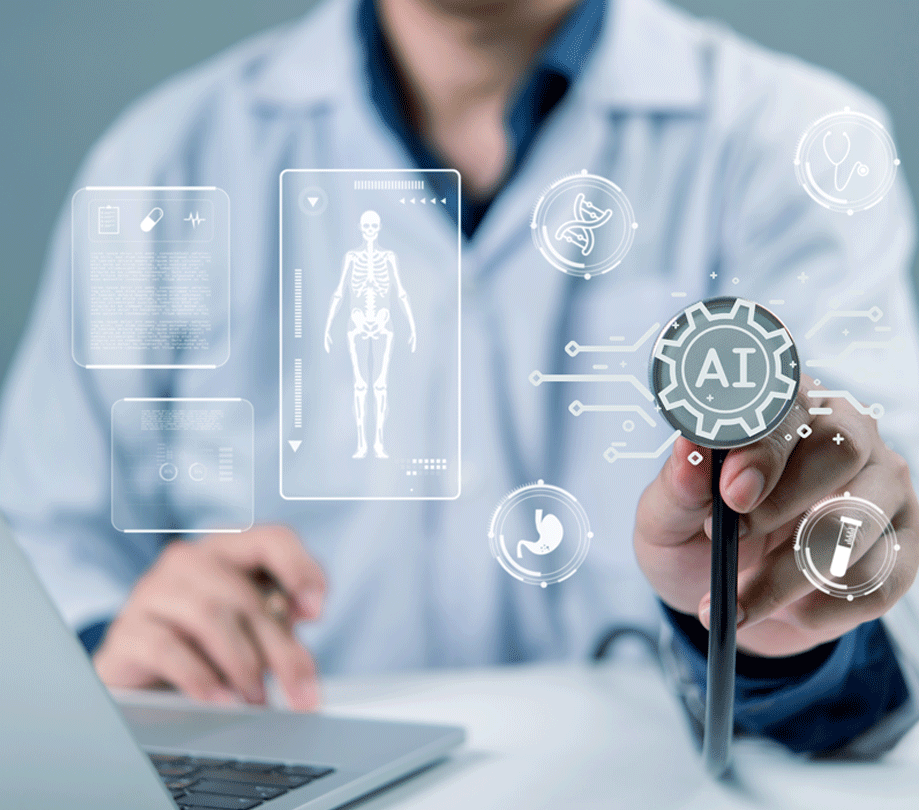
AI plays an important role-but not by fixing fragmented data on its own. The work of organizing, connecting, and interpreting healthcare information still belongs to people and the systems they build. Where AI helps is after that foundation is in place: by bringing the right information forward at the right time, reducing the effort it takes to find what matters, and supporting better decisions in the moment of care.
But these studies typically require large numbers of patients, huge amounts of data, and thorough follow-ups, none of which comes easy or free. The upshot is fewer investigations into scenarios that are clinically important but unlikely to yield a profit for the firms funding them. Accordingly, researchers have been developing an option that uses real-world data from insurers to save patients from falling through the cracks.
Corporate learning has spent years optimizing the wrong thing. Organizations have refined course catalogs, improved completion rates, expanded content libraries, and invested heavily in certifications. Learning platforms are more sophisticated than ever, content is more accessible than ever, and reporting is more detailed than ever. Yet despite all this progress, most organizations continue to struggle with persistent skills gaps, slow capability building, and weak knowledge retention.
After losing both of his parents to cancer, Tom set out to challenge a healthcare system that often waits for symptoms instead of identifying risk early. What began in Deerfield Beach, Florida, has grown into a multi-location preventative imaging company serving communities across the state. Life Imaging Fla focuses on preventative heart and full-body screenings. These services give people access to advanced imaging that is typically only approved once symptoms appear. The goal is straightforward: identify disease earlier, when people still have time, options, and control.
The world of medical practice management is changing faster than ever, driven by two simultaneous forces: escalating patient expectations and crushing administrative complexity. In my years working with healthcare organizations, I've seen these challenges evolve from nuisances into crises. Research by Bain & Company found that 65% of healthcare consumers want more convenient experiences, and 70% want more responsiveness from providers. They want instant answers to routine questions, immediate scheduling access and minimal friction.
Balancing a nursing career with family life means thinking a few steps ahead, without blowing everything up in the process. Many experienced nurses reach a stage where growth needs to be practical, not disruptive. The appeal lies in finding ways to widen responsibility and keep doors open while staying employable across different settings, all while working around real-world schedules and family commitments. It is less about chasing status and more about building a future that still works on a Tuesday afternoon.