#medicare-drug-negotiation
#medicare-drug-negotiation
[ follow ]
#drug-pricing #healthcare-policy #healthcare-costs #trumprx #medicare-advantage #medicare #trump-administration

Intellectual property law
fromIPWatchdog.com | Patents & Intellectual Property Law
4 years agoMossoff Policy Memo for Hudson Institute Calls for Transparency from I-MAK on Data Used in Drug Pricing Debate
Discrepancies exist between patent data reported by I-MAK and official sources, raising concerns about the reliability of data in pharmaceutical patent debates.


#medicare-premiums
Retirement
from24/7 Wall St.
2 weeks agoThe $2,000 Drug Cap Is Saving Medicare Retirees Over $1,500 a Year Right Now
Medicare premiums in 2026 are based on 2024 income, creating unexpected surcharges for those with one-time income spikes, while Part B premiums exceed $200 monthly and a new rule allows tax-free distributions for long-term care insurance.
#medicare
Intellectual property law
fromIPWatchdog.com | Patents & Intellectual Property Law
1 week agoU.S. Government Says SCOTUS Should Skip Pharma Companies' Challenge to Medicare Negotiation Program
The Medicare Drug Price Negotiation Program does not constitute a physical taking under the Takings Clause, allowing companies to retain property rights.


Intellectual property law
fromIPWatchdog.com | Patents & Intellectual Property Law
1 week agoU.S. Government Says SCOTUS Should Skip Pharma Companies' Challenge to Medicare Negotiation Program
The Medicare Drug Price Negotiation Program does not constitute a physical taking under the Takings Clause, allowing companies to retain property rights.
fromTruthout
3 weeks agoStates Tighten HIV Drug Assistance, Raising Access Concerns
Congress has kept key drug assistance funding at $900.3 million annually since 2014. New enrollments for state programs jumped 30% from 2022 to 2024, in part because states cut off pandemic-era Medicaid assistance. As of January, at least 18 states have pulled back their Ryan White AIDS Drug Assistance Programs, known as ADAPs, in some way.
NYC LGBT
US news
fromwww.npr.org
3 weeks agoMedicare Advantage 'dark money' group tries to win higher payments for insurers
A dark money group orchestrated a coordinated campaign with 83% identical comments on federal Medicare Advantage reimbursement proposals, masking industry opposition as grassroots advocacy.
Alternative medicine
fromNatural Health News
3 months agoTrump administration secures historic Medicare drug price cuts, challenging Big Pharma's grip
Medicare negotiated 44% price cuts on 15 expensive drugs, projecting $12 billion in savings and establishing the first federal government direct drug price negotiation under the 2022 Inflation Reduction Act.
#prescription-drug-pricing

US Elections
fromwww.mediaite.com
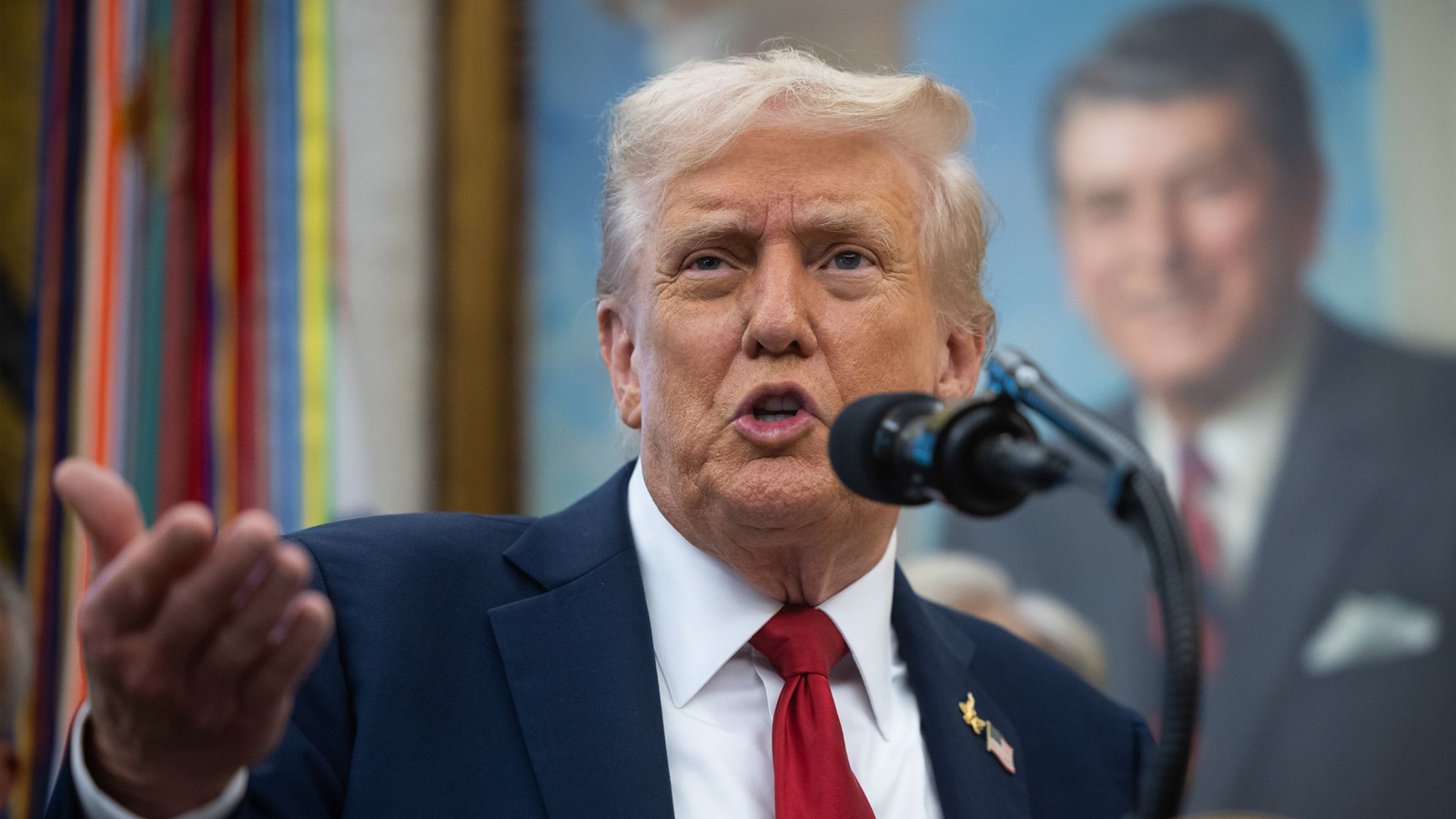
3 weeks agoTrump Uses Numerically Possible Rx Price Percentages
Trump claimed prescription drug price reductions of 70-90% in a local interview, abandoning his previous false claims of reductions exceeding 100%, though his statements about U.S. drug prices being lowest globally remain unsubstantiated.
US Elections
fromwww.mediaite.com
3 weeks agoTrump Uses Numerically Possible Rx Price Percentages
Trump claimed prescription drug price reductions of 70-90% in a local interview, abandoning his previous false claims of reductions exceeding 100%, though his statements about U.S. drug prices being lowest globally remain unsubstantiated.

Healthcare
fromHarvard Gazette
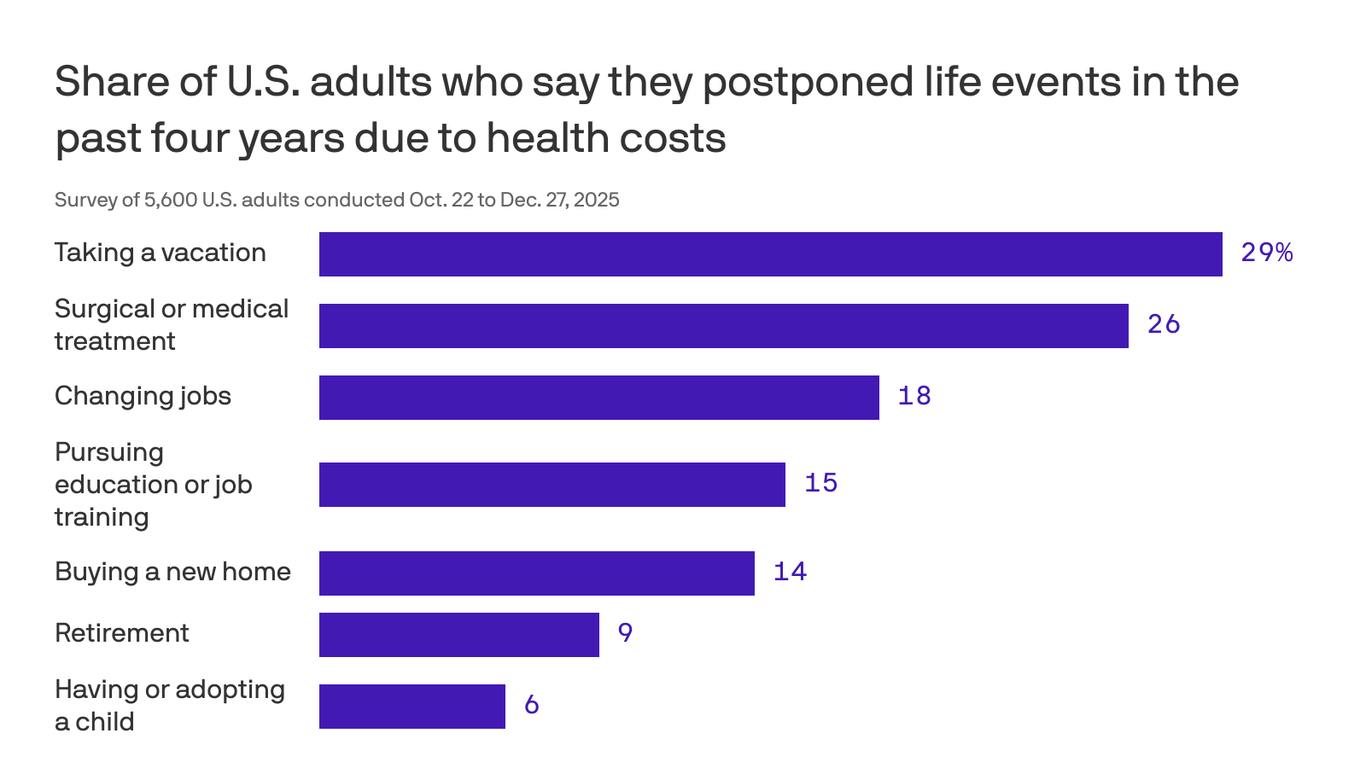
3 weeks agoFederal drug price reforms are working, finds study - Harvard Gazette
Medicare beneficiaries reported skipping fewer medications due to cost after the Inflation Reduction Act's prescription drug provisions took effect in January 2024, with greatest improvements among those with multiple chronic conditions.

Healthcare
fromMedCity News
3 weeks agoIt Took Years for Congress to Enact PBM Transparency, Delinking. What About Vertical Integration? - MedCity News
Congress passed initial PBM reforms in February 2026, but advocates seek stronger action against vertical integration between PBMs, insurers, and pharmacies through proposed legislation like the Break Up Big Medicine bill.


Public health
fromkffhealthnews.org
2 months agoMedical bills can be vexing and perplexing. Here's important advice for patients
High and confusing medical bills affect insured and uninsured due to coverage gaps, unexpected plan restrictions, billing practices, and complex retroactive policies like COBRA.


fromIPWatchdog.com | Patents & Intellectual Property Law
2 months agoThe Federal Government's Drug Price Negotiation Program Would Likely Violate Its Own Antitrust Laws
The IRA requires drugmakers to sell selected patented drugs to the government for its Medicare Parts B & D programs at a stipulated "maximum fair price". If they don't agree to these prices, then they face tax penalties on sales of the drug exceeding their profits from it, or the exclusion of all their drugs from Medicare and Medicaid purchases. This would foreclose access to up to 160 million patients, accounting for around 40% of US prescription drug spending or 20% of global prescription drug spending.
US politics
Healthcare
fromBusiness Insider
1 month agoWaiting for Medicare and skipping prescriptions: Meet the Americans on the brink of losing health insurance
Expiration of enhanced ACA subsidies on December 31 caused monthly premiums to spike hundreds of dollars, forcing over 1 million Americans to cancel marketplace plans between early 2025 and 2026.
Healthcare
fromwww.npr.org
1 month agoCan't get a prescription renewed? Here's how to cope with prior authorizations
Insurance prior authorization requirements expire even for patients already taking prescribed medications, forcing repeated approval processes and potentially interrupting effective treatments.
fromMedCity News
3 months agoRising Costs & Medicare Advantage Flaws to Drive Healthcare Reform Talks in 2026 - MedCity News
According to one expert at Pitchbook, two core issues are likely to dominate healthcare reform discussions in 2026: rising costs and flaws in Medicare Advantage. Healthcare affordability remains a major systemic issue preventing millions of Americans from accessing care, and Medicare Advantage's risk-adjustment system is "clearly broken," creating incentives that pull excess money into the program, explained Brian Wright, lead analyst for healthcare research at Pitchbook.
Healthcare
fromMedCity News
1 month agoEmployers Celebrated PBM Reform. The Reality Is More Complicated - MedCity News
For years, Congress has signaled that it wants to crack down on Pharmacy Benefit Managers, the middle men that have come under fire for their vertical integration with insurers and their role in spiking drug costs. This week, it finally happened via the Consolidated Appropriations Act of 2026, promptingemployer groups including the Purchaser Business Group on Health (PBGH) and the ERISA Industry Committee to cheer its passage.
Healthcare
[ Load more ]