#medicare-regulation
#medicare-regulation
[ follow ]
#medicare #affordable-care-act #medicare-advantage #healthcare-policy #healthcare-costs #social-security
#medicare
Intellectual property law
fromIPWatchdog.com | Patents & Intellectual Property Law
1 week agoU.S. Government Says SCOTUS Should Skip Pharma Companies' Challenge to Medicare Negotiation Program
The Medicare Drug Price Negotiation Program does not constitute a physical taking under the Takings Clause, allowing companies to retain property rights.


Intellectual property law
fromIPWatchdog.com | Patents & Intellectual Property Law
1 week agoU.S. Government Says SCOTUS Should Skip Pharma Companies' Challenge to Medicare Negotiation Program
The Medicare Drug Price Negotiation Program does not constitute a physical taking under the Takings Clause, allowing companies to retain property rights.


fromwww.npr.org
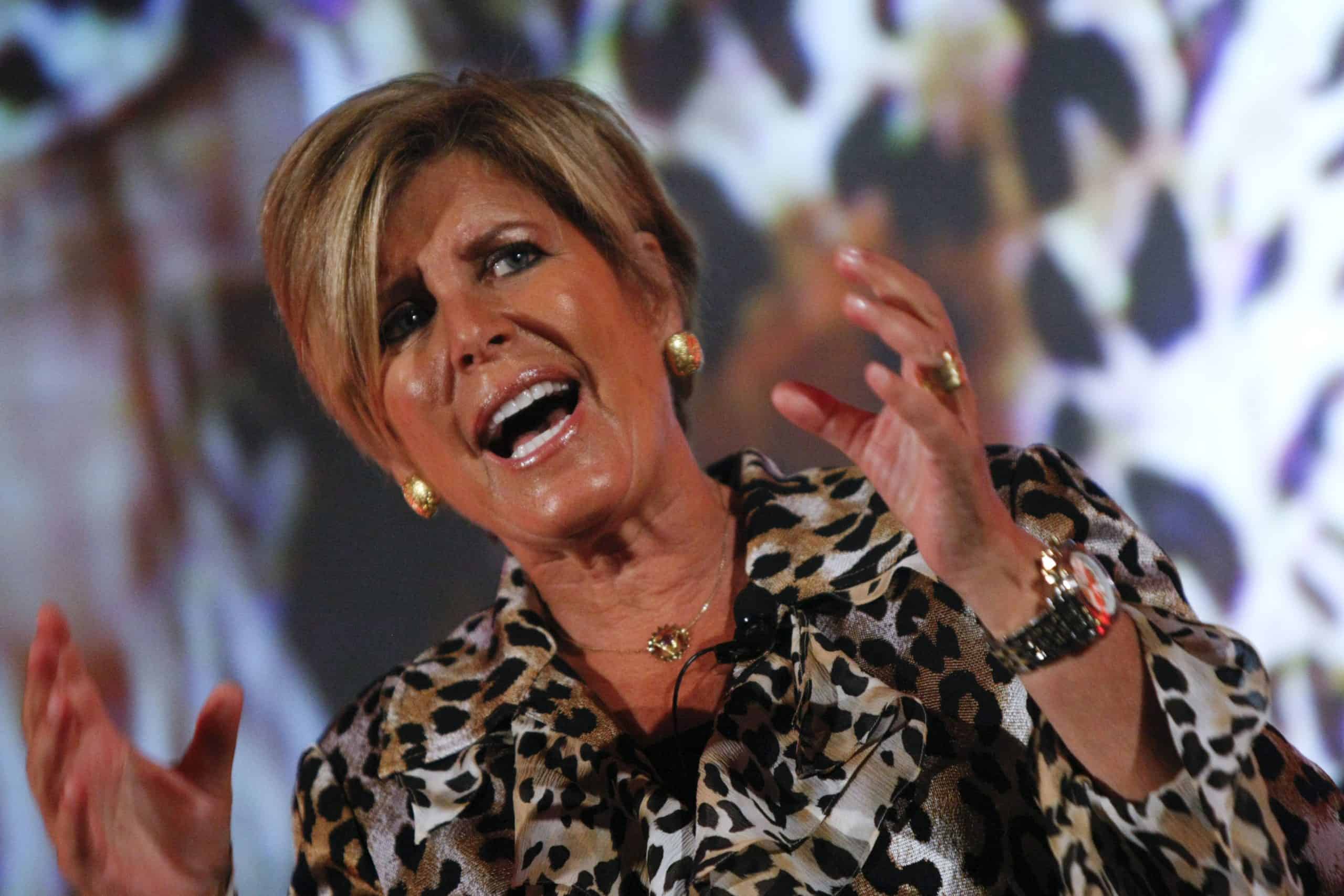
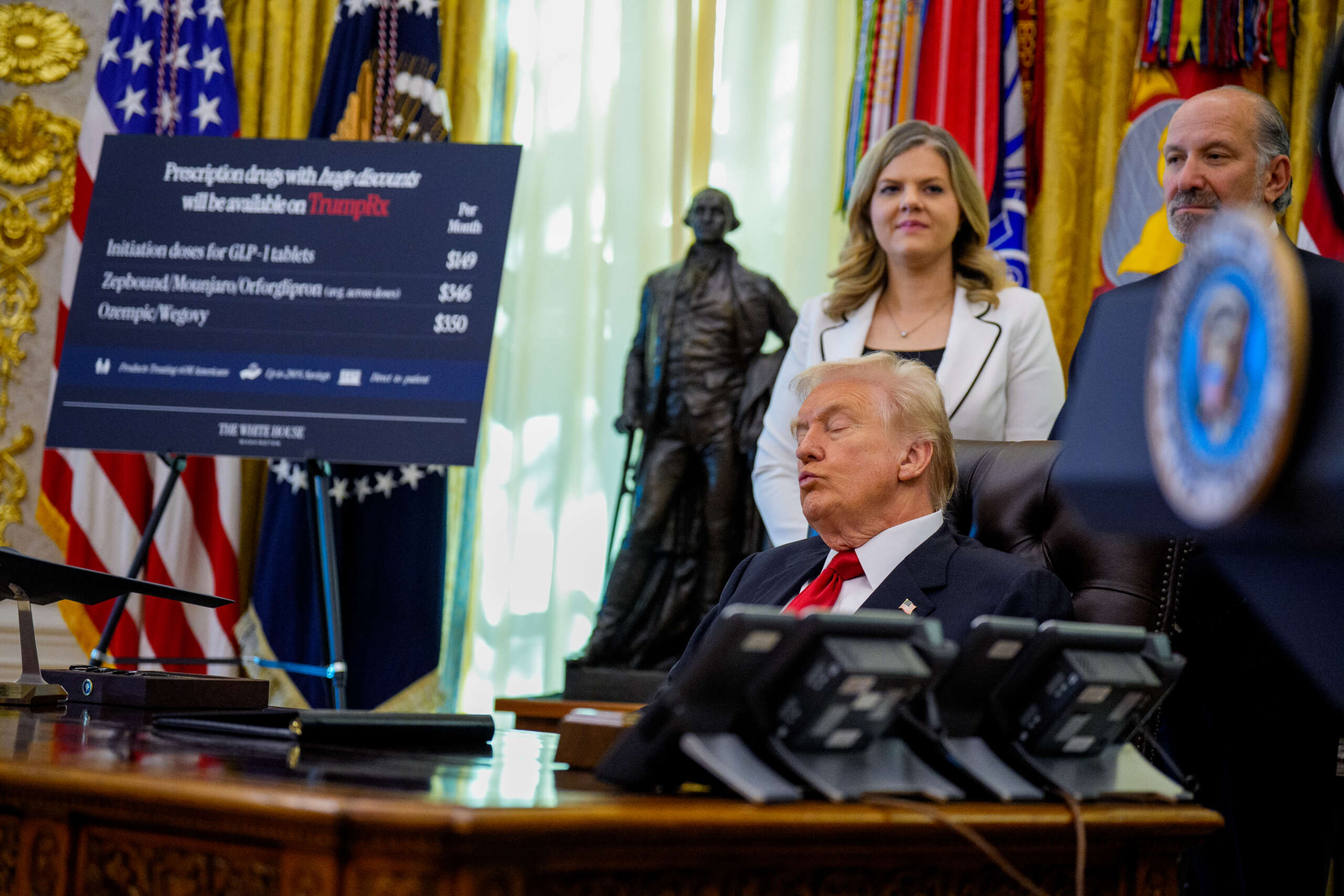
1 week agoHow to navigate the maze of drug discounts to get the best price
Many of the medicines on TrumpRx include brand-name drugs that patients can find cheaper elsewhere as generics. For instance, Protonix for heartburn is available for $200 on TrumpRx, but the generic version, pantoprazole, costs less than $30 with a GoodRx coupon.
US news

#medicare-premiums
Retirement
from24/7 Wall St.
2 weeks agoThe $2,000 Drug Cap Is Saving Medicare Retirees Over $1,500 a Year Right Now
Medicare premiums in 2026 are based on 2024 income, creating unexpected surcharges for those with one-time income spikes, while Part B premiums exceed $200 monthly and a new rule allows tax-free distributions for long-term care insurance.
US news
fromwww.npr.org
3 weeks agoMedicare Advantage 'dark money' group tries to win higher payments for insurers
A dark money group orchestrated a coordinated campaign with 83% identical comments on federal Medicare Advantage reimbursement proposals, masking industry opposition as grassroots advocacy.
Alternative medicine
fromNatural Health News
3 months agoTrump administration secures historic Medicare drug price cuts, challenging Big Pharma's grip
Medicare negotiated 44% price cuts on 15 expensive drugs, projecting $12 billion in savings and establishing the first federal government direct drug price negotiation under the 2022 Inflation Reduction Act.


fromFortune
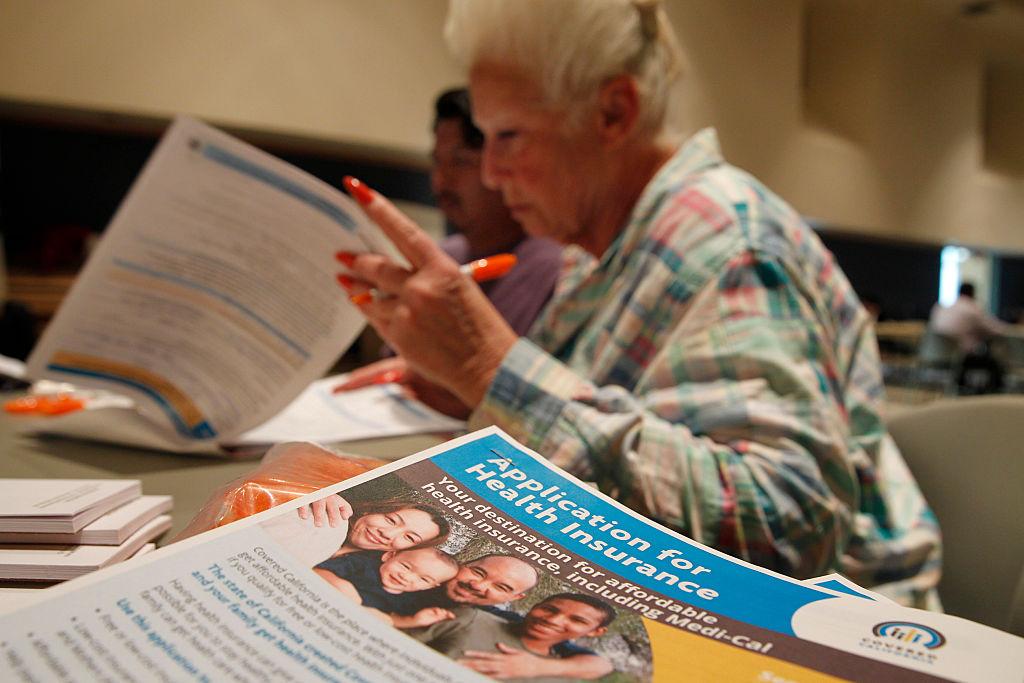
1 month agoTrump promised lower drug prices. Here's how Congress virtually guaranteed the opposite | Fortune
Pharmacy benefit managers (PBMs) are opaque intermediaries-and they are unpopular with figures including Mark Cuban, who told Fortune that the way they bargain over drug prices is absurd, something that would never happen at the very same pharmacies buying a package of Pringles potato-chip products.
US politics
fromThe Nation
1 month agoThe Red State-Blue State Healthcare Divide Is Dangerous for Everyone
In light of the systemic dismantling of America's public health agencies, these moves essentially create a shadow infrastructure to maintain some of what is being lost. While this is a promising development, it does nothing to stop a troubling trend that has been emerging for some time: The country is quickly becoming fragmented along partisan lines when it comes to public health.
Public health
Healthcare
fromHarvard Gazette
3 weeks agoFederal drug price reforms are working, finds study - Harvard Gazette
Medicare beneficiaries reported skipping fewer medications due to cost after the Inflation Reduction Act's prescription drug provisions took effect in January 2024, with greatest improvements among those with multiple chronic conditions.




Healthcare
fromMedCity News
4 weeks agoIt Took Years for Congress to Enact PBM Transparency, Delinking. What About Vertical Integration? - MedCity News
Congress passed initial PBM reforms in February 2026, but advocates seek stronger action against vertical integration between PBMs, insurers, and pharmacies through proposed legislation like the Break Up Big Medicine bill.


Public health
fromkffhealthnews.org
2 months agoMedical bills can be vexing and perplexing. Here's important advice for patients
High and confusing medical bills affect insured and uninsured due to coverage gaps, unexpected plan restrictions, billing practices, and complex retroactive policies like COBRA.
Healthcare
fromBusiness Insider
1 month agoWaiting for Medicare and skipping prescriptions: Meet the Americans on the brink of losing health insurance
Expiration of enhanced ACA subsidies on December 31 caused monthly premiums to spike hundreds of dollars, forcing over 1 million Americans to cancel marketplace plans between early 2025 and 2026.
Healthcare
from24/7 Wall St.
1 month agoWhy Many Retirees Are Underestimating Healthcare Usage, Not Just Costs
Retirees underestimate healthcare costs by focusing on total spending figures rather than accelerating usage patterns driven by chronic conditions and age-related increases in doctor visits and hospitalizations.
fromwww.housingwire.com
2 months agoLong-term care advocates speak out on regulatory rollbacks
Industry lawsuits quickly blocked most of the regulation, with two federal courts ruling that Medicare exceeded its authority. Following the 2024 elections, Congress barred implementation of the standards before 2034. Last month, the Centers for Medicare and Medicaid Services (CMS) repealed the rule entirely. Hunter called the move devastating with advocates saying it signals a retreat from oversight. It's clear (CMS) has no interest in ensuring adequate staffing, said Sam Brooks of the National Consumer Voice for Quality Long-Term Care.
Public health
Healthcare
fromwww.npr.org
1 month agoCan't get a prescription renewed? Here's how to cope with prior authorizations
Insurance prior authorization requirements expire even for patients already taking prescribed medications, forcing repeated approval processes and potentially interrupting effective treatments.
fromBusiness Insider
2 months agoACA health insurance enrollment dropped by 1.4 million. See which states had the biggest swings.
States like Florida, Ohio, North Carolina, and Georgia saw the most significant dips. "People have less access to care, and that tends to translate into worse health outcomes," said Matthew Fiedler, a senior fellow at The Brookings Institution. He added that many households' financial security is at risk: "People will face big bills that they either can't pay, and that hurts their credit. Or they do pay, but it requires them to skimp in other areas."
Public health
[ Load more ]