Healthcare
fromThe Verge
1 day agoThis chatbot can prescribe psych meds. Kind of.
Utah allows an AI system to prescribe psychiatric drugs, raising concerns about risks and the effectiveness of expanding mental health care.
Many of the medicines on TrumpRx include brand-name drugs that patients can find cheaper elsewhere as generics. For instance, Protonix for heartburn is available for $200 on TrumpRx, but the generic version, pantoprazole, costs less than $30 with a GoodRx coupon.
Many other higher-income countries are grappling with rising obesity and diabetes, but the U.S. stands out for how consistently those risks translate into worse cardiovascular outcomes, and how wide the gaps are by income, race, ethnicity, and geography.
As hormones shift during the transition into menopause, many women notice that their energy levels react differently to carbohydrates than they did in earlier years. Muscle mass tends to decline with age when strength training is absent from a routine. Because muscle mass determines how the body uses glucose, maintaining it through regular activity may support steadier daily energy.
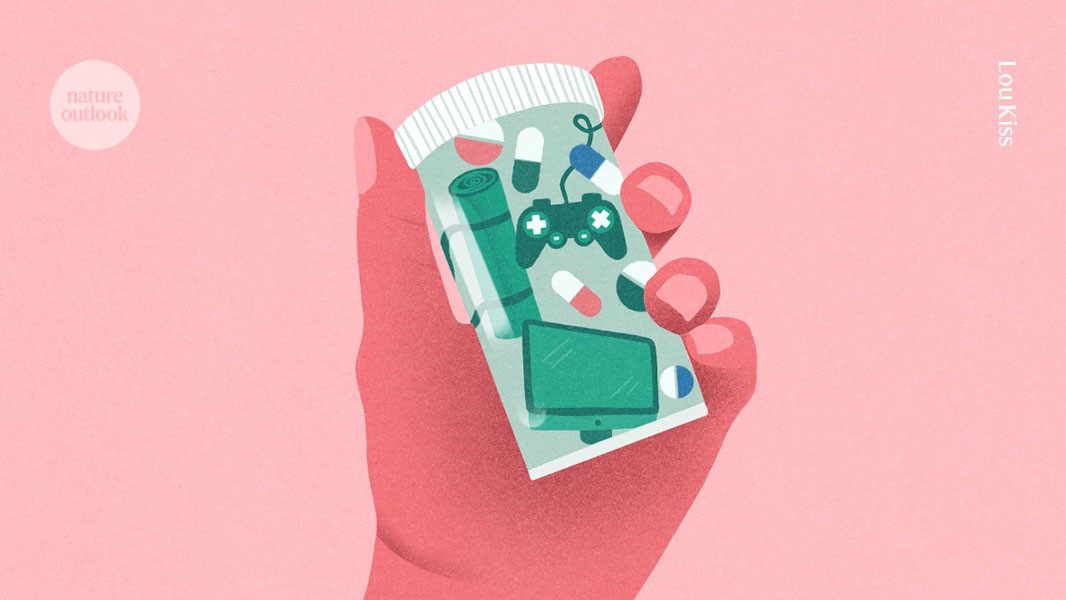
In many ways, public health can't afford to ignore gamification. Addiction is already gamified-and it's winning. As one example, "smart" vapes now feature screens, rewards, animations, and puff tracking. These high-tech devices have become top-selling products, with 32% of youth and 33% of young adults reporting using vapes with screens, games, or Bluetooth connectivity in the past month. These products are applying the same engagement strategies used in consumer tech to drive repeat use and ultimately sustain addictive behavior.
As the Magerstadt Professor of Cardiovascular Epidemiology, Khan studies the epidemiology of risk for heart failure. Using population-based cohorts and large electronic health record data analyses, she performs mechanistic studies that may enhance risk prediction and identify novel therapeutic agents for the prevention and treatment of cardiovascular disease. Khan and her team have developed a tool to predict risk and prevent cardiovascular disease such as heart failure, stroke, arrhythmia, coronary artery disease and many other conditions.
I tested AGZ's chocolate and mint flavors, which come with a frother, and you can blend the powder with water or milk, either warm or cold (although I think it tastes the best with milk, like a frothy hot cocoa). The drink doesn't taste overly sweet and has a nice, rich chocolate taste. The mix is melatonin-free, instead with adaptogens, herbs, and minerals, including magnesium, vitamin B6, L-theanine, ashwagandha, and calming herbs.
Yes, there has been a shocking lack of progress in developing transformative psychiatric medicine (We need new drugs for mental ill-health, 5 February), but this may be because in mental health, drugs are not always the answer (see, for example, Richard P Bentall's Doctoring the Mind). Huge progress has been made in the effectiveness of talking therapies for example, free effective treatment for post-traumatic stress disorder (PTSD) is available to all UK army veterans through the charity PTSD Resolution.
Before treatment began, participants underwent neuroimaging. Instead of relying on a single modality, the researchers fused structural connectivity (how regions are physically wired) with functional connectivity (how regions co-activate at rest). The goal was not to throw every possible feature at a black box, but to learn a constrained pattern-what the authors call structure-function "covariation"-that carries the most predictive signal for outcome. In other words, the model tries to find the smallest set of connections that meaningfully forecasts symptom change.
The Dietary Guidelines for Americans aim to translate the most up-to-date nutrition science into practical advice for the public as well as to guide federal policy for programs such as school lunches. But the newest version of the guidelines, released on Jan. 7, 2026, seems to be spurring more confusion than clarity about what people should be eating. The latest dietary guidelines, published on Jan. 7, 2026, have received mixed reviews from nutrition experts.
Every day, many thousands of parents across the U.S. face the difficult question of whether to place their child or teenager on a psychotropic medication. Receiving a diagnosis of a mental disorder can be scary and confusing, for the youth as well as their parents/caretakers. What is ADHD? Depression? Anxiety? OCD? Bipolar? What are the available treatments? Do we have to use medications to treat the symptoms?
You get sick from staying inside, breathing the same germ-filled air. Open your windows, even for five minutes, to circulate the old air out and let in fresh air. Also, if you're taking your child to the doctor, don't wait to treat their fever because you want 'the provider to see the fever.' Your child might wait two hours to be seen, meanwhile their temperature goes up, and they might have a seizure. If you say they've been having fevers, we believe you.